


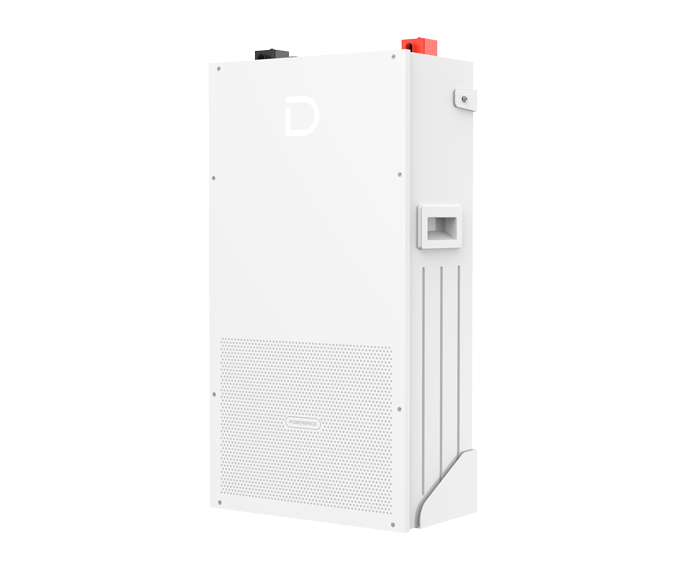
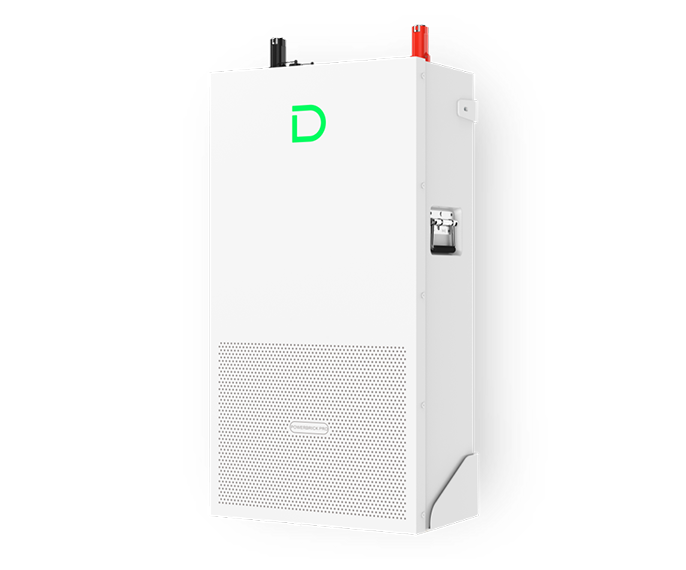

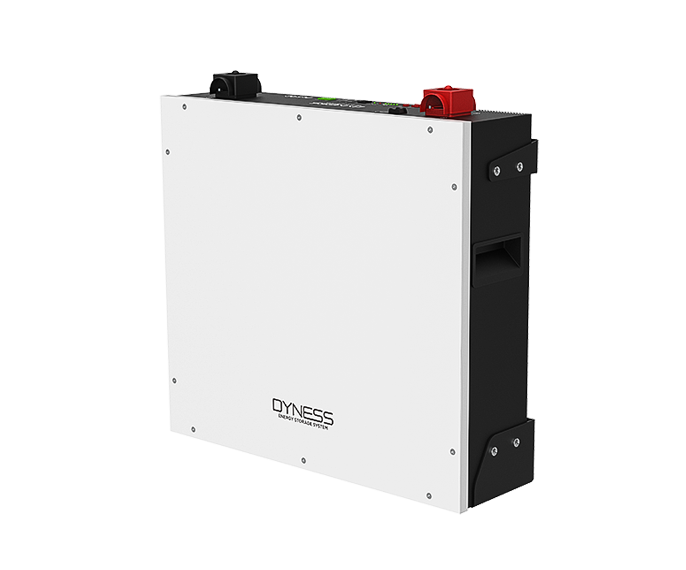

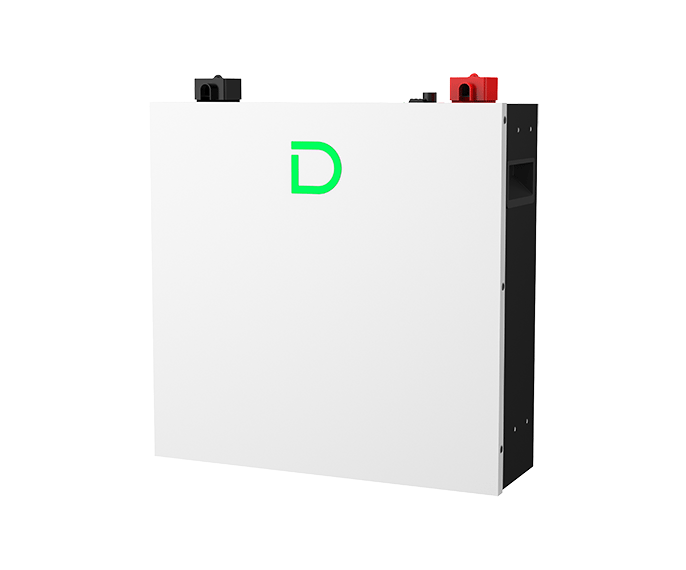






















How Does the STACK100 Heating Function Work in Extremely Cold Environments?


Get notified about new updates, products, tips and tutorials. No spam.
In low-temperature environments, LiFePO4 battery activity can be reduced, which may affect charging efficiency, discharge performance, and long-term battery health.
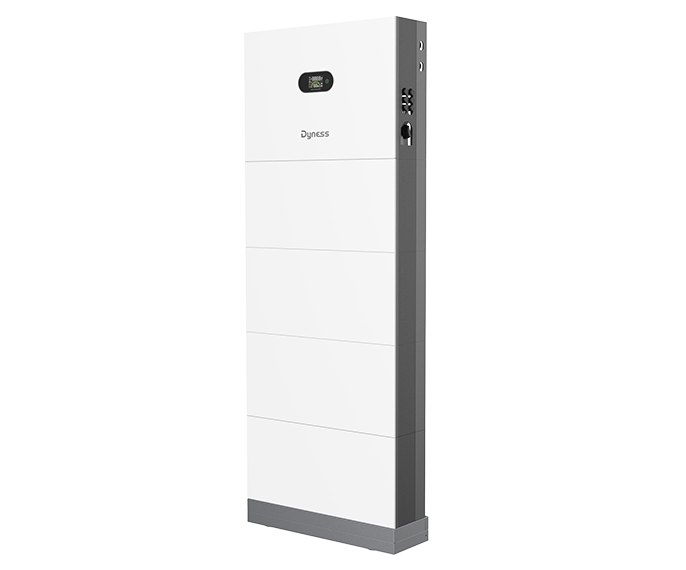
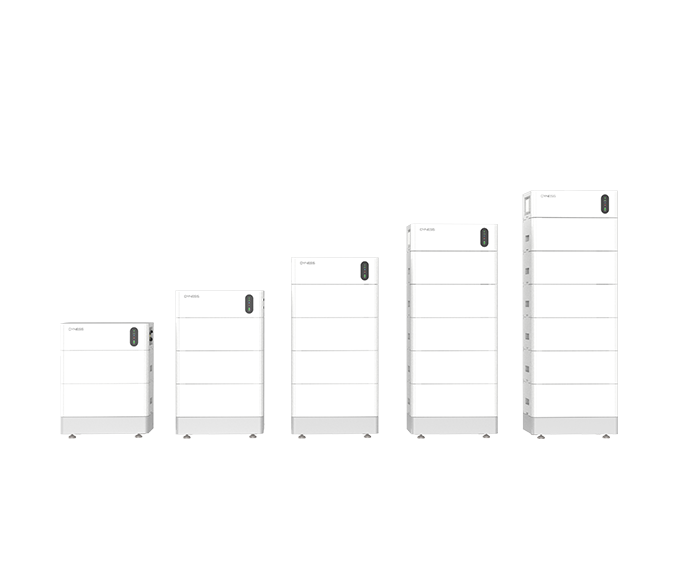
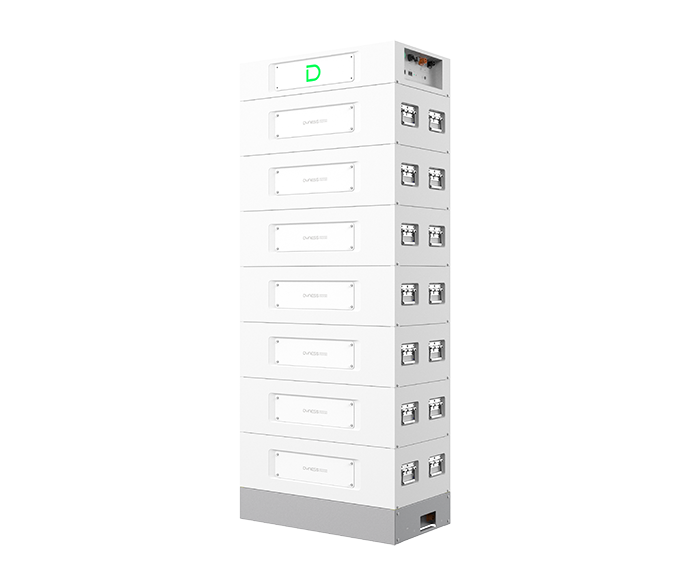
STACK100 is designed with an intelligent heating function that helps bring the battery cells into a safer and more suitable operating temperature range before normal operation. This thermal management design supports more stable energy storage performance in cold climates and helps protect long-term battery life.

Why Low Temperature Matters for LiFePO4 Batteries
LiFePO4 batteries are widely used in energy storage because of their safety, stability, and long cycle life. However, like most battery chemistries, their performance can be affected by low temperatures.
When the ambient temperature drops, the electrochemical activity inside the battery slows down. This may reduce charging acceptance, limit discharge power, and increase stress on the cells if the system is forced to operate outside a suitable temperature range.
For commercial and industrial energy storage projects in cold regions, this is not only a comfort issue. It can directly affect system availability, winter energy output, backup readiness, and long-term asset performance.
This is why thermal management is an important part of STACK100 system reliability in low-temperature environments.
How the STACK100 Intelligent Heating Function Works
The STACK100 heating function is not designed as continuous heating. Instead, it works as part of an intelligent thermal management logic based on temperature monitoring and system protection.
Through built-in temperature sensing and BMS control, the system monitors battery cell temperature in real time. When the temperature drops below the preset operating threshold, the heating logic can be activated to help warm the battery cells before normal charging or discharging.
Once the battery temperature returns to a suitable operating range, the heating process can be reduced or stopped automatically. This helps balance battery protection, energy efficiency, and system performance.
In practical operation, the exact heating behavior may depend on product configuration, firmware logic, site temperature, available energy source, installation conditions, and official Dyness technical guidance.


Key Factors That Affect Heating Efficiency and Cold-Weather Performance
The effectiveness of low-temperature heating depends on several technical and environmental factors. These factors should be considered when designing or operating STACK100 in cold regions.
| Factor | Why It Matters |
|---|---|
| Ambient temperature | Lower temperatures may require more preheating time before the battery reaches a suitable operating range. |
| Heating speed and uniformity | Uniform heating helps reduce temperature imbalance and supports more stable cell operation. |
| Energy balance | The system needs to balance heating consumption with battery protection and usable energy output. |
| Installation environment | Shelter, ventilation, enclosure conditions, and site design can affect heat retention and overall winter performance. |
For cold-climate projects, correct system selection and professional installation are just as important as the heating function itself.
Common Misunderstandings About STACK100 Low-Temperature Heating
Myth 1: With heating, the battery performs the same at any temperature.
Heating improves cold-weather usability, but it does not remove all temperature-related limits. During an extremely cold start, the system may first allocate energy to preheating, and charging or discharging power may be limited until the battery reaches a suitable range.
Myth 2: Heating wastes too much electricity.
Heating consumes some energy, but its purpose is to protect battery health and improve usable performance. Compared with the risk of low-temperature stress or reduced efficiency, controlled heating can be a valuable protection mechanism.
Myth 3: Heating only matters during charging.
Low-temperature protection is not only related to charging. Depending on operating logic and site conditions, the system may also need to manage temperature during standby or discharge scenarios to maintain safer and more stable operation.
Myth 4: Heating alone guarantees good winter performance.
The heating function is important, but final performance also depends on system sizing, installation environment, insulation conditions, load profile, inverter settings, and local climate.
Final Takeaway
The STACK100 heating function is designed to support safer and more stable operation in low-temperature environments. By monitoring cell temperature and activating heating logic when needed, the system helps bring the battery into a more suitable operating range before normal charging or discharging.
For users in cold regions, this function can help improve winter energy storage performance, protect battery health, and support long-term system reliability.
However, heating is only one part of cold-climate system design. To achieve the best result, users should also consider installation environment, system configuration, operating temperature range, inverter compatibility, and official Dyness technical guidance.
FAQ
-
Q: Does the STACK100 heating function turn on automatically?

A:Yes. STACK100 is designed with intelligent temperature monitoring through its BMS. When the battery temperature falls below the preset threshold, the heating logic can activate automatically based on system conditions, without manual operation.
-
Q: Does the STACK100 heating function reduce battery life?
A:No. The heating function is designed to help protect battery life. LiFePO4 batteries may be stressed if they are charged at very low temperatures. By warming the cells before normal operation, STACK100 helps reduce low-temperature risk and support long-term battery health.
-
Q: Can I monitor the heating status of STACK100?
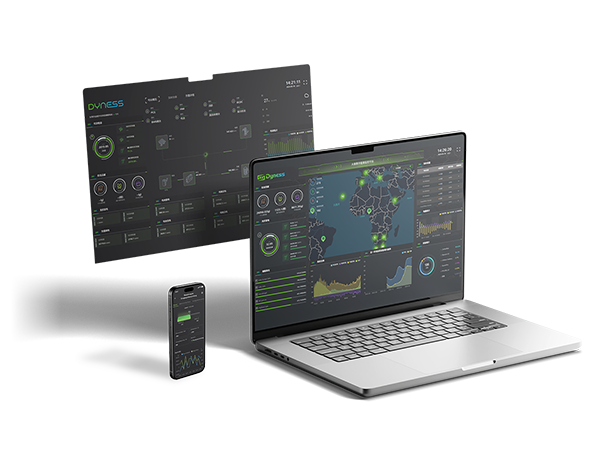
A: In supported configurations, users can monitor system operation through the Dyness App or cloud platform. This may include battery temperature, operating status, and thermal management information, depending on system setup and software version.
Learn More