



























Does Dyness Energy Storage Support Grid-Connected Peak Shaving and Valley Filling?


Get notified about new updates, products, tips and tutorials. No spam.
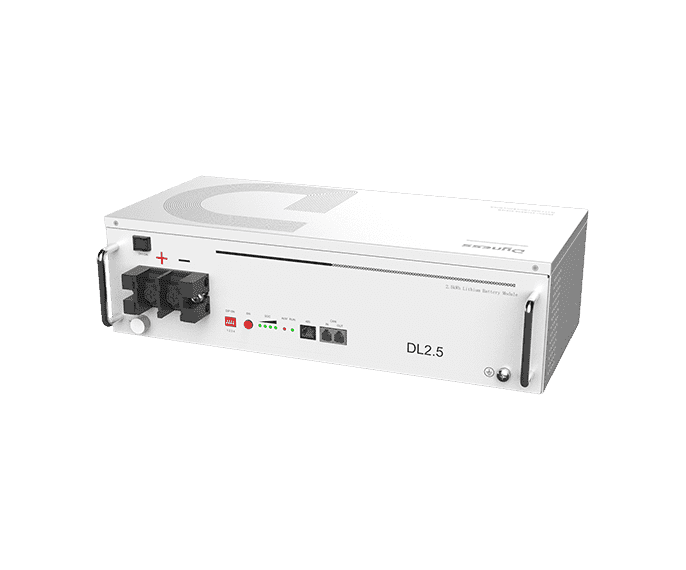
Yes, Dyness energy storage systems can support grid-connected peak shaving and valley filling in suitable project configurations. By charging during off-peak or low-price periods and discharging during peak-load or high-price periods, the system can help users reduce peak grid demand, improve energy cost control, and make electricity usage more flexible.
For commercial and industrial users, this function is especially valuable because electricity bills may be affected not only by total energy consumption, but also by peak demand, time-of-use tariffs, PV utilization, and operating load patterns.
However, peak shaving and valley filling are not achieved by the battery alone. The final performance depends on battery capacity, PCS or inverter power, EMS strategy, metering accuracy, grid-connection rules, site load profile, and professional system commissioning.

What Does Grid-Connected Peak Shaving and Valley Filling Mean?
Grid-connected peak shaving and valley filling is an energy management strategy used to optimize how electricity is drawn from the grid.
During off-peak or low-price periods, the energy storage system can charge the battery from the grid or from surplus solar PV where supported. During peak-load or high-price periods, the battery can discharge to support site loads and reduce the amount of electricity purchased from the grid.
In simple terms, peak shaving reduces short periods of high grid demand, while valley filling uses lower-demand or lower-cost periods to charge the battery.
| Operating Period | System Action | Main Purpose |
|---|---|---|
| Valley or off-peak period | The battery charges when electricity demand or electricity price is lower. | Store lower-cost energy for later use. |
| Peak-load period | The battery discharges to support site loads. | Reduce peak grid demand and high-price electricity purchases. |
| Solar surplus period | Surplus PV energy can charge the battery where the system is configured to do so. | Improve PV self-consumption and reduce wasted solar energy. |
This strategy is widely used in commercial and industrial energy management because it helps users shift energy use from expensive or high-load periods to more economical periods.
How Dyness Energy Storage Supports Grid-Connected Operation
A grid-connected peak shaving and valley filling system requires coordinated operation between the battery, PCS or inverter, EMS, meters, protection devices, and the grid connection point.
Dyness energy storage systems can be configured as part of this architecture, where the battery stores energy and releases it according to the operating strategy set by the project design.
| System Component | Role in Peak Shaving and Valley Filling |
|---|---|
| Battery system | Stores energy during low-price, low-load, or solar-rich periods and provides energy during peak periods. |
| PCS or inverter | Controls AC/DC energy conversion and determines charge and discharge power limits. |
| BMS | Monitors battery status, SOC, voltage, temperature, and protection conditions. |
| EMS | Defines and executes operating strategies based on load demand, electricity price, PV generation, and project objectives. |
| Metering system | Measures grid import, site load, PV output, and battery operation to support accurate control decisions. |
| Grid connection and protection | Ensures the system operates safely and complies with local grid and electrical requirements. |
The battery does not operate independently from the rest of the system. Peak shaving performance depends on whether the EMS strategy, PCS power, battery capacity, and site load profile are correctly matched.

What Value Does Peak Shaving and Valley Filling Create?
For commercial and industrial users, grid-connected peak shaving and valley filling can create value in several ways.
| Value Area | How Energy Storage Helps |
|---|---|
| Peak demand reduction | The battery discharges during high-load periods to reduce short-term grid power demand. |
| Time-of-use cost optimization | The system charges during lower-price periods and discharges during higher-price periods where this operation is allowed and economically suitable. |
| PV self-consumption improvement | Surplus solar energy generated on-site can be stored and used later instead of being exported or curtailed. |
| Load curve optimization | Energy storage helps smooth electricity demand by reducing peaks and improving energy use during lower-load periods. |
| Energy management flexibility | EMS strategies allow the system to adapt to different site loads, tariff windows, PV generation patterns, and operation schedules. |
The actual economic result depends on local tariff rules, whether demand charges apply, the size of the peak-to-valley price difference, battery cycling strategy, and system efficiency.
Key Conditions for Effective Peak Shaving
Not every grid-connected energy storage system will automatically deliver strong peak shaving results. The system must be properly sized and configured according to real operating data.
| Condition | What to Confirm |
|---|---|
| Clear load profile | Identify when the site reaches peak demand, how long peaks last, and which equipment causes them. |
| Suitable battery capacity | Capacity should be enough to cover target peak periods without creating unnecessary unused storage. |
| Adequate PCS or inverter power | Power rating must be sufficient to reduce peak demand during the required time window. |
| Accurate metering and control | The EMS needs reliable load, PV, battery, and grid data to make correct charge and discharge decisions. |
| Proper EMS strategy | The strategy should match tariff periods, production schedules, PV output, demand charge rules, and backup reserve needs. |
| Grid compliance | Grid charging, export control, interconnection, protection settings, and permitting should comply with local requirements. |
For this reason, project owners should evaluate historical load data and electricity bills before sizing a Dyness C&I energy storage system for peak shaving and valley filling.
Which Dyness Solutions Can Be Considered?
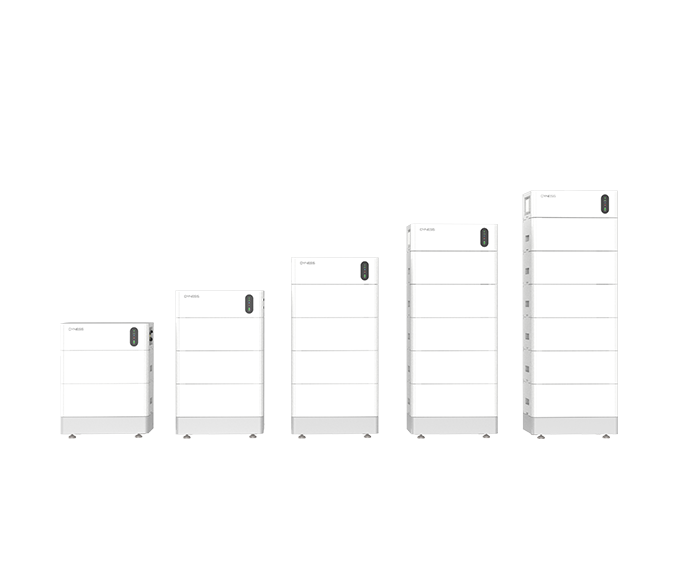
Different peak shaving and valley filling projects require different Dyness solution directions. The right choice depends on system capacity, power demand, site load profile, PV system size, installation space, and project objectives.
| Application Scenario | Dyness Solution Direction | Main Focus |
|---|---|---|
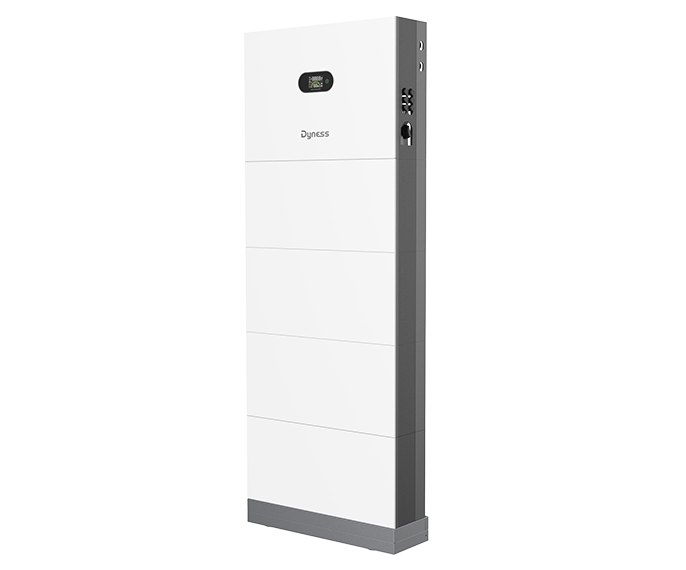
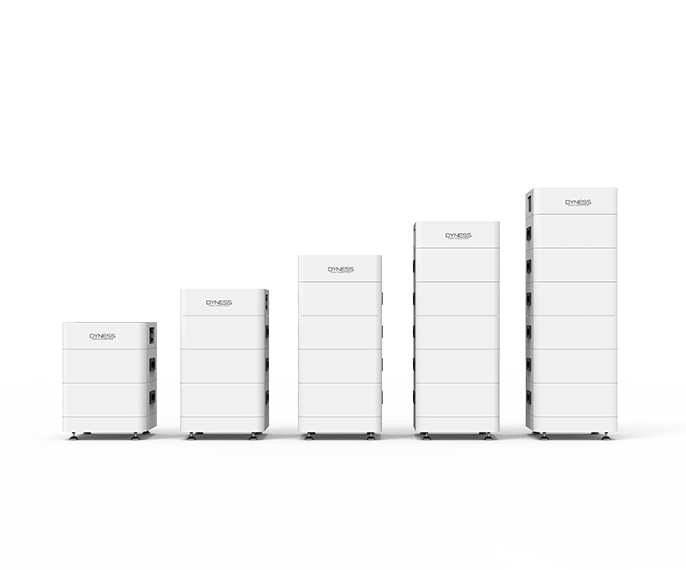
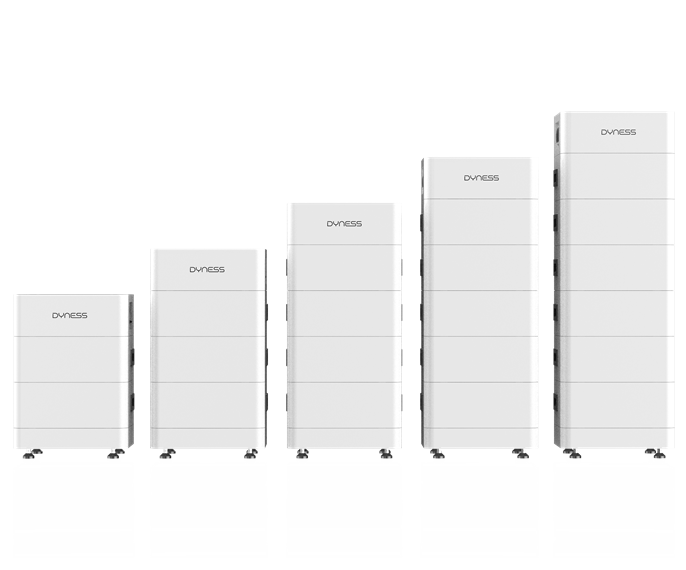
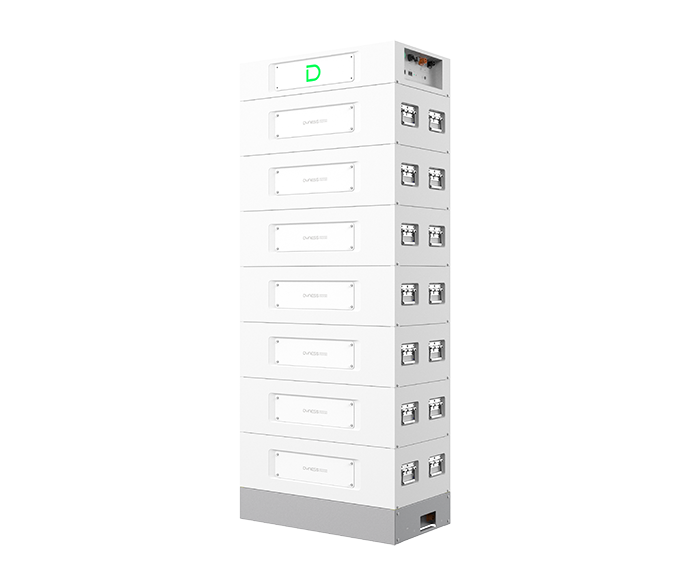
| Large residential or small commercial site | STACK100 or other modular platforms where compatible. | Flexible capacity configuration, PV self-consumption, and load management. |
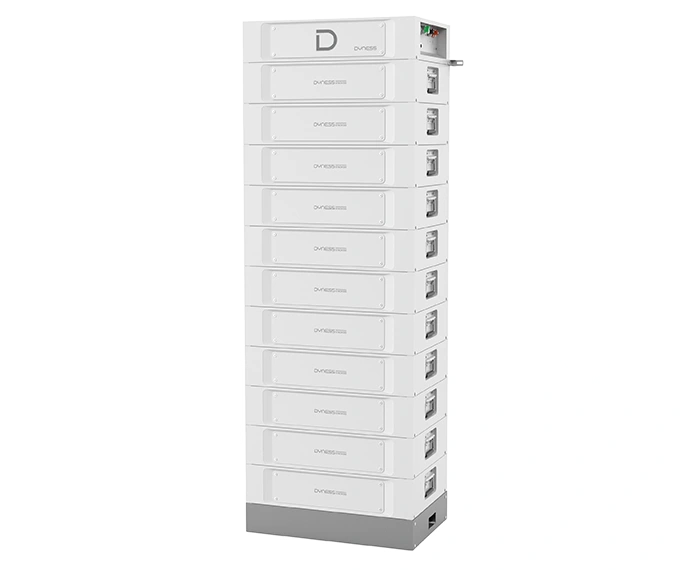
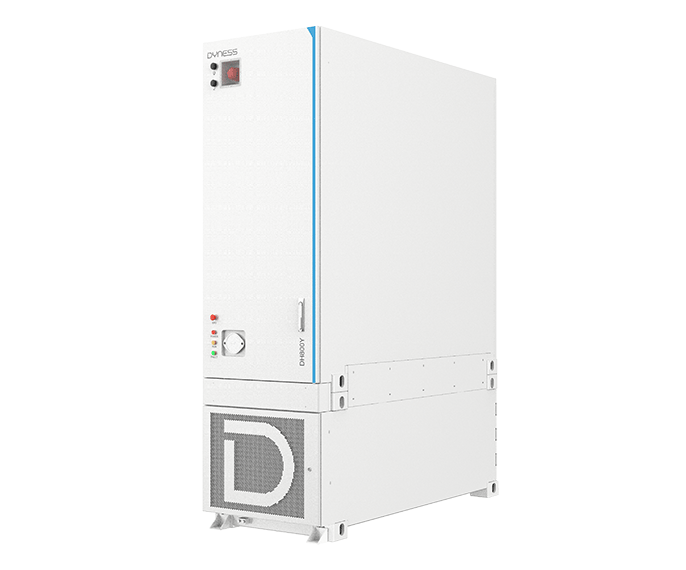
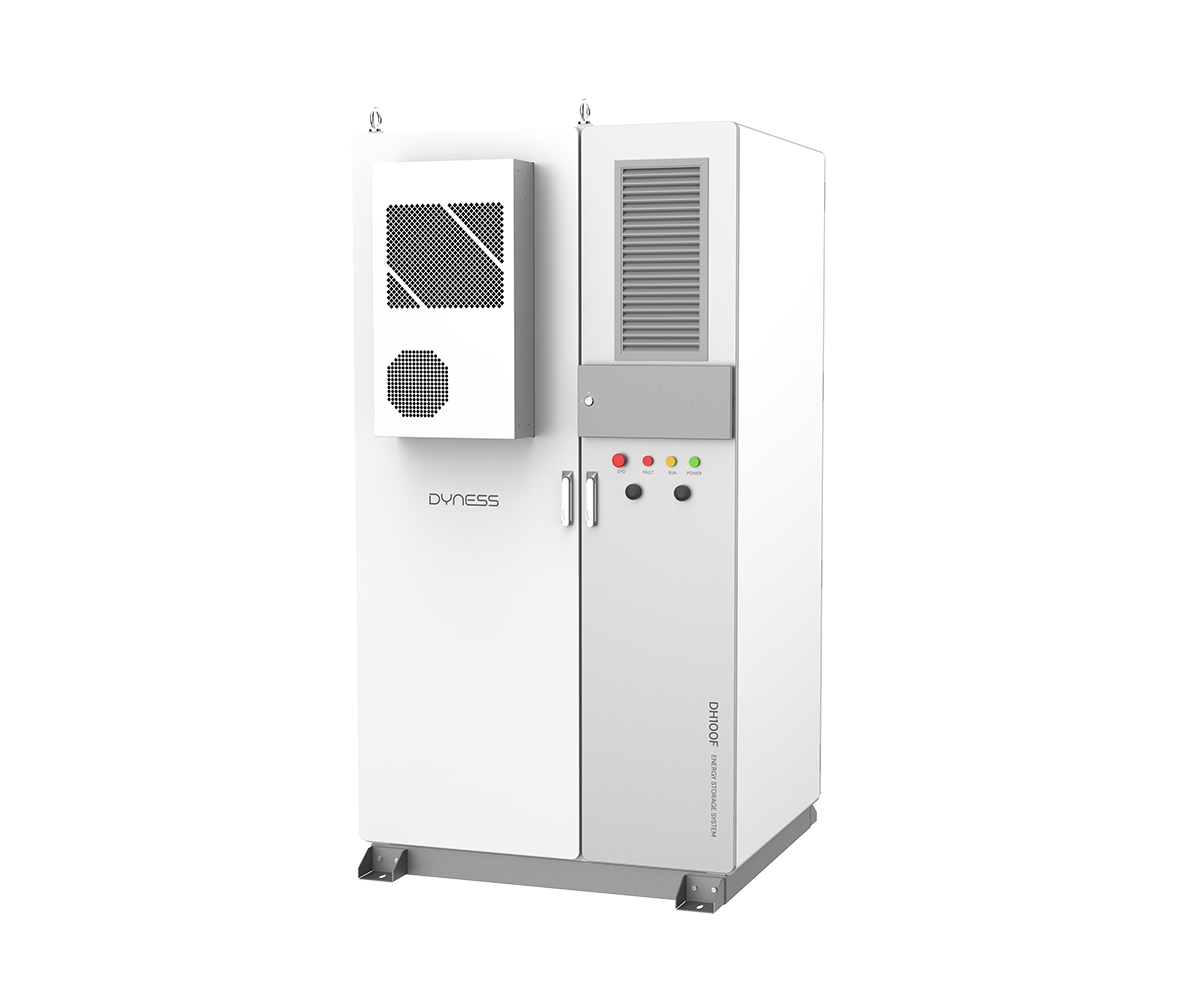
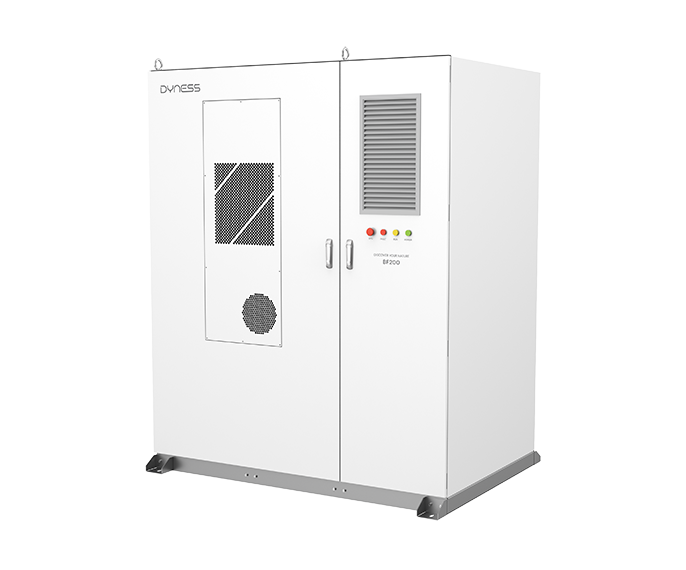
| Commercial building or warehouse | DH200F-C260, DH200Y-C260, or other suitable C&I ESS solutions. | Peak shaving, time-of-use optimization, and operational energy management. |
| Factory, farm, supermarket, or charging site | C&I or larger-capacity energy storage systems selected according to project requirements. | Demand control, PV utilization, high-load support, and EMS-based scheduling. |
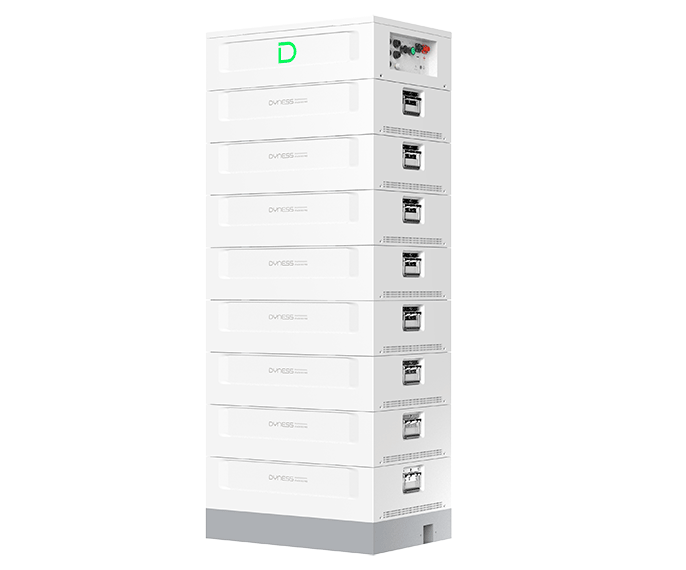
| Large C&I or multi-unit project | DH800Y or other larger system directions where suitable. | Higher-capacity energy management, load optimization, and project-level control. |
The final product selection should be confirmed according to Dyness technical documentation, PCS or inverter compatibility, EMS requirements, installation conditions, local grid regulations, and qualified project assessment.
Common Misunderstandings About Grid-Connected Peak Shaving
Misconception 1: Grid-connected energy storage means the system can always reduce electricity bills.
Reality: Savings depend on tariff structure, peak demand rules, load profile, system capacity, EMS strategy, and local operating conditions.
Misconception 2: Peak shaving only requires a large battery.
Reality: Battery capacity is important, but PCS or inverter power, discharge timing, metering accuracy, and EMS control strategy are equally important.
Misconception 3: Valley filling means charging the battery whenever electricity is cheap.
Reality: Charging strategy should also consider battery SOC, next peak period, PV generation forecast, backup reserve, system efficiency, and grid-charging rules.
Misconception 4: Peak shaving and backup power always use the same battery strategy.
Reality: Peak shaving may use stored energy for cost control, while backup requires reserve capacity for outages. The EMS strategy should balance both goals when required.
Misconception 5: Grid connection rules are the same in every region.
Reality: Grid charging, export limitation, protection requirements, metering, permitting, and interconnection rules vary by country and project type.
Final Takeaway
Dyness energy storage systems can support grid-connected peak shaving and valley filling in suitable configurations.
By charging during off-peak, low-load, or solar-rich periods and discharging during peak-load or high-price periods, the system can help users reduce peak grid demand, improve PV utilization, and optimize electricity costs.
For commercial and industrial users, this function is especially valuable when electricity bills include demand charges, time-of-use tariffs, or high peak-load costs.
The final result depends on battery capacity, PCS or inverter power, EMS strategy, load profile, metering accuracy, PV generation, grid rules, and professional commissioning.
Before designing a grid-connected peak shaving project, users should review historical load data, electricity bills, tariff rules, PV generation, site conditions, and approved Dyness system configurations.
FAQ
-
Q: Does Dyness energy storage support grid-connected peak shaving and valley filling?

A: Yes, Dyness energy storage systems can support grid-connected peak shaving and valley filling in suitable project configurations. The final performance depends on battery capacity, PCS or inverter power, EMS strategy, load profile, metering accuracy, and local grid requirements.
-
Q: What is peak shaving in energy storage?
A: Peak shaving means using stored battery energy during high-load periods to reduce the site’s peak power demand from the grid.
-
Q: What is valley filling?
A: Valley filling means charging the battery during off-peak, low-load, or low-price periods so that the stored energy can be used later during higher-value periods.
Learn More