












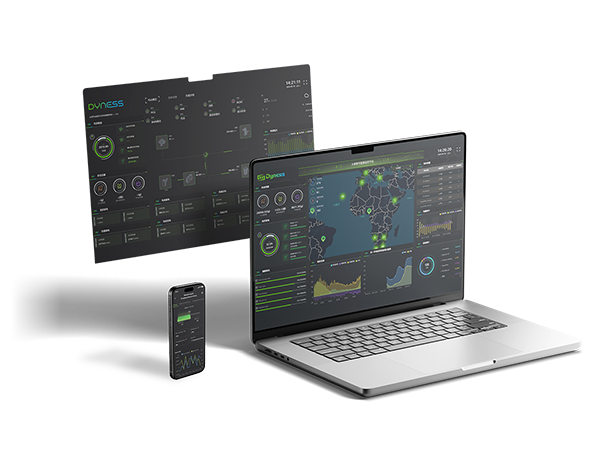











BESS Liquid Cooling System: Technology Overview


Get notified about new updates, products, tips and tutorials. No spam.
Commercial electricity infrastructure faces unprecedented operational strain due to rapid industrial expansion, fluctuating utility grid pricing, and aggressive carbon reduction mandates worldwide. Implementing a modern BESS liquid cooling system allows enterprise distribution networks to establish reliable power reserves, maintain steady power factor values, and prevent expensive grid downtime.
Navigating contemporary power project development requires a comprehensive understanding of electrochemical thermodynamics, fluid dynamic heat transfer, and automated safety architectures. Selecting appropriate stationary hardware configurations preserves localized system health while maximizing energy investment returns over multi-decade operational lifecycles.

Thermal Demands in Modern BESS Applications
High-capacity battery installations generate substantial internal thermal energy during rapid bidirectional charging and discharging cycles. When dense cell groups operate under continuous heavy industrial loads, internal chemical resistance can create localized thermal pockets.
If heat is not dissipated efficiently, cell degradation may accelerate and overall system energy retention can decline. Stable temperature control is therefore critical for preserving the internal chemistry of lithium-based cells over time.
Uneven thermal distribution across a battery enclosure can cause individual cells to age at different rates, reducing overall string performance. Modern engineering standards emphasize uniform climate control within storage cabinets to secure predictable power output and long-term system stability.

Liquid Cooling Versus Forced-Air Heat Dissipation
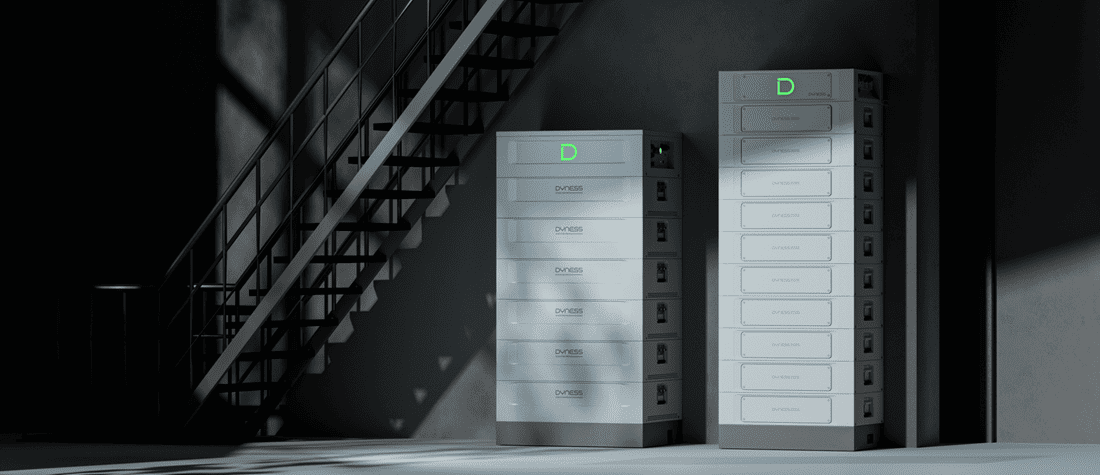
Traditional energy storage systems have often relied on forced-air ventilation networks to manage internal equipment temperatures. Air cooling configurations require more physical space for ducting and may create uneven airflow paths through tightly packed battery racks.
These spatial limitations can lead to persistent thermal gradients that lower round-trip conversion efficiency and increase long-term performance uncertainty.
Liquid circulation plates absorb thermal energy directly from cell surfaces with higher heat transfer efficiency. Liquid-based systems can also reduce parasitic fan power requirements, improving the net energy performance of the entire site while keeping dense cell groupings within ideal thermal boundaries.
Integrated System Design for Safer Field Deployment
Sourcing heavy-duty storage hardware requires careful evaluation of how fluid chillers, internal plumbing, and power electronics are packaged. Fragmented system layouts require extensive manual piping and connection work on-site, increasing the risk of fluid leaks during field setup.
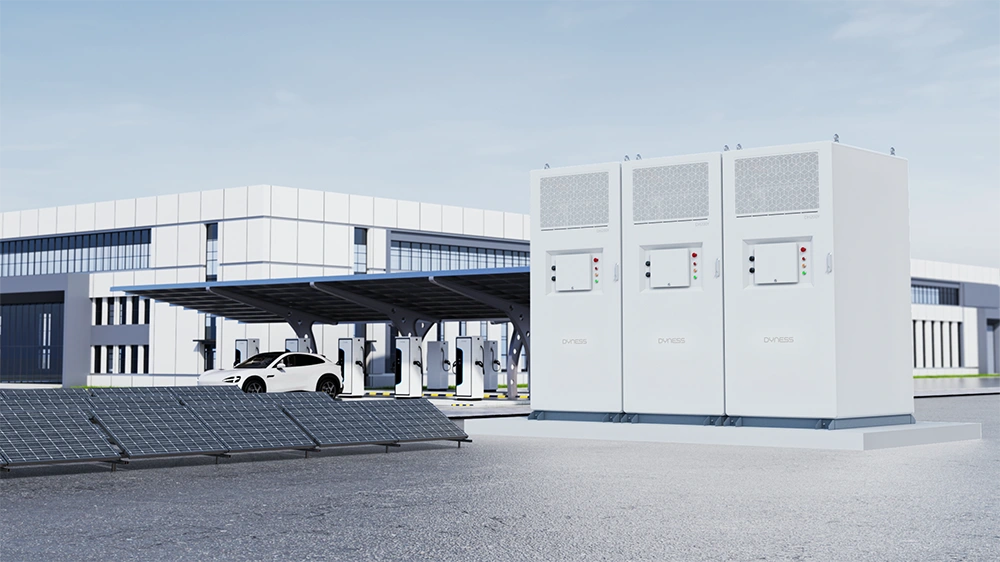
Choosing unified containment boxes ensures that liquid channels are assembled and quality-tested at the factory before deployment. This approach reduces installation complexity and improves system reliability from the beginning of the project.
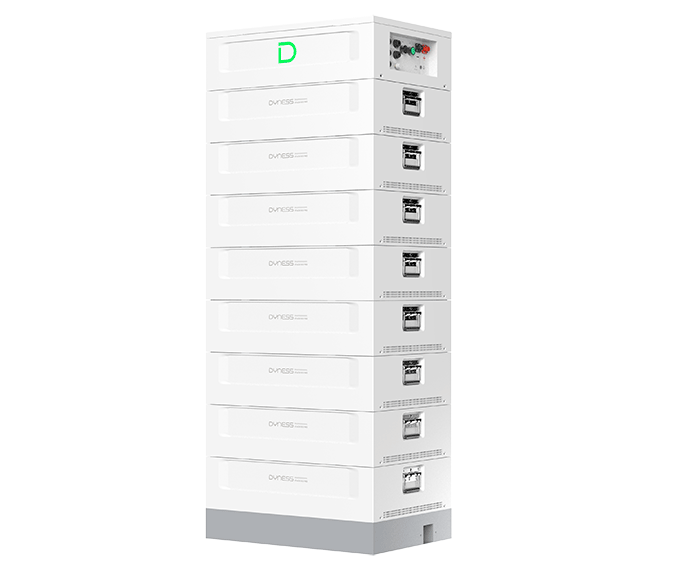
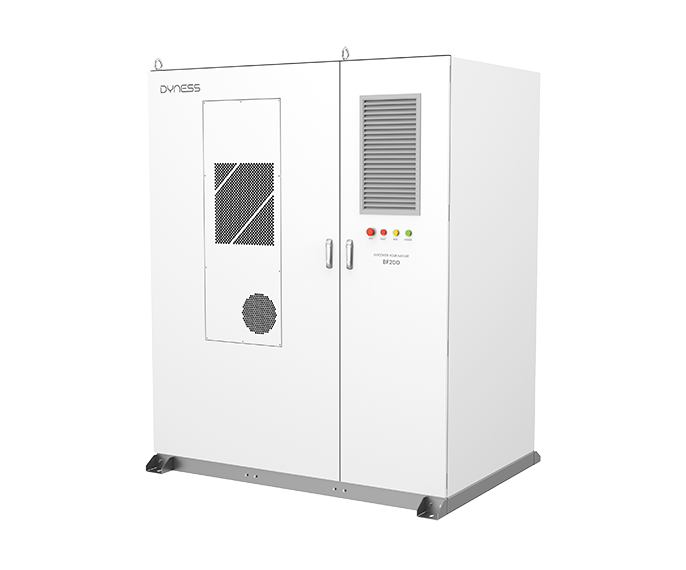
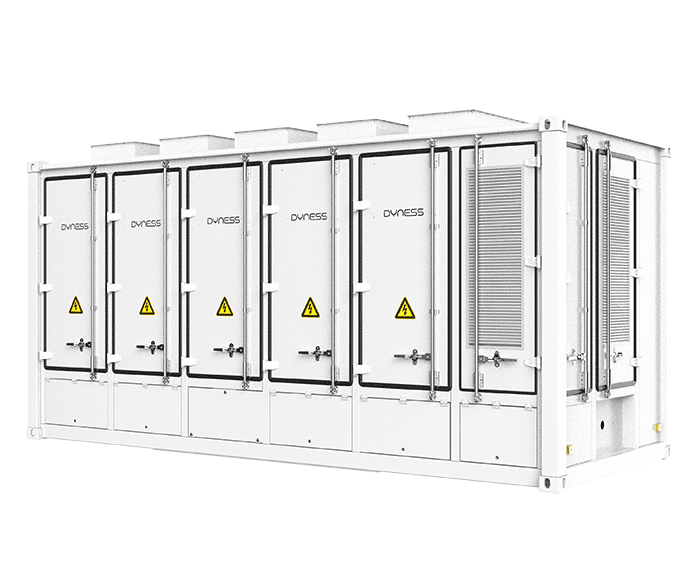
At Dyness, advanced thermal management loops, intelligent battery management modules, and bidirectional power converters are integrated into a single unified structure. This pre-engineered All-in-one Liquid Cooling System design simplifies site preparation, reduces complex field deployment tasks, and provides environmental protection across diverse industrial yards.
Peak Shaving and Demand Charge Reduction
Industrial facilities experience variable consumption profiles throughout the day as automated production machinery cycles on and off. Brief periods of heavy usage can place significant strain on local utility transformer networks and nearby building sub-panels.
Integrating a localized power buffer enables facilities to implement automated peak shaving routines. Internal software tracks property consumption in real time and discharges battery power when grid demand crosses predefined boundaries, helping smooth building load curves and reduce strain on shared utility networks.
Demand charge reduction is another key application. Since utility entities may calculate a major portion of commercial energy bills based on the single highest power peak within a billing cycle, stationary storage with rapid response capability can help reduce volatile peak-load exposure.
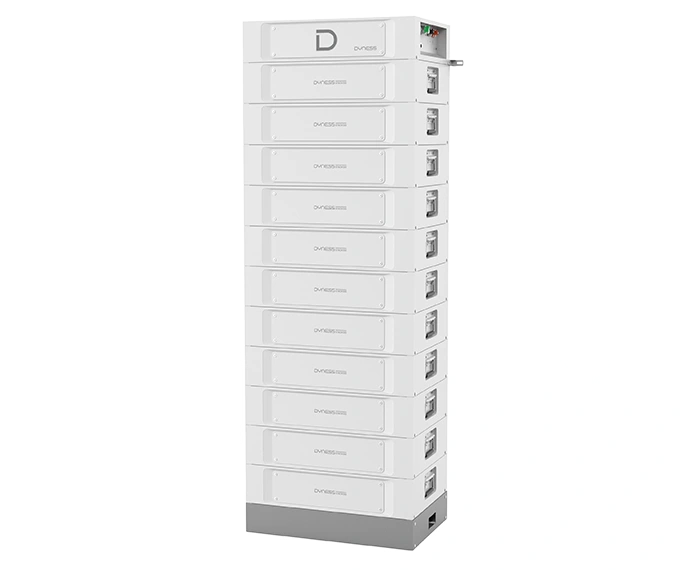
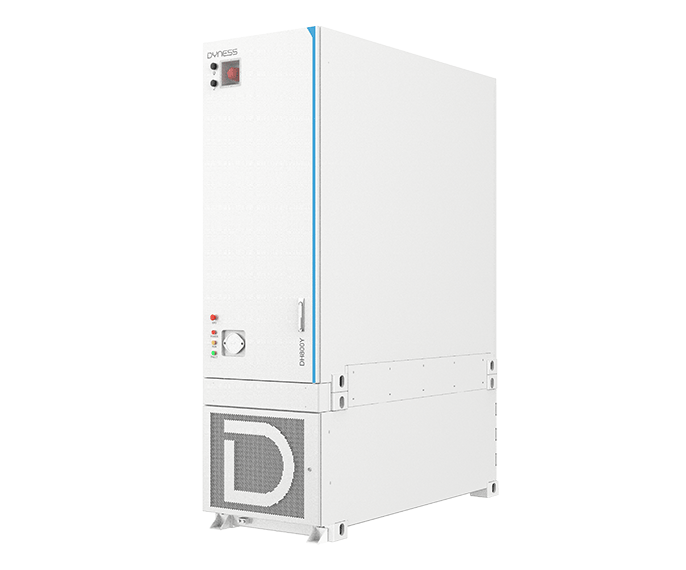
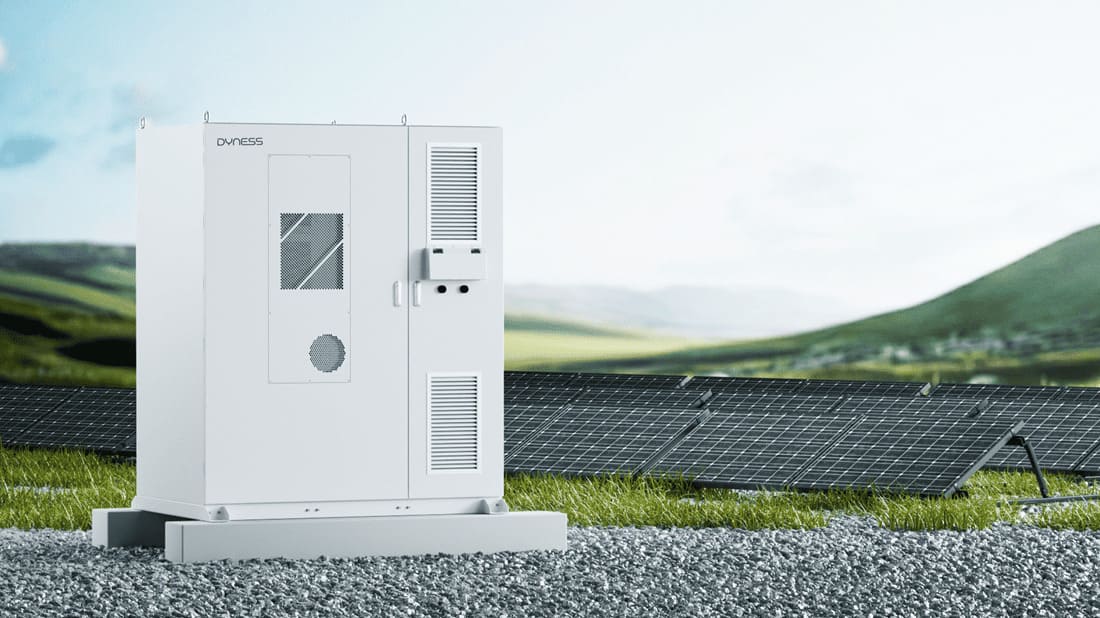
The Dyness DH200Y-C260 system is a 261 kWh liquid-cooled commercial and industrial energy storage system designed for peak shaving, demand charge reduction, backup power, and renewable energy integration.
Safety, Scalability, and Renewable Energy Integration
High-capacity energy arrays located near active corporate offices or processing lines require rigorous manufacturing safety standards. Stable lithium iron phosphate chemistry provides a secure baseline due to its high thermal tolerance and strong molecular structure.
Dyness incorporates an intelligent safety protection framework into each enclosure block. Multi-tier monitoring sensors continuously track internal pressure shifts, individual cell voltages, and moisture thresholds, while automated fault isolation mechanisms respond quickly to abnormal conditions.
Scalability is also essential for commercial and industrial sites, because power requirements often expand as facilities add machine lines, EV fleets, or renewable generation. The Dyness DH200Y-C260 system supports up to 20 units in parallel configurations, allowing project developers to scale local power reserves toward multi-megawatt-hour applications.
For renewable energy integration, a BESS liquid cooling system helps businesses store excess solar generation locally and use it during low-generation or high-tariff windows. This supports higher clean energy utilization, smoother microgrid operation, and better alignment with regional carbon reduction requirements.
Conclusion
To deploy commercial microgrids successfully, operators must prioritize full-cycle thermal systems, chemically stable cells, modular expandability, and intelligent safety protection.
An optimized All-in-one Liquid Cooling System helps protect machinery, reduce peak-demand penalties, stabilize variable solar output, and support long-term commercial energy resilience.
At Dyness, the DH200Y-C260 system supports up to 20 units in parallel, providing businesses with reliable, low-maintenance, and climate-resilient hardware platforms required to improve energy independence and long-term operational stability.
FAQ
-
Q: How much electricity cost can Dyness energy storage save?
 A: There is no fixed saving amount for every user. Savings depend on electricity tariffs, PV generation, battery capacity, load profile, inverter or PCS power, system efficiency, operating strategy, and local regulations.
-
Q: How does Dyness C&I energy storage help businesses save money?
A: Dyness C&I energy storage can support peak shaving, demand charge reduction, time-of-use optimization, PV utilization, and energy management. The exact value depends on the site’s load profile and electricity billing structure.
-
Q: What high electricity cost problems can Dyness energy storage help solve?
A: Dyness energy storage can help address low solar self-consumption, high evening electricity demand, time-of-use price pressure, peak demand charges, low PV utilization, and uncontrolled load peaks, depending on system design and local tariff rules.
Learn More