
























How Should You Choose the Capacity of a Dyness C&I Energy Storage System?


Get notified about new updates, products, tips and tutorials. No spam.
The capacity of a Dyness C&I energy storage system should not be estimated simply based on “how much electricity a company uses in one day.” Instead, the project should first determine the actual required storage power in kW, and then determine the required storage capacity in kWh based on high-price periods, surplus PV energy, or backup duration.
The sizing logic for China’s peak-valley time-of-use tariffs, Europe’s dynamic electricity pricing, PV self-consumption projects, and backup power projects is not the same. The final goal is to match the storage capacity with the actual usable charging and discharging window, rather than simply pursuing a larger battery capacity.

The Core Logic of C&I Energy Storage Capacity Sizing
Many C&I energy storage projects begin with a company’s monthly electricity bill during the early design stage. For example, if a company uses 1MWh of electricity in one month, some may simply divide the monthly consumption by 30 days to estimate how much storage is needed per day.
The problem with this method is that energy storage is not used to cover all electricity consumption throughout the entire day. It is used to shift electricity within specific time periods.
Therefore, sizing should first answer two questions. First, how much power is needed? In other words, how many kW does the storage system need to charge or discharge at a certain moment? Second, how long does this power need to last? The duration determines the final required kWh capacity.
The most basic relationship is:
Energy storage capacity ≈ effective charge/discharge power × effective duration
However, in different application scenarios, the definitions of “effective power” and “effective duration” are completely different.
For example, in fixed peak-valley tariff projects in China, the focus should be on how much load the company actually has during high-price periods that can be replaced by stored energy.
In European dynamic electricity pricing projects, the focus should be on identifying the low-price and high-price windows that truly have arbitrage value each day.
For PV + storage projects, the actual surplus PV power should be calculated.
For backup power projects, the capacity should be configured according to critical loads and the required backup duration.
Key Factors That Affect Dyness C&I Energy Storage Capacity Selection
1. The company’s real load curve
C&I energy storage sizing should preferably use at least one year of 15-minute interval load data, rather than only looking at monthly total electricity consumption.
Assume that a company’s maximum load is 500kW. This does not mean that a 500kW energy storage system is necessarily required.
If the company’s load during most high-price periods is only 200kW, then even if a 500kW PCS is installed, there may not be enough load for the storage system to discharge into.
Therefore, PCS power should mainly be determined by the actual load during the target charging and discharging periods, rather than by the company’s historical maximum load.
2. Local electricity pricing mechanism
In China, C&I energy storage is more commonly used under fixed time-of-use tariffs, including peak, flat, valley, and critical peak periods.
Taking Shanghai summer time-of-use electricity pricing as an example:
[Image: Shanghai summer time-of-use electricity pricing example]
Therefore, the most valuable operation for energy storage is usually not continuous discharge throughout the whole day, but priority coverage of critical peak and peak-price periods.
If the most economically valuable discharge window is approximately 2 hours per day, a storage configuration of around 2 hours should be prioritized.
If the high-price period lasts more than 4 hours, and the company has sufficient load throughout the entire period, increasing storage duration may create additional value.
Europe is different:
[Image: European dynamic electricity pricing example]
Dynamic electricity prices change according to day-ahead or intraday market conditions, and low-price and high-price periods may be different every day.
Using the German market as an example, many negative electricity price hours appeared in 2025. Therefore, European projects are more suitable for historical electricity price backtesting to identify arbitrage windows that truly have value.

Whether the Project Includes PV
PV projects should not determine storage capacity simply by using a rule such as “how many MWh of storage should be paired with 1MW of PV.”
What really needs to be calculated is:
Surplus PV power = PV generation power − real-time company load
Only the portion greater than 0 is surplus PV power that the energy storage system can absorb.
The daily PV energy available for storage can be approximately calculated as:
Daily storable PV energy = Σ (PV power − company load) × time
For example, if a project typically has only 230kWh of surplus PV energy per day, then installing a 500kWh or even 1MWh storage system based only on surplus PV will likely make it difficult to fully charge the battery every day.
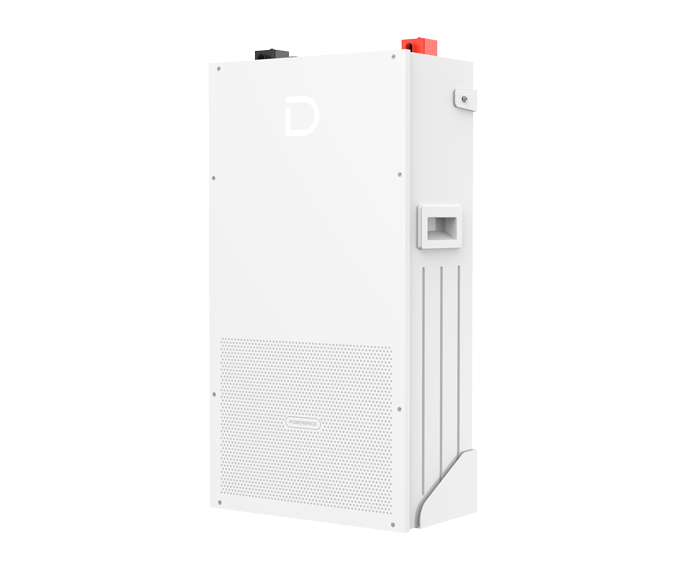
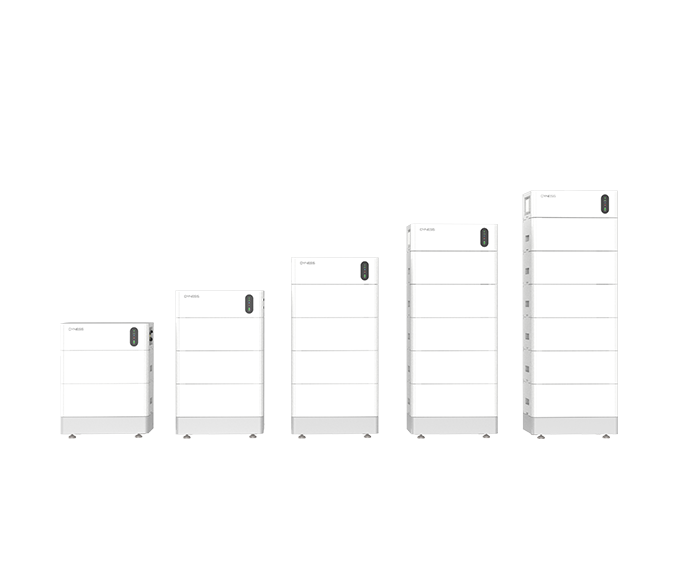
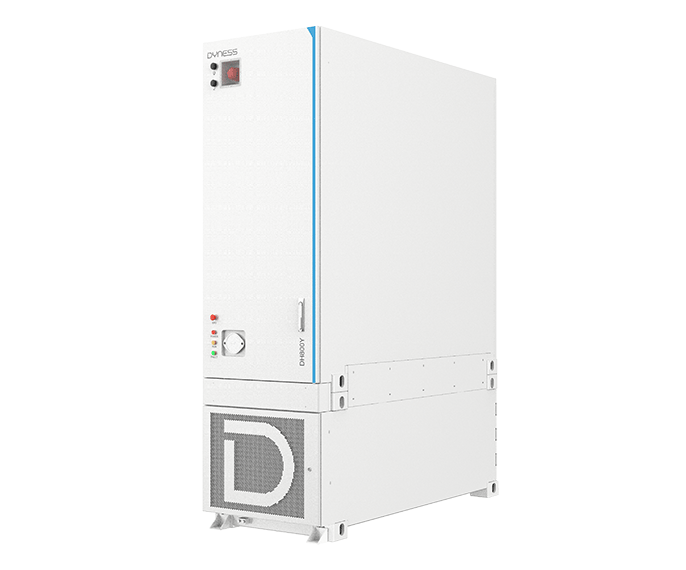
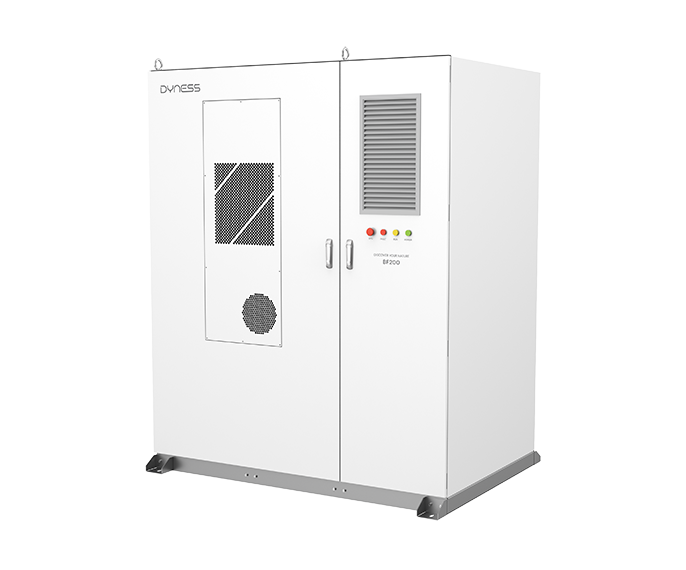
In this case, the 125kW / 261kWh capacity level of Dyness DH200Y-C260 is relatively close to this demand.
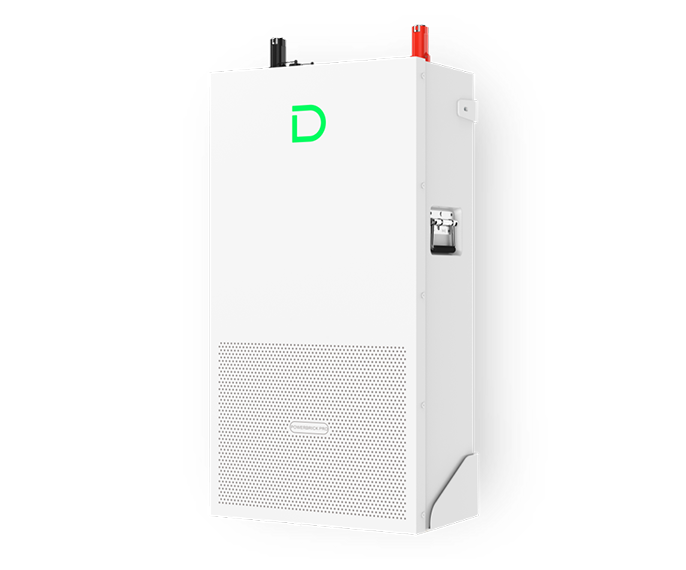
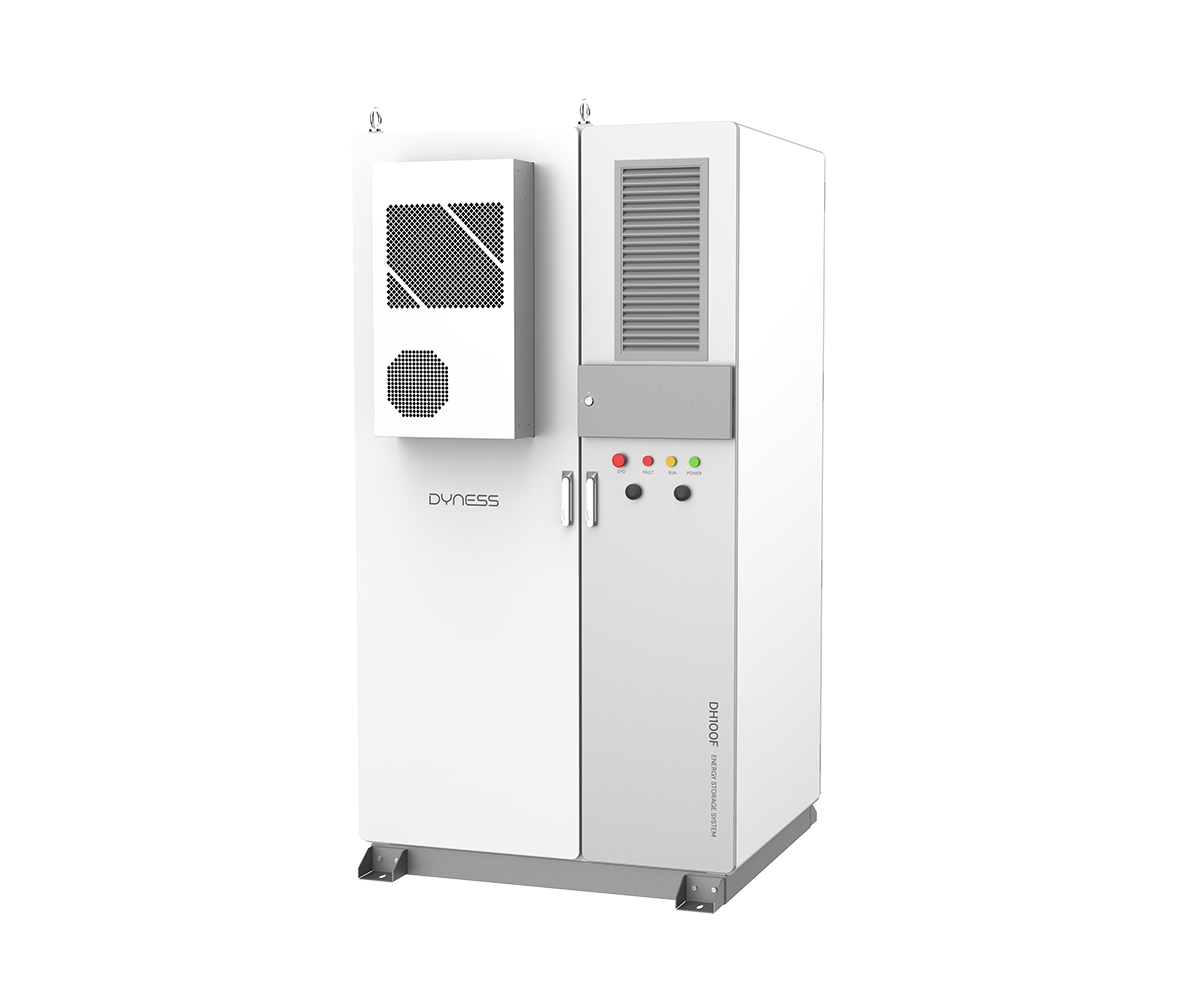
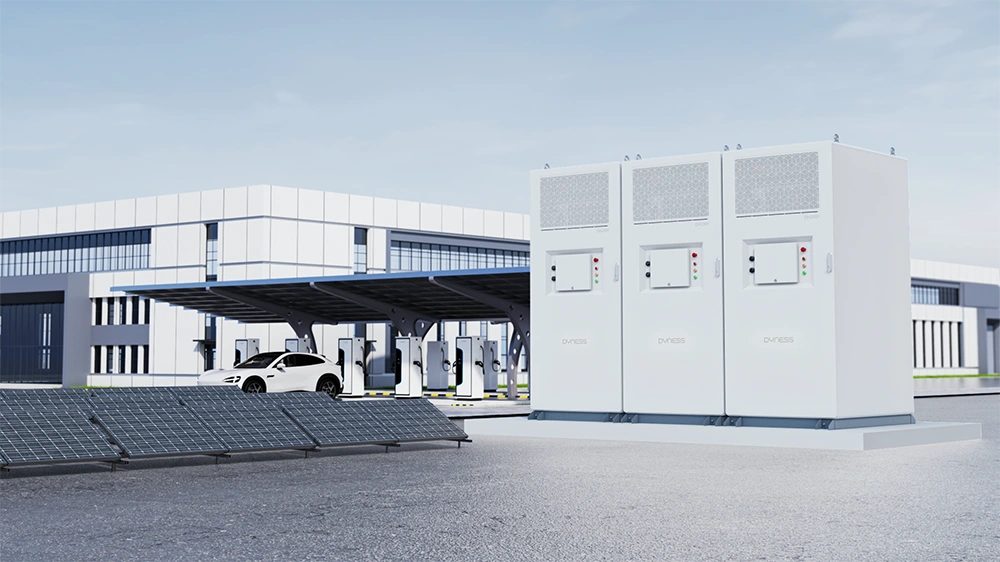
If the project also needs direct PV access, DH200F-C260 provides 261kWh of energy storage capacity and supports up to 252kW PV input with 4 MPPTs.
Whether the High-Price Window Is “Short and Sharp” or “Long and Wide”
This point is especially important for large C&I projects.
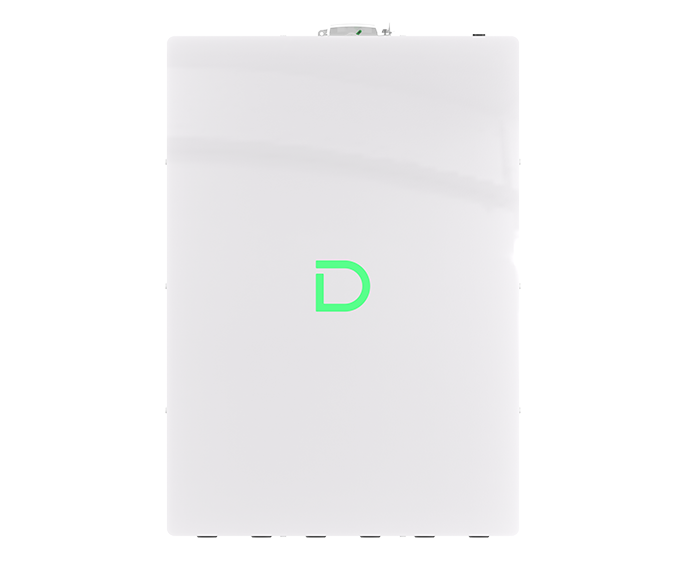
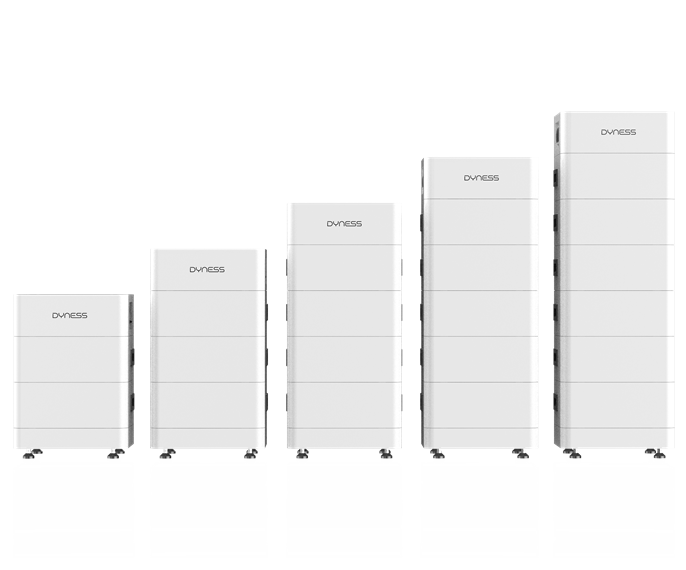
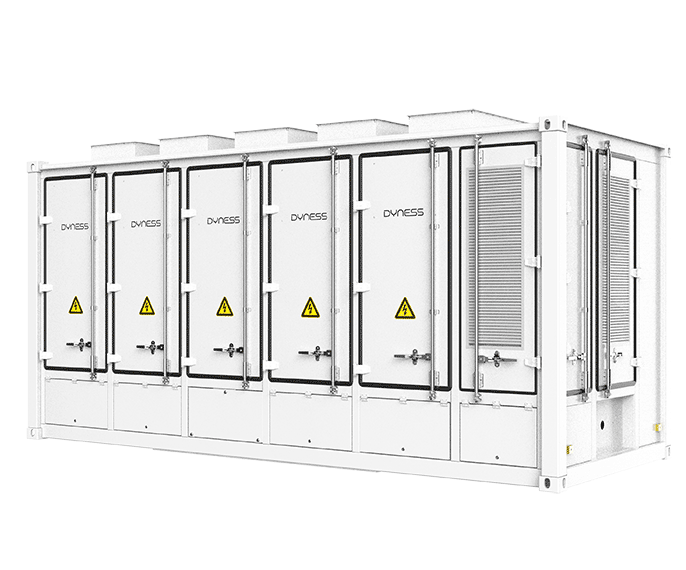
Dyness DH800Y provides two power configurations:
420kW / 836kWh
210kW / 836kWh
If the most valuable high-price period is mainly concentrated within 1 to 2 hours, such as a rapid electricity price increase in the evening, then the 420kW / 836kWh configuration can release more stored low-cost energy within a shorter time. It is more suitable for high-power, short-window arbitrage.
If the high-price period can last 3 to 4 hours, and the company has stable load throughout the entire high-price period, then the 210kW / 836kWh configuration with longer duration may be a better match.
Therefore, the difference between 2H and 4H is not simply about which system has more battery energy. It is about how quickly the same amount of energy needs to be released.
Whether There Is a Backup Power Requirement
If the main goal of the project is backup power during outages, the system should first be sized according to:
Critical load power × required backup duration
It should not be configured based on the company’s total load.
For example, a company may have a very large overall load, but during an outage, only the production control system, servers, fire protection systems, or core production lines need to keep running.
In this case, the energy storage system only needs to prioritize these critical loads.
The PCS determines how much load can be supported at the same time, while the battery capacity determines how long the system can continue operating.
Whether the Next Energy Storage Cabinet Can Be Fully Utilized
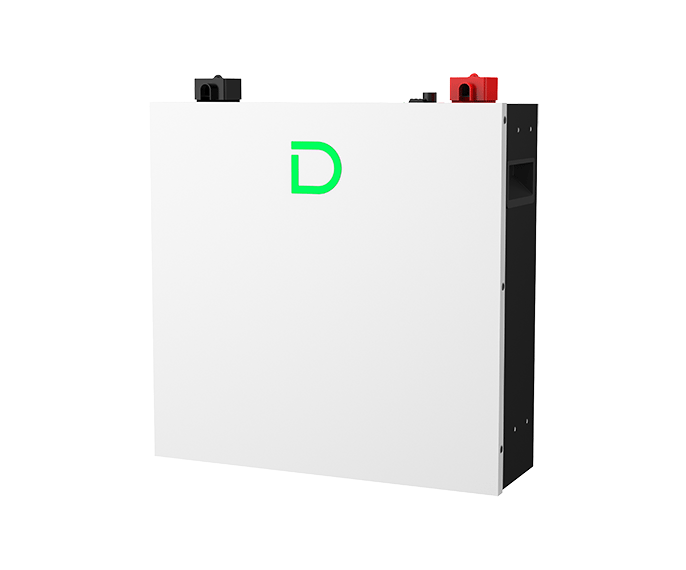
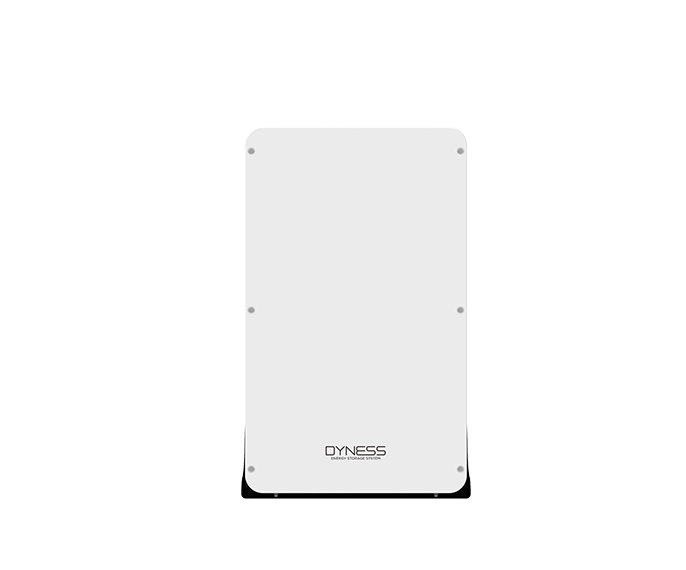
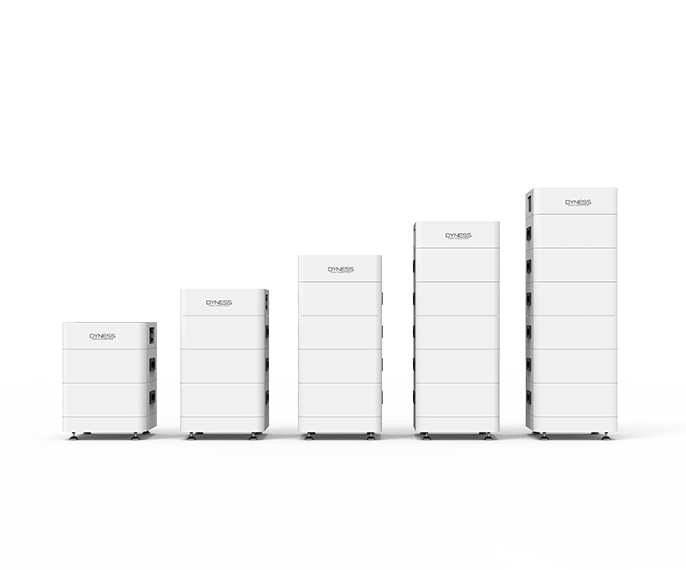
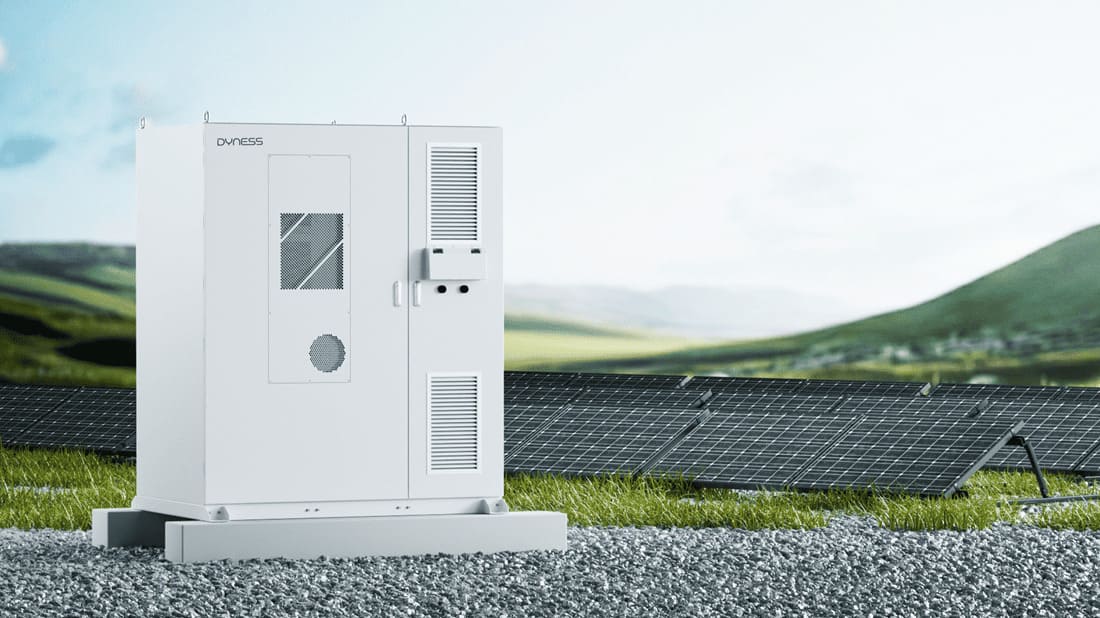
For small and medium-sized projects, a single Dyness DH200Y-C260 cabinet provides:
125kW / 261kWh
It also supports parallel expansion with multiple units.
Assume that the backtesting result shows:
The optimal discharge power is approximately 100 to 125kW.
The main high-price window is approximately 2 hours.
The economically transferable energy per cycle is approximately 200 to 250kWh.
Then one DH200Y-C260 is a reasonable starting point.
If the project’s economically transferable energy increases to around 500kWh, then the project can consider:
2 × DH200Y-C260 = 250kW / 522kWh
The key question is not “whether a second cabinet can be added,” but:
For the additional 261kWh capacity, how many days per year can it really be charged and discharged during valuable time periods?
When the utilization rate and marginal return of the additional storage cabinet decline significantly, capacity expansion should stop.
Common Misunderstandings and Boundary Cases
Misunderstanding 1: If a company uses 1000kWh per day, it should install 1000kWh of storage.
This is incorrect.
Daily electricity consumption only shows the company’s overall energy scale. It does not show how much electricity is suitable for shifting through energy storage.
What really matters is when electricity is used, what the electricity price is during that period, and how much load can be replaced by stored energy.
Misunderstanding 2: The larger the PV system, the larger the storage system should be.
Not necessarily.
If most of the electricity generated by a 1MW PV system can be consumed in real time by the factory, there is no need to configure a large battery simply to “match 1MW PV.”
The actual surplus PV energy should be calculated first. The focus should be on how much PV energy cannot be consumed immediately by the load throughout the year, rather than only looking at installed PV capacity.
Misunderstanding 3: Europe has many negative electricity price hours, so larger storage always makes more profit.
This is also not true.
Negative electricity prices only provide low-cost or even negative-cost charging opportunities.
For storage to generate value, there must also be sufficiently high electricity prices later, and the company or market must have enough discharge space.
If only 2 hours per day truly have high arbitrage value, blindly increasing capacity to 4 hours or longer may significantly reduce the utilization rate of the additional battery capacity.
Misunderstanding 4: 2H is always better than 4H, or 4H is always better than 2H.
There is no absolute answer.
If the high-price period is short and the load is high, a larger power system with faster discharge capability gives 2H configurations an advantage.
If the high-price period is long and the load is stable, a 4H configuration can more easily cover the full high-price window.
Therefore, the decision must be based on both power demand and the duration of the price window.
Which Dyness C&I Energy Storage Solution Fits Which Scenario?
Projects suitable for DH200Y-C260
If the project is in the several-hundred-kWh range and mainly focuses on peak-valley arbitrage, with a main discharge window of around 2 hours, power demand of approximately 100 to 125kW, transferable energy per cycle of approximately 200 to 250kWh, and future parallel expansion needs, then the 125kW / 261kWh DH200Y-C260 is a natural basic configuration.
Projects suitable for DH200F-C260
If the project needs not only energy storage, but also direct PV access, improved PV self-consumption, and on-grid/off-grid functionality, then DH200F-C260 can be further considered.
Projects suitable for DH800Y
For large factories, industrial parks, or MWh-level projects, if higher charge/discharge power or longer duration is required, different DH800Y power configurations can be selected according to load and electricity price windows.
The 420kW / 836kWh configuration is more suitable for high-power applications of around 2 hours, while the 210kW / 836kWh configuration is more suitable for longer-duration applications of around 4 hours.
Projects not suitable for direct large-capacity configuration
The following situations are not suitable for increasing capacity based only on experience:
No 15-minute interval load data is available.
The actual peak-valley electricity price is unclear.
The company’s load during high-price periods is very low.
Almost all PV energy can be consumed in real time.
There is not enough low-price charging window every day.
After adding the next cabinet, most of the additional capacity remains idle most of the time.
In these cases, data analysis and revenue backtesting should be completed first before deciding whether to increase storage capacity.
Final Takeaway
The core principle of Dyness C&I energy storage sizing can be summarized as follows:
For peak shaving, look at how many kW need to be reduced and how long the peak lasts.
For peak-valley arbitrage, look at how much electricity can be shifted during high-price periods.
For PV + storage, look at how much surplus PV energy is truly available each day.
For backup power, look at how long the critical loads need to be supported.
For European dynamic electricity pricing, look at how wide the profitable price window really is.
The final step is to calculate the project’s real required kW and kWh first, and then match it with products such as DH200Y-C260, DH200F-C260, and DH800Y.
The correct approach is not to choose an energy storage cabinet first and then force the project to fit the product. Instead, the storage system should be selected based on the project’s real load, electricity price mechanism, PV surplus, backup needs, and economic utilization rate.
FAQ
-
Q: Should Dyness C&I energy storage be sized according to a company’s daily electricity consumption?

A: No. Daily electricity consumption can only help understand the company’s overall energy scale. What energy storage really needs to match is the load during target time periods and the amount of energy that can be shifted. The first step is to determine how many kW are needed. Then determine how many hours this power needs to last. This gives the final kWh requirement.
-
Q: If the load is 200kW, should I configure a 200kW PCS?
A: Not necessarily. If 200kW is only the company’s maximum load, while the load during the real high-price period is only 120kW, then a PCS of around 125kW may already cover most of the economic value. PCS power should be selected according to the effective load during the target charging and discharging window, rather than simply according to the maximum load.
-
Q: If I have 1MW of PV, how much storage should I configure?
A: It cannot be judged only by the installed PV capacity of 1MW. The PV generation curve and company load curve should be overlaid to calculate how much surplus PV energy is really available at noon. If there is only around 250kWh of surplus PV energy per day, then a 261kWh-level storage system may already be very close to the actual demand. If more than 800kWh of surplus PV energy exists consistently every day, then a larger storage system can be considered.
Learn More