






















Can Dyness C&I Energy Storage Systems Support DC-Side Capacity Expansion?


Get notified about new updates, products, tips and tutorials. No spam.
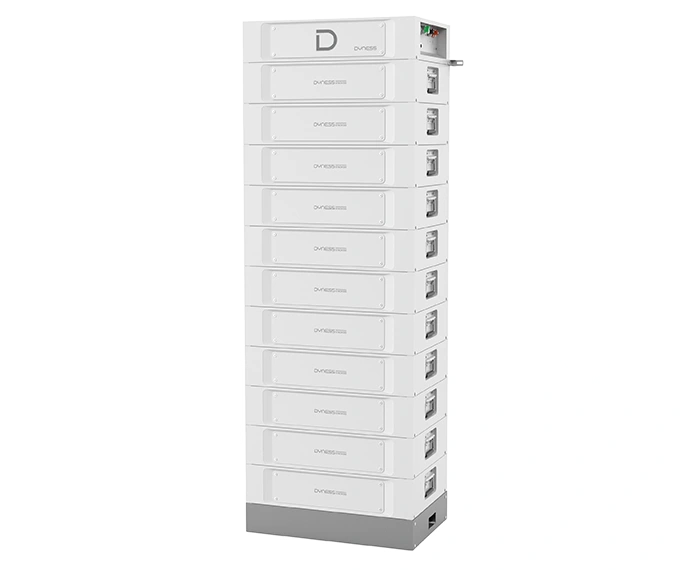
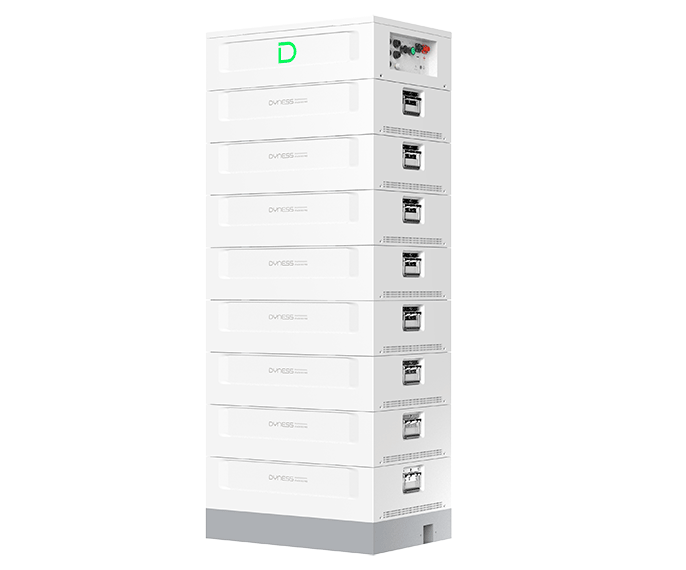
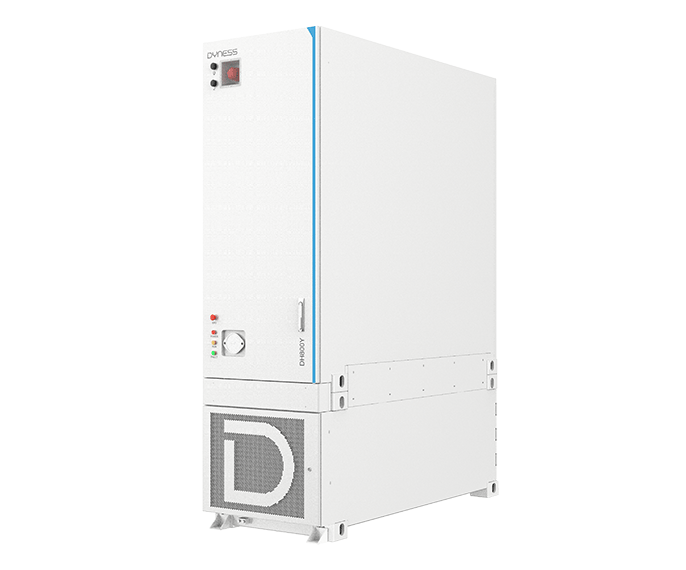
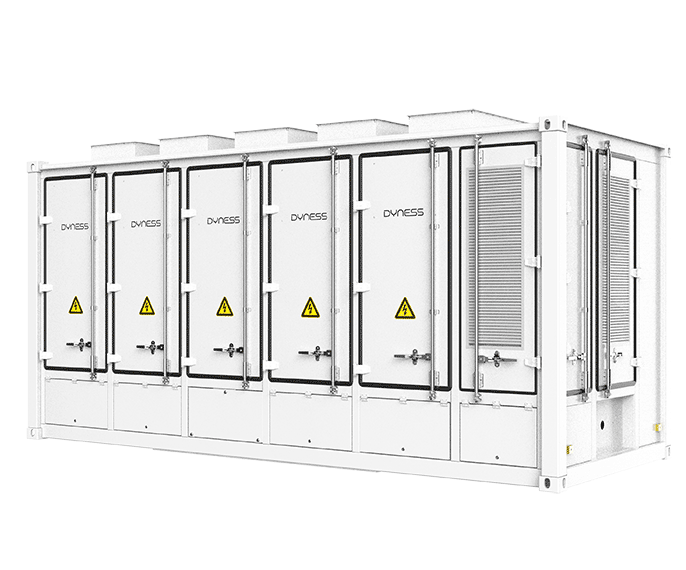
Some Dyness C&I energy storage platforms, such as the DH200F Series and POWER-DM Series, can support DC-side battery cluster expansion under approved system configurations.
DC-side expansion is mainly used when a project needs more battery capacity without increasing the rated AC output power of the PCS. By adding battery clusters, BDU units, DC wiring, and communication connections on the DC side, the system can extend discharge duration, improve PV surplus absorption, support longer backup time, and enhance peak-valley energy management while keeping the AC-side power architecture largely unchanged. Final feasibility should always be confirmed through project assessment, product documentation, battery consistency checks, and local electrical requirements.

What Is DC-Side Expansion in C&I Energy Storage?
DC-side capacity expansion means increasing the battery energy capacity of an energy storage system by adding battery clusters on the DC side, while the rated AC output power of the PCS remains unchanged.
For supported Dyness C&I platforms, this approach can allow projects to increase storage capacity without replacing the PCS power unit or significantly modifying the AC grid-connection cabinet, external AC cables, or main AC-side power architecture.
In practical terms, DC-side expansion is not designed to increase system output power. It is designed to increase how long the system can discharge at the existing power level.
This makes it suitable for users who already have enough PCS power but need longer energy duration, higher PV absorption capacity, extended backup time, or stronger peak-valley energy shifting capability.
Typical supported directions may include DH200F Series and POWER-DM Series projects, depending on the specific model, system design, battery configuration, BDU capacity, site conditions, and official Dyness technical guidance.
Why Choose DC Expansion Instead of Full AC-Side Expansion?
Traditional expansion is often achieved by adding another complete energy storage unit on the AC side. This may increase both system power and capacity, but it can also involve higher equipment costs, more complex grid-connection review, additional AC cabinets, cable upgrades, and longer project modification work.
DC-side expansion focuses on projects where the main requirement is additional energy capacity rather than higher output power. The original PCS power rating remains the same, while additional battery capacity is added to extend discharge time.
| Expansion Method | What Changes | Typical Fit |
|---|---|---|
| DC-side battery expansion | Adds battery clusters, BDU units, DC cables, and communication connections while keeping PCS rated AC power unchanged. | Projects that need longer discharge duration, more usable energy, or higher PV absorption without increasing grid-side power. |
| AC-side full unit expansion | Adds another PCS or complete energy storage unit, increasing both system power and capacity. | Projects that need both higher discharge power and more energy capacity. |
For many retrofit projects, DC-side expansion can reduce modification complexity because the original AC-side equipment and grid-connection structure may be reused. However, the final design still depends on site conditions, existing equipment status, battery consistency, system limits, and local approval requirements.

Typical Applications of Dyness DC-Side Expansion
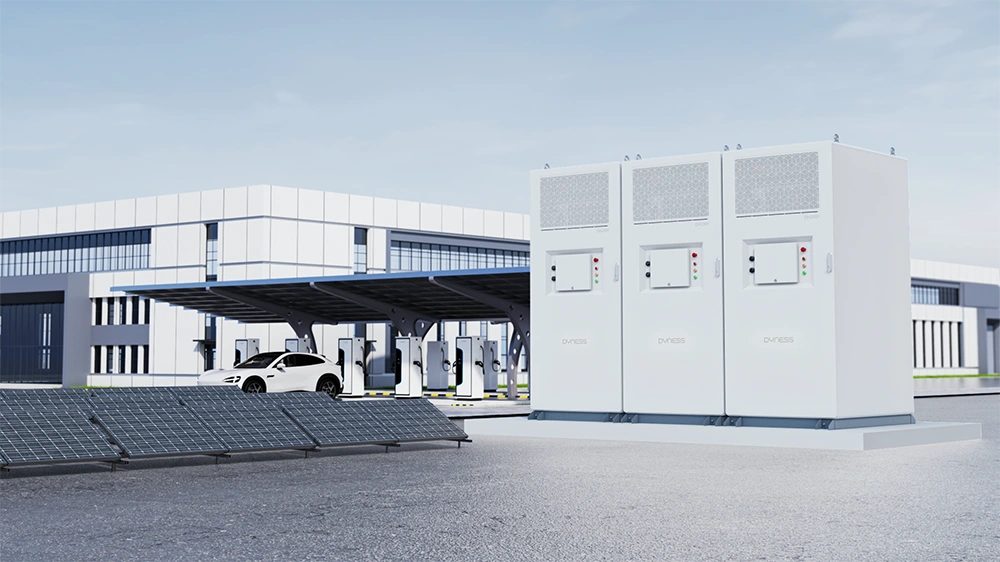
DC-side capacity expansion is especially useful when the project already has an operating energy storage system and the main problem is insufficient energy duration rather than insufficient PCS power.
| Application Scenario | How DC Expansion Helps |
|---|---|
| Existing PV-storage site upgrade | When rooftop PV is expanded in phases, additional battery capacity can store more surplus solar energy and reduce PV curtailment or export limitation. |
| Backup duration extension | If the original backup power is sufficient but the backup time is too short, adding DC-side battery capacity can extend operating duration for critical loads. |
| Peak-valley arbitrage upgrade | More battery capacity can help store more off-peak electricity and extend discharge during peak-price periods, improving the value of time-of-use energy management. |
| Seasonal demand charge control | During peak production seasons or high cooling loads, longer discharge duration can help smooth load peaks and support demand control strategies. |
| Demand response or grid service participation | If PCS response performance is sufficient but stored energy is limited, added battery capacity can support longer dispatch tasks where permitted by project rules. |
These applications have one thing in common: the project needs more kWh, not necessarily more kW. This is the core reason why DC-side expansion can be valuable for selected C&I energy storage retrofit projects.
Key Conditions for DC Expansion Feasibility
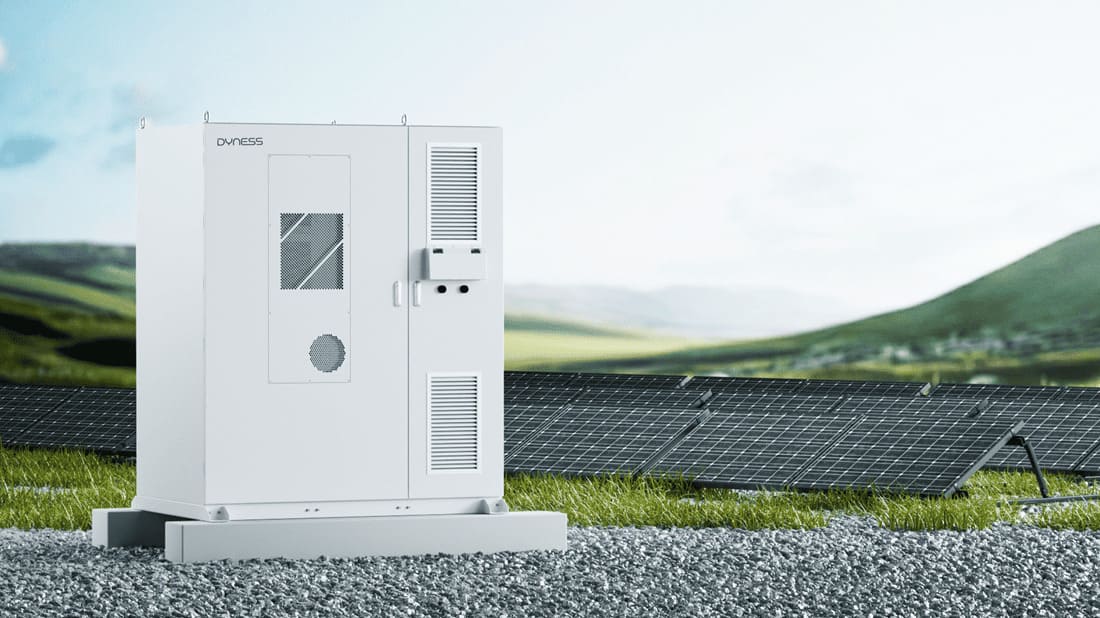
Not every C&I energy storage project can be expanded on the DC side. Feasibility depends on product design, battery consistency, remaining system margin, site space, and project compliance requirements.
| Feasibility Factor | What Must Be Confirmed |
|---|---|
| Product hardware margin | The DC bus, BDU, auxiliary power design, current capacity, and communication architecture must support additional battery clusters within approved limits. |
| Battery consistency | New battery clusters should match the existing system in voltage range, cell type, battery specification, BMS communication, and approved operating conditions. |
| Battery age and health | If the existing batteries are too old, have large voltage deviation, or show inconsistent internal resistance, direct DC parallel expansion may not be suitable. |
| Installation space | The site must provide enough space for additional battery cabinets, DC cable routing, communication wiring, ventilation, maintenance access, and safety clearance. |
| Protection and compliance | DC cable current rating, BDU protection, insulation, fire safety space, internal electrical acceptance, and local approval requirements should be checked before construction. |
Before expansion, a feasibility assessment should be completed. This may include PCS DC bus inspection, BDU current capacity check, existing battery voltage and internal resistance consistency review, DC cable capacity calculation, communication verification, and installation space assessment.
Common Misunderstandings About DC-Side Expansion
Myth 1: Battery clusters can be stacked without limit on the DC side.
DC expansion has clear technical limits. If battery clusters exceed the approved DC access capacity, the system may face cable overheating, circulating current, BDU protection trips, or unstable operation. Expansion should always follow Dyness maximum DC access limits and project-specific design rules.
Myth 2: Batteries from different periods or specifications can be directly connected in parallel.
Mixing old batteries with new or different-specification battery clusters may create circulating current, accelerated aging, and protection faults. DC-side expansion should use approved Dyness battery cluster combinations, and the operating age difference should remain within the applicable expansion requirements.
Myth 3: Only one cabinet in a multi-unit system needs to be expanded.
For multi-unit parallel systems, expansion should be evaluated at system level. In many cases, cabinets need consistent battery specifications and capacity configuration to maintain balanced operation. Whether partial expansion is allowed should be confirmed through official project assessment.
Myth 4: DC expansion can increase PCS output power.
DC expansion increases usable battery capacity in kWh, not the rated AC output power in kW. If a project needs both higher power and higher capacity, AC-side multi-PCS expansion or additional complete system units may be required.
Final Takeaway
Dyness C&I DC-side expansion is designed for projects that need more battery capacity while keeping the original PCS rated AC output power largely unchanged.
For supported platforms such as DH200F Series and POWER-DM Series, DC-side battery cluster expansion can help improve PV surplus absorption, extend backup duration, enhance peak-valley arbitrage, support demand control, and increase available energy for longer dispatch tasks.
However, DC-side expansion is not a universal solution. It must be based on approved product design, BDU capacity, DC bus limits, battery consistency, installation space, system protection, and local electrical requirements.
For C&I users, the key question is not simply whether more batteries can be added. The real question is whether the added battery capacity matches the original system architecture, operating strategy, project economics, and long-term safety requirements.
FAQ
-
Q: Which Dyness products can support DC-side expansion?

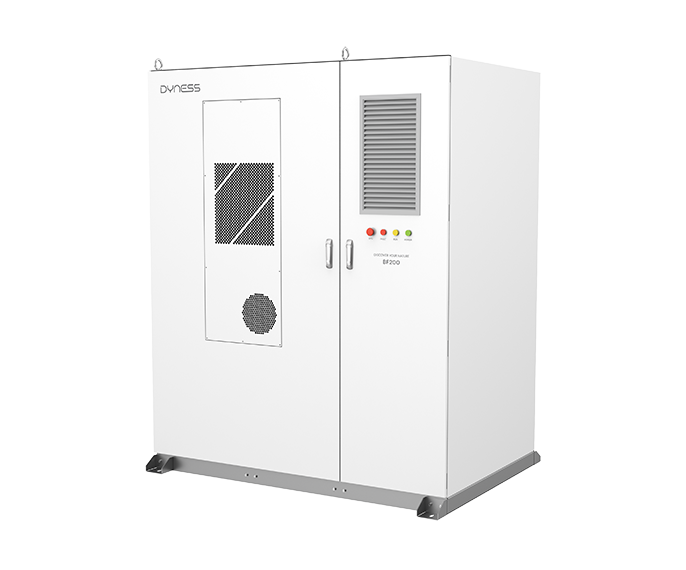
A: Under approved system configurations, Dyness DH200F Series and POWER-DM Series can support DC-side battery cluster expansion. For example, DH200F-C260 can be matched with BF200-C260 for longer-duration grid-connected applications such as peak-valley arbitrage, PV surplus absorption, and demand shaving. POWER-DM with BF200-C260 can support selected off-grid expansion scenarios. Final compatibility should be confirmed with Dyness technical documentation and project assessment.
-
Q: Can DC-side expansion increase PCS power?
A: No. DC-side expansion increases usable battery capacity in kWh, but the rated AC output power of the PCS in kW remains unchanged. If the project needs both higher power and higher capacity, an AC-side multi-PCS or complete system expansion solution may be required.
-
Q: Is DC-side expansion faster than adding another complete energy storage unit?
A: In many suitable retrofit projects, DC-side expansion can reduce modification work because the AC grid-connection cabinet, transformer interface, and external AC cables may remain largely unchanged. However, the actual construction period depends on site conditions, battery cabinet placement, DC wiring, commissioning work, and local acceptance requirements.
Learn More