








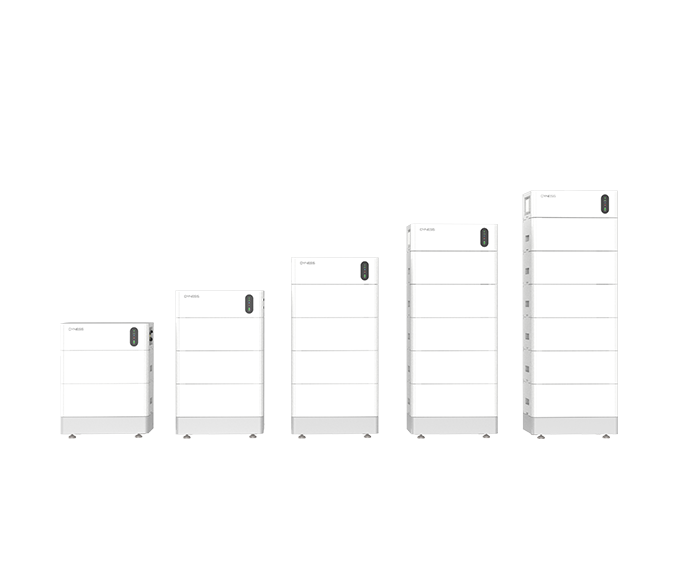
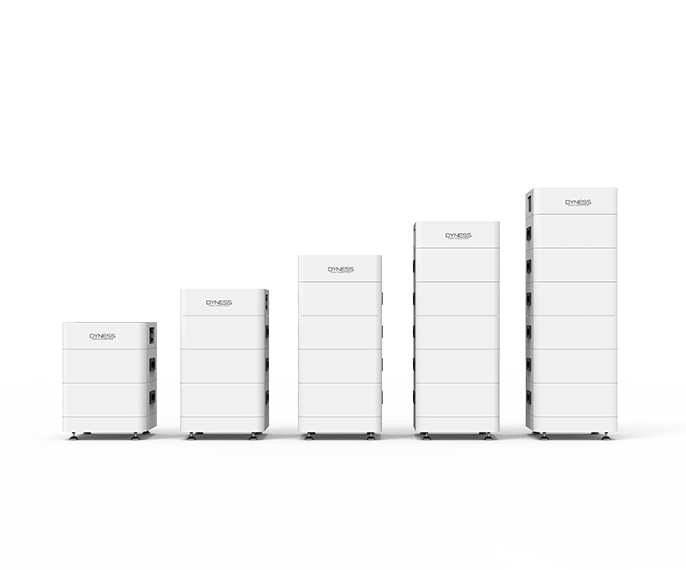
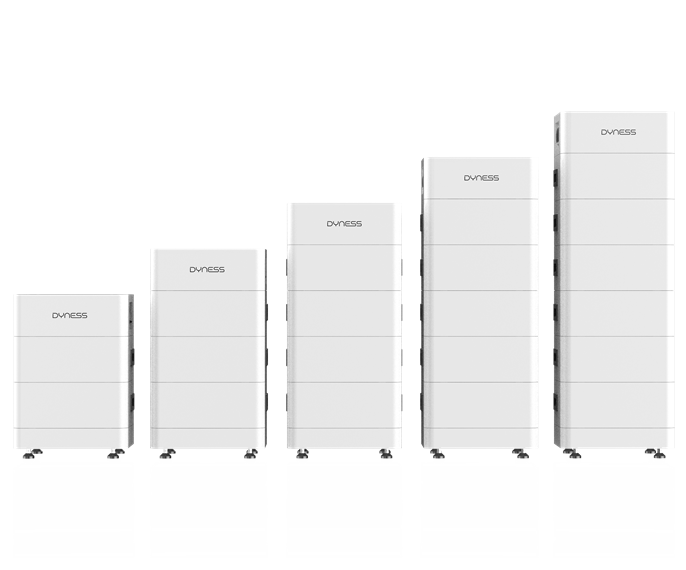
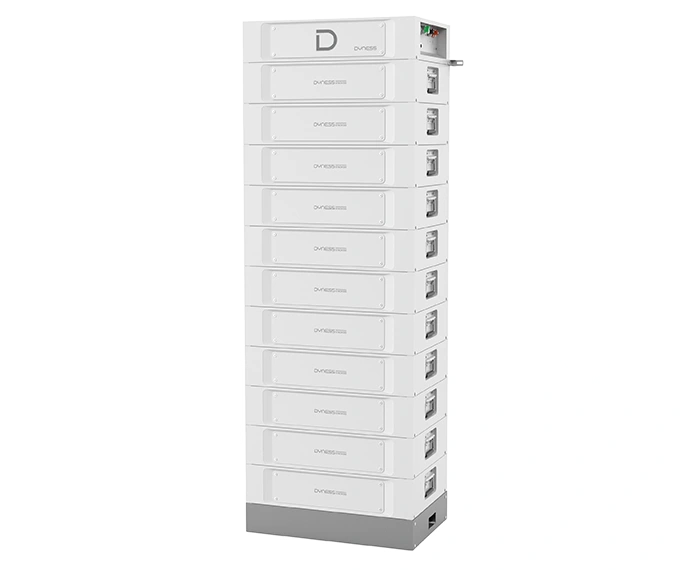
















Typical Configurations for Dyness C&I Energy Storage: Strategic Solutions for Energy Resilience


Get notified about new updates, products, tips and tutorials. No spam.
Dyness Commercial and Industrial Energy Storage Systems are designed to help businesses reduce energy costs, improve power reliability, optimize electricity use, and support renewable energy integration.
Typical C&I energy storage configurations include solar self-consumption, emergency backup, peak shaving and valley filling, demand charge optimization, and auxiliary power trading. The right configuration depends on load profile, tariff structure, grid stability, renewable energy resources, and project-specific operating goals.

1. The Logic Behind Dyness C&I Energy Storage Configurations
Commercial and industrial energy storage is not a one-size-fits-all solution. Different businesses have different load curves, electricity tariff structures, grid conditions, backup requirements, and renewable energy resources.
For this reason, the configuration logic of Dyness C&I energy storage systems starts from one core question: what energy problem does the business need to solve?
Some enterprises need to reduce electricity bills through peak shaving. Some need backup power to protect production continuity. Others want to improve solar self-consumption, participate in energy flexibility markets, or build a more resilient energy infrastructure.
Dyness C&I ESS solutions are designed to support this transition from passive electricity consumption to proactive energy management. By combining battery storage, intelligent control, long-cycle battery design, and system-level configuration, Dyness helps businesses build energy storage systems that match both current needs and long-term operational goals.
2. Five Typical Dyness C&I Energy Storage Configurations
Based on common commercial and industrial energy needs, Dyness C&I energy storage systems can be configured for several typical application scenarios. Each configuration focuses on a different value driver, such as cost reduction, backup reliability, renewable energy utilization, or grid interaction.
| Configuration | Main Application | Core Business Value |
|---|---|---|
| Solar self-consumption | Stores excess PV generation and uses it later when business load increases. | Improves renewable energy utilization and reduces grid electricity purchases. |
| Emergency backup | Provides power support for critical loads during outages or grid instability. | Reduces downtime risk and supports operational continuity. |
| Peak shaving and valley filling | Charges during low-price periods and discharges during high-price periods. | Helps reduce electricity procurement costs under time-of-use tariffs. |
| Demand charge optimization | Discharges during short load peaks to flatten the enterprise load curve. | Helps control maximum demand and reduce demand-based charges. |
| Auxiliary power trading | Supports frequency regulation or other grid services where market rules allow. | Creates potential value-added revenue while supporting grid stability. |
3. Solar Self-Consumption and Emergency Backup
Solar self-consumption is one of the most common configurations for C&I users with existing or planned PV systems. During the day, solar generation may exceed real-time business demand. Instead of exporting all surplus energy to the grid, an energy storage system can store part of that electricity and release it later during evening hours, cloudy periods, or higher-price time windows.
For C&I users, this configuration can help reduce electricity procurement costs, improve renewable energy utilization, and support carbon reduction goals. It is especially suitable for businesses with large daytime solar generation and a load profile that does not perfectly match PV output.
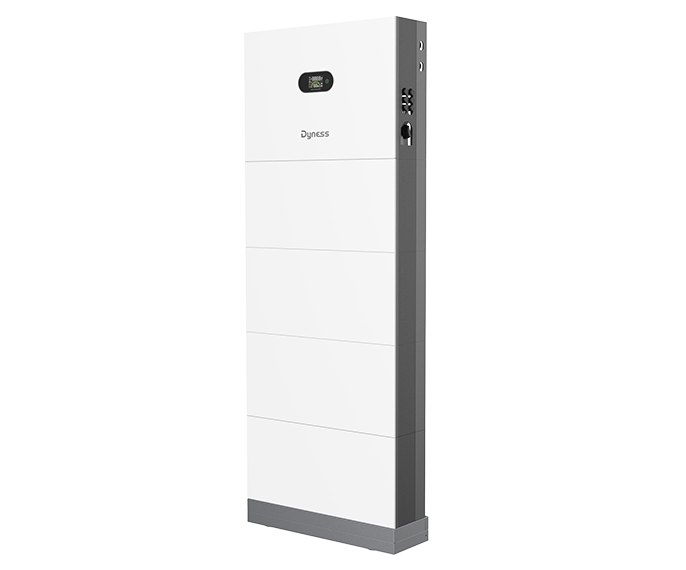
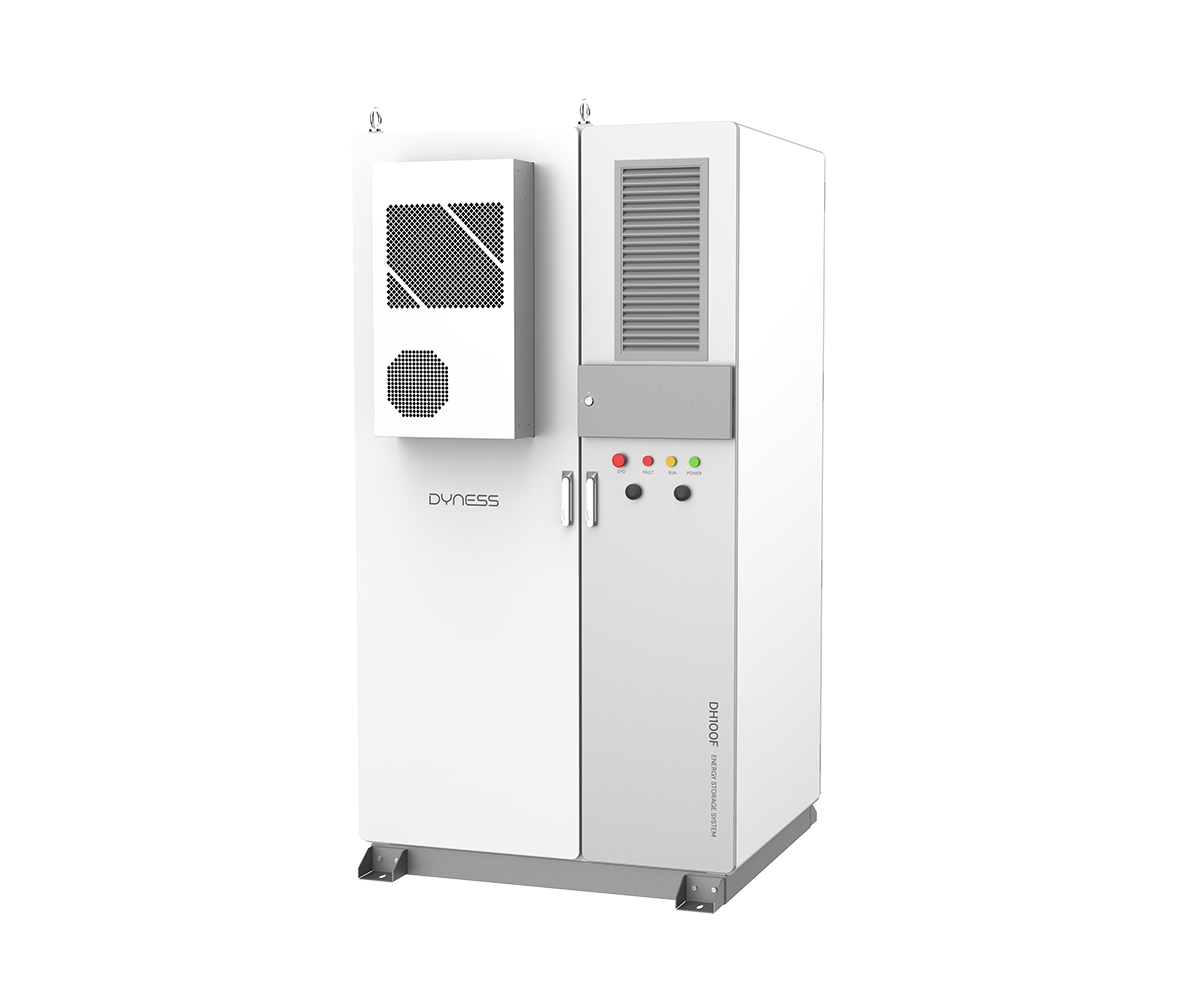
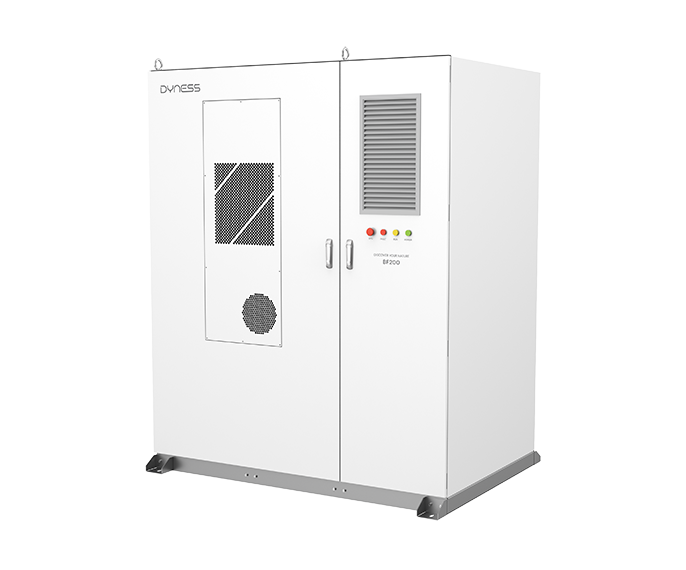
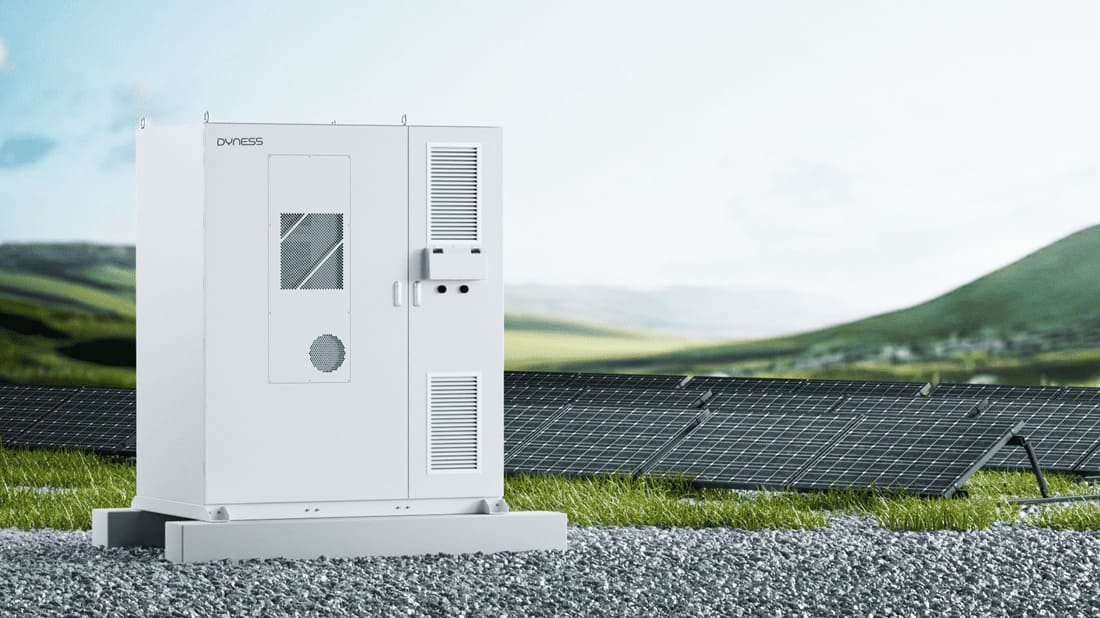
Dyness DH200F can be considered for solar integration scenarios depending on project design and configuration requirements. Its all-in-one cabinet design and optional multi-channel MPPT support can help simplify certain PV-storage system layouts.
Emergency backup is another important C&I configuration. For factories, warehouses, service centers, cold-chain facilities, data-related operations, or other critical-load environments, even a short outage may cause production interruption, equipment downtime, or financial loss.
In backup-oriented projects, the system should be designed around critical load size, backup duration, switching requirements, inverter capacity, safety rules, and local grid conditions. Dyness DH200F supports fast on-grid and off-grid switching, making it suitable for projects where emergency power continuity is a key requirement.

4. Peak Shaving, Demand Charge Optimization, and Auxiliary Power Trading
Peak shaving and valley filling is often the core cost-reduction configuration for C&I users. The system charges during off-peak or low-price periods and discharges during peak or high-price periods, helping reduce the amount of electricity purchased from the grid during expensive time windows.
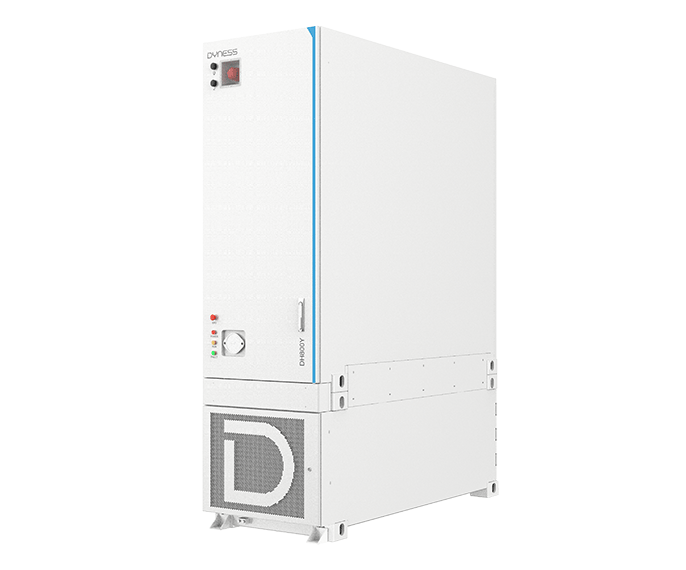
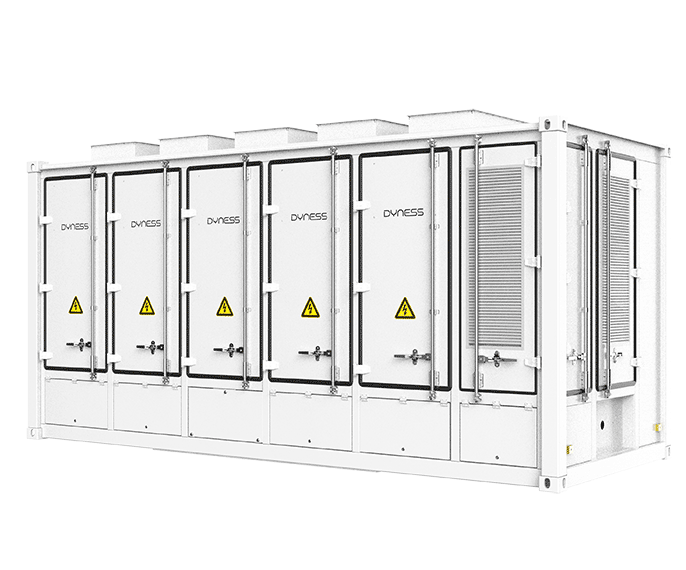
This configuration is most valuable in markets with clear time-of-use tariffs or significant peak-to-valley price differences. Dyness DH200Y liquid-cooled C&I energy storage systems can support grid-tied cost optimization projects where high energy density, stable thermal control, and intelligent scheduling are required.
Demand charge optimization focuses on reducing short-term power peaks. In many commercial tariff structures, businesses are charged not only for total energy consumption, but also for their maximum demand during a billing period. Energy storage can discharge during peak load moments to flatten the load curve and help control demand charges.
This configuration is especially useful for users with large load fluctuations, high-power equipment, intermittent production peaks, EV charging, or demand charges that account for a significant share of the total electricity bill.
Auxiliary power trading may be considered where local energy markets allow businesses to participate in frequency regulation, flexibility services, or other grid-support mechanisms. In these projects, fast response, intelligent control, battery cycling capability, and system stability become especially important.
Dyness liquid-cooled solutions such as DH200Y and larger-scale products such as DH800Y can be evaluated for grid-interactive applications depending on project scale, grid access requirements, market rules, and technical qualification standards.

5. Key Factors That Influence C&I ESS Configuration
The best C&I energy storage configuration should be based on a detailed understanding of the user’s energy structure, electricity bill model, site conditions, and long-term operating goals.
| Key Factor | Why It Matters |
|---|---|
| Regional policy and grid environment | Tariff policies, subsidies, interconnection rules, and grid access requirements determine which configuration is practical. |
| Capacity and power matching | Battery capacity and power output should match daily consumption, peak load, and backup expectations. |
| Tariff mechanism | The larger the peak-to-valley price difference, the stronger the economic case for cost-reduction configurations. |
| Grid stability | Frequent outages increase the value of backup configurations, while stable grids may prioritize cost optimization. |
| Load profile and energy structure | High load fluctuation favors demand charge optimization, while PV or wind users may prioritize self-consumption. |
Before selecting a system, businesses should collect load data, electricity bills, tariff rules, PV generation data if available, critical load requirements, and site installation conditions. This information is essential for choosing the right Dyness C&I ESS configuration.
6. Common Pitfalls When Choosing a C&I Energy Storage Configuration
Myth 1: Choosing only based on price is enough.
Initial price matters, but it should not be the only decision factor. Grid access requirements, load characteristics, backup needs, product capability boundaries, and long-term operating value can all affect the final result. A lower upfront cost may not always lead to better project economics.
Myth 2: The larger the capacity, the better.
Oversized systems can increase investment cost and reduce ROI if the extra capacity is not effectively used. Proper sizing should be based on actual load curves, tariff mechanisms, solar generation, backup duration, and expected operating strategy.
Myth 3: Long-term O&M can be ignored.
C&I energy storage is a long-term energy asset. Intelligent monitoring, thermal management, maintenance access, safety design, and product lifecycle performance should be considered from the beginning. Ignoring long-term operation and maintenance may increase total project cost.
Myth 4: One configuration can solve every business problem.
A system designed for peak shaving may not automatically be the best choice for backup power. A system designed for auxiliary services may require different response performance and grid access conditions. Each project should define its primary objective before final configuration.
7.Conclusion
Typical Dyness C&I energy storage configurations include solar self-consumption, emergency backup, peak shaving and valley filling, demand charge optimization, and auxiliary power trading. Each configuration solves a different business energy problem.
The right solution should be selected based on load profile, tariff mechanism, grid stability, renewable energy resources, backup requirements, site conditions, and long-term return expectations.
For businesses, C&I ESS is not simply a battery cabinet. When properly designed, it can become a strategic energy asset that supports cost reduction, energy resilience, renewable energy utilization, and more proactive energy management.
FAQ
-
Q: What is the priority for PV enterprises choosing the Dyness Self-Consumption configuration?

A: Focus on three points: the match between PV generation and load, the alignment of local solar resources with battery capacity, and the compliance of product standards with grid access policies.
-
Q: What is the first consideration for an Emergency Backup configuration?
A: First, evaluate grid stability and outage frequency; second, calculate the power demand of critical loads; and finally, focus on the system’s rapid switching capability (≤20ms).
-
Q: How can I maximize returns in regions with dynamic electricity pricing?
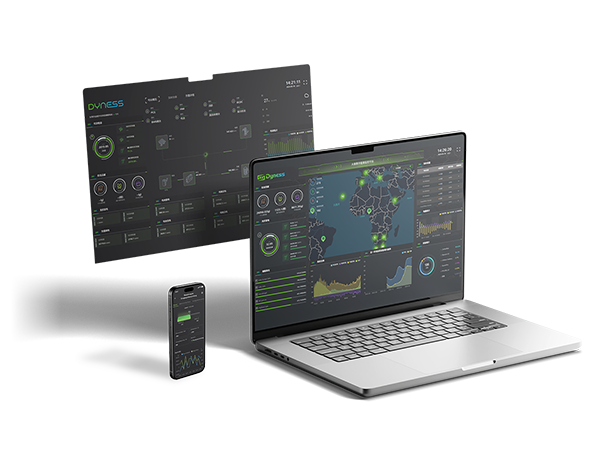
A: Leverage the Dyness Intelligent Management Platform to set price thresholds. The system automatically executes "off-peak charging and peak discharging" while flexibly adjusting based on the load to avoid peak-on-peak conflicts.
Learn More