






















Top Solutions for Solar Installers: Maximizing Grid Independence for Clients


Get notified about new updates, products, tips and tutorials. No spam.
For solar installers, maximizing client value increasingly means going beyond photovoltaic generation alone. Energy storage can help balance variable solar production, reduce peak grid demand, increase local solar consumption, and strengthen power resilience across commercial and industrial projects.
Choosing the right solar energy storage solution requires careful evaluation of load profiles, grid interaction, battery chemistry, expansion capability, inverter compatibility, thermal management, and long-term project requirements.

Turn Solar Projects into More Flexible Local Energy Systems
Commercial and industrial clients increasingly face grid volatility, rising peak-demand costs, and constraints on how much distributed solar generation can be absorbed locally or exported to the grid.
Solar generation may also peak at times when facility consumption is relatively low. Without storage, part of this clean electricity can be exported at lower value or curtailed when local grid capacity is limited.
Battery storage gives solar installers a way to transform a standard PV project into a more flexible local energy system. Surplus generation can be stored and used later during high-load, high-tariff, or low-solar periods, helping improve self-consumption and reduce reliance on external utility supply.
Add Peak Shaving and Load Balancing to the Solar Value Proposition
Commercial facilities often experience concentrated electricity demand during production shifts, HVAC operation, EV charging, or other high-load periods. Drawing large amounts of power from the grid during these windows can increase energy costs and place additional pressure on local electrical infrastructure.
Energy storage allows installers to add peak shaving and load balancing to the original solar project. The battery can charge during periods of lower demand or surplus solar generation and discharge when facility demand rises.
This operating strategy can help reduce peak grid purchases, smooth facility load curves, and improve the economic value of the overall solar-plus-storage project.
For solar installers, these capabilities also create a stronger pre-sales value proposition by connecting system design with measurable energy management objectives rather than focusing only on installed PV capacity.

Reduce Solar Curtailment and Support Grid Services
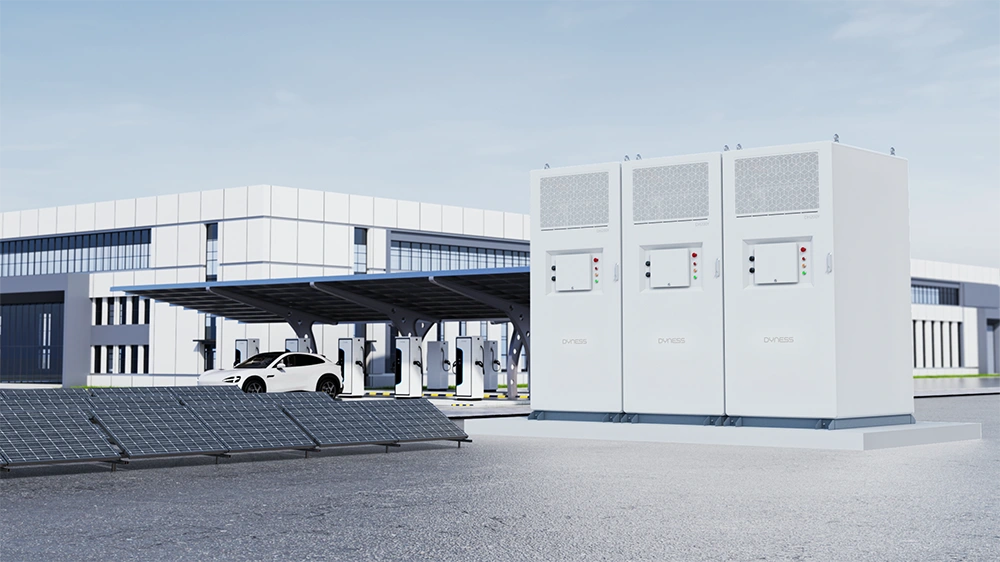
Large solar projects may encounter grid export restrictions or renewable curtailment when local networks cannot absorb all available generation. Adding battery storage allows excess solar energy to be captured locally instead of being immediately exported or curtailed.
The stored energy can then be used during evening demand, high-price periods, or other operating windows where it creates greater value for the client.
In larger grid-connected projects, energy storage can also support applications such as frequency regulation and other grid-support functions when the system architecture, controls, and local market rules allow.
Fast-response battery systems can adjust charging or discharging in response to changing grid conditions, making storage an important tool for projects that need both renewable energy optimization and more responsive grid interaction.
Design for Capacity Growth and Infrastructure Constraints
Commercial energy demand can increase significantly after the initial solar project is commissioned. New production lines, larger buildings, EV fleets, or additional electrical equipment may push facilities closer to transformer or grid-connection limits.
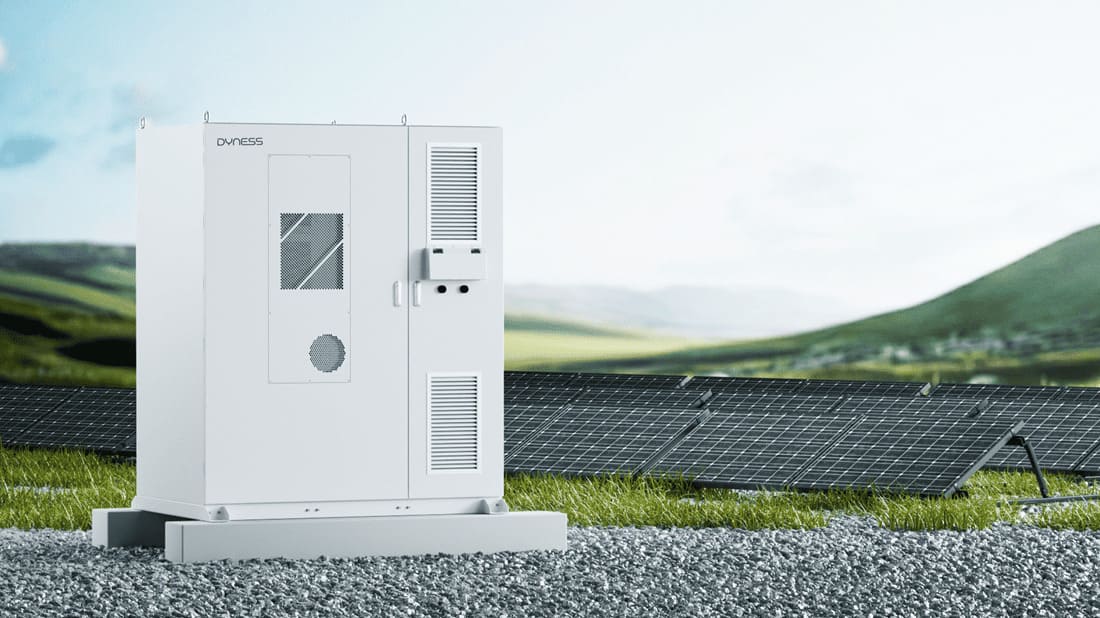
Modular energy storage can provide a more flexible expansion path by allowing compatible units or system blocks to be added as demand grows. This helps solar installers design projects that can evolve with the client rather than becoming fixed at the original installation size.
Storage may also help reduce short-duration peak demand that would otherwise push a site toward expensive transformer or grid infrastructure upgrades. In suitable applications, local battery support can defer part of this infrastructure pressure by supplying temporary peak loads from stored energy.
The final design should still be based on real load data, grid limits, storage power, battery capacity, and future expansion requirements.
Prioritize Chemistry, Inverter Compatibility, and Environmental Durability
Reliable solar-plus-storage projects depend on more than capacity alone. Battery chemistry, communication architecture, thermal management, enclosure protection, and long-term operating conditions all influence system performance.
Dyness uses lithium iron phosphate chemistry across energy storage applications because LFP provides strong thermal stability and is well suited to repeated charging and discharging in stationary systems.
Communication between the battery management system and inverter or PCS is equally important. Broad compatibility with major inverter platforms helps reduce field commissioning complexity and gives installers more flexibility when designing systems across different regional markets.
Environmental conditions must also be considered. Outdoor and non-conditioned installations may face dust, humidity, heat, and low temperatures, so enclosure protection and thermal management should be matched with the actual project environment and latest product specifications.
Conclusion
For solar installers, energy storage expands the value of photovoltaic projects beyond electricity generation alone. A well-designed system can improve solar self-consumption, support peak shaving, reduce curtailment, strengthen local power resilience, and create a clearer path for future capacity growth.
The strongest project architecture combines scalable storage, stable LFP chemistry, compatible power conversion equipment, reliable communication, and environmental protection suited to the installation site.
Dyness provides energy storage hardware, system integration support, and flexible OEM and ODM capabilities that can help solar installers and project partners develop customized solar-plus-storage solutions for different commercial and industrial markets.
FAQ
-
Q: How does Dyness C&I energy storage help businesses save money?
 A: Dyness C&I energy storage can support peak shaving, demand charge reduction, time-of-use optimization, PV utilization, and energy management. The exact value depends on the site’s load profile and electricity billing structure.
-
Q: If the load is 200kW, should I configure a 200kW PCS?
A: Not necessarily. If 200kW is only the company’s maximum load, while the load during the real high-price period is only 120kW, then a PCS of around 125kW may already cover most of the economic value. PCS power should be selected according to the effective load during the target charging and discharging window, rather than simply according to the maximum load.
-
Q: If I have 1MW of PV, how much storage should I configure?
A: It cannot be judged only by the installed PV capacity of 1MW. The PV generation curve and company load curve should be overlaid to calculate how much surplus PV energy is really available at noon. If there is only around 250kWh of surplus PV energy per day, then a 261kWh-level storage system may already be very close to the actual demand. If more than 800kWh of surplus PV energy exists consistently every day, then a larger storage system can be considered.
Learn More