






















Energy Storage Makes Solar More Valuable: Dyness DH200Y Unlocks Revenue Potential for a Solar-Plus-Storage Project in Bulgaria
-
Company News
-
 2026-10-19
-
 Dyness

As solar PV installations continue to grow rapidly, demand for energy storage in Bulgaria’s renewable energy market is also increasing. Energy storage is becoming an important tool for improving solar PV utilization and optimizing energy revenues.
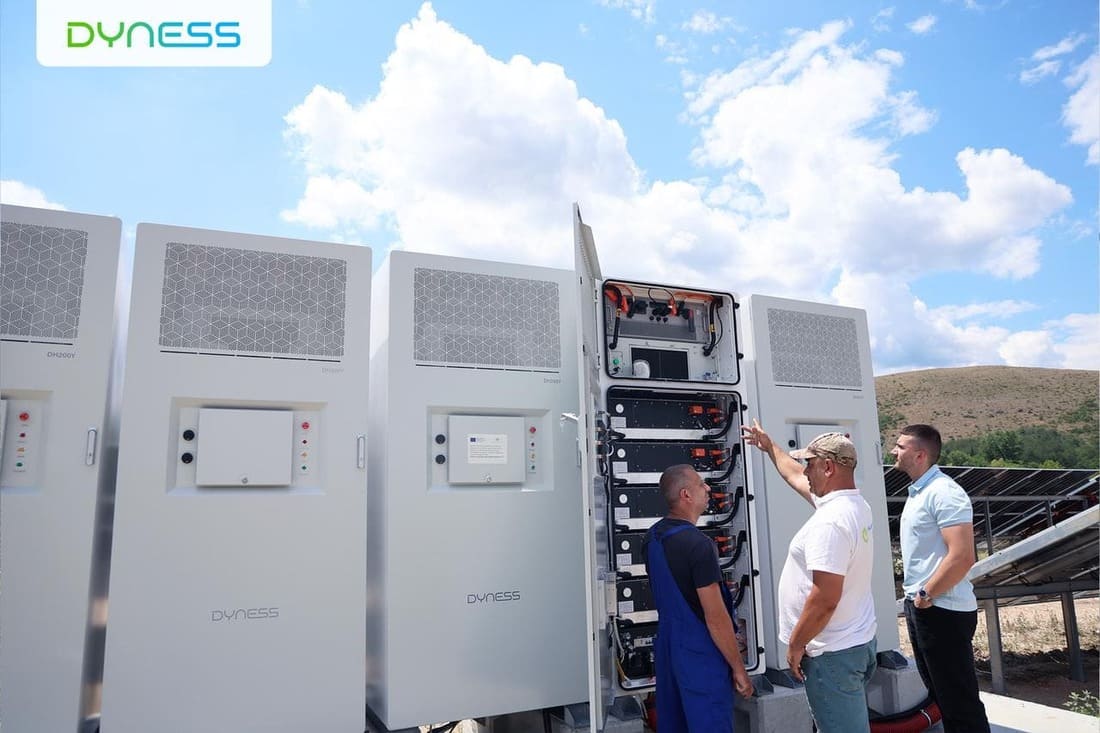
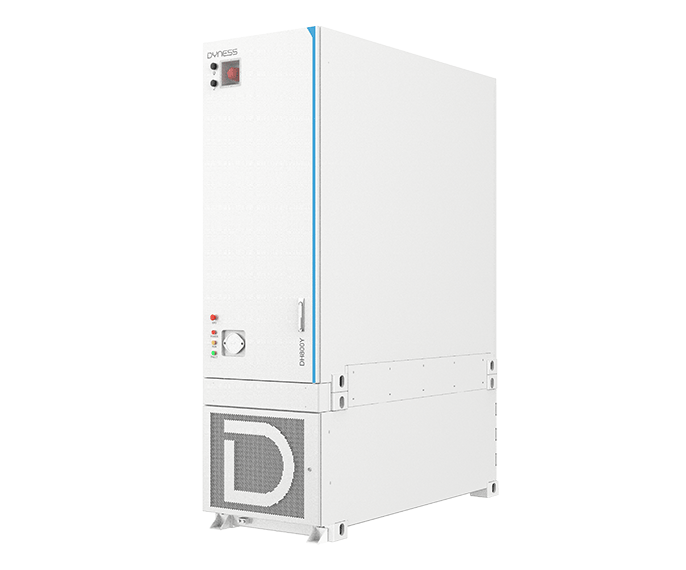
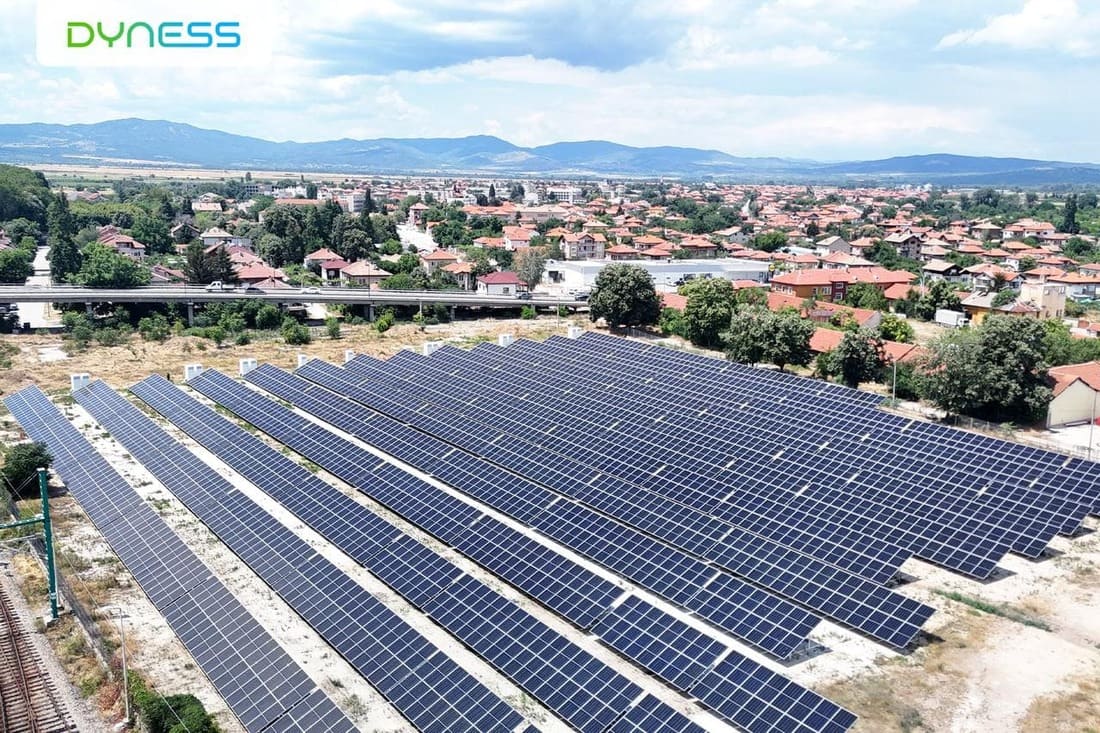
Against this backdrop, KP Solar selected an energy storage solution from Dyness and deployed three grid-connected solar-plus-storage projects in Pazardzhik Province, Bulgaria. A total of 36 DH200Y C&I liquid-cooled energy storage cabinets, with a combined capacity of 8.2 MWh, have been installed across the three projects, exploring the value of peak-valley arbitrage, solar PV utilization, and electricity trading.
From “Generating Power” to “Using Power”: Bulgaria’s C&I Energy Storage Demand Is Accelerating
In recent years, Bulgaria has seen rapid growth in solar PV capacity. The integration of a high share of renewable energy is reshaping the local electricity market’s supply and demand dynamics. In particular, during periods of high solar generation around midday, increased electricity supply can drive market prices down, with prices potentially reaching zero or even turning negative. In the evening, as solar output declines and electricity demand rises, prices can increase rapidly.
This means that for C&I solar PV projects, more generation does not necessarily mean higher returns. When solar power is generated primarily during low-price periods, the economic value of directly feeding it into the grid may be limited. Energy storage can shift electricity from lower-value periods to higher-value periods through “charging at low prices and discharging at high prices,” while further enhancing revenue through electricity trading strategies.
As a result, energy storage is evolving from a traditional backup power source into an important energy asset that connects solar generation, electricity price fluctuations, and power trading. As renewable energy penetration continues to increase, medium- and large-scale C&I energy storage is becoming an important tool for businesses in Bulgaria to improve solar PV utilization, optimize energy costs, and explore market-based revenue opportunities.
From a Single Project to Regional Deployment: KP Solar Continues to Scale Up Energy Storage
Against this market backdrop, KP Solar continues to develop grid-connected solar-plus-storage projects, integrating energy storage into the operation of renewable energy assets and further unlocking the market value of solar power through peak-valley arbitrage and electricity trading.
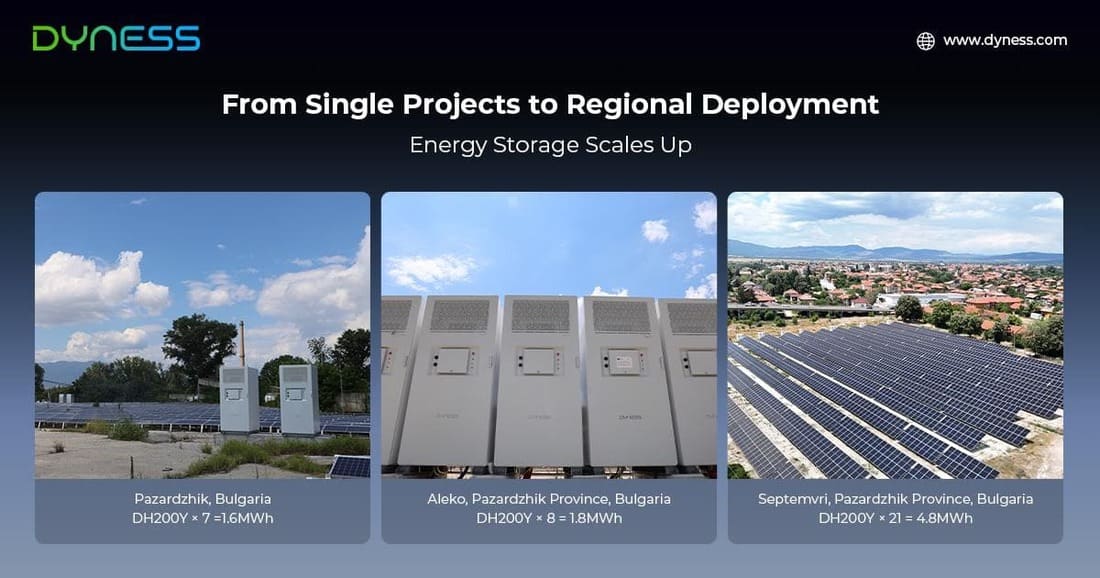
To date, KP Solar has deployed three Dyness DH200Y projects in Pazardzhik Province:
Pazardzhik Project: 7 DH200Y units, with a total capacity of 1.6 MWh
Aleko Project: 8 DH200Y units, with a total capacity of 1.8 MWh
Septemvri Project: 21 DH200Y units, with a total capacity of 4.8 MWh
Together, the three projects comprise 36 DH200Y units, with a combined energy storage capacity of 8.2 MWh.
Actual returns will vary dynamically depending on real-time electricity prices, solar PV output, charging and discharging strategies, and electricity trading mechanisms. However, based on representative electricity prices across the four seasons and an assumed one charge-discharge cycle per day, the 8.2 MWh energy storage system is estimated to generate annual peak-valley arbitrage revenue of approximately €283,000, corresponding to an estimated 10-year internal rate of return (IRR) of approximately 11.3%.
From the initial 1.6 MWh project to the subsequent delivery of larger 1.8 MWh and 4.8 MWh projects, the deployment demonstrates not only the growing demand for energy storage in the local market, but also the replicability and scalability of standardized, modular energy storage solutions across solar PV projects of different sizes. Energy storage is therefore no longer simply a supporting component of an individual project, but is gradually becoming an integral part of optimizing the value of renewable energy assets.
DH200Y: Turning Energy Storage into a Tool for Solar Revenue Optimization
To address the combined requirements of medium- and large-scale solar PV projects for storage capacity, space utilization, and operational stability, DH200Y offers a flexible system configuration.
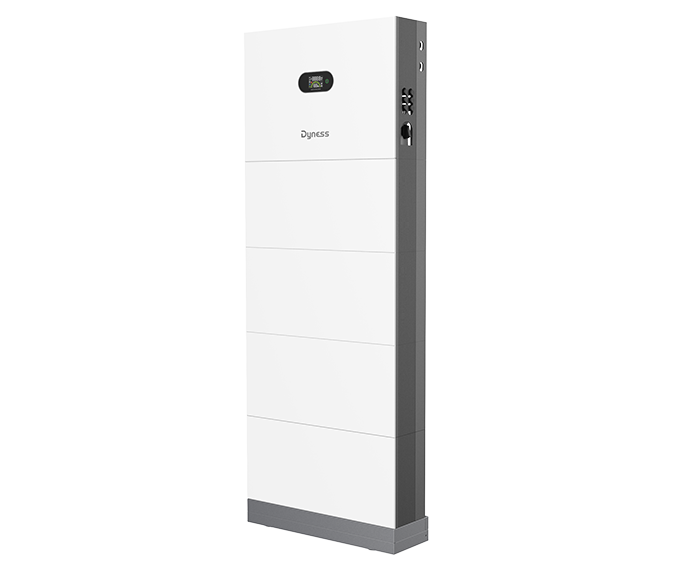
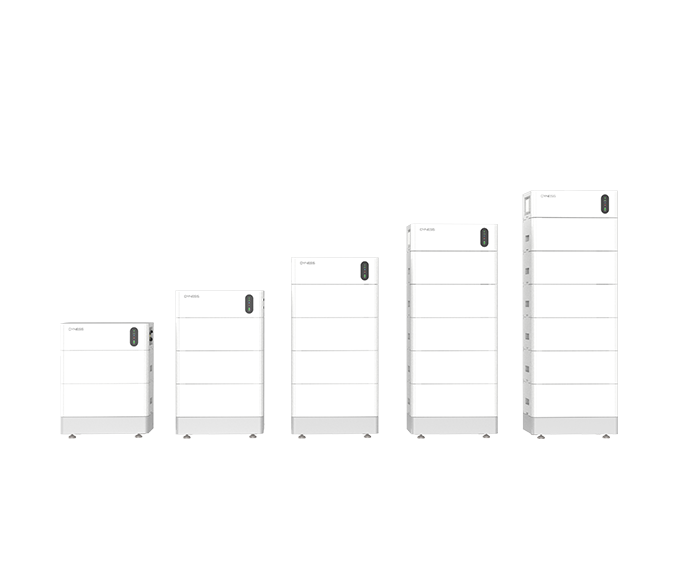
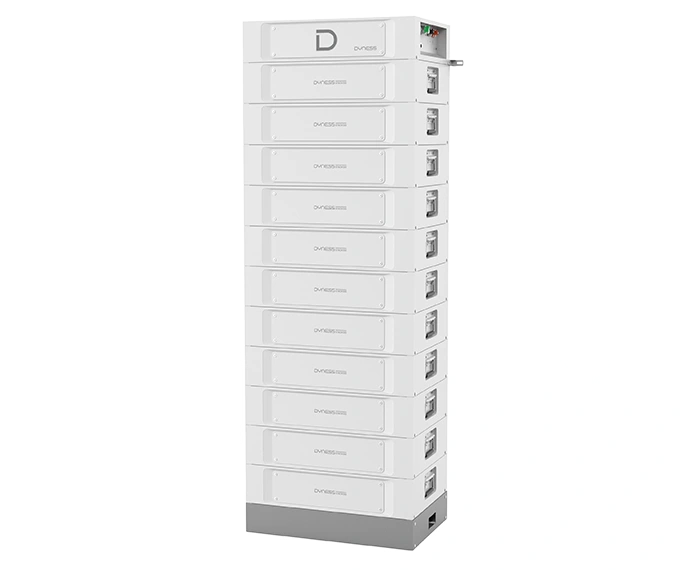
Each DH200Y cabinet provides 232 kWh of capacity and a rated power of 100 kW. Multiple cabinets can be connected in parallel, enabling a single system to scale up to 2.3 MWh. Its modular architecture allows flexible configuration according to project scale, making it suitable for projects at the 1.6 MWh level while also supporting capacity expansion for larger energy storage systems.
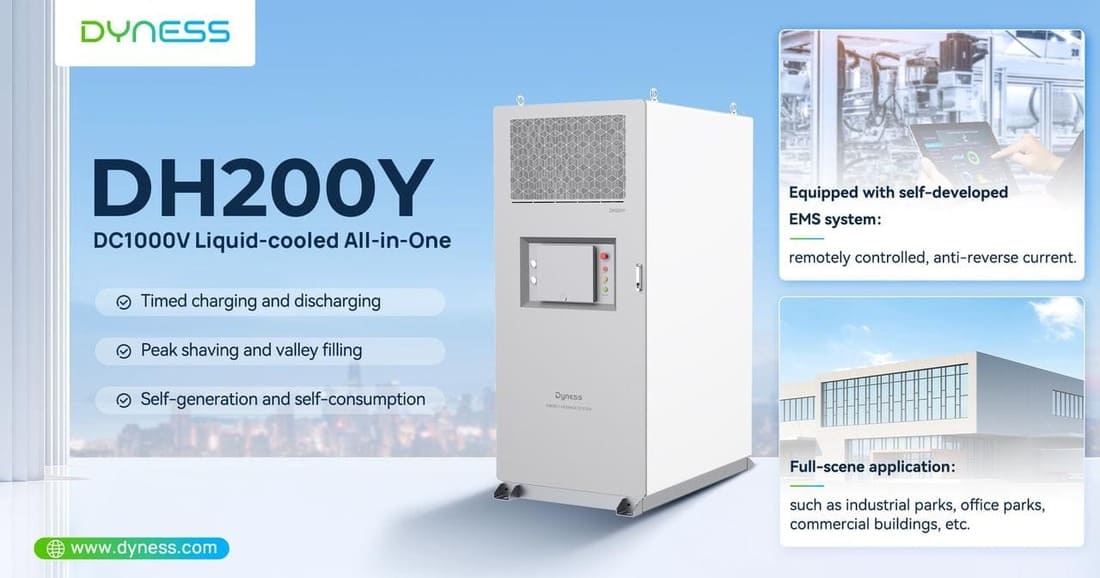
For C&I projects, space utilization also has a direct impact on project economics. Each DH200Y cabinet occupies approximately 1.58 m², with an energy density of up to 147 kWh/m², enabling higher storage capacity within limited installation areas and providing a compact and efficient solution for solar power plants and C&I applications.
For long-term operation, DH200Y adopts a liquid-cooled PACK + air-cooled PCS thermal management architecture. Through refined temperature management, the system helps control cell temperature differences and enhance operational stability. Its modular design also helps simplify system operation and maintenance.
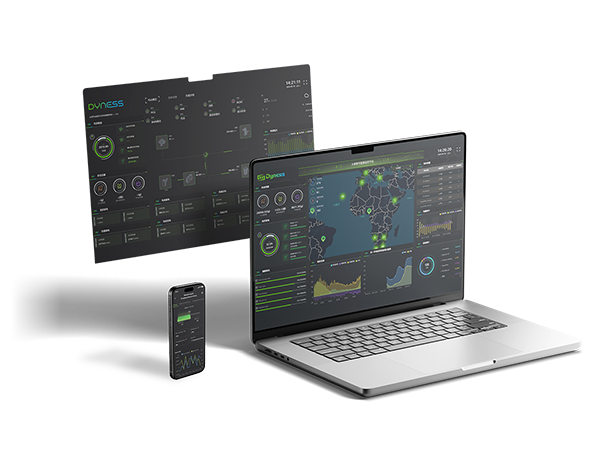
More importantly, DH200Y can operate in coordination with solar PV systems. Combined with EMS and the Dyness Smart Cloud Platform, the system can flexibly schedule charging and discharging according to solar output, electricity price fluctuations, and trading requirements. This enables applications including peak shaving and valley filling, solar PV utilization, and electricity trading, helping electricity generate greater value at the right time.
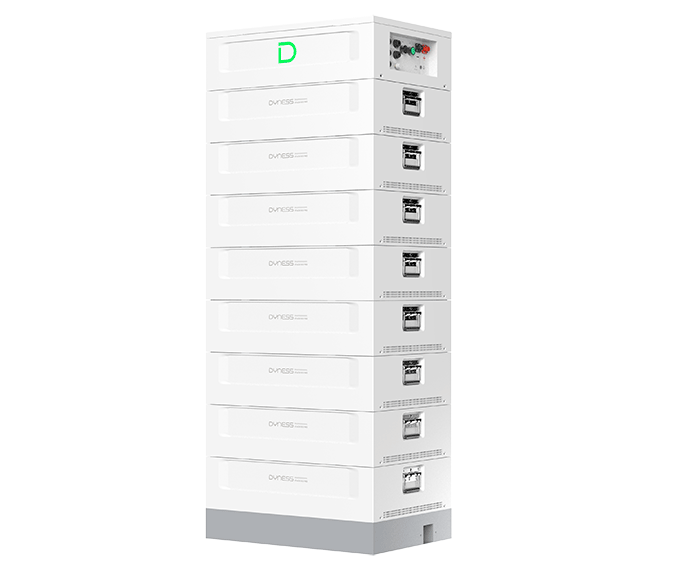
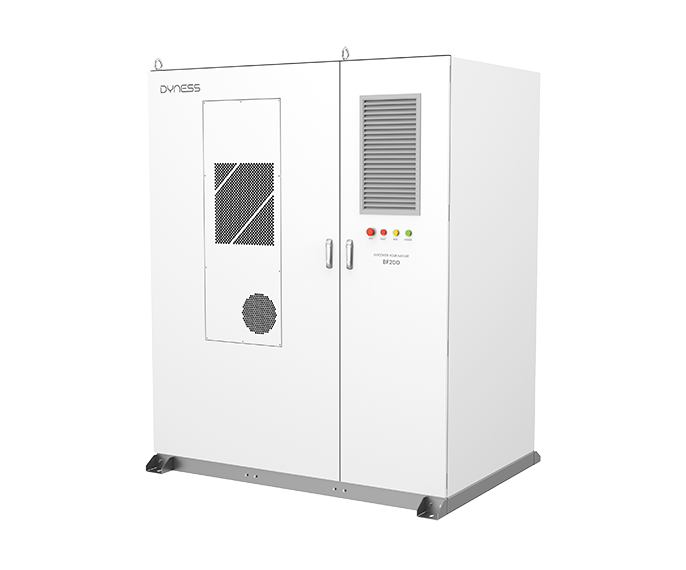
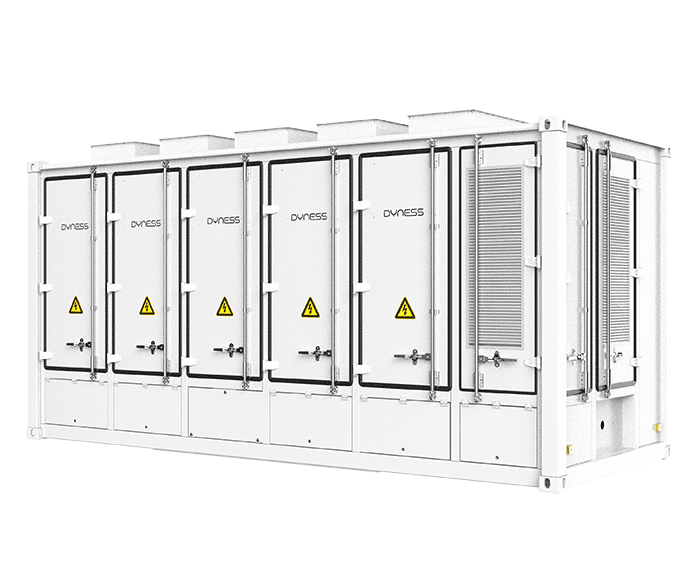
To meet growing market demand for larger-scale C&I energy storage systems, Dyness has further introduced DH200Y-C260, an upgraded version of DH200Y featuring an outdoor liquid-cooled design, with further improvements in energy density and system scalability. A single system supports up to 20 units in AC parallel connection, scaling up to 2.5 MW / 5.2 MWh, providing more flexible configuration options for larger solar-plus-storage projects.
From DH200Y to DH200Y-C260, Dyness continues to expand the capacity and application boundaries of C&I energy storage, providing more flexible solutions for solar-plus-storage projects of different scales.
From “Generating More Power” to “Making Power More Valuable”
The three projects in Pazardzhik represent more than the deployment of 36 energy storage units. They also demonstrate an emerging approach to renewable energy asset operation in Bulgaria: solar PV generates green electricity, while energy storage optimizes its value.
When solar generation is high, energy storage can absorb excess electricity. When electricity prices or demand change, the stored energy can then be discharged or used in electricity trading to shift its value to a more favorable period.
This enables businesses to reduce their reliance on revenue from solar generation alone and further explore potential value from peak-valley arbitrage, energy trading, and renewable energy utilization.
For Bulgaria’s rapidly developing renewable energy market, the role of energy storage is no longer limited to simply “storing electricity.” From 1.6 MWh to 4.8 MWh, and from a single storage configuration to diversified energy management, KP Solar and Dyness are exploring a more flexible solar-plus-storage operating model—making energy storage an important link between solar generation and the electricity market, and helping every unit of green electricity unlock greater value at the right time.