

























How can C&I energy storage systems store more electricity without replacing the main unit
-
Technical Blog
-
 2026-09-22
-
 Dyness

As large-scale industrial and commercial energy storage projects come online, many plant operators face a common challenge: while the energy storage system’s AC output power is sufficient, battery capacity fails to keep pace with business growth. Issues include an inability to fully utilize energy generated after PV expansion, insufficient duration for emergency backup power, and an inability to fully capitalize on low off-peak electricity prices for peak-valley arbitrage. Traditional capacity expansion methods—such as adding new PCS units, modifying AC grid-connection cabinets, or even restarting the approval process—entail high costs and long lead times. Is there a more streamlined approach to capacity expansion? The answer lies in DC-side expansion.
What is DC capacity expansion?
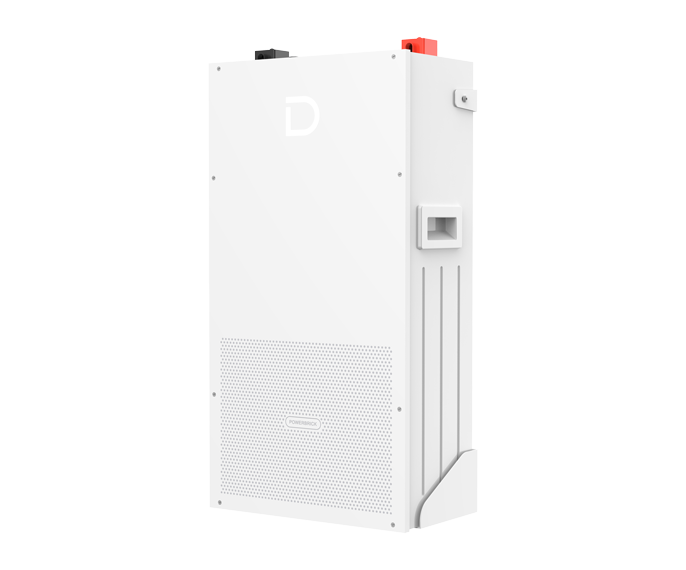
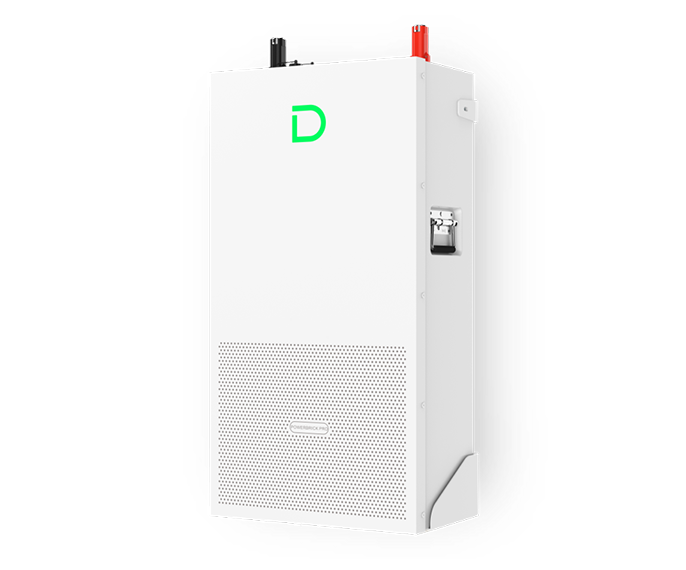
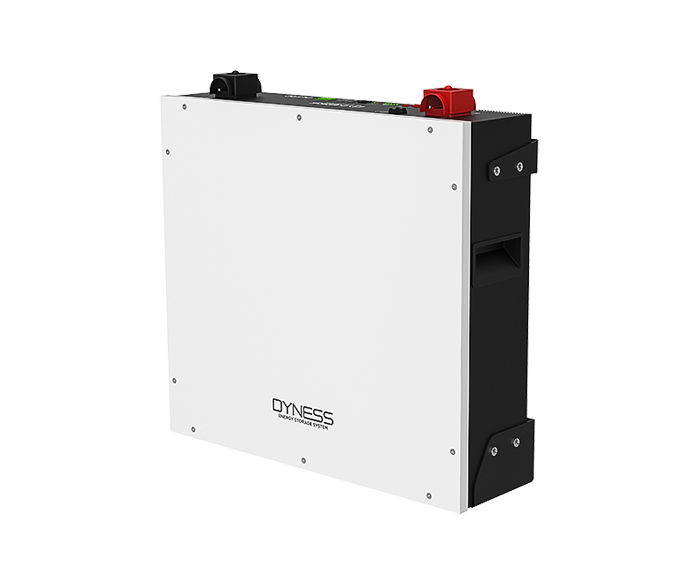
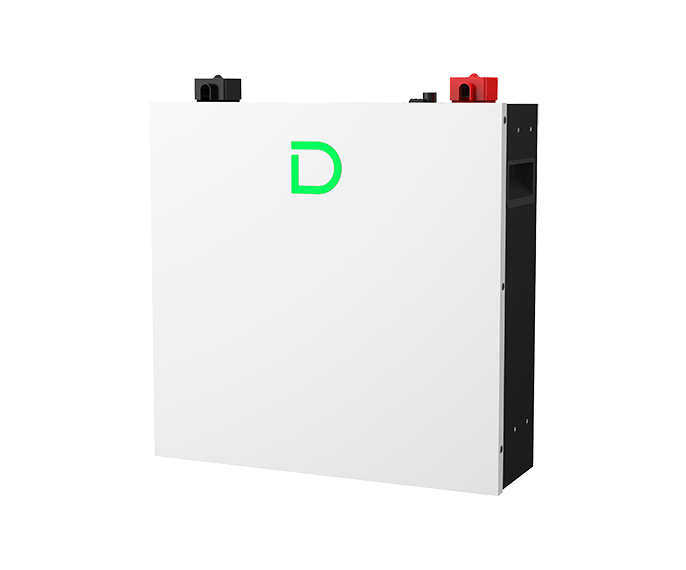
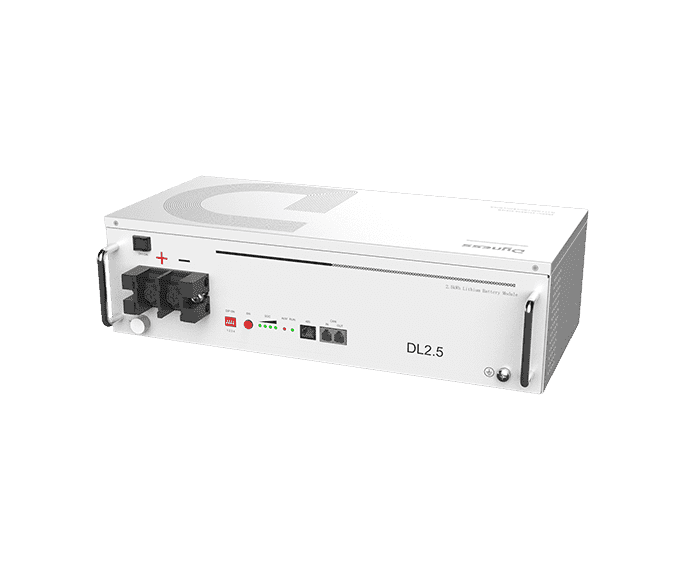
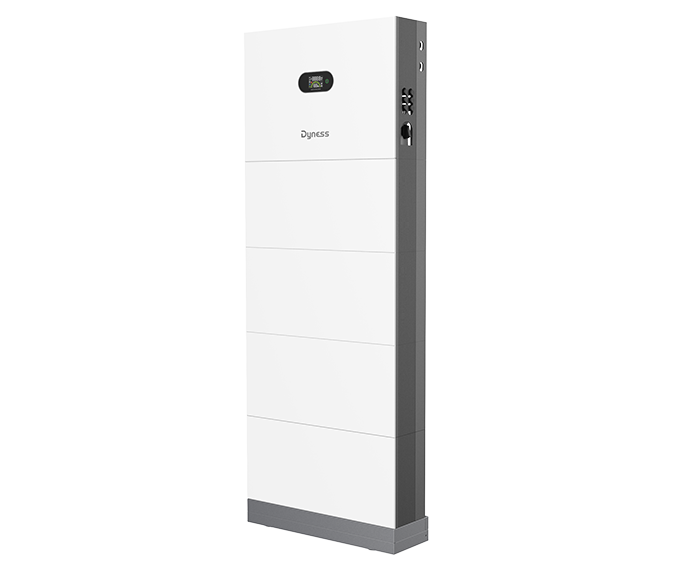
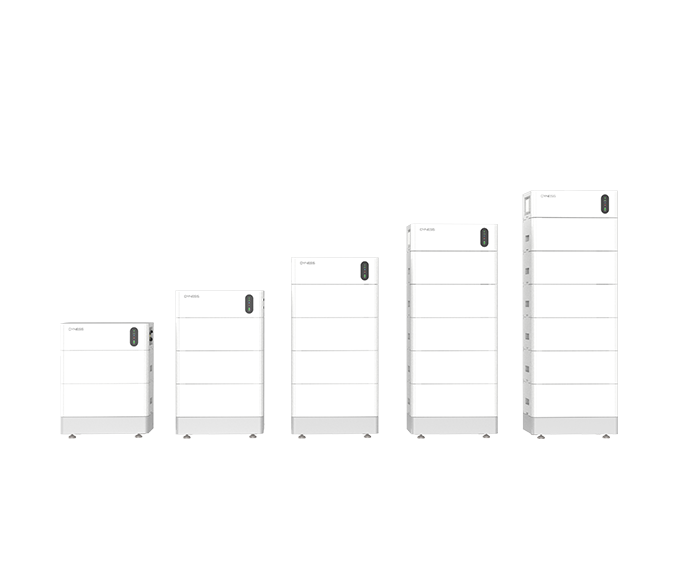
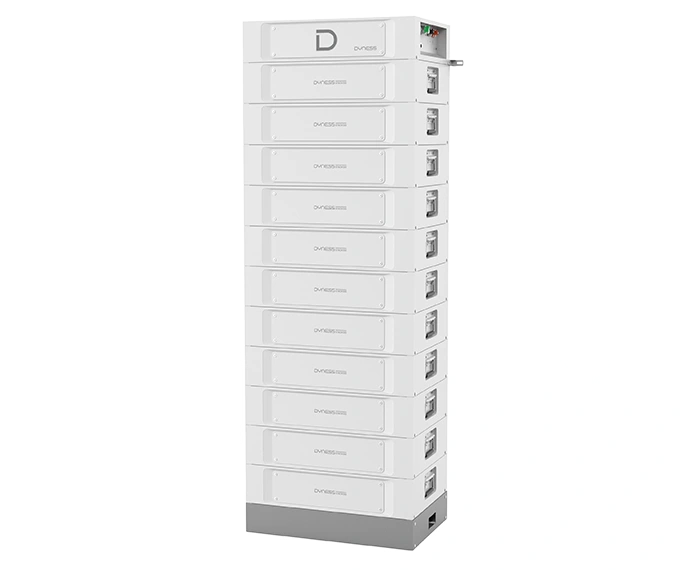
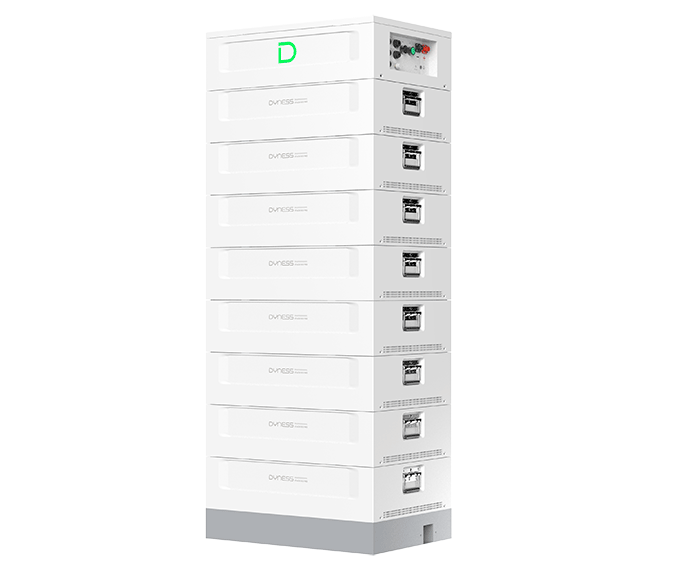
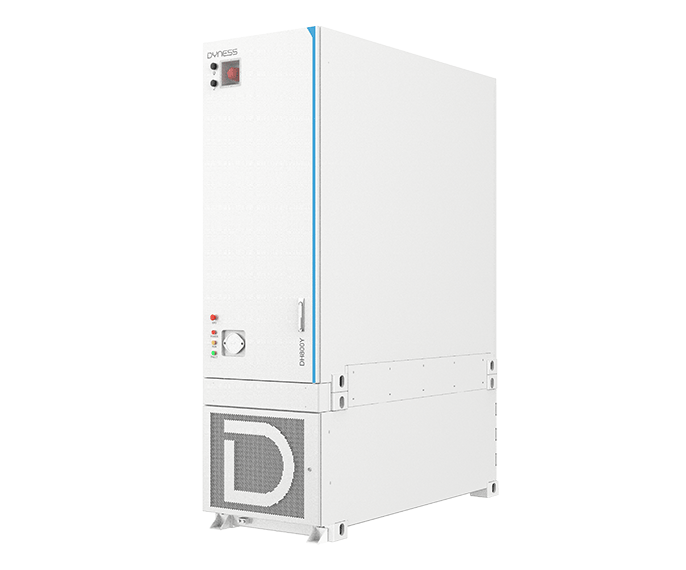
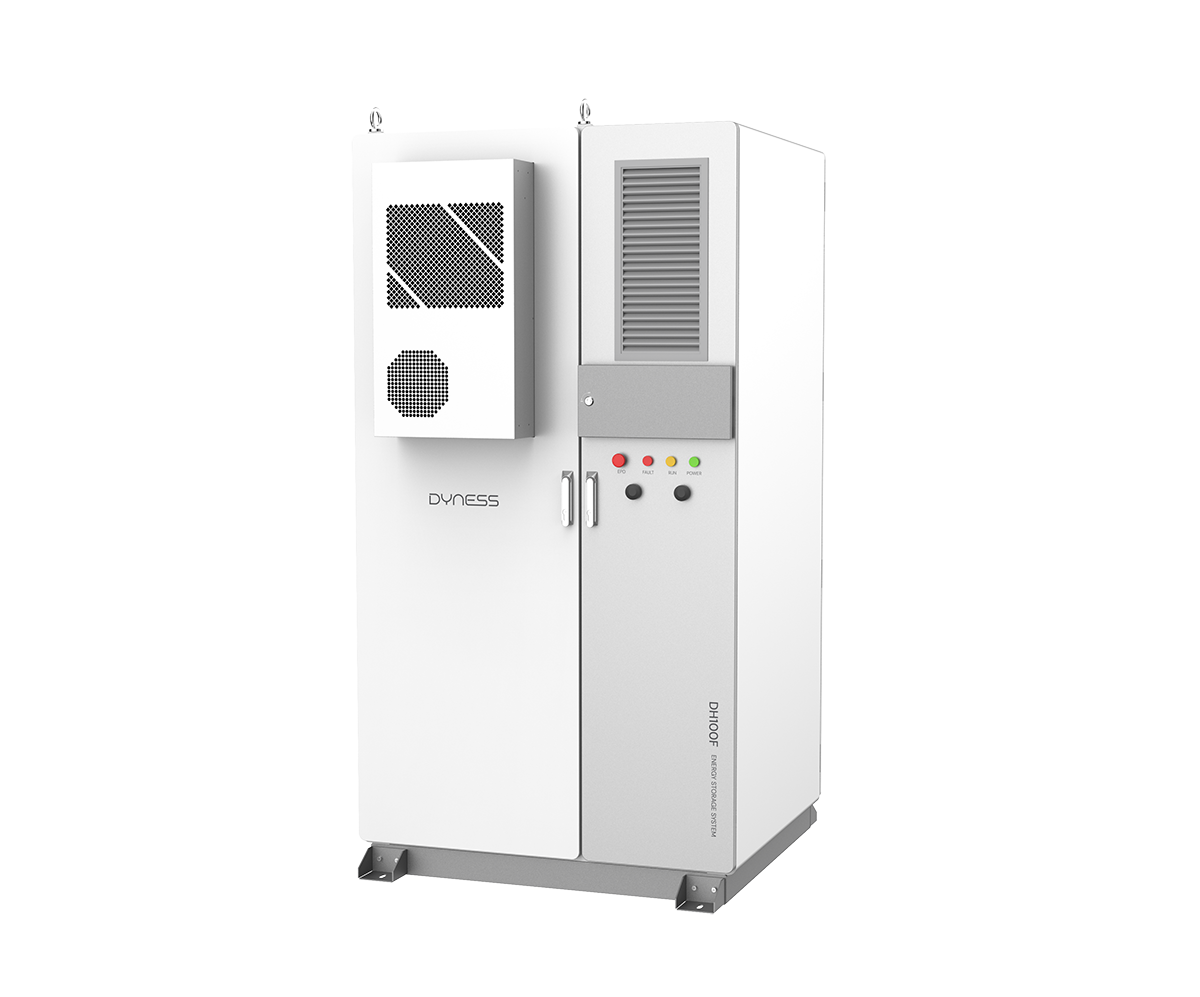
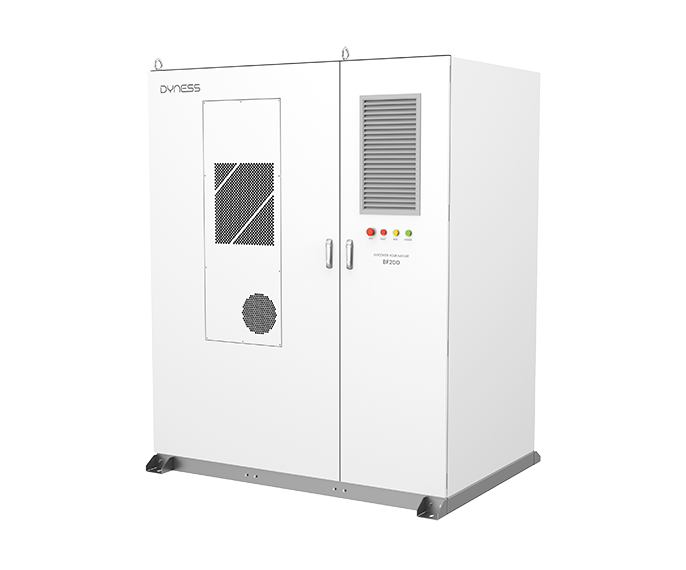
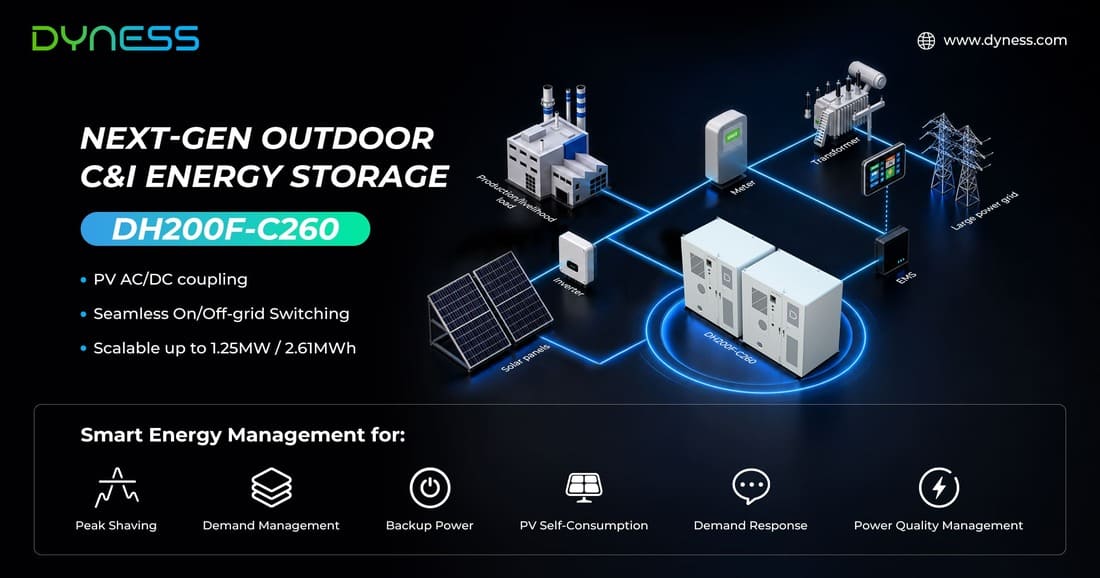
As the name implies, DC-side capacity expansion involves modifications made to the DC side of the energy storage system. Taking the Dyness DH200F and POWER-DM series as examples, these products utilize a standardized platform design featuring pre-configured parallel connection interfaces on both the DC bus and the BDU (Battery Distribution Unit). Capacity expansion can be achieved without replacing the PCS (Power Conversion System) master unit or modifying the AC grid-connection switchgear and external cabling, instead, one simply adds battery clusters along with their corresponding BDUs and communication lines on the DC bus side. This allows for an increase in energy storage capacity (kWh) while maintaining the system's rated AC output power.
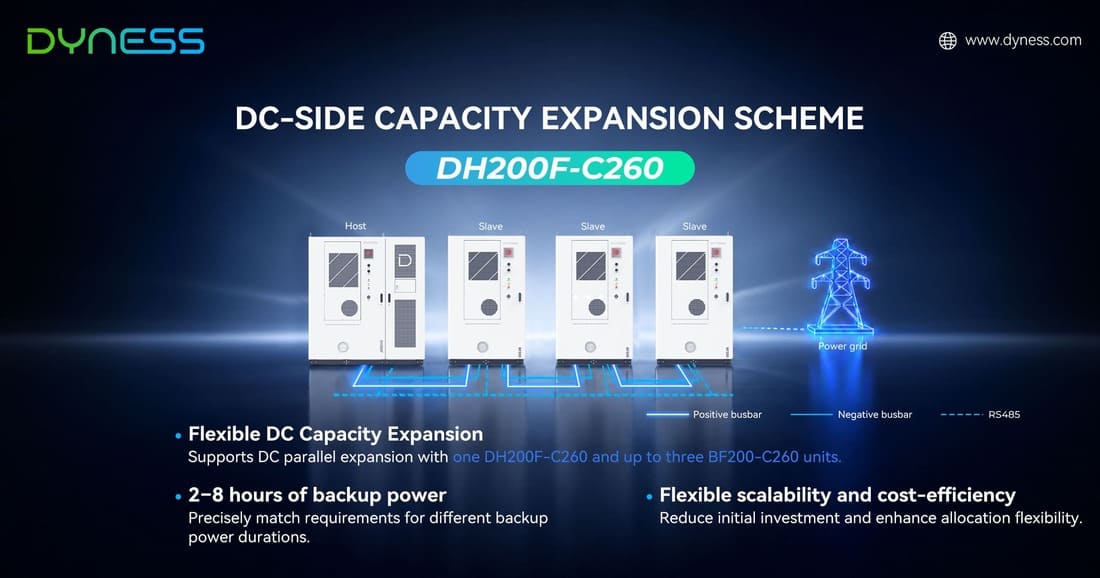
The core logic of this technical approach centers on two genuine market needs: first, the requirement for existing energy storage customers to expand storage capacity without needing to increase AC power output; and second, the need for grid-connected systems in power-constrained areas to extend emergency backup duration without raising power limits. Unlike traditional methods—which suffer from high costs and lengthy grid-connection approval processes when paralleling complete AC units—this DC expansion strategy employs a streamlined retrofit that simply adds DC battery clusters. By fully reusing existing grid-connection equipment and AC distribution lines, it drastically reduces project investment and construction time while effectively extending discharge duration, thereby enhancing economic returns across applications such as peak-valley arbitrage, self-consumption of surplus PV power, and emergency backup during outages.
What problems can DC capacity expansion solve?
The value of DC capacity expansion is demonstrated across several typical application scenarios:
• Quality improvement and capacity expansion of existing solar-plus-storage power plants
Following the phased expansion of the plant's photovoltaic (PV) system, daytime power generation has increased; however, the existing energy storage capacity is insufficient to absorb the surplus PV power, leading to issues such as reverse power flow limitations and curtailment losses. By adding battery clusters through a DC-side capacity expansion, PV energy storage capability can be directly enhanced while retaining all original AC grid-connection equipment, thereby significantly increasing the self-consumption rate of the generated solar power.
• Upgraded emergency backup power runtime
Existing backup energy storage systems in manufacturing workshops, laboratories, and precision production lines offer sufficient power output but limited duration, leaving them unable to cope with prolonged power outages or regional power rationing. By increasing DC capacity without altering the grid-connection power rating, the uninterruptible power supply duration can be linearly extended; the retrofit requires no high-voltage power shutdowns, thereby ensuring the continuous operation of critical loads.
• Enhanced returns from peak-valley arbitrage
After initially piloting peak-valley price arbitrage with a small-capacity energy storage system and validating the profitability model, users often find that their existing batteries cannot fully utilize low-cost off-peak electricity. Expanding capacity via a DC-coupled approach increases energy storage volume, allowing for full utilization of the off-peak charging window and extended peak-period discharge; this directly boosts electricity cost savings without requiring an increase in grid-connection power capacity.
• Seasonal demand charge management
During peak production seasons or periods of surging air-conditioning loads in summer, instantaneous peak loads can easily trigger high demand charges, and the existing energy storage system's discharge duration is insufficient to effectively suppress these peaks. Expanding DC capacity enhances continuous discharge capability, enabling long-term mitigation of transformer peak loads and eliminating the high civil engineering and power distribution upgrade costs associated with increasing transformer capacity.
• Augmentation of grid ancillary service capacity
For energy storage projects participating in grid frequency regulation and demand-side response, the PCS response performance meets standards, yet insufficient battery energy capacity limits the ability to undertake long-duration dispatch tasks. Expanding capacity on the DC side increases the reserve of dispatchable energy; this approach allows for the reuse of existing grid-connection qualifications and dispatch communication links—eliminating the need for new grid-connection filings—while boosting overall revenue from frequency regulation and virtual power plant operations.
Three key conditions for the feasibility of DC capacity expansion
Whether a project can undergo DC capacity expansion, and the upper limit of such expansion, are determined by the following core conditions.
• Product hardware design margin
The new-generation DH200F and POWER-DM series feature reserved parallel interfaces for their DC buses and BDU (Battery Distribution Unit) modules, with designs that incorporate current headroom for DC capacity expansion. In contrast, older, non-platform-based products lack such redundancy and cannot support DC capacity expansion, limiting them to AC-side parallel connection solutions.
Consistency matching of new and old batteries
When expanding capacity via DC parallel connection, newly added battery clusters must match the existing batteries in terms of voltage and cell model, and the operational duration of the new and old batteries must comply with regulatory standards. Significant discrepancies in battery parameters or service life can lead to circulating currents between clusters, accelerating battery degradation and shortening the system's overall lifespan. Dyness supplies energy storage batteries of the same specifications, ensuring optimal compatibility and operational stability for multi-cluster parallel configurations.
• On-site installation space
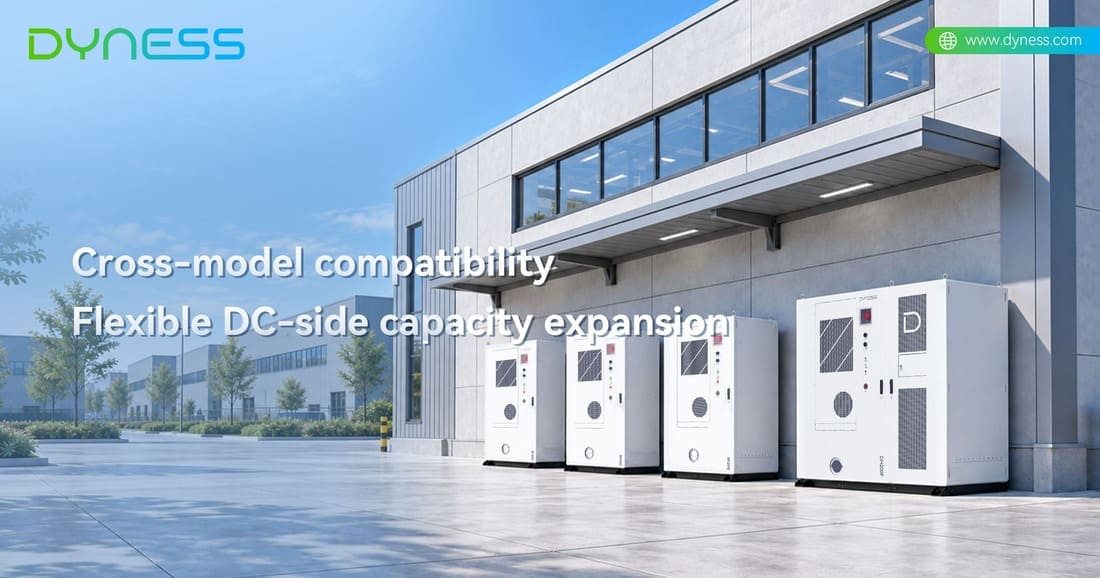
Before implementing a DC capacity expansion for an outdoor energy storage cabinet, it is necessary to conduct an on-site verification of the available space for additional cabinets in the DC distribution area, as well as the clearance required for maintenance and operation at the sides and rear of the equipment. Additionally, the available routing space within DC cable trays, cable trenches, and conduits must be confirmed to ensure it meets the requirements for positioning the new battery cluster cabinets and laying the DC power and communication cables.
Three Common Misconceptions About DC Capacity Expansion
Three types of decision-making pitfalls are prone to arise during the DC capacity expansion and retrofitting of energy storage systems, requiring special attention.
Myth 1: Unlimited DC stacked battery clusters
Solely pursuing high capacity—far exceeding the rated current of the BDU auxiliary power distribution—will cause DC cable overheating, circulating currents between clusters, and BDU protection trips resulting in system shutdowns. Correction: Capacity expansion planning must strictly adhere to Dyness's maximum DC input capacity limits; there is a clear upper limit to capacity increases.
Myth 2: Direct DC parallel connection of batteries from different periods and with different capacities
Mixing legacy batteries with new batteries of different specifications leads to severe inter-cluster circulating currents, accelerated battery degradation, and frequent faults. Corrective measure: Use battery clusters from the same manufacturer and with identical specifications for DC capacity expansion, if mixing new and old batteries is necessary, strictly adhere to the regulatory requirements regarding the duration of operation following capacity expansion.
Myth 3: Multiple energy storage cabinets only require partial capacity expansion.
Some hold the view that, for multi-unit parallel energy storage systems, DC capacity expansion can be performed on only a portion of the units while the remaining cabinets retain their original battery configurations. Correction: When implementing DC capacity expansion for such systems, all energy storage cabinets must be simultaneously equipped with additional battery clusters to ensure uniform capacity expansion and consistency in battery specifications and status across all cabinets.
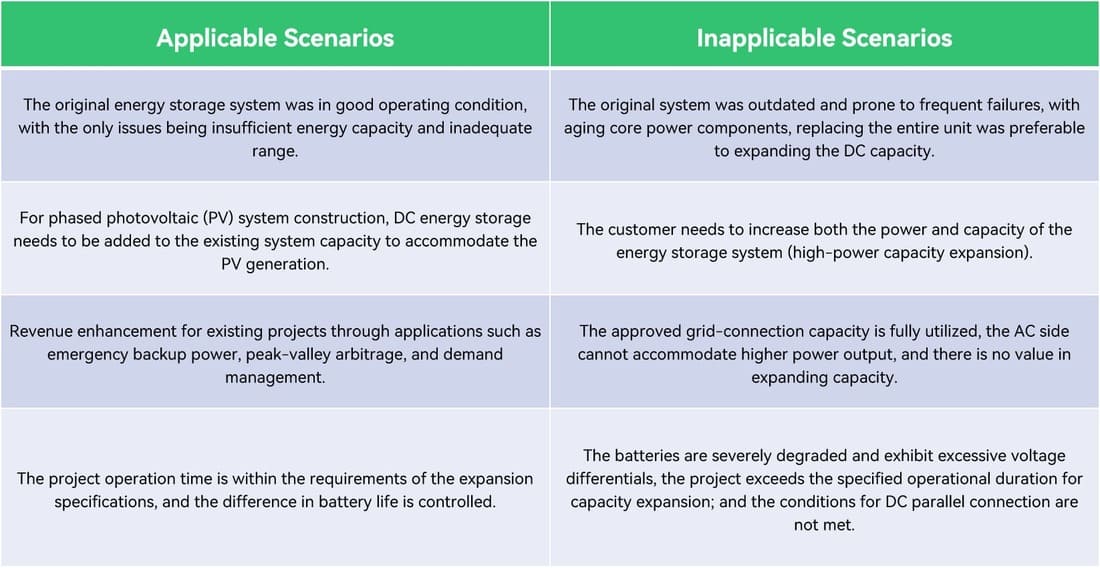
Scenarios Suitable and Unsuitable for DC Capacity Expansion
Conclusion
DC-side capacity expansion offers a cost-effective and highly efficient pathway for upgrading the capacity of existing industrial and commercial energy storage projects. By simply adding battery clusters on the DC side—without modifying the main unit or the AC side—it enables a linear increase in energy storage capacity, unlocking significant value in applications such as solar-plus-storage integration, emergency backup power, peak-valley arbitrage, and demand management. However, DC-side expansion is not a universal solution; it entails specific hardware prerequisites, battery compatibility requirements, and operational limits. Before implementation, it is essential to conduct thorough assessments—covering the voltage withstand rating of the existing PCS DC bus, BDU rated current, consistency of existing batteries, DC cable ampacity, and fire safety clearances—and to issue a feasibility report. Only then should construction proceed to ensure the retrofit is safe, reliable, and meets return-on-investment targets.
Dyness Digital Energy Technology Co., LTD
WhatsApp: +86 181 3643 0896 Email: info@dyness-tech.com
Address: No.688, Liupu Road, Suzhou, Jiangsu China
Dyness Website: https://www.dyness.com/
Dyness community: https://www.facebook.com/groups/73560020090