























Outdoor Liquid Cooled Storage Systems: What to Consider


Get notified about new updates, products, tips and tutorials. No spam.
Modern utility frameworks and commercial properties require robust energy repositories to handle unpredictable power distribution strains and volatile electricity tariff changes. Deploying advanced outdoor liquid cooled storage systems provides a durable solution for enterprise operators to stabilize localized microgrids, secure reliable backup electricity, and capture intermittent renewable generation cleanly.
Navigating the contemporary procurement landscape requires analyzing thermal dissipation metrics, environmental enclosure ratings, system efficiency, safety protection, scalability, and long-term electrochemical cell lifecycle performance.

Liquid Thermal Management for Outdoor Energy Storage
High-capacity energy storage configurations naturally generate significant internal heat during intense charging and discharging cycles. Traditional forced-air cooling methods may struggle to pull heat away evenly, creating localized hot spots within dense cell structures.
These isolated temperature spikes can accelerate internal cell degradation and create performance bottlenecks. By using dedicated internal liquid circulation plates, heat can be absorbed directly from cell surfaces with stronger thermal precision.
Maintaining a tight and balanced temperature across the internal cell matrix helps extend the functional lifespan of battery components, reduce premature capacity loss, and support predictable performance across variable operating conditions.
Outdoor Enclosure Protection and System Efficiency
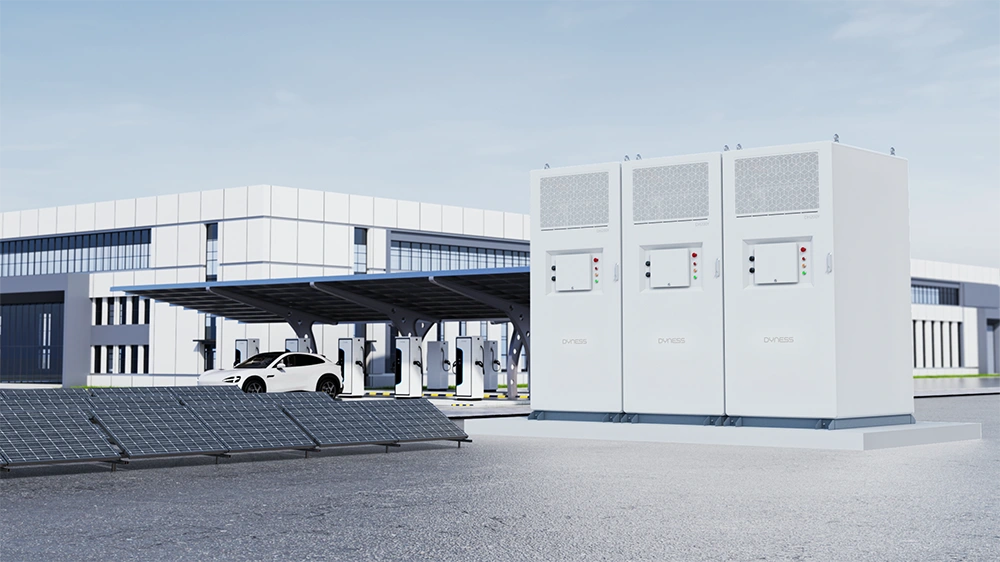
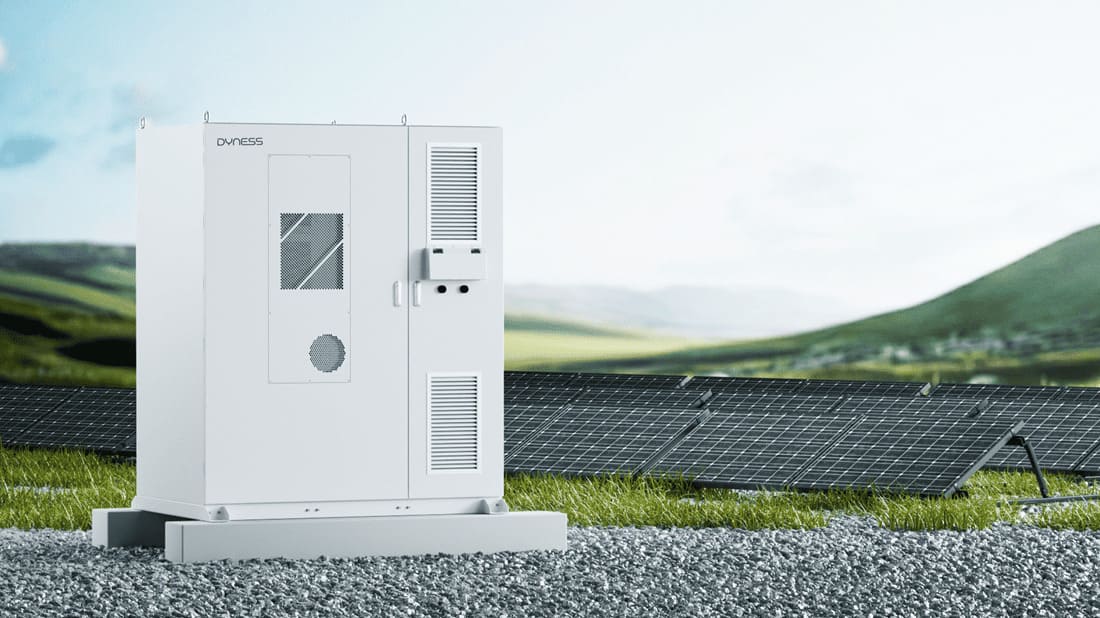
Outdoor energy storage systems are exposed to rain, dust, humidity, and seasonal weather changes. Sensitive control electronics and dense battery modules require high-grade external enclosures to prevent moisture ingress, short circuits, and premature component wear.
Industrial-grade outdoor enclosures use robust physical sealing and corrosion-resistant finishes to protect internal sub-assemblies in demanding field environments. Secure physical containment helps maintain structural integrity and long-term reliability for commercial and utility applications.
Procurement managers also evaluate storage systems based on round-trip energy performance. At Dyness, advanced All-in-one Liquid Cooling System configurations are designed to deliver up to 90% system efficiency, helping reduce conversion waste and keep more clean energy usable for commercial operations.

Reducing Cell Degradation and Long-Term Maintenance Pressure
True utility asset value depends on long-term throughput capacity retention rather than only initial equipment cost. Temperature variation inside a battery container can cause individual cells to age unevenly, lowering the usable capacity of the entire battery string.
Active liquid cooling lines keep individual cell temperatures within more stable operating windows, even during heavy industrial workloads. This reduces thermal stress across the cell matrix and helps keep maintenance intervention intervals longer.
By protecting the health of the cells, outdoor liquid cooled storage systems can deliver more reliable power after field commissioning and support long-term energy management strategies for commercial facilities.
Peak Load Management and Infrastructure Protection
Industrial zones often face infrastructure challenges when operating high-power equipment such as EV charging networks or heavy production machinery. When multiple devices start at the same time, surge currents can stress regional substation transformers and nearby building sub-panels.
Deploying optimized outdoor liquid cooled storage systems helps facilities manage high-consumption periods more safely. Automated control software tracks real-time power shifts and discharges localized battery reserves when grid demand crosses predefined thresholds.
This proactive load shifting helps protect valuable building equipment, reduce transformer load impact, and maintain system continuity without requiring expensive grid infrastructure upgrades.
Scalability, Safety Protection, and Inverter Communication
Corporate energy requirements rarely stay fixed. As facilities introduce additional machine lines, EV fleets, or renewable generation assets, scalable storage platforms allow operators to start with a suitable layout and expand capacity later.
Dyness product portfolios focus on supporting parallel scaling to protect existing investments as enterprise power requirements grow. Technical crews can integrate additional battery blocks into the existing network, adjusting power reserves to manage expanding facility load curves.
Safety protection is also critical for high-capacity energy arrays located near active offices or production lines. At Dyness, multi-tier safety protections and rapid hazard containment are integrated into product configurations. Automated sensors monitor individual cell voltages, pack-level pressure, and cabinet humidity to identify anomalies early.
Reliable communication with power conversion equipment is equally important. Open communication interfaces help synchronize the All-in-one Liquid Cooling System with major global inverter brands, reducing field commissioning complexity and allowing generation and storage layers to operate as a single coordinated system.
Conclusion
Deploying outdoor commercial microgrids effectively requires precision liquid thermal management, durable enclosure protection, high system efficiency, scalable architecture, and reliable active safety features.
With an optimized outdoor liquid cooled storage system in place, operators can protect key assets, reduce peak demand pressure, improve renewable energy utilization, and smooth the natural variability of solar energy production.
At Dyness, we focus on engineering solutions that deliver up to 90% system efficiency across diverse commercial venues. Partnering with a flexible manufacturing entity helps distribution networks deliver tailored, low-maintenance, and climate-resilient energy assets to the global commercial market.
FAQ
-
Q: How much electricity cost can Dyness energy storage save?
 A: There is no fixed saving amount for every user. Savings depend on electricity tariffs, PV generation, battery capacity, load profile, inverter or PCS power, system efficiency, operating strategy, and local regulations.
-
Q: Does Dyness energy storage support grid-connected peak shaving and valley filling?
A: Yes, Dyness energy storage systems can support grid-connected peak shaving and valley filling in suitable project configurations. The final performance depends on battery capacity, PCS or inverter power, EMS strategy, load profile, metering accuracy, and local grid requirements.
-
Q: Should Dyness C&I energy storage be sized according to a company’s daily electricity consumption?
A: No. Daily electricity consumption can only help understand the company’s overall energy scale. What energy storage really needs to match is the load during target time periods and the amount of energy that can be shifted. The first step is to determine how many kW are needed. Then determine how many hours this power needs to last. This gives the final kWh requirement.
Learn More