
























What High Electricity Cost Problems Can Dyness Energy Storage Help Solve?


Get notified about new updates, products, tips and tutorials. No spam.
High electricity costs are not caused by one factor alone. For households, the problem may come from rising grid prices, evening electricity demand, low solar self-consumption, or peak-time tariffs. For businesses, the cost pressure can be even more complex, including demand charges, peak-load spikes, time-of-use pricing, low PV utilization, and high operating loads.
Dyness energy storage can help solve these problems by storing electricity when it is cheaper or available from solar PV, then discharging it when electricity demand or grid prices are higher. With proper system design, Dyness storage can support solar self-consumption, peak shaving, load shifting, backup reserve, and smarter energy management.
The actual cost-saving result depends on local tariffs, PV generation, load profile, battery capacity, inverter or PCS power, EMS strategy, site conditions, and local grid rules. Energy storage should be configured according to real energy data rather than general assumptions.

Why High Electricity Costs Are Not Just About Total Consumption
Many users think high electricity bills are only caused by using too much electricity. In reality, the cost of electricity is often related to when electricity is used, how much power is demanded at one time, and how much solar energy is wasted or underused.
For homes, electricity costs may rise when most consumption happens in the evening, when solar generation is no longer available and grid prices may be higher.
For businesses, electricity bills may include more than total kilowatt-hours. Peak demand, demand charges, time-of-use tariffs, production schedules, and equipment startup loads can all increase energy costs.
This is why energy storage can create value. A Dyness energy storage system does not simply reduce electricity use itself. Instead, it helps users change when and how electricity is purchased, stored, and consumed.
High Electricity Cost Problems for Households
For residential users, Dyness home energy storage can help address several common electricity cost problems, especially when the home has solar PV or time-of-use electricity tariffs.
| Household Cost Problem | How Dyness Energy Storage Helps |
|---|---|
| Low solar self-consumption | Surplus daytime solar energy can be stored in the battery and used later instead of being exported or underused. |
| High evening electricity demand | Stored energy can support evening loads such as lighting, cooking, entertainment, home office equipment, and appliances. |
| Time-of-use electricity prices | The system can charge during lower-price periods and discharge during higher-price periods where this operation is supported and allowed. |
| Growing household loads | Expandable storage platforms can help households plan for future energy needs such as EV charging, heat pumps, or larger PV systems. |
| Backup-related energy planning | Where backup is required, part of the battery can be reserved for outages while the remaining capacity supports daily cost optimization. |
For households, the main goal is usually to use more self-generated solar energy, reduce expensive grid electricity purchases, and make daily energy use more controllable.

High Electricity Cost Problems for Businesses
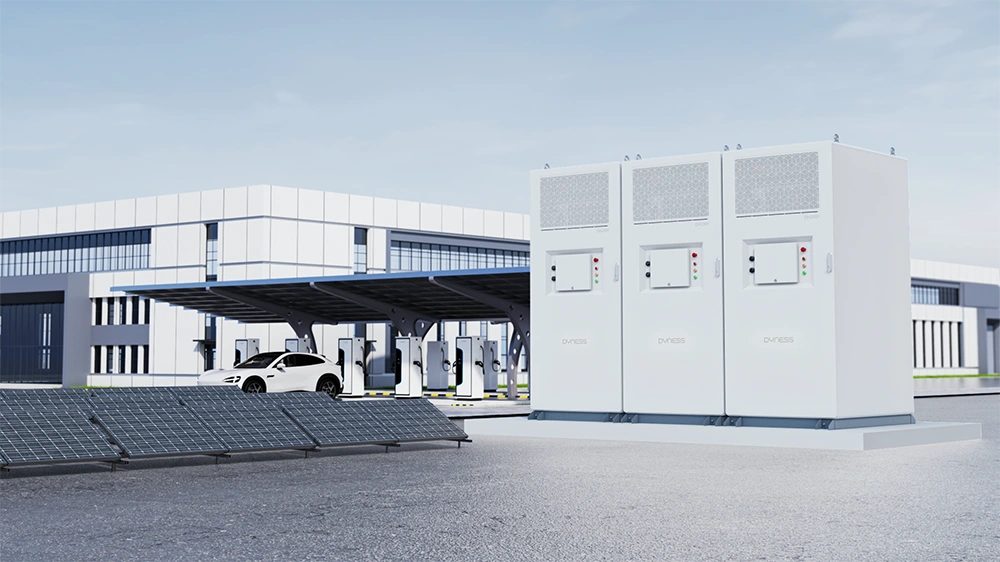
Commercial and industrial users often face more complex electricity cost structures than residential users. A business may pay for both total electricity consumption and peak power demand.
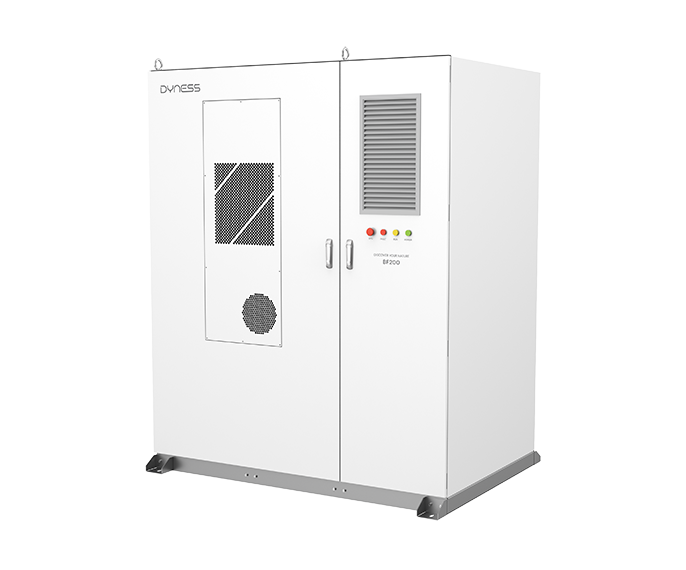
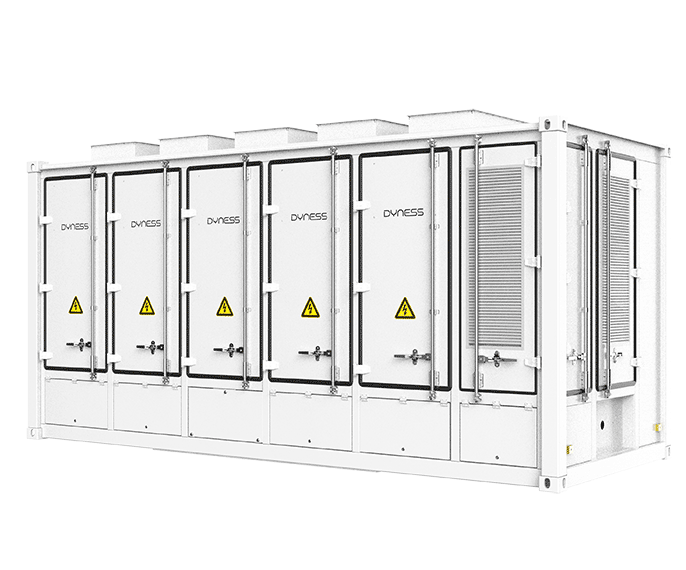
Dyness C&I energy storage can help businesses manage electricity costs by coordinating battery operation with site loads, PV generation, tariff periods, and EMS strategies.
| Business Cost Problem | How Dyness Energy Storage Helps |
|---|---|
| Peak demand charges | The system can discharge during high-load periods to reduce peak grid demand where demand charges apply. |
| Large peak-to-valley price differences | The battery can charge during lower-price periods and discharge during higher-price periods according to the project strategy. |
| Low on-site PV utilization | Surplus solar energy from rooftops or site PV systems can be stored and used later for production, office loads, or facility operation. |
| Load spikes from equipment operation | Energy storage can help smooth sudden load increases caused by production equipment, HVAC systems, elevators, pumps, or charging facilities. |
| Uncontrolled energy use across operating hours | EMS strategies can coordinate charging and discharging with business schedules, load behavior, and electricity tariff windows. |
For businesses, the value of storage is often linked to reducing peak demand, improving PV utilization, and managing energy use according to real operating conditions.
How Dyness Energy Storage Solves Cost Problems Through Energy Management
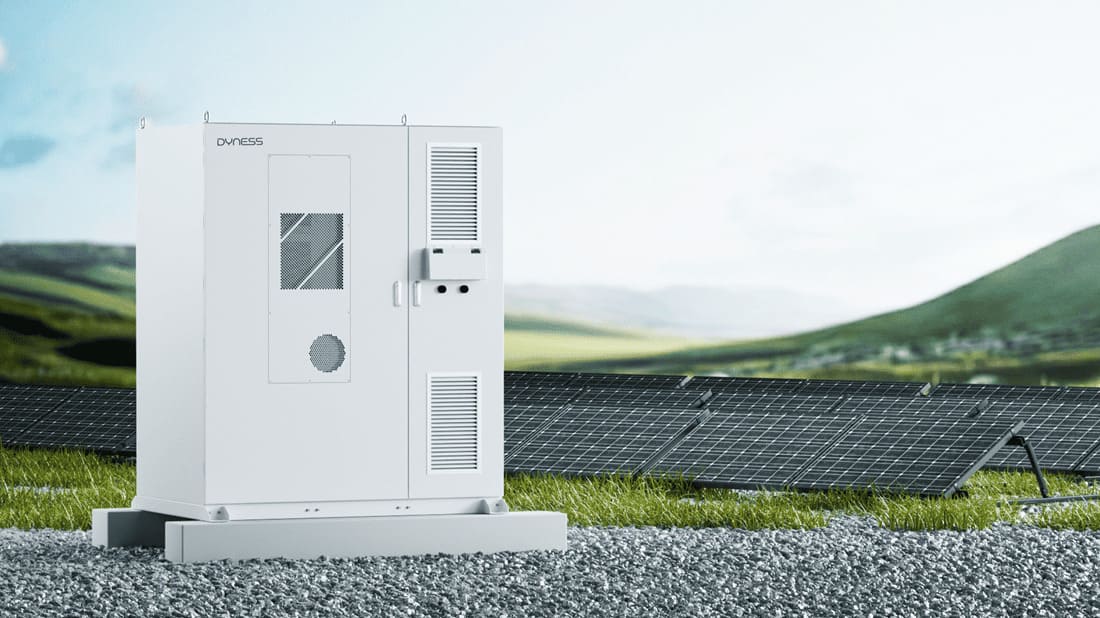
Dyness energy storage helps solve high electricity cost problems by making electricity use more flexible. Instead of relying only on the grid at the moment electricity is needed, users can store energy first and use it later.
| Energy Management Strategy | Cost-Saving Logic |
|---|---|
| Solar self-consumption | Store surplus PV energy and use it later to reduce grid electricity purchases. |
| Peak shaving | Discharge the battery during high-load periods to reduce peak grid demand. |
| Valley filling | Charge during off-peak or lower-price periods and prepare stored energy for later use. |
| Time-of-use optimization | Shift energy use away from expensive electricity periods where local rules and system configuration allow. |
| Backup reserve control | Balance daily cost savings with emergency power availability during outages. |
The right strategy depends on whether the user is a household, small business, factory, farm, warehouse, supermarket, or charging site. Each project should be configured according to actual electricity data and project goals.
Key Factors That Decide How Much Cost Can Be Reduced
Energy storage can help reduce electricity costs, but the actual result depends on project conditions. A battery system should be sized and configured based on real data.
| Factor | Why It Matters |
|---|---|
| Electricity tariff structure | Time-of-use prices, demand charges, peak rates, fixed charges, and export rules all affect savings potential. |
| Load profile | Users with high evening demand, strong peak loads, or predictable operating schedules may benefit more from storage. |
| PV generation | The more surplus solar energy is available, the more energy can potentially be stored for later use. |
| Battery capacity | Capacity determines how much energy can be shifted from low-cost or solar-rich periods to high-value periods. |
| Inverter or PCS power | Power rating affects whether the system can charge or discharge fast enough during the target time window. |
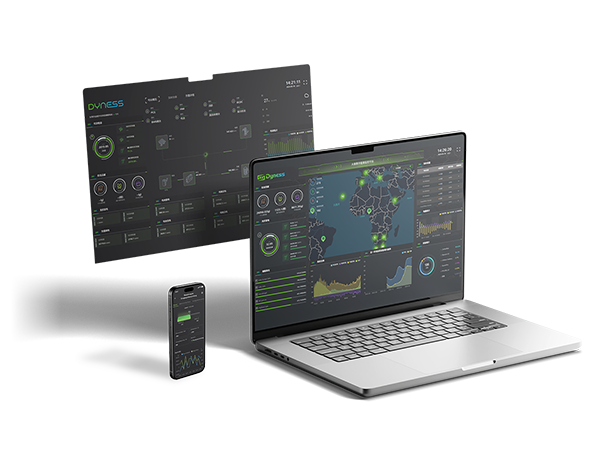
| EMS strategy | The control logic determines whether the battery charges and discharges at the most valuable time. |
| Local grid rules | Grid charging, export limits, metering rules, and permitting requirements may affect system operation. |
The best cost reduction result comes from matching the battery system with actual electricity bills, PV production, load behavior, and local regulations.
Which Dyness Solutions Fit Different Cost Problems?
Different cost problems require different Dyness solution directions. The right system should be selected according to application type, power demand, capacity needs, PV system, installation conditions, and energy management goals.
| Cost Problem | Dyness Solution Direction | Main Application Value |
|---|---|---|
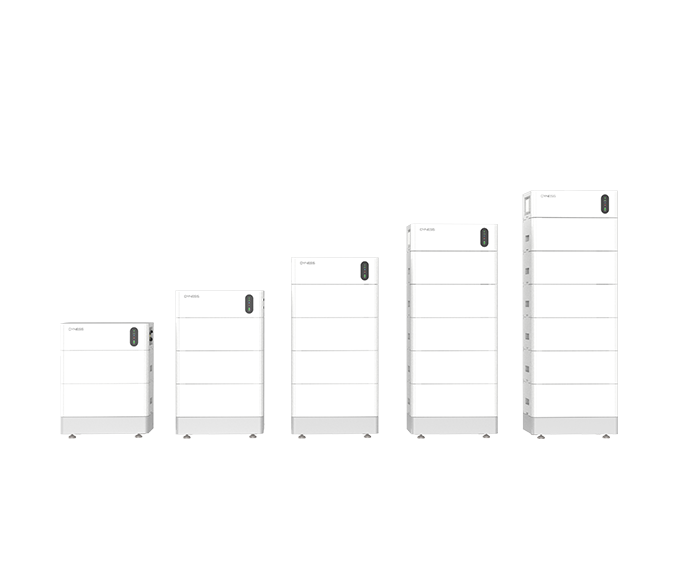
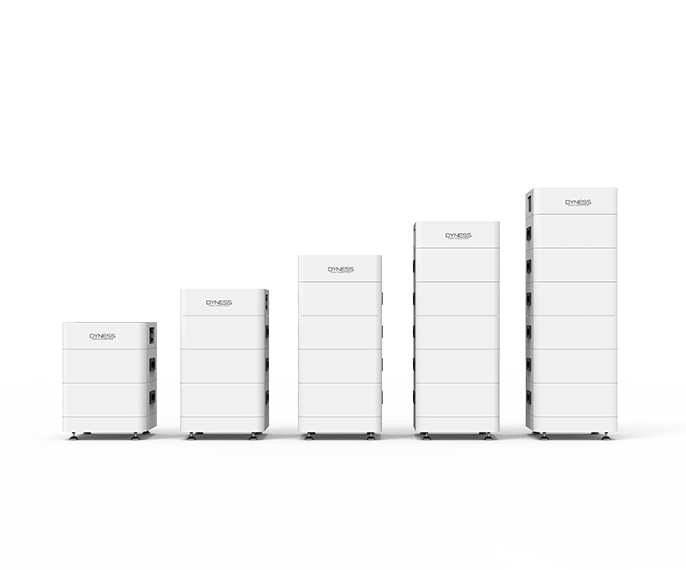
| Household evening electricity cost | PowerBox G2, PowerBrick, DL5.0C, or other suitable residential platforms where compatible. | Store daytime solar energy and support evening household loads. |
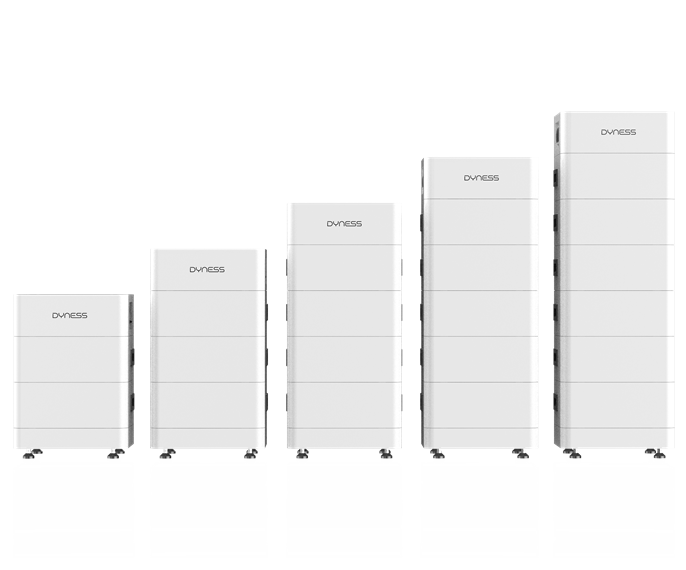
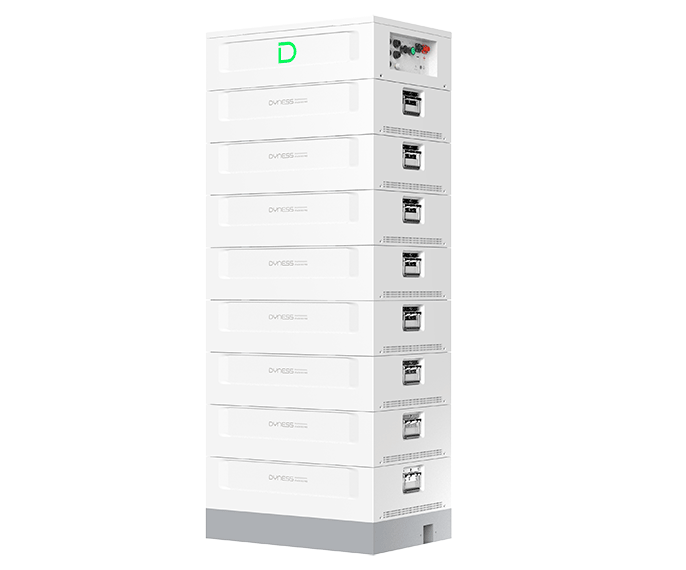
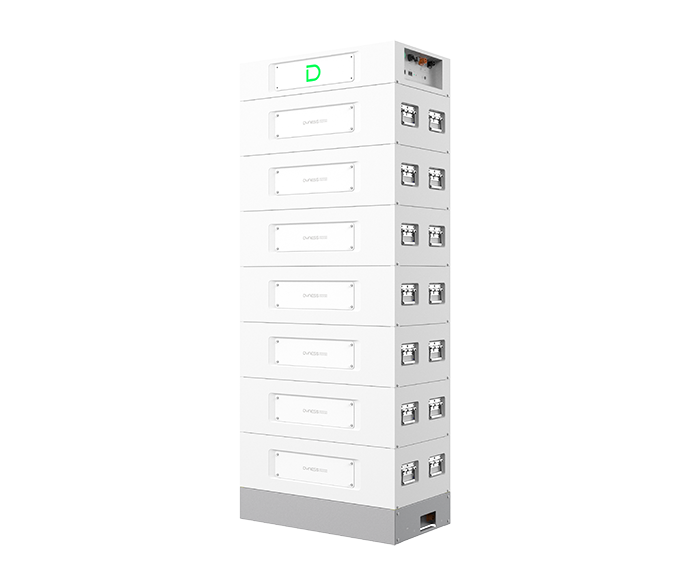
| High-load home energy demand | Tower Series, Tower Pro, STACK100 Pro, or other modular high-capacity solutions where suitable. | Support larger capacity planning, future expansion, and high-demand household scenarios. |
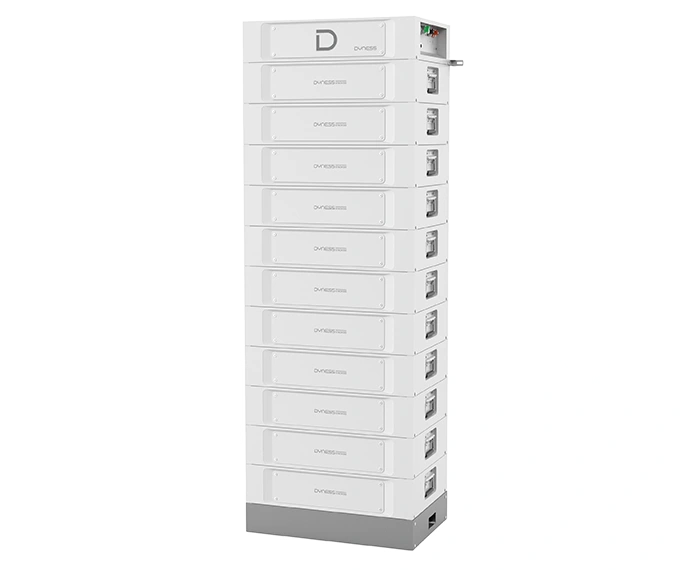
| Small business electricity cost pressure | STACK100 or other modular solutions where project conditions match. | Improve PV utilization, support load management, and provide flexible system configuration. |
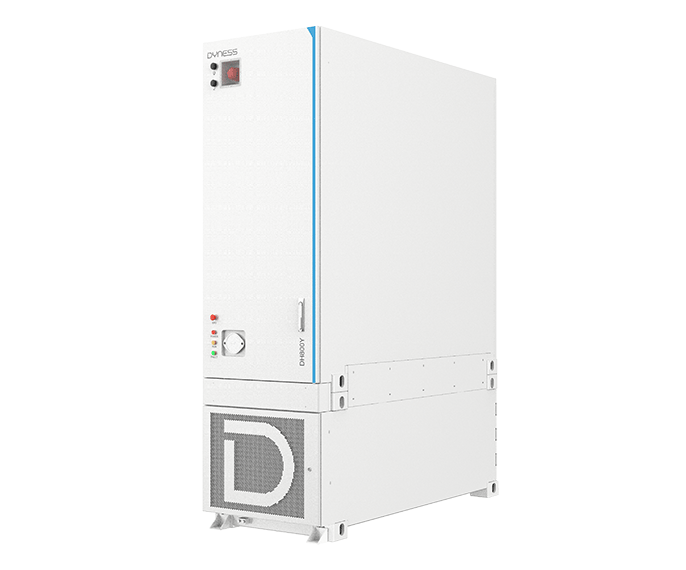
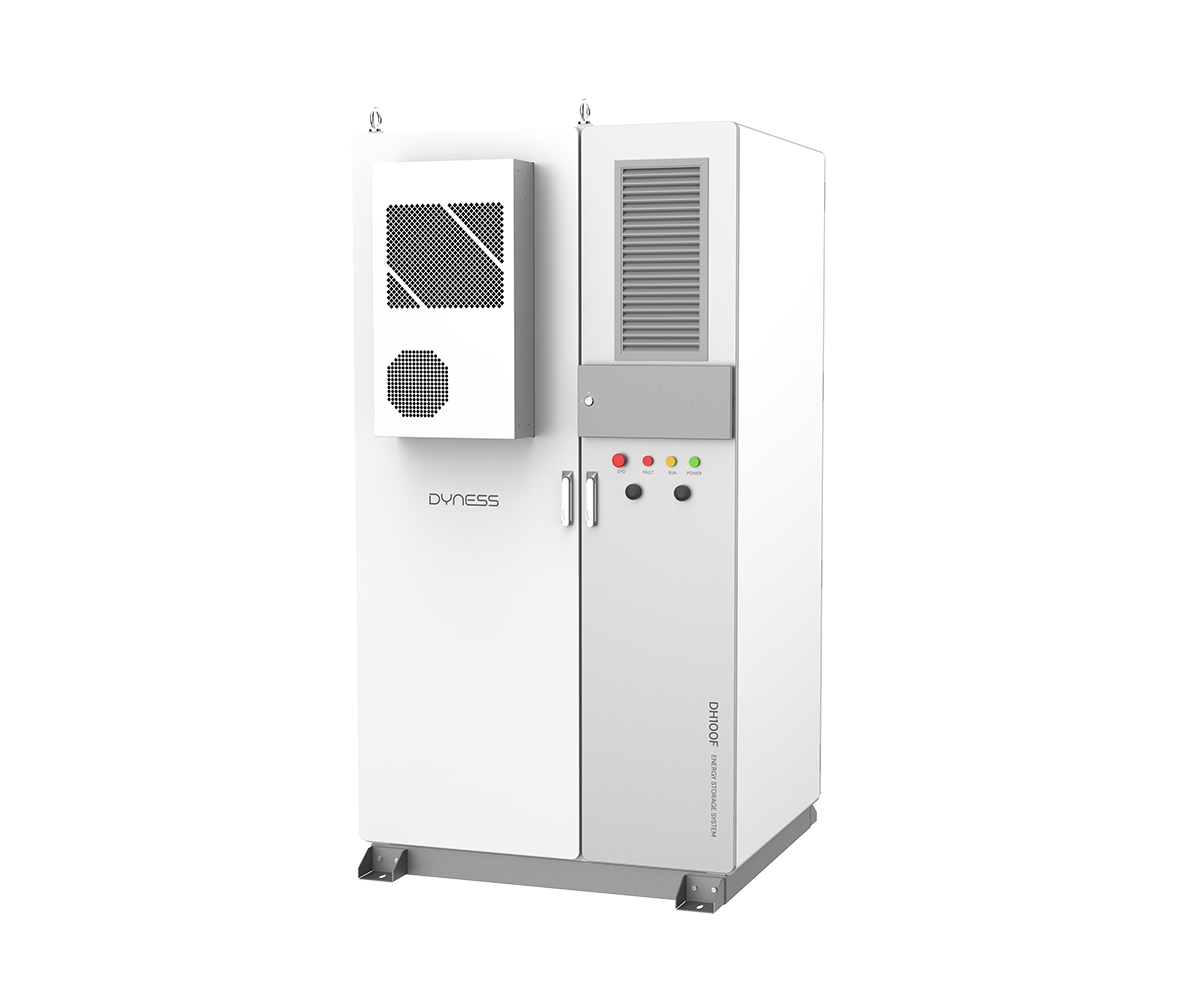
| Commercial peak demand and TOU costs | DH200F-C260, DH200Y-C260, DH800Y, or other suitable C&I ESS platforms. | Support peak shaving, demand charge reduction, valley filling, PV utilization, and EMS-based energy management. |
Final product selection should always be confirmed according to Dyness technical documentation, inverter or PCS compatibility, installation environment, local regulations, and qualified professional assessment.
Common Misunderstandings About Solving High Electricity Costs
Misconception 1: Energy storage directly reduces electricity consumption.
Reality: Energy storage mainly changes when and how electricity is used. It stores energy during low-cost or solar-rich periods and uses it later during higher-value periods.
Misconception 2: A larger battery always solves high electricity costs better.
Reality: Battery capacity should match PV surplus, load demand, peak duration, inverter or PCS power, and operating strategy. Oversizing may increase investment without improving actual savings.
Misconception 3: Homes and businesses save money in the same way.
Reality: Households usually focus on solar self-consumption and time-of-use savings. Businesses may also need to manage peak demand, demand charges, production loads, and EMS scheduling.
Misconception 4: Peak shaving can be achieved by the battery alone.
Reality: Peak shaving requires battery capacity, PCS or inverter power, accurate metering, EMS strategy, and correct commissioning.
Misconception 5: Energy storage can eliminate all electricity costs.
Reality: Fixed charges, grid usage, weather conditions, limited PV generation, local tariff rules, and backup reserve needs may still affect the electricity bill.
Final Takeaway
Dyness energy storage can help solve multiple high electricity cost problems for homes and businesses, including low solar self-consumption, high evening demand, time-of-use price pressure, peak demand charges, low PV utilization, and uncontrolled load peaks.
For households, the main value is usually storing surplus solar energy, supporting evening electricity use, reducing expensive grid purchases, and improving daily energy flexibility.
For businesses, the value may include peak shaving, demand charge reduction, valley filling, PV utilization improvement, and EMS-based operating strategy optimization.
The best result comes from system-level design. Battery capacity, inverter or PCS power, PV generation, load profile, electricity tariff structure, backup requirements, EMS strategy, and local regulations must be considered together.
Before choosing a Dyness energy storage system, users should review electricity bills, load curves, PV generation data, installation conditions, and energy management goals. A professional assessment can help match the right Dyness solution to the actual cost problem.
FAQ
-
Q: What high electricity cost problems can Dyness energy storage help solve?

A: Dyness energy storage can help address low solar self-consumption, high evening electricity demand, time-of-use price pressure, peak demand charges, low PV utilization, and uncontrolled load peaks, depending on system design and local tariff rules.
-
Q: Can Dyness energy storage reduce household electricity bills?
A: Yes, in suitable configurations. Dyness home energy storage can store surplus solar energy or lower-cost electricity and use it later during evening demand or higher-price periods.
-
Q: Can Dyness C&I energy storage reduce business electricity costs?
A: Dyness C&I energy storage can support peak shaving, demand charge reduction, time-of-use optimization, PV utilization, and EMS-based load management. Actual savings depend on site load profile, tariff rules, and system configuration.
Learn More