





















Best System Architectures for High-Yield Commercial Solar Projects


Get notified about new updates, products, tips and tutorials. No spam.
Maximizing the financial return of a commercial photovoltaic project requires more than installing additional solar capacity. The system architecture must coordinate solar generation, battery storage, facility loads, and grid interaction so that clean energy can be used when it creates the greatest operational and financial value.
For commercial and industrial projects, the most effective architecture depends on load curves, peak demand, system voltage, scalability, inverter compatibility, site constraints, and long-term operating requirements.

Why Commercial Solar Projects Need Integrated Energy Storage
Commercial and industrial facilities often experience large changes in electricity demand throughout the day because of production equipment, HVAC systems, logistics operations, and other high-power loads.
Solar generation does not always match these consumption patterns. A facility may produce its highest PV output during periods when local demand is relatively low, causing surplus electricity to be exported or underused.
Stationary battery storage helps address this mismatch by capturing excess solar generation and releasing it later during high-load or high-tariff periods. This can improve solar self-consumption, reduce grid dependence, and provide additional operational resilience during suitable backup scenarios.
Build the Architecture Around Load Curves and Power Flow
A high-yield commercial solar project should begin with a clear understanding of how energy moves through the facility. Engineers need to evaluate PV generation, daily load curves, peak power demand, grid import and export conditions, and the expected role of battery storage.
The integration strategy determines how efficiently power moves between solar generation, battery storage, power conversion equipment, and facility distribution systems. Reducing unnecessary conversion stages and poorly matched components can simplify the overall balance of plant.
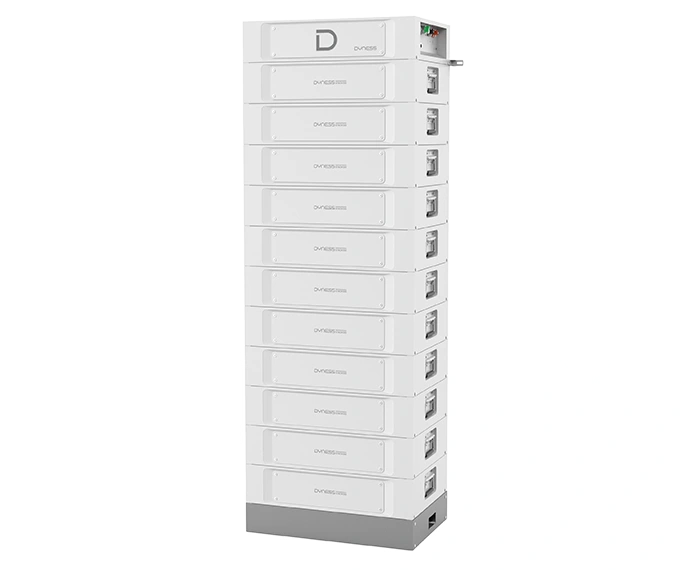
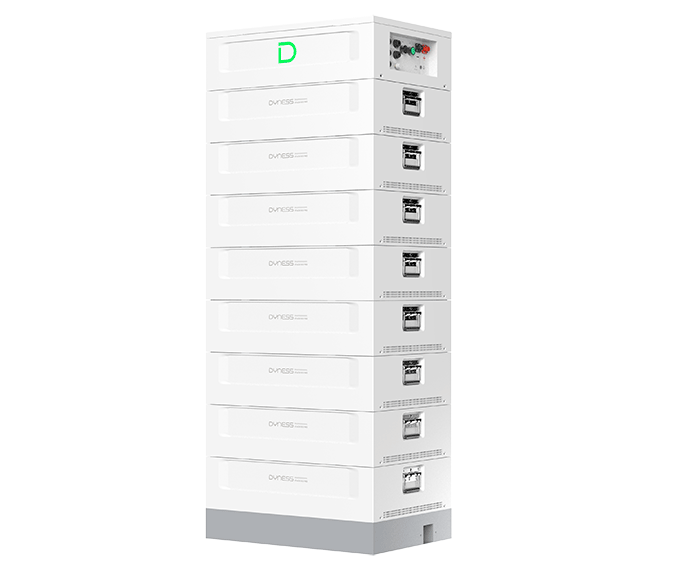
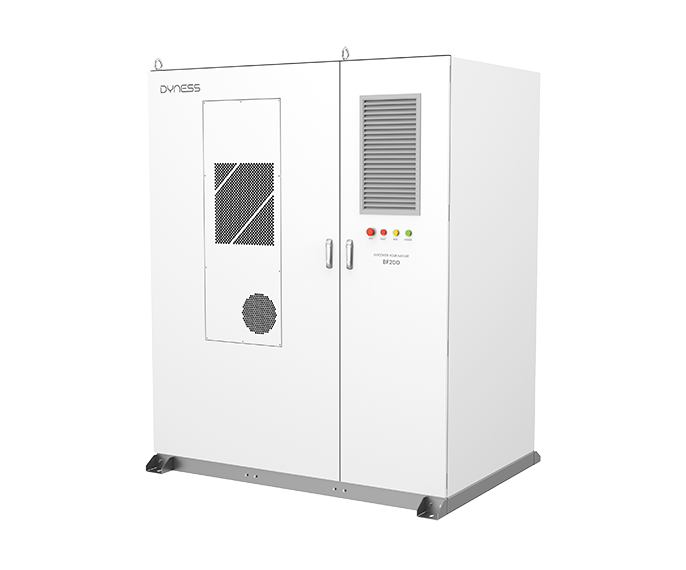
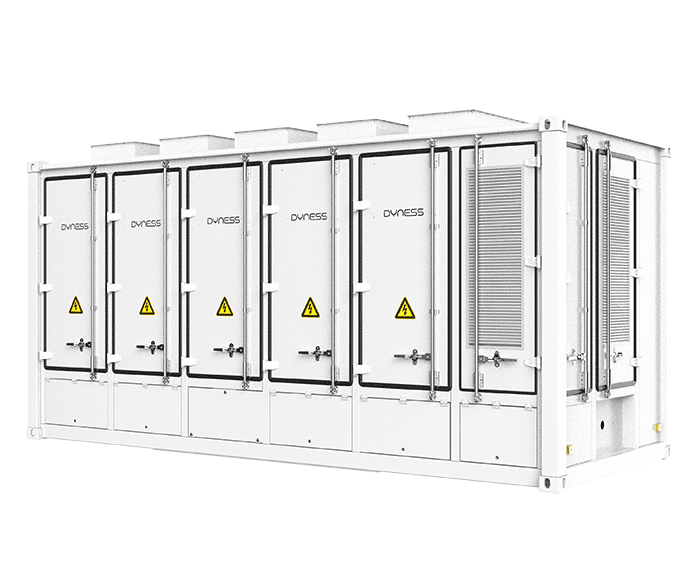
Comprehensive energy storage system solutions can help coordinate renewable generation and building loads more effectively. The final architecture should be selected according to the site’s actual operating profile rather than using the same configuration for every commercial project.

Use Modular Capacity Expansion for Future Load Growth
Commercial energy requirements rarely remain fixed throughout the lifetime of a facility. Production expansion, additional equipment, EV fleet charging, new buildings, or larger solar arrays can all increase future electricity demand.
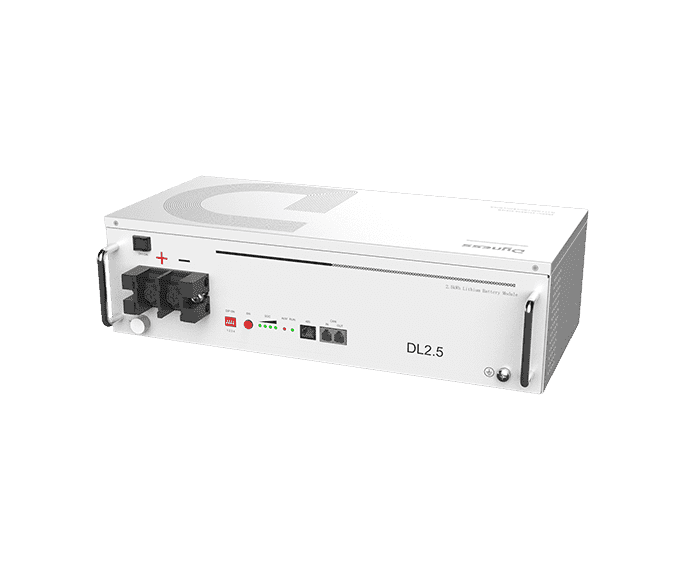
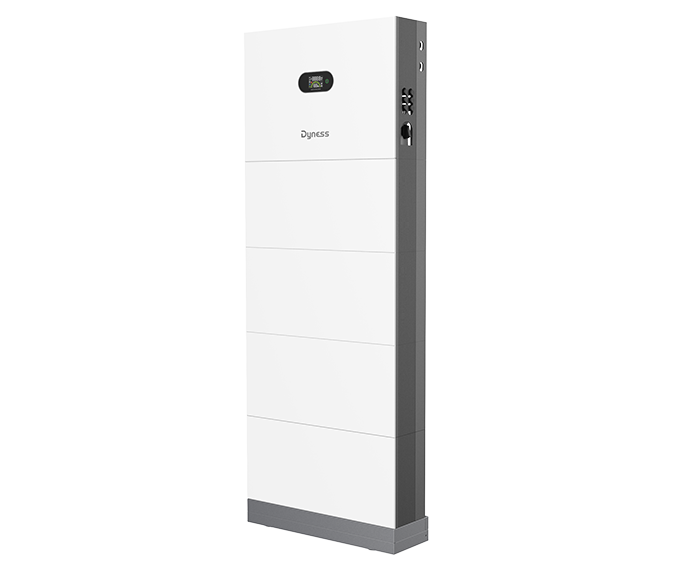
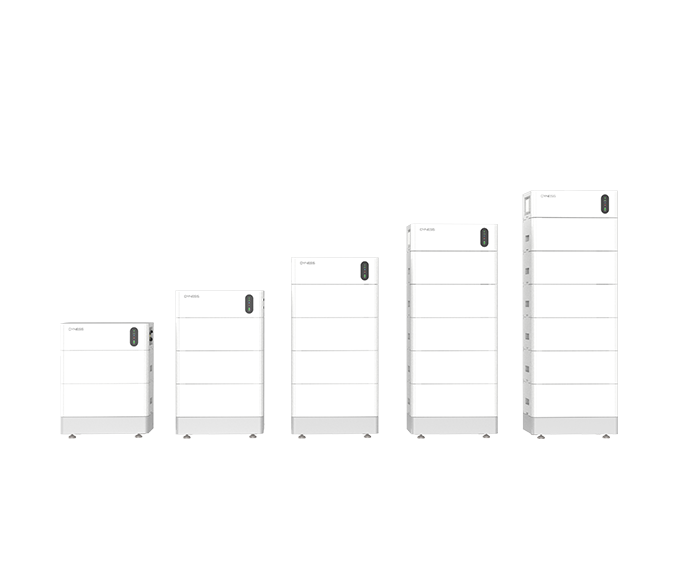
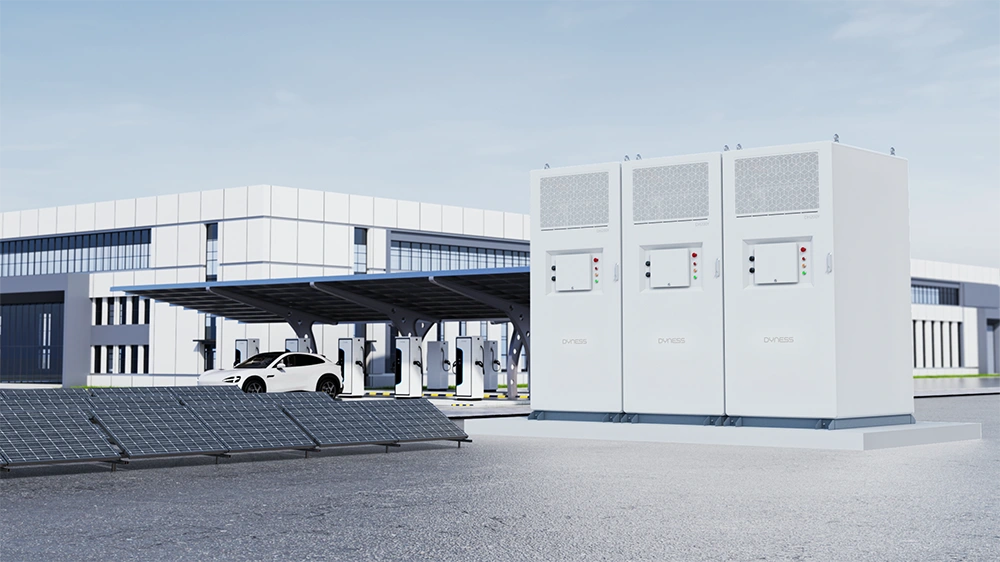
A rigid storage architecture may limit the value of the original investment if the system cannot expand efficiently. Modular designs provide a clearer upgrade pathway by allowing compatible battery units or system blocks to be added as energy requirements grow.
Parallel expansion can help system integrators move from smaller baseload-support configurations toward larger energy reserves without redesigning the entire project from the beginning.
For long-term planning, buyers should evaluate approved parallel limits, communication architecture, physical installation space, power conversion capacity, and future expansion requirements before finalizing the initial system design.
High-Voltage Architecture and Inverter Compatibility
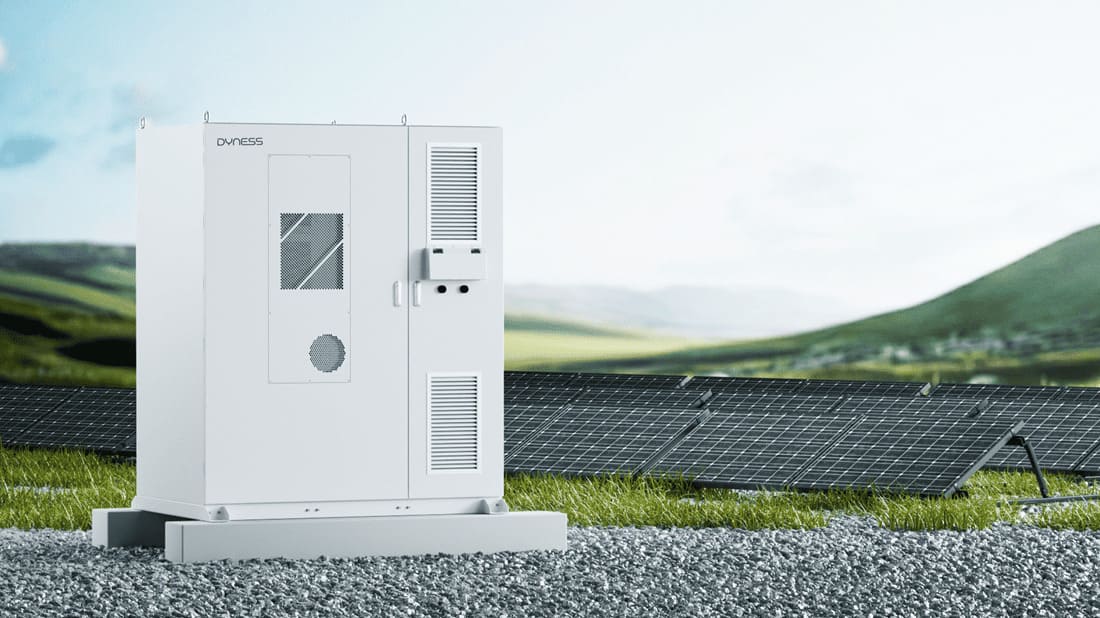
Large commercial facilities often need to transfer substantial amounts of power between solar arrays, battery systems, and facility loads. High-voltage architectures can reduce current for the same power level, helping lower resistive losses and thermal stress across cables and electrical components.
This can improve system efficiency and make high-voltage configurations suitable for larger commercial and industrial applications when matched correctly with the power conversion equipment.
Reliable communication between the battery management system and the inverter or PCS is equally important. Communication mismatches can affect charging, discharging, protection functions, system status reporting, and overall coordination.
Dyness develops energy storage systems with communication interfaces designed to support integration with major global inverter brands, helping system integrators reduce commissioning complexity across different project environments.
Maintenance, Site Adaptation, and Customized Engineering
Commercial solar-plus-storage projects are long-term infrastructure investments, so system architecture should also consider maintenance requirements and operational reliability after commissioning.
Automated cell monitoring, battery balancing, thermal management, and system diagnostics can help reduce unnecessary manual intervention and make long-term operation easier for facility managers and regional service teams.
Site-specific conditions also influence system design. Different projects may have unique grid-connection rules, available installation space, environmental conditions, electrical layouts, and load requirements that cannot always be addressed with a single standardized configuration.
Dyness works with commercial partners to support flexible engineering and system integration based on project-specific requirements. The final design should match the facility’s load profile, site constraints, safety requirements, and long-term expansion strategy.
Conclusion
High-yield commercial solar projects depend on more than photovoltaic generation alone. The system architecture should coordinate solar production, battery storage, facility loads, and grid interaction according to real operating conditions.
High-voltage design, modular scalability, inverter compatibility, efficient power flow, and low-maintenance operation are key factors when evaluating commercial energy storage architectures.
For commercial and industrial users, a well-designed solar-plus-storage system can improve renewable energy utilization, reduce peak grid dependence, support future capacity expansion, and strengthen long-term energy management.
FAQ
-
Q: How much electricity cost can Dyness energy storage save?
 A: There is no fixed saving amount for every user. Savings depend on electricity tariffs, PV generation, battery capacity, load profile, inverter or PCS power, system efficiency, operating strategy, and local regulations.
-
Q: Does Dyness energy storage support grid-connected peak shaving and valley filling?
A: Yes, Dyness energy storage systems can support grid-connected peak shaving and valley filling in suitable project configurations. The final performance depends on battery capacity, PCS or inverter power, EMS strategy, load profile, metering accuracy, and local grid requirements.
-
Q: Should Dyness C&I energy storage be sized according to a company’s daily electricity consumption?
A: No. Daily electricity consumption can only help understand the company’s overall energy scale. What energy storage really needs to match is the load during target time periods and the amount of energy that can be shifted. The first step is to determine how many kW are needed. Then determine how many hours this power needs to last. This gives the final kWh requirement.
Learn More