























Dyness STACK280 Powers a Smarter Volkswagen Dealership in Austria
-
Company News
-
 2026-09-24
 -
 Dyness

As electricity costs rise and electric mobility accelerates, automotive dealerships are facing increasingly complex energy demands. Beyond lighting and showroom operations, workshops require reliable power for equipment, while growing EV adoption is creating new charging loads.
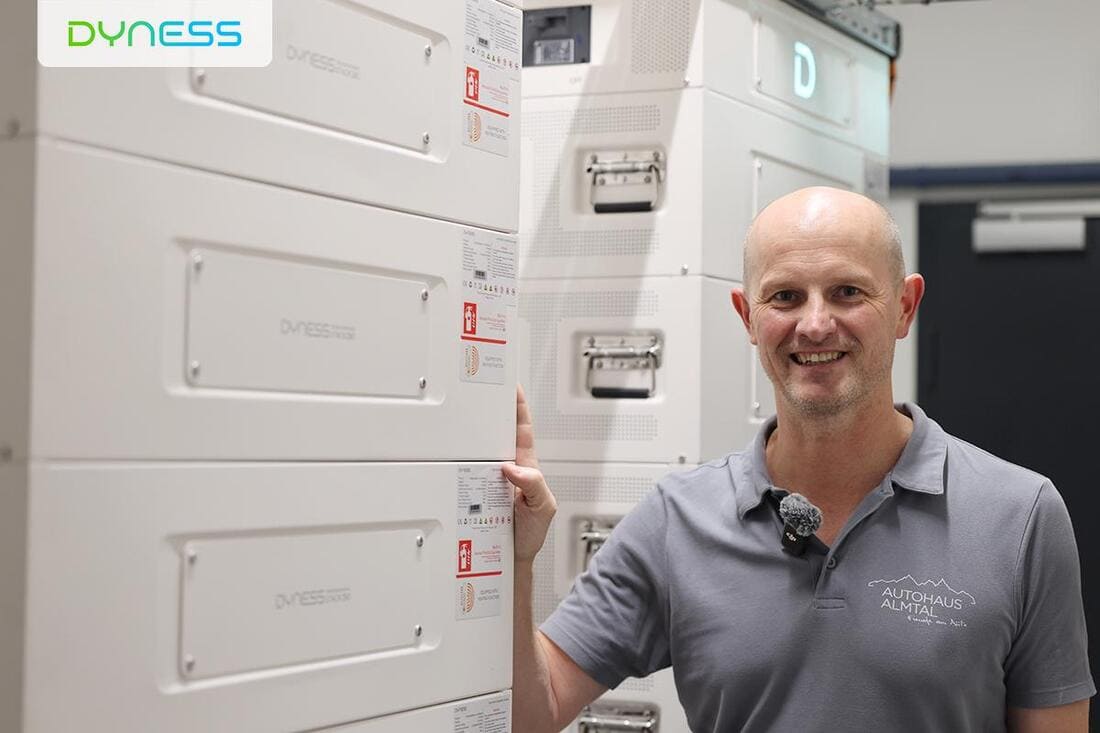
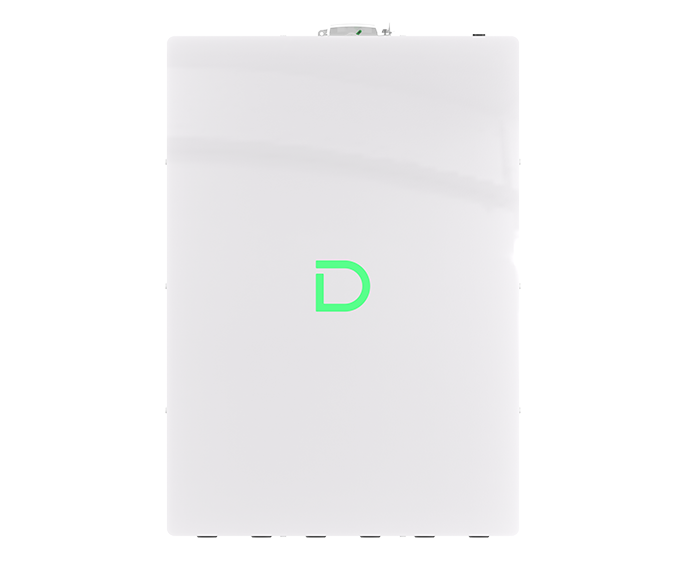
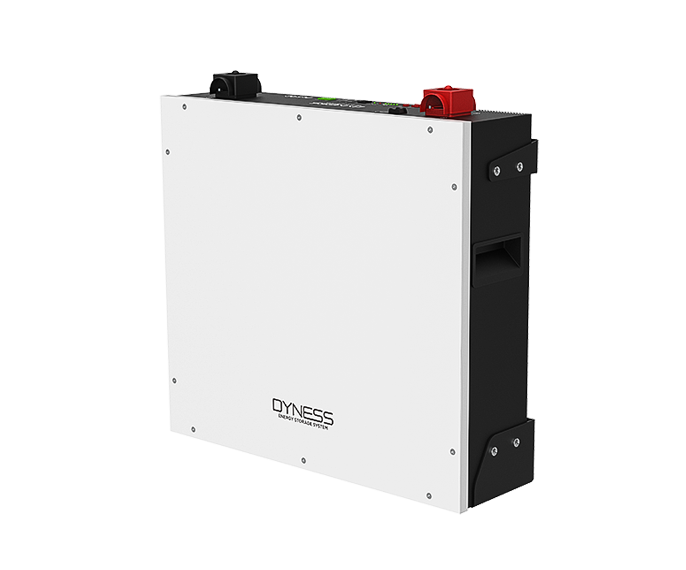
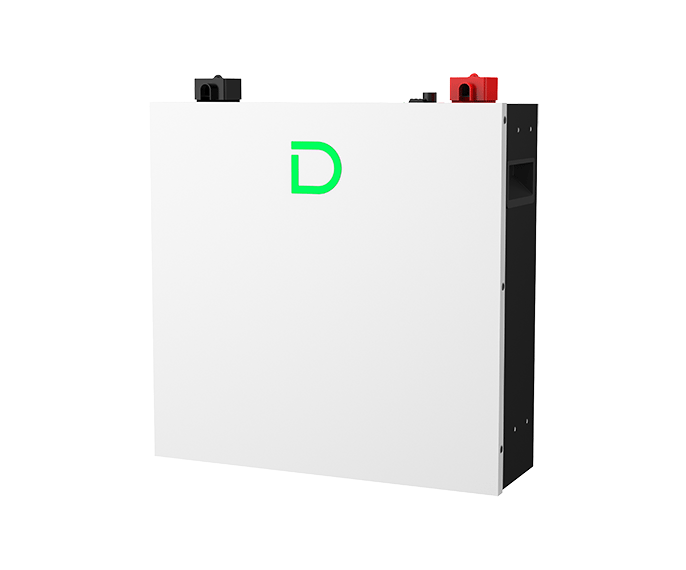
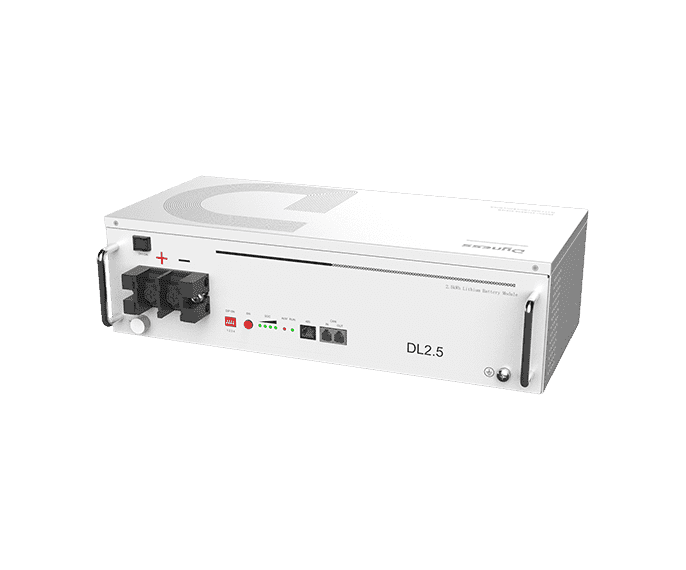
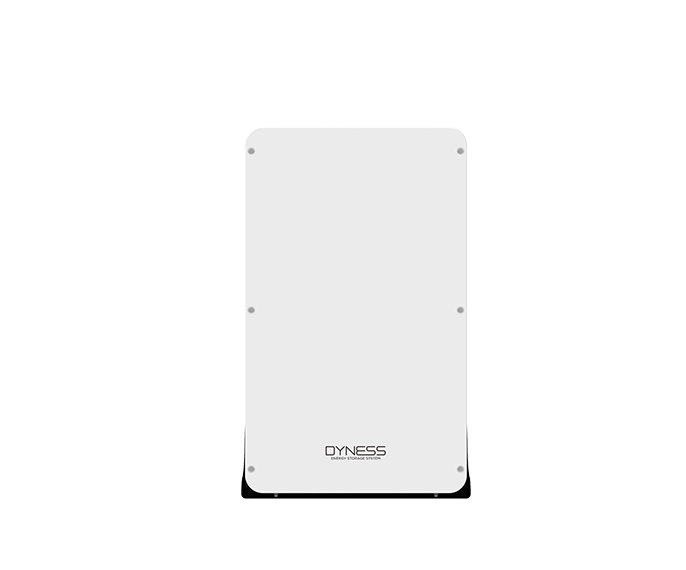
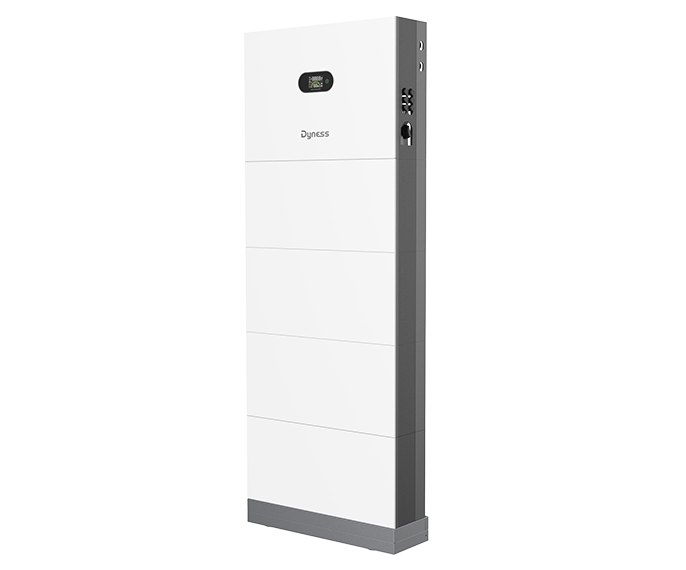
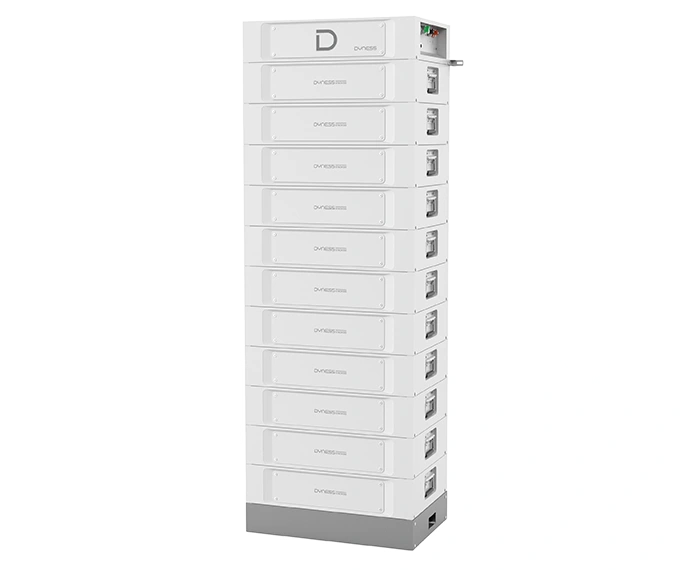
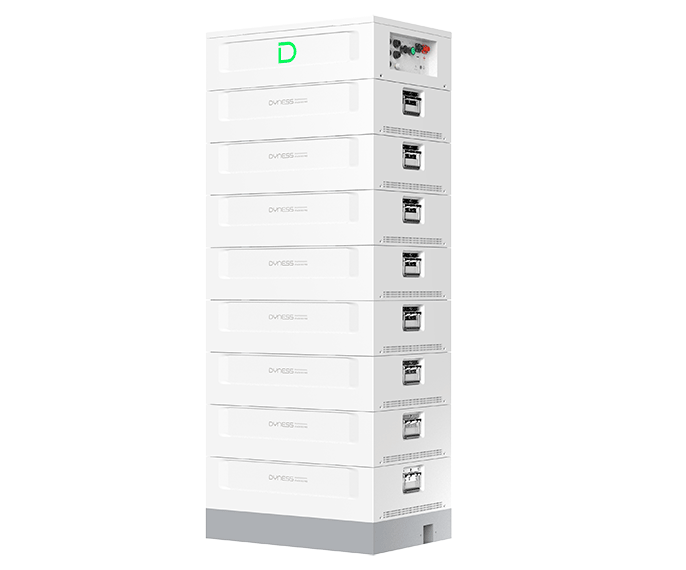
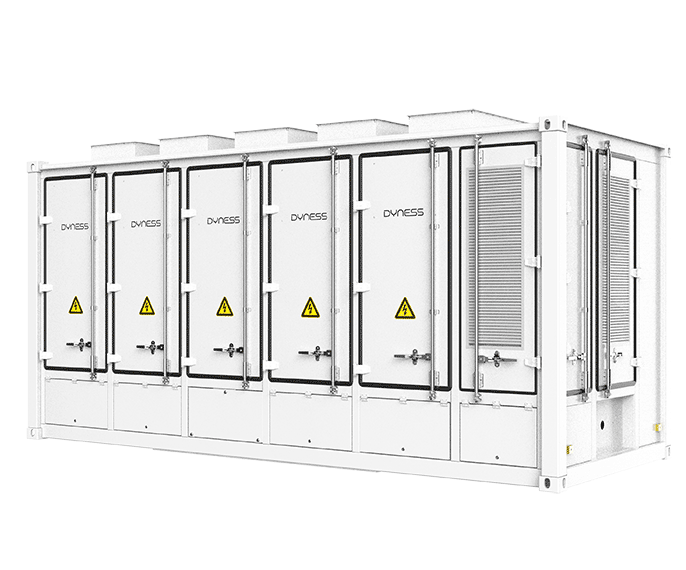
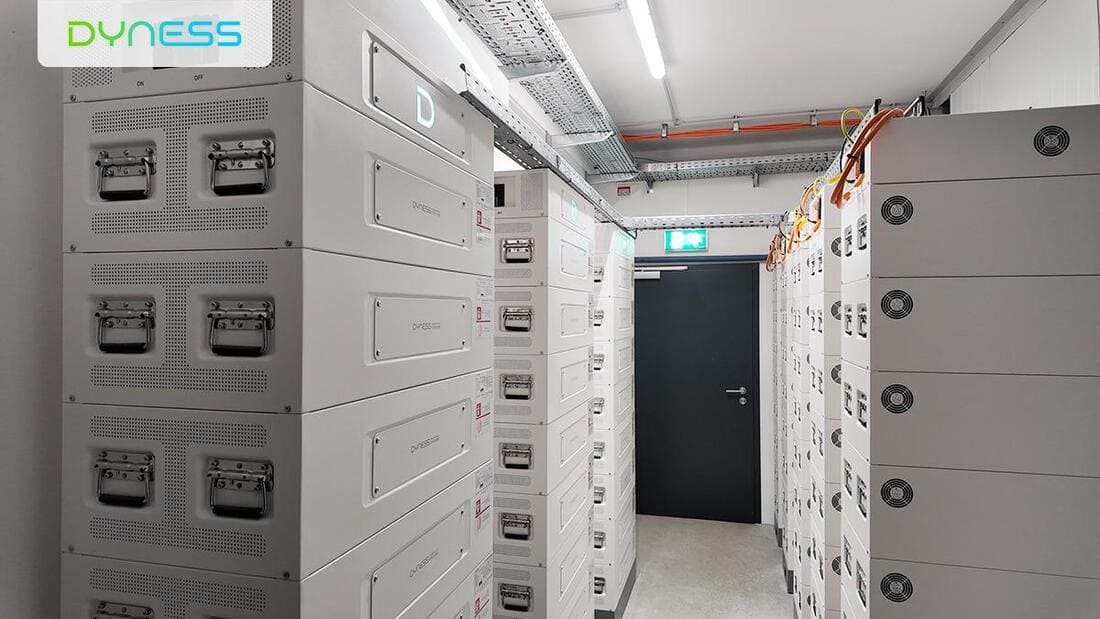
Located in Scharnstein, Austria, Autohaus Almtal, a Volkswagen dealership, has deployed a 917.5 kWh Dyness STACK280 energy storage system to address these challenges. Comprising 8 clusters with 8 battery modules each, the system provides a scalable energy foundation for daily dealership operations while supporting the site's evolving EV charging needs.
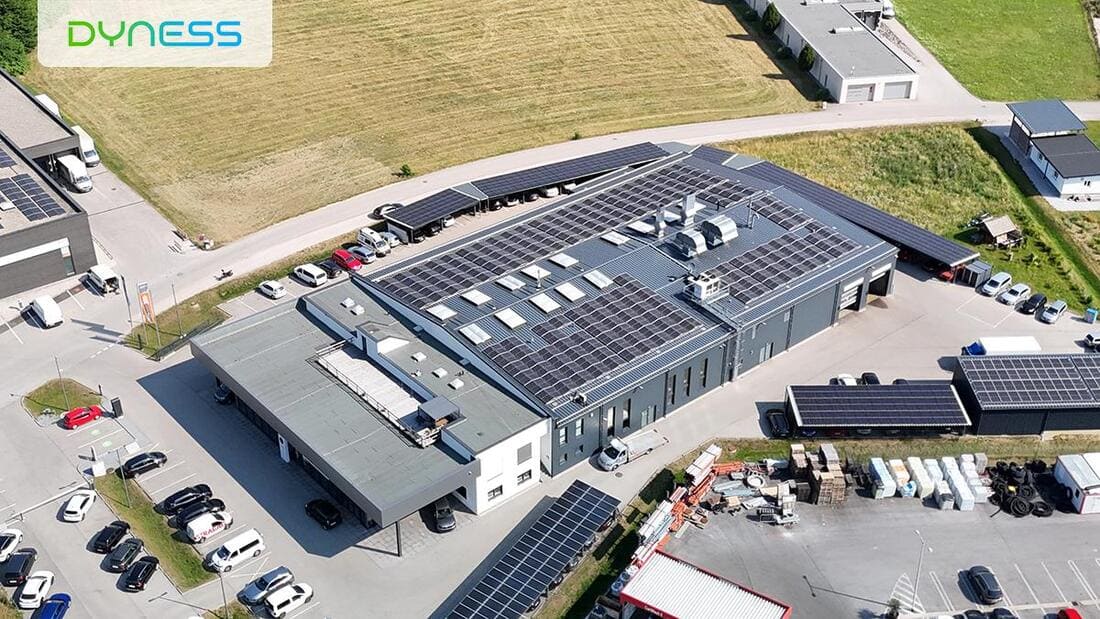
Commercial Energy Challenge: Managing High and Variable Loads
For an integrated automotive business combining vehicle sales, maintenance services and EV charging, electricity consumption can fluctuate significantly throughout the day. Showroom lighting and equipment create continuous loads, workshop machinery introduces high-power demand, while EV charging can generate additional concentrated loads.
At the same time, expanding grid capacity can involve significant infrastructure costs and lengthy planning processes. For businesses like Autohaus Almtal, the challenge is therefore not simply securing enough electricity, but managing when and how energy is consumed to control costs while maintaining reliable operations.
System Deployment: 917.5 kWh of Flexible Energy Storage
To meet these requirements, Autohaus Almtal deployed a Dyness STACK280 system with a total nominal capacity of 917.5 kWh, configured across eight clusters.
The system can store excess solar generation when renewable electricity is available and discharge during periods of high consumption, helping shift energy use away from expensive peak periods. During concentrated EV charging or periods of high workshop demand, the battery can also provide additional power to reduce pressure on the grid connection.
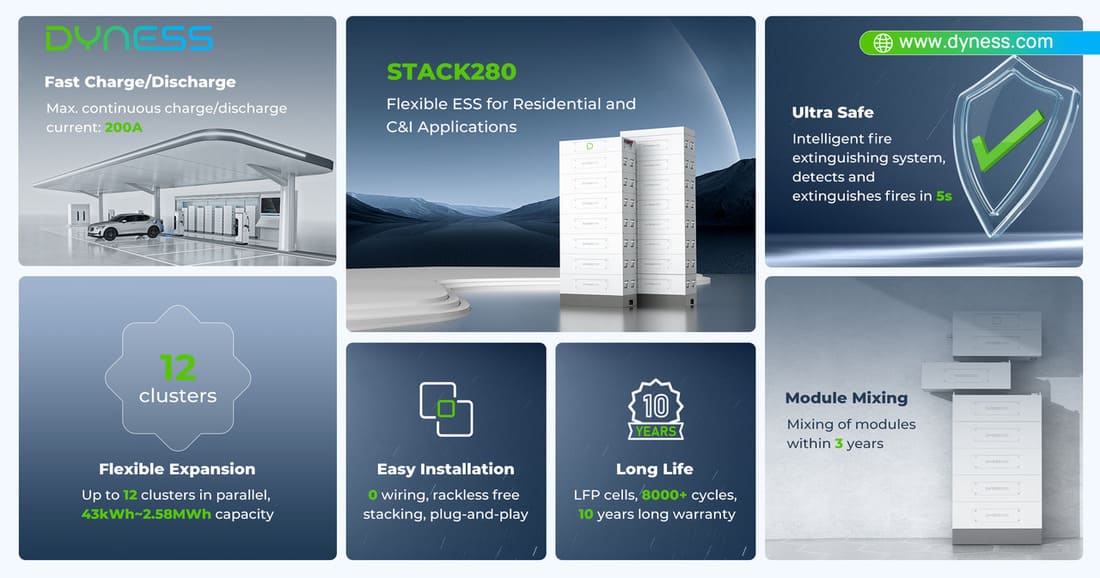
With a maximum continuous charge and discharge current of 200A per cluster, the eight-cluster configuration provides substantial power flexibility for commercial loads. The result is a more responsive energy system capable of coordinating generation, storage and consumption across different dealership operations.
Dyness STACK280: Turning Energy Storage into Business Value
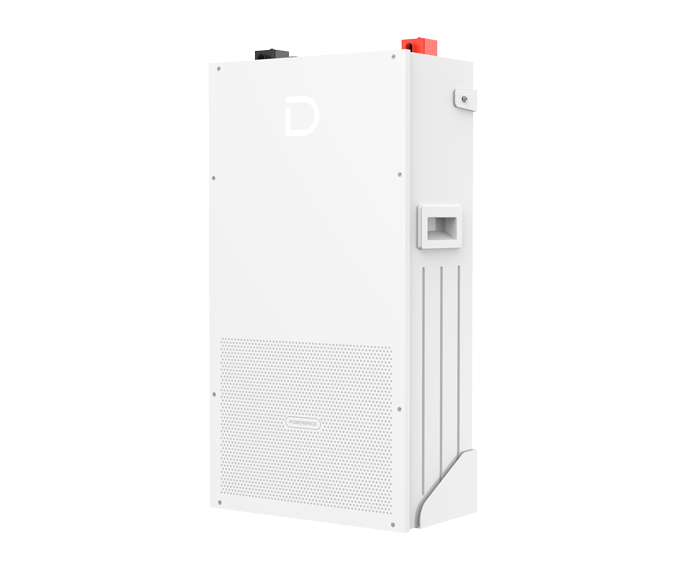
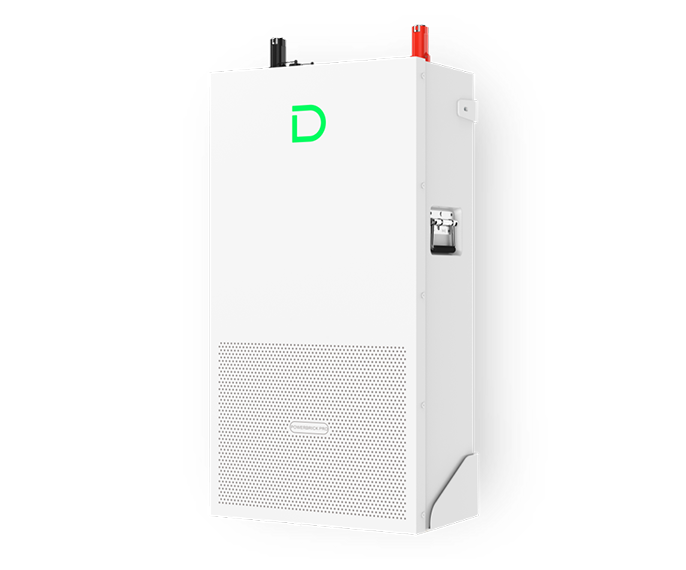
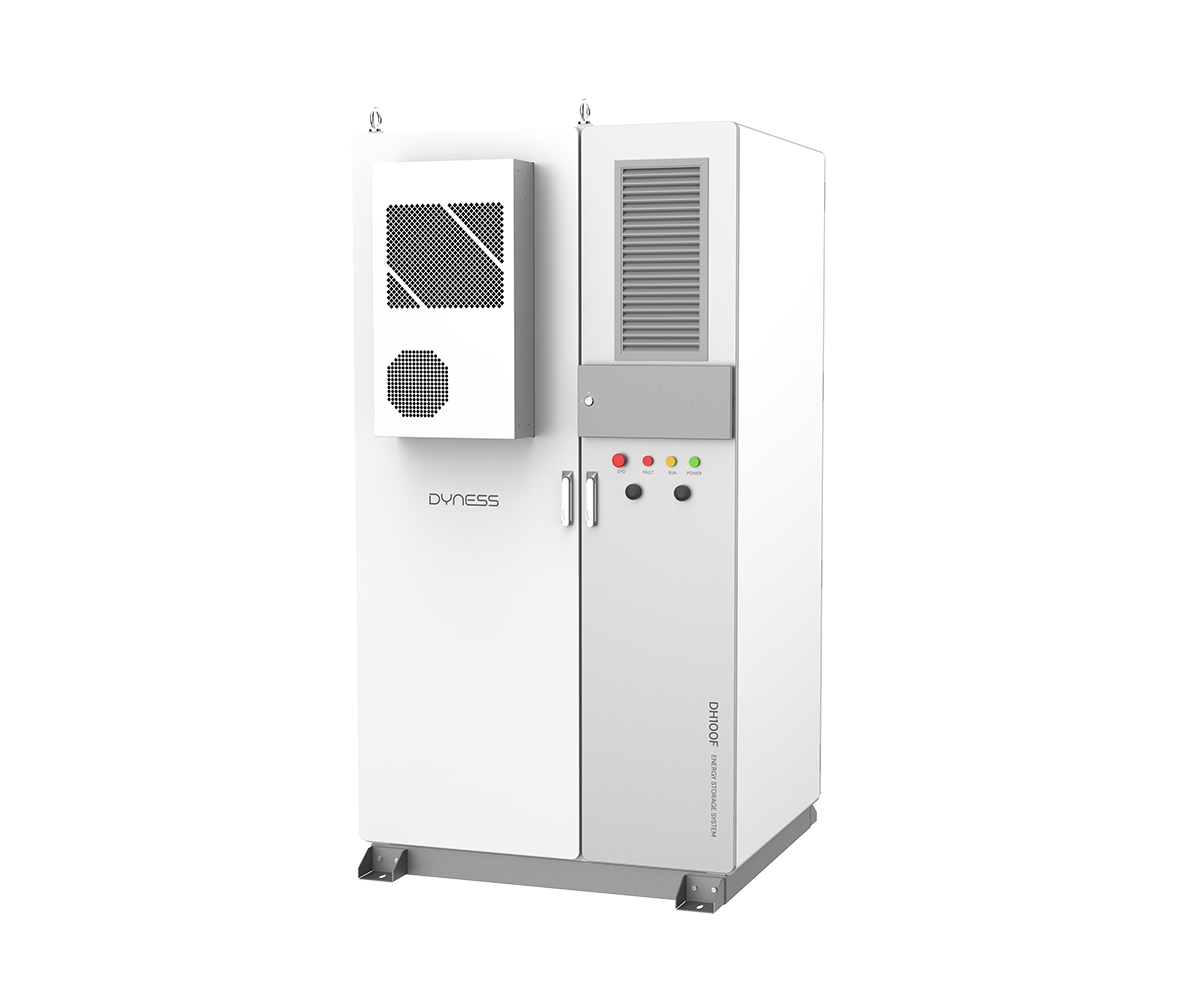
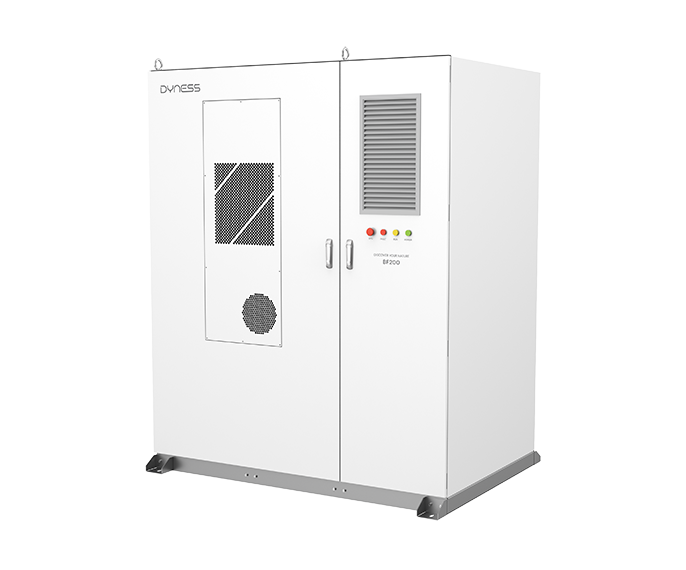
STACK280 is designed for small commercial and industrial applications where scalability, installation efficiency and operational reliability are critical.
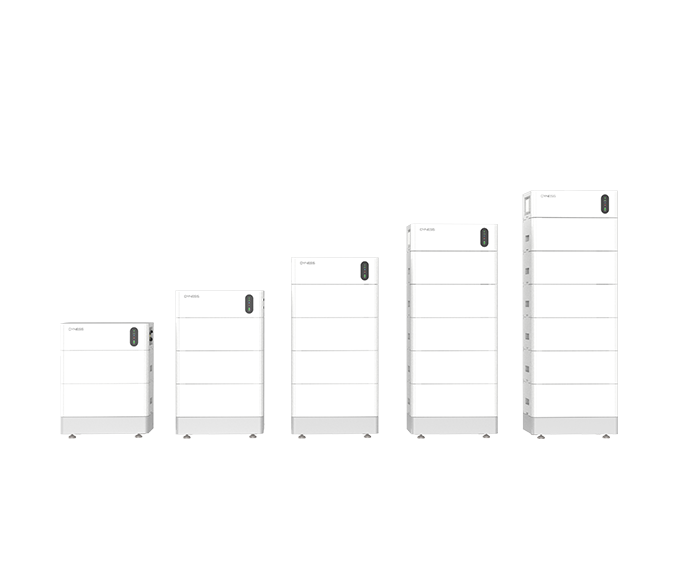
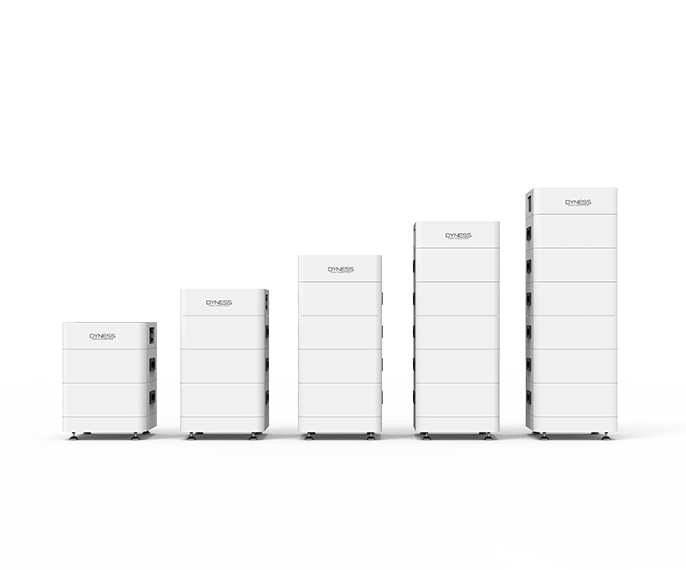
Its rackless, stackable architecture simplifies deployment, while supporting up to 12 clusters in parallel and system expansion to more than 2 MWh. For Autohaus Almtal, the 917.5 kWh configuration provides substantial storage capacity today while leaving room for future energy demand growth, including additional EV charging infrastructure.
More importantly, the system creates tangible opportunities for energy cost optimization. As an illustrative scenario, if the system enables the dealership to shift 100–200 full-equivalent cycles of stored energy annually and capture a €0.08–€0.15/kWh difference between lower-cost and peak-period electricity, the potential annual energy-cost optimization could reach approximately €7,000–€26,000 before considering system losses and other operating factors. Actual savings will depend on the site's PV generation, load profile, electricity tariff and operating strategy.
This makes energy storage more than a backup asset: it becomes an active tool for peak-load management, renewable energy utilization and future EV infrastructure planning.
STACK280 also combines an intelligent aerosol fire-extinguishing system capable of detecting and suppressing fire risks within 5 seconds with 8,000+ cycle life and a 10-year warranty, supporting long-term and reliable commercial operation.
Enabling a More Flexible Energy Future for Autohaus Almtal
By integrating Dyness STACK280 into its energy infrastructure, Autohaus Almtal is moving beyond conventional grid-dependent electricity consumption toward a more flexible energy management model.
The solution helps the dealership reduce exposure to peak electricity costs, make better use of renewable energy, manage high-power workshop and EV charging loads, and avoid unnecessary pressure for immediate grid expansion. At the same time, its scalable architecture provides a practical foundation for future electrification as EV adoption and energy demand continue to grow.
As more commercial facilities face rising electricity costs and increasingly complex power requirements, projects such as Autohaus Almtal demonstrate how scalable energy storage can transform energy from a fixed operating cost into a manageable and strategic business resource.