
























What You Need to Know About How a Battery Energy Storage System Works


Get notified about new updates, products, tips and tutorials. No spam.
If your business is considering industrial or commercial energy storage, understanding how a battery energy storage system works is essential before making any investment decisions. As a battery energy storage system manufacturer serving B2B clients worldwide, we at Dyness have walked countless partners through this exact learning curve. Here is a straightforward breakdown of how these systems actually function in real-world work scenarios, not just abstract theories.
Three Core Stages of Operation You’ll Actually See in Daily Use
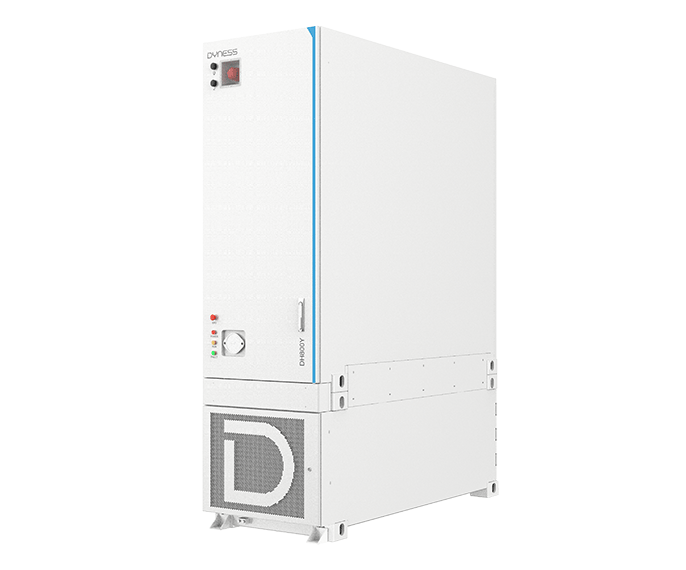
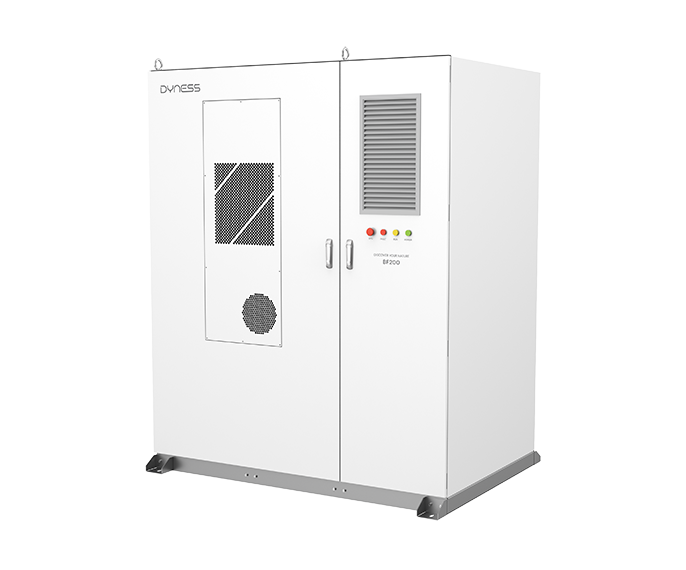
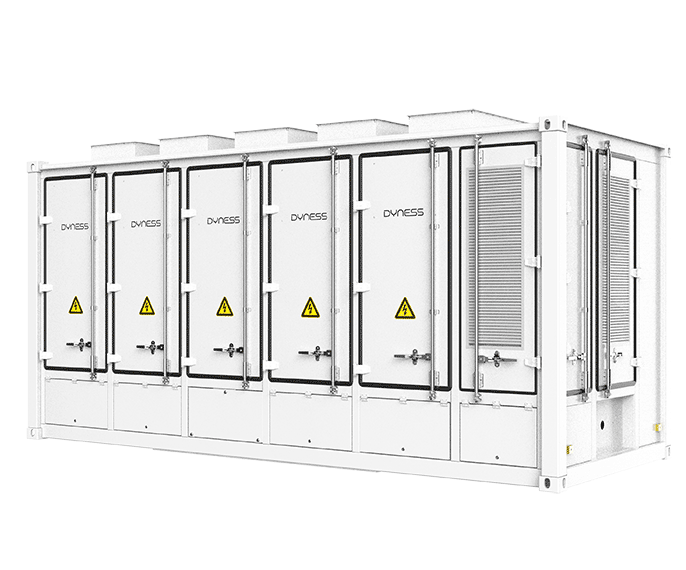
Let’s start with what happens inside the cabinet when your facility is running. A battery energy storage system works through three distinct stages: charging, storing, and discharging. During the charging stage, the system pulls electricity from the utility grid, solar panels, or wind turbines, then converts that electrical energy into chemical energy stored inside the battery cells. This is the part you control—you can schedule charging during off-peak hours when electricity rates are lower, which directly reduces your operational costs. Once charged, the energy storage battery sits idle but ready, with the battery management system (BMS) continuously monitoring cell temperature, voltage levels, and state of charge to ensure safe operation. When demand rises or electricity prices peak, the system reverses the process: chemical energy converts back into electrical energy, passes through an inverter, and delivers power to your facility’s loads within milliseconds. This is where the real value shows up on your monthly utility bill.
Why More Businesses Are Investing in This Technology Right Now
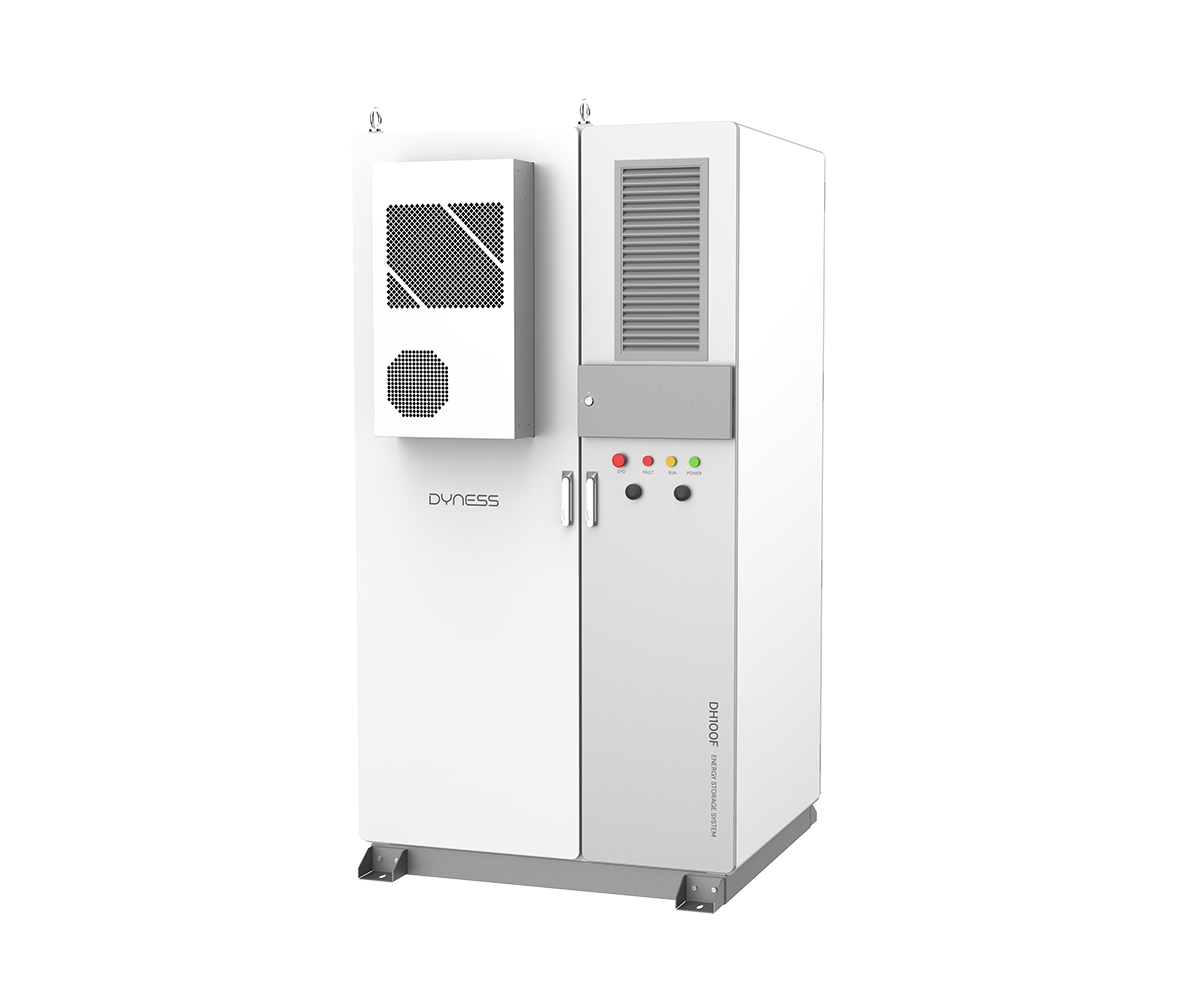
The market numbers help explain what we’re seeing across our client base. Global battery energy storage system installations reached roughly 315 GWh in 2025, representing nearly 50% year-on-year growth. The global LIB ESS market alone hit 550 GWh in 2025, a 79% increase from 2024. Behind these figures are real businesses like yours—manufacturing plants using a battery energy storage system to shave peak demand charges, commercial facilities pairing storage with on-site solar to improve self-consumption, and data centers deploying energy storage battery solutions for backup power and load optimization. When we talk with partners about how a battery energy storage system works, we focus on the practical side: shifting load to cheaper rate periods, reducing demand charges, and keeping production running during grid disturbances. These are measurable outcomes, not theoretical advantages.
What to Look for When Choosing a Battery Energy Storage System Manufacturer
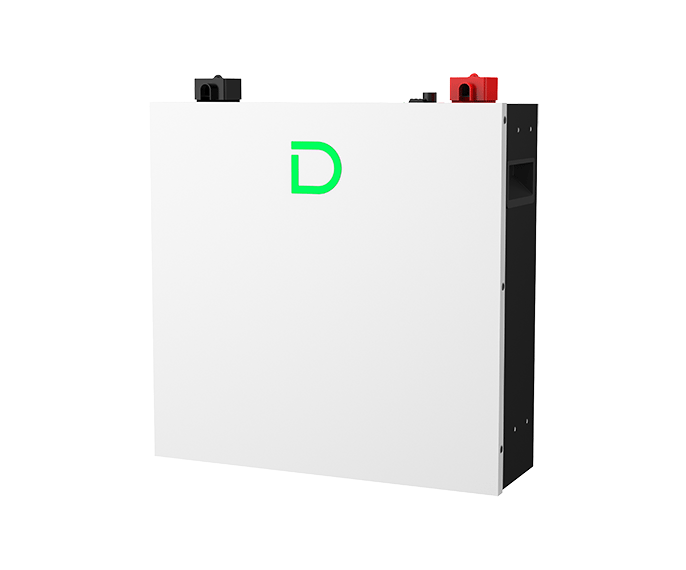
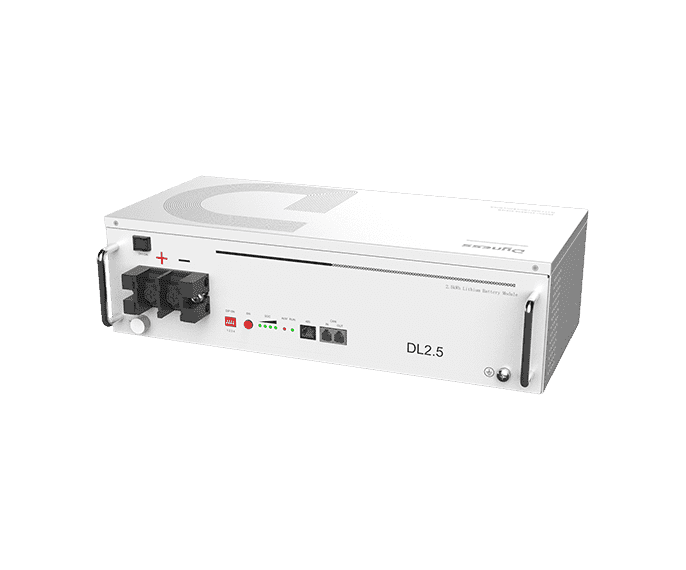
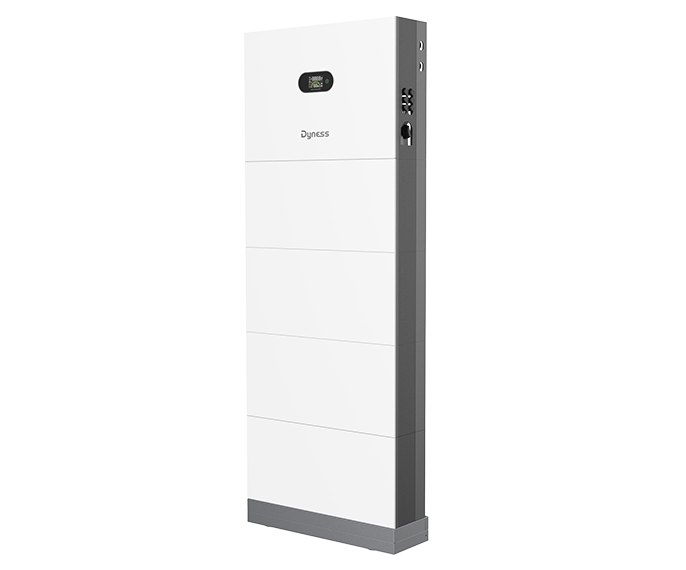
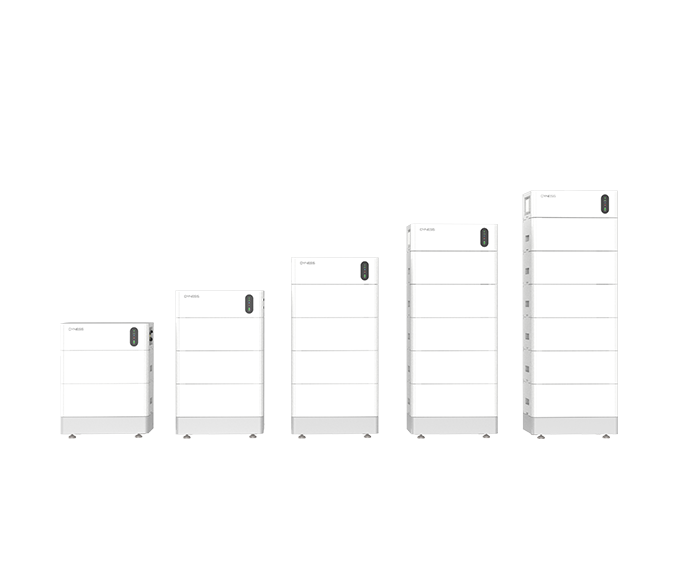
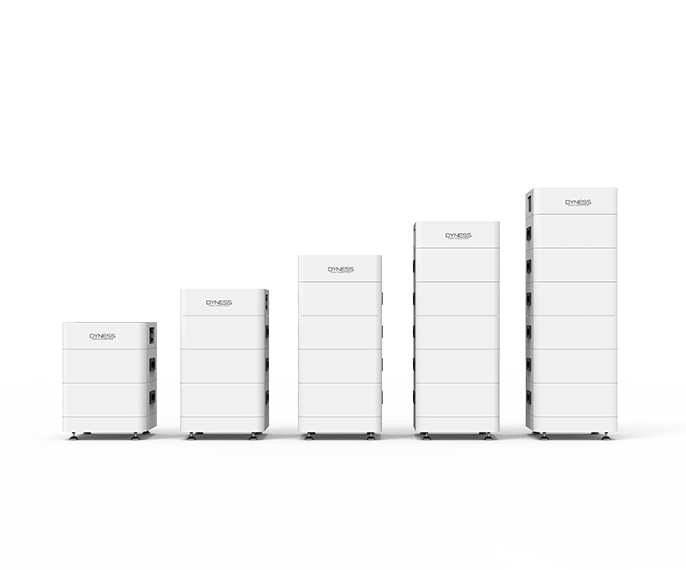
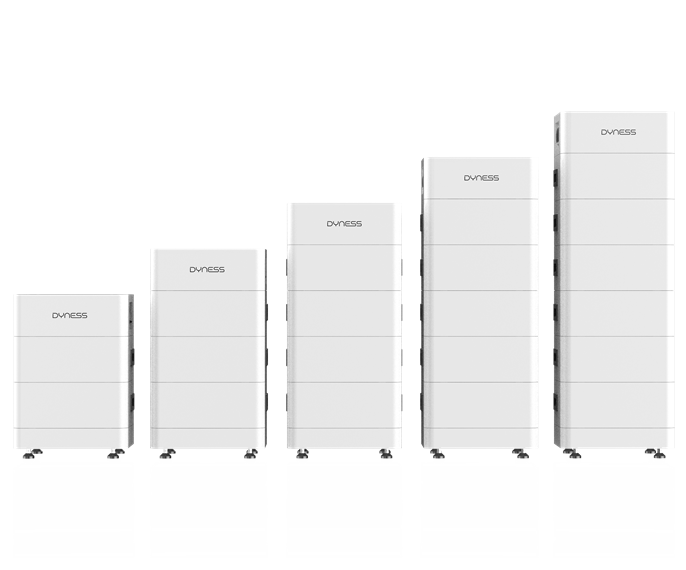
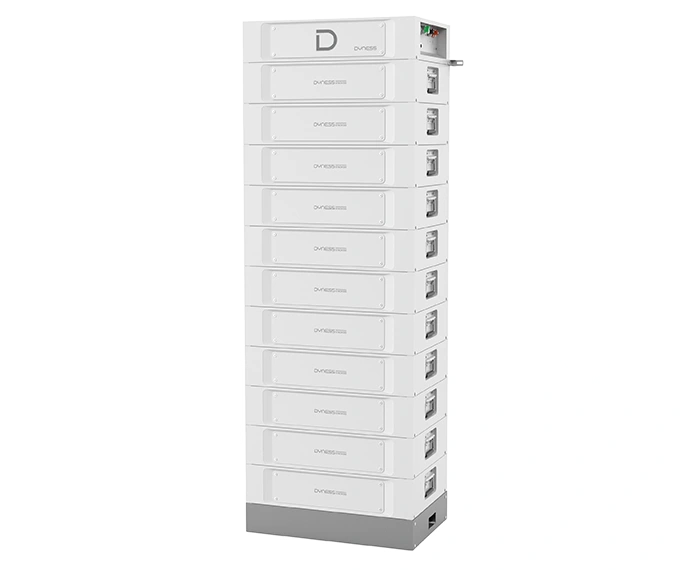
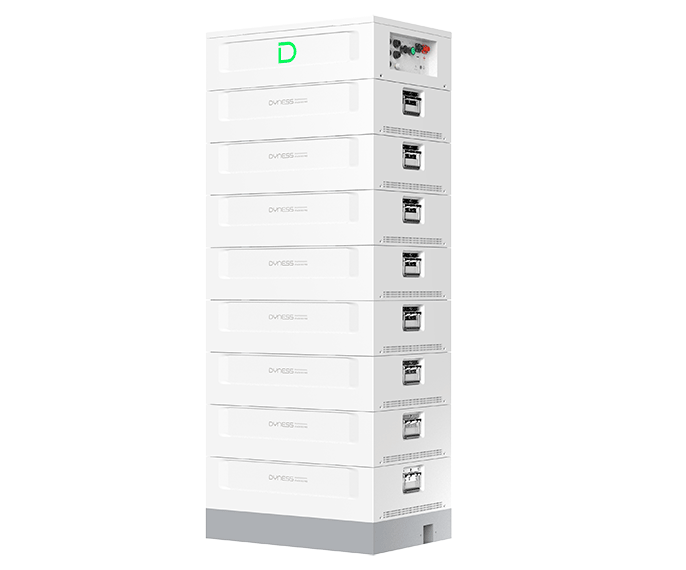
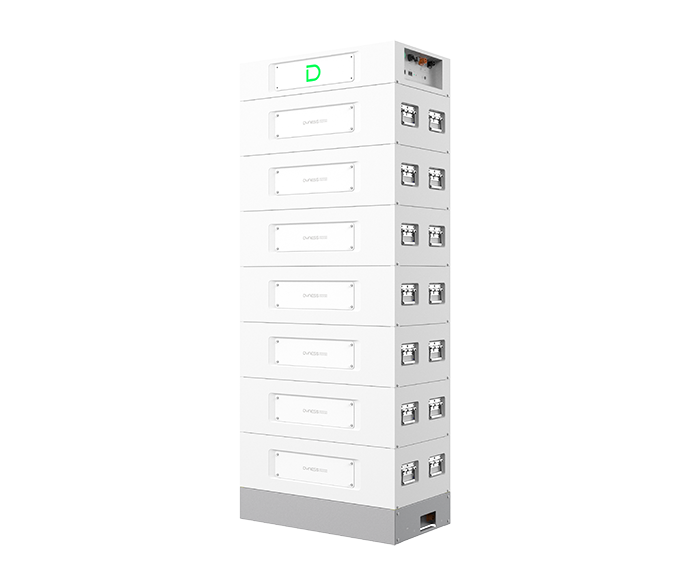
From our experience working with OEM and ODM clients across Europe, Australia, Africa, and South America, the quality of the system components matters as much as the technology itself. A reliable battery energy storage system manufacturer should provide full transparency on battery chemistry (LiFePO4 is the industry standard for safety and longevity), battery management system architecture, and thermal management design. At Dyness, our energy storage battery solutions integrate lithium iron phosphate cells with intelligent BMS that tracks every cell’s performance in real time. We’ve learned that the difference between a system that performs reliably for a decade and one that fails early often comes down to manufacturing consistency and testing rigor. When you evaluate how a battery energy storage system works for your specific application, ask potential suppliers about cycle life testing, temperature tolerance, and real-world field data from similar installations.
Here’s the bottom line: a well-designed battery energy storage system gives your business control over when and how you use electricity, turning energy from a fixed cost into a manageable variable. Whether you need peak shaving for a factory, backup power for critical equipment, or time-of-use arbitrage for a commercial building, the core principle remains the same—charge when rates are low, discharge when rates are high, and let the system handle the rest.

FAQ
-
Q: How does a battery energy storage system work?

A: A battery energy storage system works by storing electricity during charging, keeping energy available inside battery cells, and converting stored energy back into electricity during discharge. The system uses battery management systems, inverters, and control software to safely manage energy flow.
-
Q: What are the three main stages of a battery energy storage system?
A: The three main stages of a battery energy storage system are charging, storing, and discharging. During charging, electricity is converted into chemical energy inside battery cells. During discharge, stored energy is converted back into electrical power for facility loads.
-
Q: Why do businesses use battery energy storage systems?
A: Businesses use battery energy storage systems to reduce electricity costs, manage peak demand, improve renewable energy utilization, provide backup power, and increase control over energy consumption.
-
Q: Why are LiFePO4 batteries commonly used in energy storage systems?
A: LiFePO4 batteries are widely used in energy storage systems because they provide excellent safety, long cycle life, thermal stability, and reliable performance for frequent charge and discharge operations.
-
Q: What should businesses consider when choosing a battery energy storage system manufacturer?
A: Businesses should evaluate battery chemistry, BMS architecture, thermal management design, cycle life testing, manufacturing quality, safety certifications, and real-world project experience when selecting a battery energy storage system manufacturer.
Learn More