










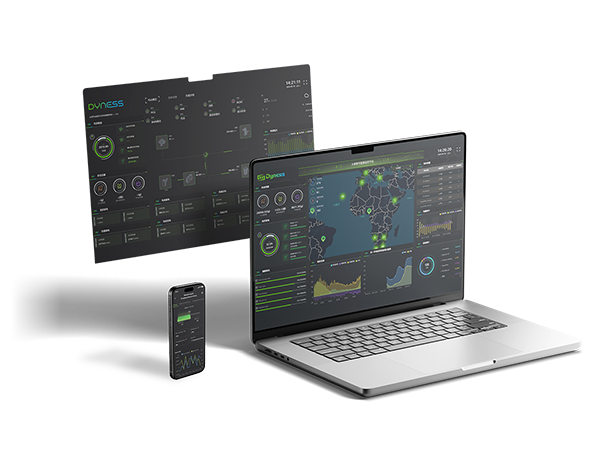











C&I Market Trends: Best Solutions for Small to Medium Enterprises


Get notified about new updates, products, tips and tutorials. No spam.
Small and medium enterprises are facing higher electricity costs, growing demand charges, stricter sustainability requirements, and increasing expectations for operational resilience. C&I energy storage solutions can help businesses manage these pressures by shifting energy use, improving solar self-consumption, and supporting critical loads during grid disruptions.
For SMEs, selecting the right energy storage system requires evaluating load patterns, battery lifecycle, peak shaving capability, inverter compatibility, backup requirements, thermal management, scalability, and long-term operating costs.

Why C&I Energy Storage Is Becoming More Important for SMEs
Commercial real estate and small-to-medium industrial facilities are facing a clear shift in energy management. Rising electricity prices, demand charges, carbon reduction requirements, and grid instability are pushing more businesses to consider solar-plus-storage systems.
Solar PV alone does not always align with the facility’s consumption profile. Commercial buildings may generate excess solar power during lower-load periods while still purchasing expensive grid electricity later when demand increases.
Battery storage helps address this mismatch by storing surplus energy and releasing it during higher-load or higher-tariff periods. This can improve solar self-consumption, reduce reliance on grid electricity, and strengthen the overall energy resilience of the facility.
Peak Shaving and Demand Charge Management
For many commercial users, electricity costs are influenced not only by total energy consumption but also by the highest power demand recorded during the billing period.
Short load spikes can occur when HVAC equipment, manufacturing machinery, pumps, refrigeration systems, or EV chargers operate simultaneously. These peaks may increase demand-related electricity costs even if they only last for a limited period.
C&I energy storage can support peak shaving by monitoring facility demand and discharging stored energy when grid power crosses a predefined threshold. This helps smooth the load curve, reduce exposure to peak demand charges, and improve long-term energy cost control.

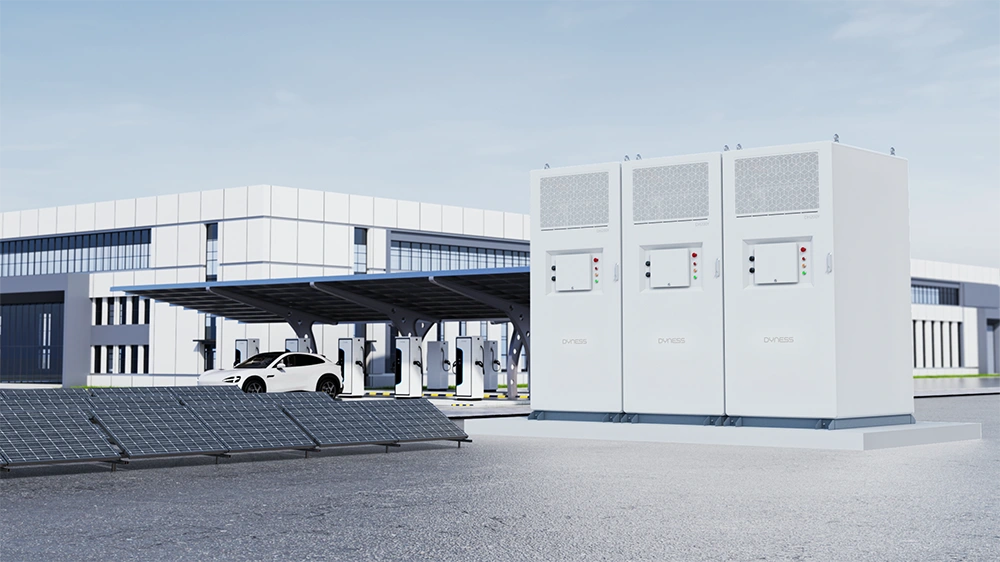
Battery Lifecycle, Warranty, and Total Cost of Ownership
The long-term value of a commercial energy storage system depends heavily on battery durability and capacity retention. Systems operating under frequent charging and discharging cycles require cells that can maintain stable performance over extended periods.
The source configuration highlights lithium iron phosphate battery cells with a cycle life of up to 8,000 cycles under specified conditions. LFP chemistry is widely used in stationary storage because of its thermal stability and suitability for repeated cycling.
Warranty coverage is another important factor when evaluating total cost of ownership. The source material states that selected Dyness solutions provide up to a 10-year performance guarantee, helping commercial users and distribution partners plan long-term asset value more clearly.
Buyers should evaluate the applicable warranty terms, cycle conditions, expected degradation, operating environment, and maintenance requirements together rather than comparing warranty duration alone.
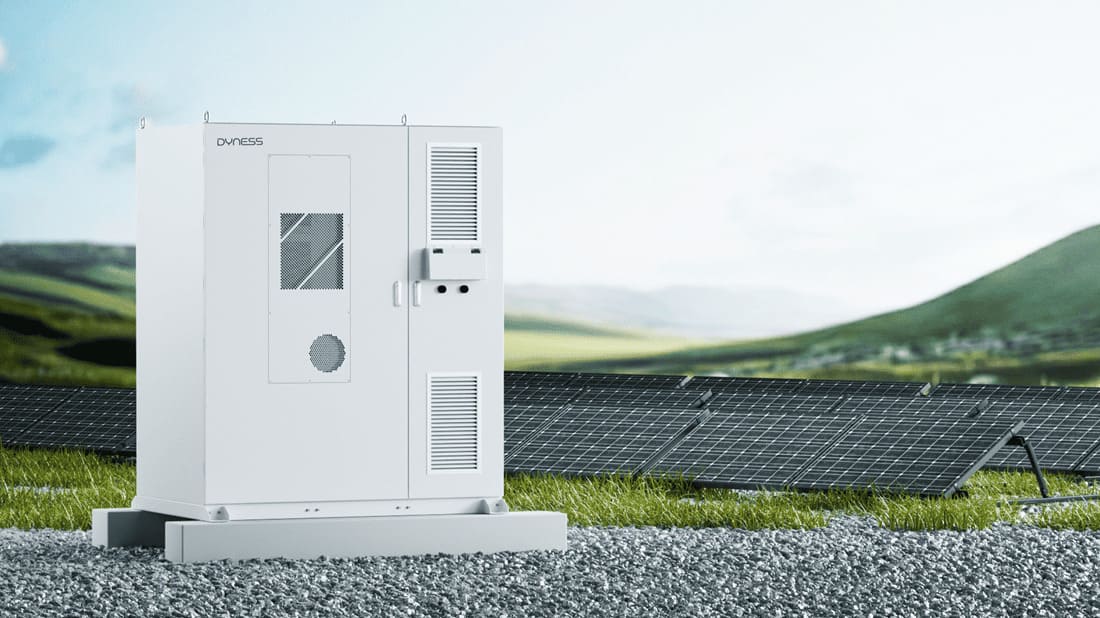
Backup Power, Inverter Compatibility, and System Reliability
Grid outages and voltage disturbances can create significant operational losses for SMEs, especially when production equipment, refrigeration, IT infrastructure, security systems, or other critical loads depend on continuous power.
A properly designed battery storage system can provide local backup support when the grid becomes unavailable, depending on system architecture, inverter or PCS capability, battery capacity, switching configuration, and selected critical loads.
Reliable communication with power conversion equipment is equally important. Mismatched communication protocols can affect charging, discharging, protection functions, state-of-charge reporting, and commissioning.
Dyness develops energy storage systems with communication interfaces designed to support integration with major global inverter brands, giving installers greater flexibility across different commercial applications.
Thermal Management and Scalable Capacity for Growing Businesses
Commercial energy storage systems may operate under intensive charge and discharge conditions, generating significant internal heat. Effective thermal management helps maintain more stable cell temperatures and reduces the risk of localized hotspots that can accelerate component degradation.
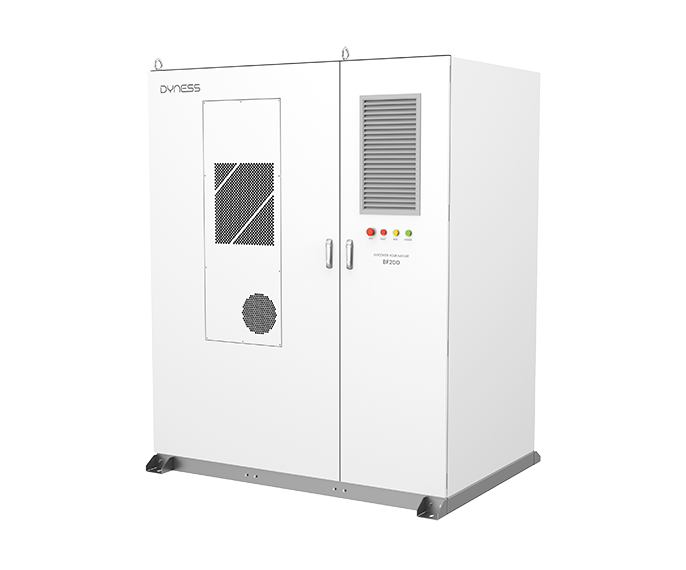
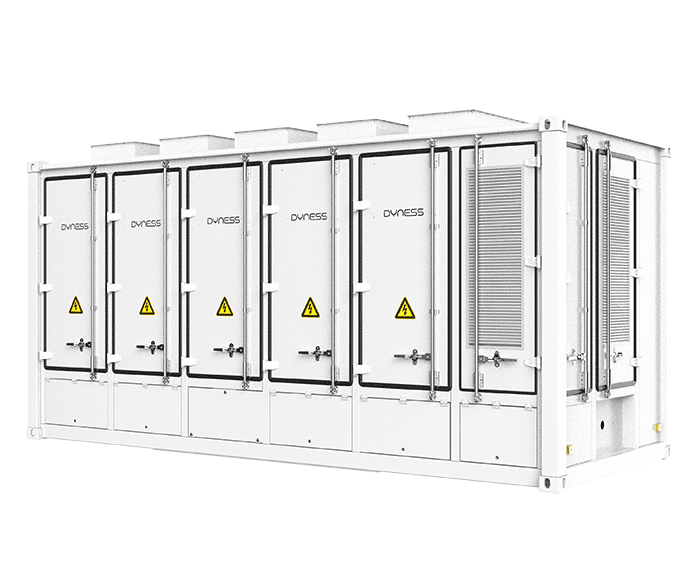
System enclosures should also be selected according to the installation environment. Dust, humidity, temperature variation, and other external conditions can affect long-term reliability, particularly in outdoor or non-conditioned commercial spaces.
Scalability is another important consideration for SMEs because electricity demand may increase as businesses add production equipment, EV charging infrastructure, new buildings, or larger solar arrays.
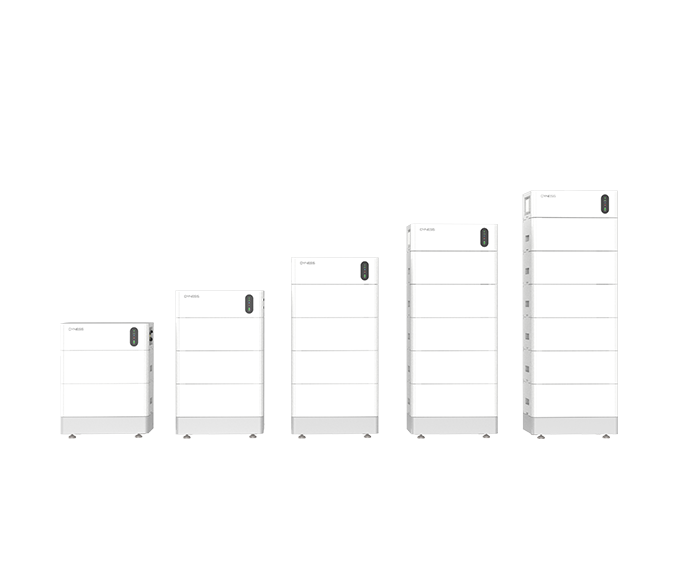
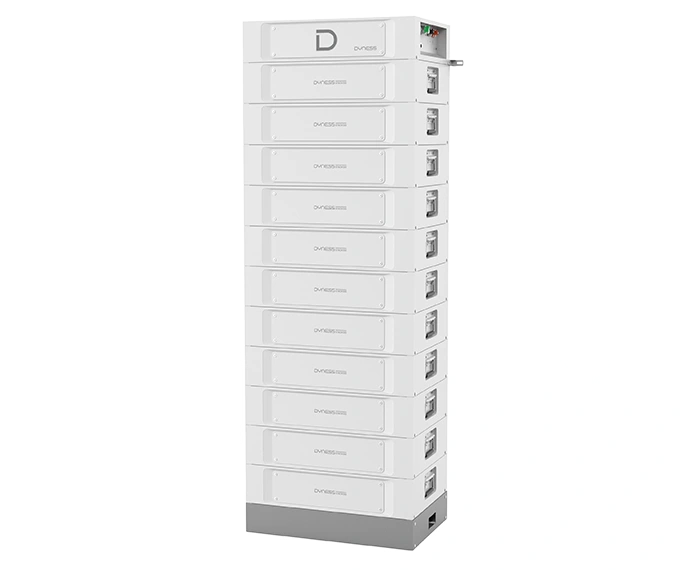
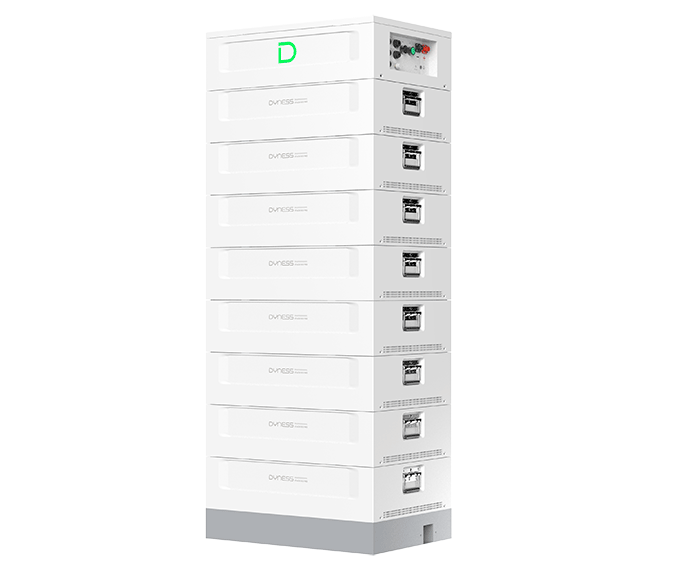
Modular C&I energy storage architectures allow compatible system units to be expanded over time, helping businesses begin with a practical configuration and increase capacity when operating requirements grow.
Conclusion
For small and medium enterprises, the best C&I energy storage solution should balance energy cost reduction, battery lifecycle, backup capability, inverter compatibility, thermal management, scalability, and long-term operating costs.
Peak shaving and improved solar self-consumption can help businesses reduce exposure to volatile electricity tariffs, while modular storage architecture provides a clearer path for future capacity expansion.
Dyness focuses on developing reliable, scalable, and low-maintenance energy storage solutions that can support SMEs in improving energy independence, strengthening operational resilience, and managing long-term energy costs more effectively.
FAQ
-
Q: Should Dyness C&I energy storage be sized according to a company’s daily electricity consumption?

A: No. Daily electricity consumption can only help understand the company’s overall energy scale. What energy storage really needs to match is the load during target time periods and the amount of energy that can be shifted. The first step is to determine how many kW are needed. Then determine how many hours this power needs to last. This gives the final kWh requirement.
-
Q: If the load is 200kW, should I configure a 200kW PCS?
A: Not necessarily. If 200kW is only the company’s maximum load, while the load during the real high-price period is only 120kW, then a PCS of around 125kW may already cover most of the economic value. PCS power should be selected according to the effective load during the target charging and discharging window, rather than simply according to the maximum load.
-
Q: If I have 1MW of PV, how much storage should I configure?
A: It cannot be judged only by the installed PV capacity of 1MW. The PV generation curve and company load curve should be overlaid to calculate how much surplus PV energy is really available at noon. If there is only around 250kWh of surplus PV energy per day, then a 261kWh-level storage system may already be very close to the actual demand. If more than 800kWh of surplus PV energy exists consistently every day, then a larger storage system can be considered.
Learn More