


























All-in-One Solar Storage and Charging: Benefits and Applications


Get notified about new updates, products, tips and tutorials. No spam.
Commercial facility layouts face intense operational challenges as transportation infrastructure shifts rapidly toward widespread fleet electrification. Deploying a well-configured All-in-One Solar Storage and Charging station gives commercial properties the ability to capture clean rooftop generation, stabilize internal building circuits, and deliver reliable power to electric vehicle fleets. Navigating this technical transition requires a comprehensive understanding of energy conversion parameters, modular capacity sizing options, and real-time distribution control strategies. Forward-thinking procurement managers prioritize integrated hardware packages that manage erratic charging spikes cleanly while preserving localized transformer lifespans over multi-decade operational horizons.

Architectural Integration of Modern Clean Mobility Stations
Traditional microgrids frequently separate photovoltaic management from localized electrical storage blocks, creating disconnected hardware layers across the property footprint. This scattered arrangement introduces unnecessary distribution wiring paths, complicates general system visibility, and raises total installation costs.
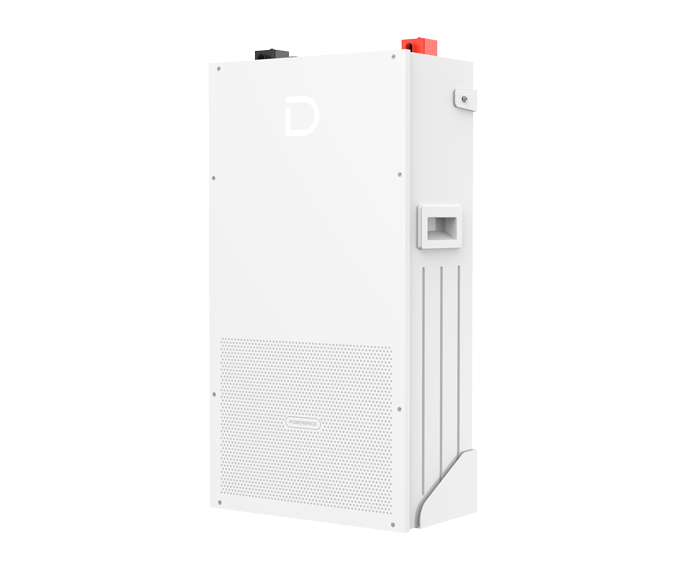
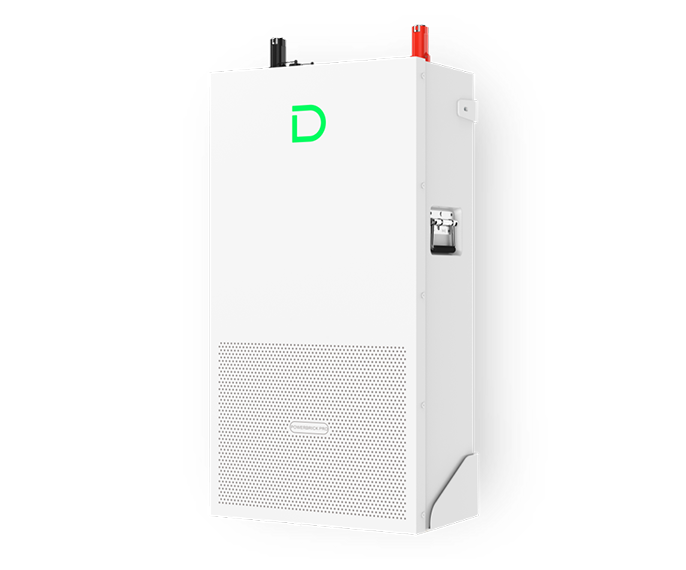
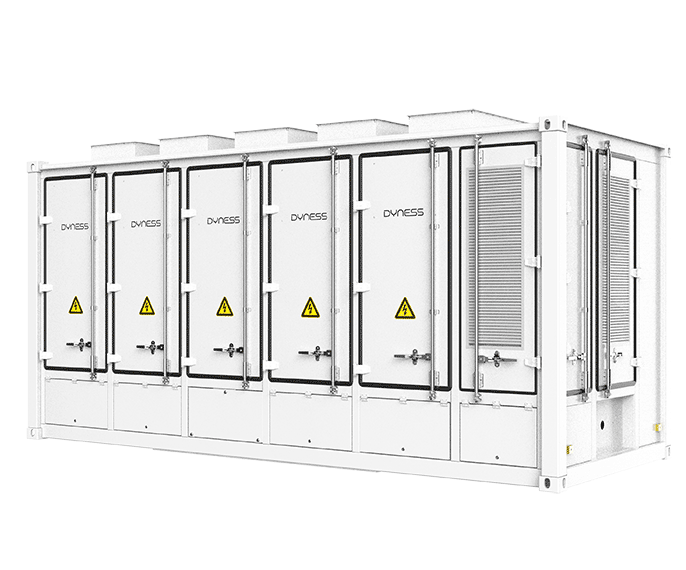
Merging distinct power pathways into a single structural enclosure streamlines the entire electricity conversion workflow.
The combined architecture relies on a layout that pairs a solar controller with a bi-directional converter for unified performance. This close electrical connection simplifies early engineering planning by removing the need for auxiliary balance-of-plant parts.
Sourcing an integrated framework helps project developers deploy responsive decentralized networks without facing lengthy technical configuration delays.
Thermodynamic Principles of High Density Energy Buffer Cores
High-capacity electrochemical cells require balanced operating temperatures to maintain stable energy output and resist rapid capacity loss.
Drawing massive currents during rapid electric vehicle charging cycles generates high internal thermal loads inside battery storage containers. Failing to pull this heat away evenly leads to localized hot spots that can degrade cell structures prematurely.
Advanced thermal systems maintain uniform cooling patterns across dense internal cell matrices, preventing early component aging.
Keeping cell conditions highly stable allows localized storage units to handle intense bidirectional power demands without experiencing unexpected system shutdowns. Protecting the physical health of the cell matrix lowers long-term site upkeep demands across varied geographical climates.

Balancing Local Load Dynamics with Flexible Hardware Allocation
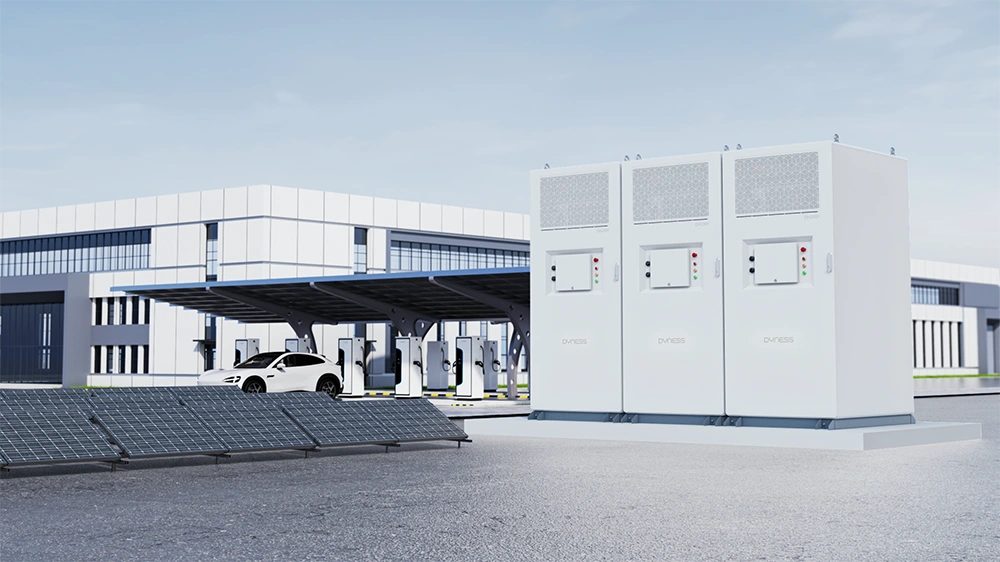
Commercial operational environments feature highly unpredictable power usage patterns as business demands vary throughout daily shift rotations.
A rigid energy system cannot alter its output dynamically, causing resource mismatches and early part wear under heavy continuous stress. Using modular architecture solves this bottleneck by supporting highly precise hardware configuration choices.
At Dyness, we develop versatile clean energy solutions that utilize an exceptionally adaptable framework.
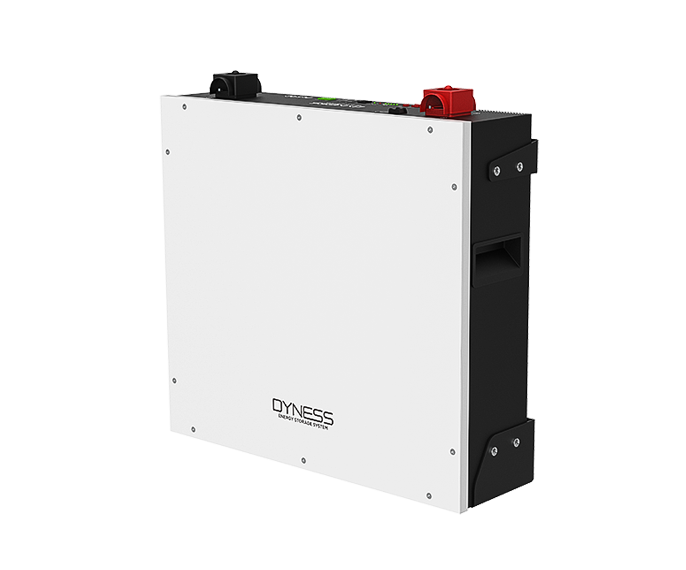
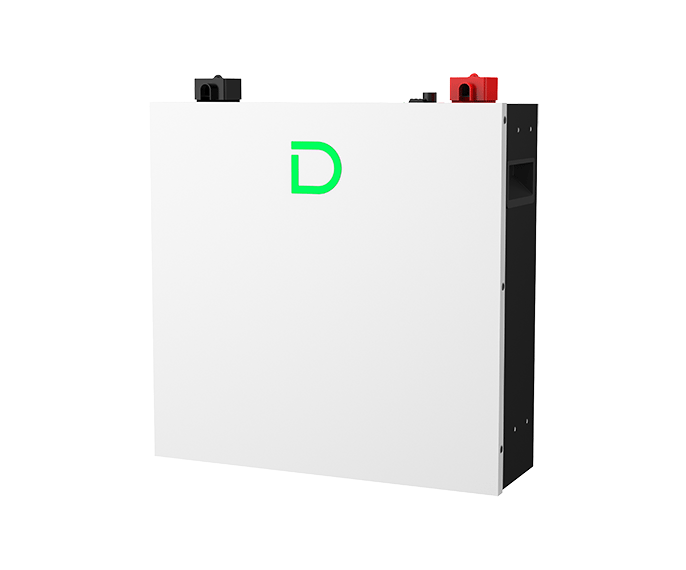
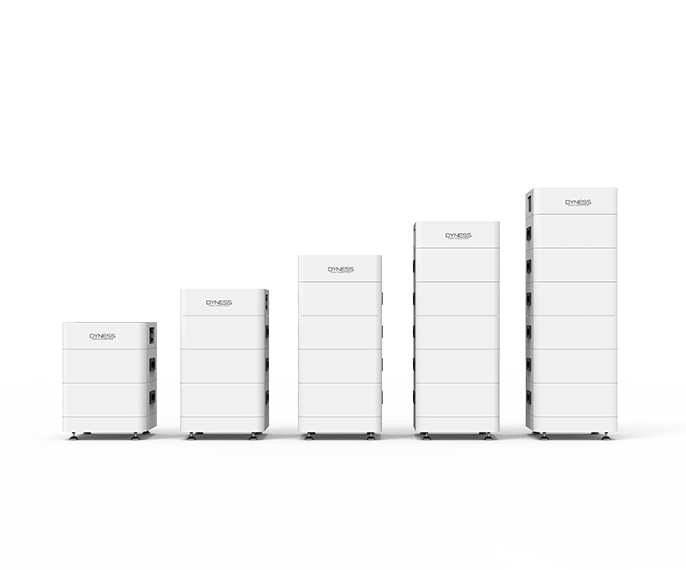
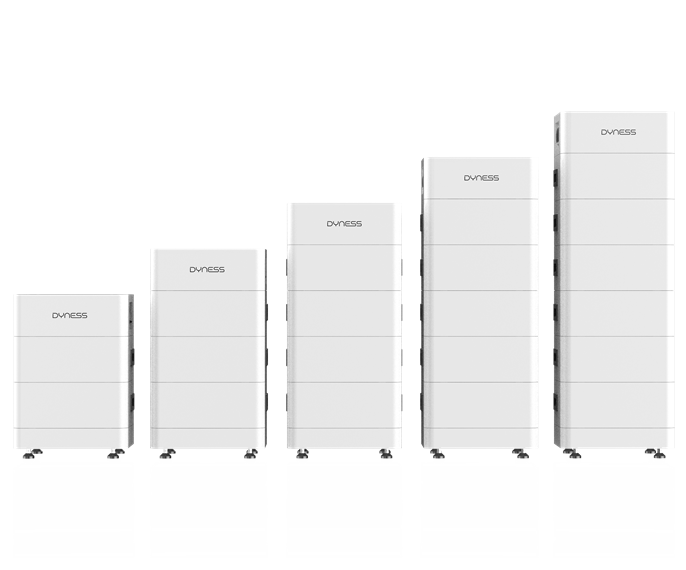
The modular design allows flexible PV, battery, and load configuration options to fulfill distinct property layout boundaries. This customizable approach enables site designers to balance localized generation against fluctuating building usage precisely, protecting initial capital investments from resource under-utilization.
Mitigating Substation Transformer Strain from High Power Fleets
Industrial zones encounter serious infrastructure barriers when connecting multiple fast-charging networks directly to older local power lines.
When multiple electric vehicles hook up to high-output chargers concurrently, they draw immense surge currents that stress regional substation transformers. These severe usage spikes trigger expensive peak demand surcharges and risk damaging nearby building sub-panels.
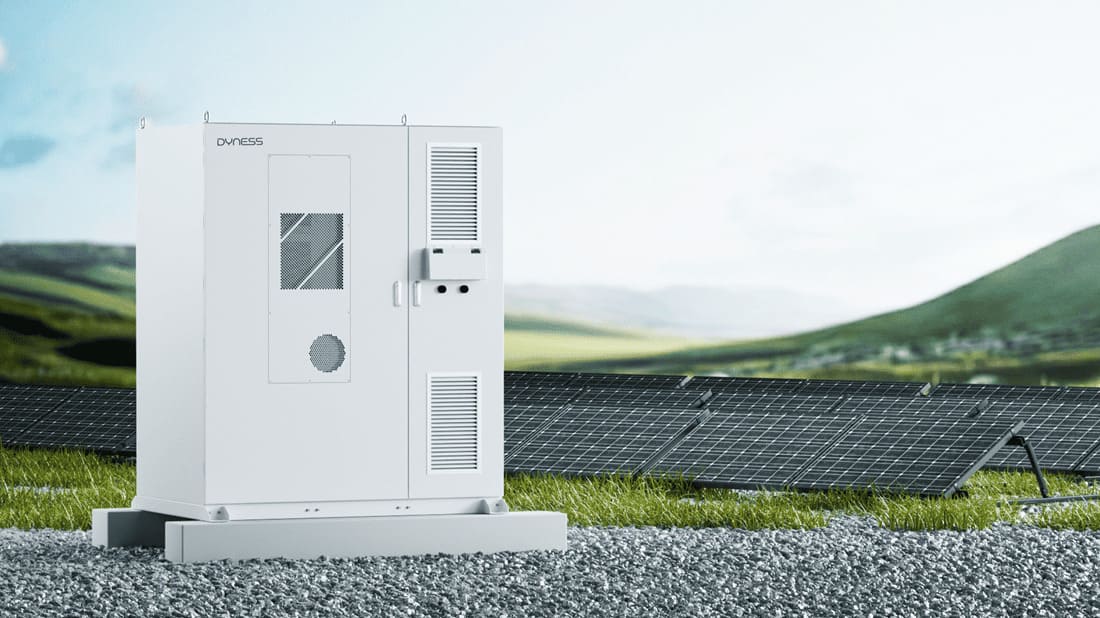
Deploying a light storage and charging integrated power station allows facility managers to buffer these sudden grid lines strains easily.
The system serves as a responsive local battery reserve, supplying energy directly to charging stations during peak operational windows. Supplying electricity locally boosts self-generation and consumption while reducing the transformer load impact from high-power equipment.
Strategic Load Optimization and Intelligent Demand Control
Maximizing the value of an industrial microgrid requires automated data tracking that responds instantly to changing energy conditions.
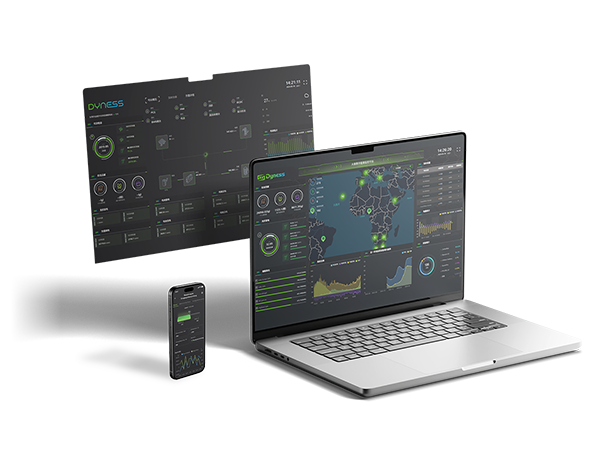
Utilizing an advanced software layer enables the storage array to function as a smart electricity buffer for the entire property. This proactive monitoring approach keeps total grid usage well below critical thresholds set by local utility companies.
Integrating Smart Energy Management for EV Charging frameworks into a commercial site helps operators handle complex consumption profiles seamlessly.
Internal software tracks facility loads continuously, routing stored power to vehicle ports or machinery networks based on real-time pricing variations. Automated load management insulates businesses from sudden utility tariff hikes during busy afternoon production hours.
Financial Yield Mechanics of Advanced Self Consumption Systems
Rooftop solar fields reach maximum production during afternoon hours when office or factory electricity demands might not match peak output.
An efficient storage system captures this excess clean energy, saving it for high-tariff evening hours when grid prices rise. Storing power locally boosts self-generation and consumption while lowering reliance on the centralized utility grid.
At Dyness, we structure our systems to help companies maximize their clean energy investments rather than discarding valuable resource yields.
Keeping power localized shortens project payback timelines and improves long-term investment yields for project development groups. Effective utilization minimizes dependency on fluctuating utility markets and provides a reliable pathway to corporate carbon reduction goals.
Scalability Frameworks for Phased Infrastructure Upgrades
Enterprise energy demands rarely stay fixed for long, often expanding rapidly as processing facilities add extra machine lines or vehicle fleets.
A rigid stationary power setup forces full system replacements when local electrical demands cross original system boundaries early. Implementing a scalable platform allows corporate operators to start with a budget-friendly layout and expand capacity later.
The integrated clean energy networks we build facilitate phased expansion to help businesses grow their backup reserves cost-effectively over time.
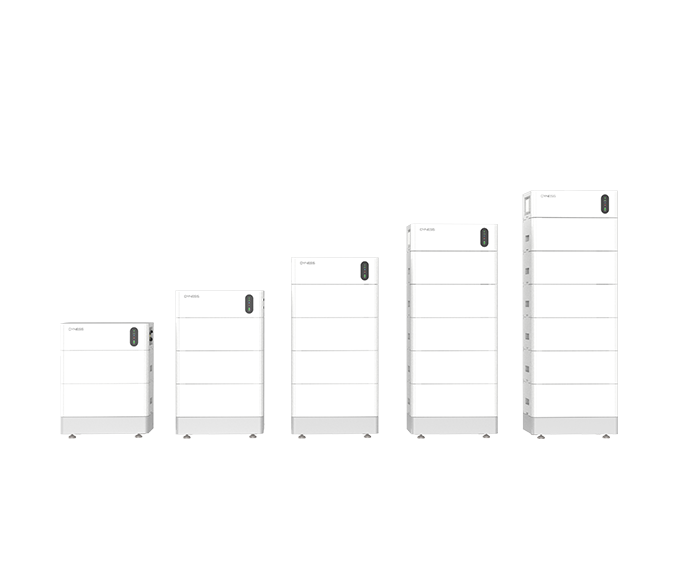
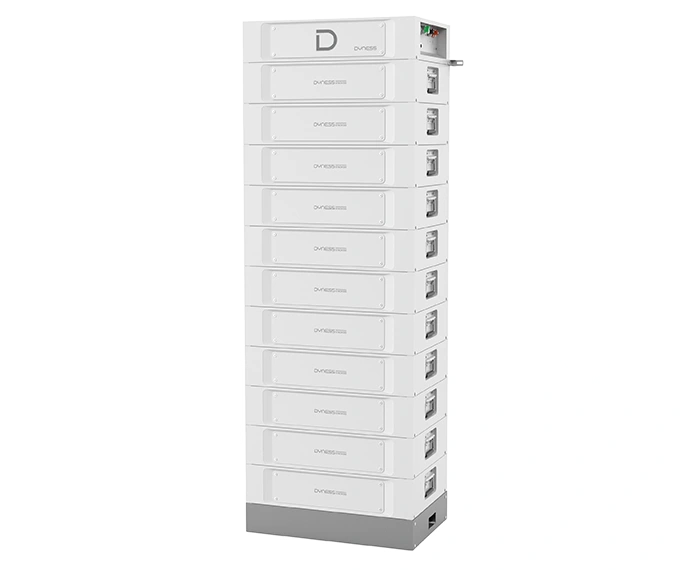
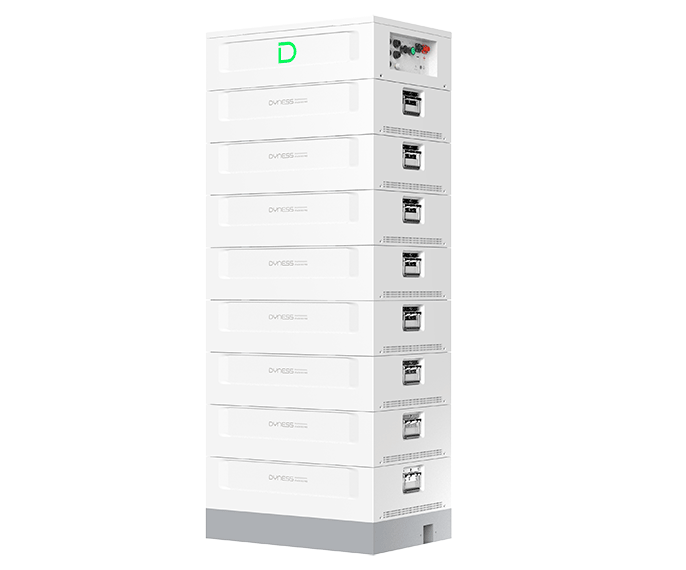
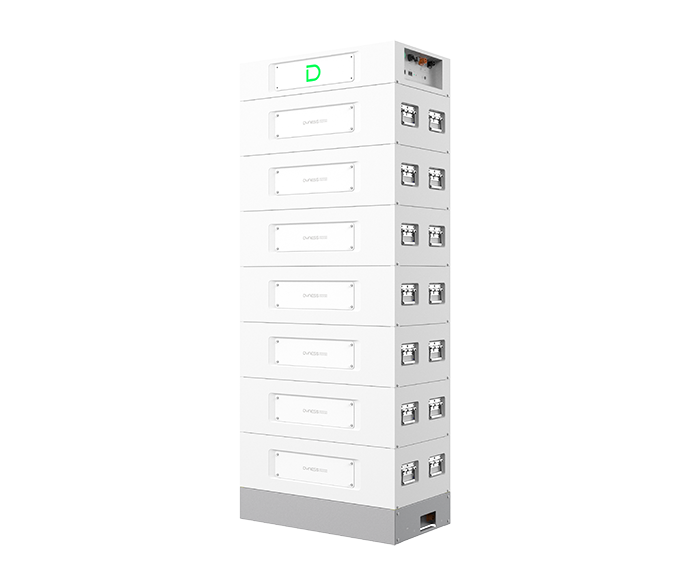
Technical crews can integrate additional battery blocks into the existing stack structure cleanly, adjusting power reserves to manage expanding facility load curves. Flexible expansion pathways satisfy charging demands without requiring massive upfront capital outlays during early project phases.
Cross Platform Integration with Global Inverter Frameworks
Stationary storage cabinets cannot function effectively without continuous, high-speed data transmission lines connecting them directly to power conversion components.
When data communication protocols between a main battery management unit and external solar inverters become mismatched, system efficiency drops. Achieving wide out-of-the-box hardware synchronization reduces complex manual troubleshooting steps.
The integrated technology platforms we engineer utilize universal communication interfaces designed to synchronize flawlessly with major global inverter brands.
This cross-brand fluidity removes programming bottlenecks for regional contracting technicians during final field commissioning phases. Seamless technical synchronization allows generation, storage, and charging layers to perform as a single entity.
Regulatory Compliance and Quality Engineering Controls
International clean energy distribution markets require a disciplined approach to manufacturing consistency, environmental testing, and hardware safety certifications.
Sourcing managers evaluate production organizations based on their ability to handle bulk production runs while maintaining precise technical compliance. Factory lines must integrate rigorous end-to-end quality controls to minimize early cell degradation in the field.
Premium production processes include automated internal weld checks, computerized cell matching procedures, and intensive high-temperature chamber stress tests.
Thorough factory testing means that every completed module meets localized grid compliance codes across diverse destination markets. Rigorous product verification protects distribution companies from unexpected field technical failures.
Conclusion
Successfully deploying an industrial microgrid depends on selecting flexible modular configurations, stable cell chemistry, and responsive thermal management networks.
Utilizing an advanced All-in-One Solar Storage and Charging configuration allows corporate operators to buffer heavy fast-charging demands without placing excessive stress on neighborhood transformers.
By combining a PV controller and a bi-directional converter into a single cohesive layout, Dyness delivers the Smart Energy Management for EV Charging solutions required to achieve clean, self-sustaining business operations.
FAQ
-
Q: Should Dyness C&I energy storage be sized according to a company’s daily electricity consumption?

A: No. Daily electricity consumption can only help understand the company’s overall energy scale. What energy storage really needs to match is the load during target time periods and the amount of energy that can be shifted. The first step is to determine how many kW are needed. Then determine how many hours this power needs to last. This gives the final kWh requirement.
-
Q: If the load is 200kW, should I configure a 200kW PCS?
A: Not necessarily. If 200kW is only the company’s maximum load, while the load during the real high-price period is only 120kW, then a PCS of around 125kW may already cover most of the economic value. PCS power should be selected according to the effective load during the target charging and discharging window, rather than simply according to the maximum load.
-
Q: If I have 1MW of PV, how much storage should I configure?
A: It cannot be judged only by the installed PV capacity of 1MW. The PV generation curve and company load curve should be overlaid to calculate how much surplus PV energy is really available at noon. If there is only around 250kWh of surplus PV energy per day, then a 261kWh-level storage system may already be very close to the actual demand. If more than 800kWh of surplus PV energy exists consistently every day, then a larger storage system can be considered.
Learn More