






















Modular Battery Energy Storage System: Scalable Solutions


Get notified about new updates, products, tips and tutorials. No spam.
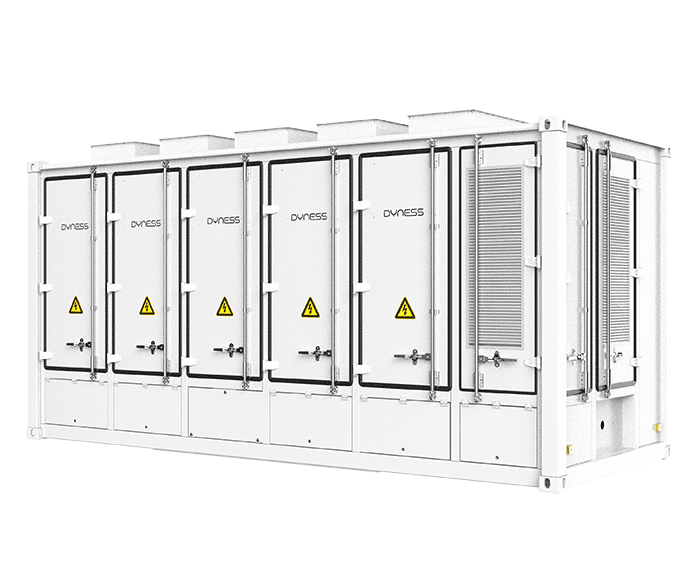
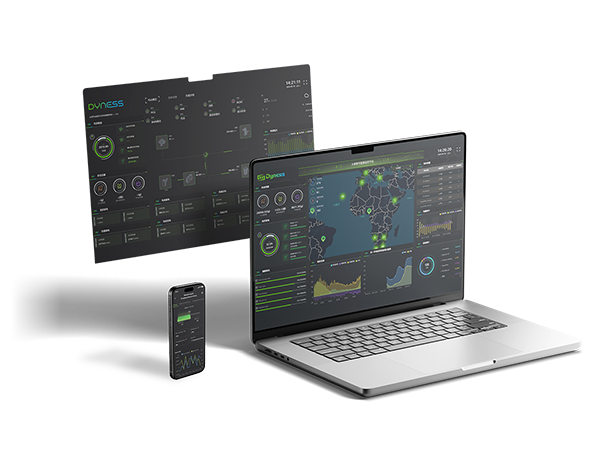
Commercial and industrial facilities require highly resilient infrastructure configurations to protect vulnerable processing machinery from unexpected power grid disruptions. Incorporating a comprehensive modular battery energy storage system enables manufacturing hubs, distribution warehouses, and agricultural operations to capture local clean generation cleanly.
Transitioning toward decentralized power networks demands a thorough technical evaluation of physical installation parameters, weight distribution metrics, and hardware interconnection protocols. Discerning operators actively look for durable hardware sub-assemblies engineered to perform reliably under dense bidirectional cycling profiles across diverse geographic territories over several decades.

Sizing Commercial Storage Around Real Facility Loads
Determining the right capacity for a commercial facility requires detailed evaluation of daily electrical load curves, grid constraints, and utility rate structures. Over-configured battery arrays create excessive initial procurement costs and can delay project amortization, while under-configured systems may fail to manage peak demand penalties.
Deploying an optimized Integrated C&I Energy Storage System setup helps facility managers create a balanced electrical baseline. Local control tracking can shift facility reliance to stored battery assets when building consumption crosses predefined network boundaries.
Strategic load management helps lower monthly operational overhead, reduce exposure to demand charges, and support business continuity for manufacturing hubs, distribution warehouses, agricultural operations, and other commercial facilities.

Modular Elasticity for Phased Capacity Expansion
Fixed energy infrastructure can restrict a property’s ability to adapt as facilities expand or electric vehicle charging networks are introduced. A rigid hardware design may force full system replacement once local load requirements exceed the original installation parameters.
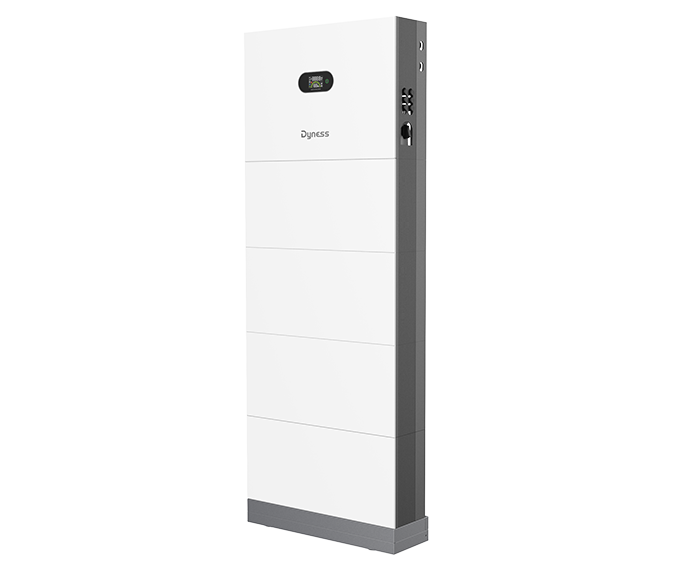
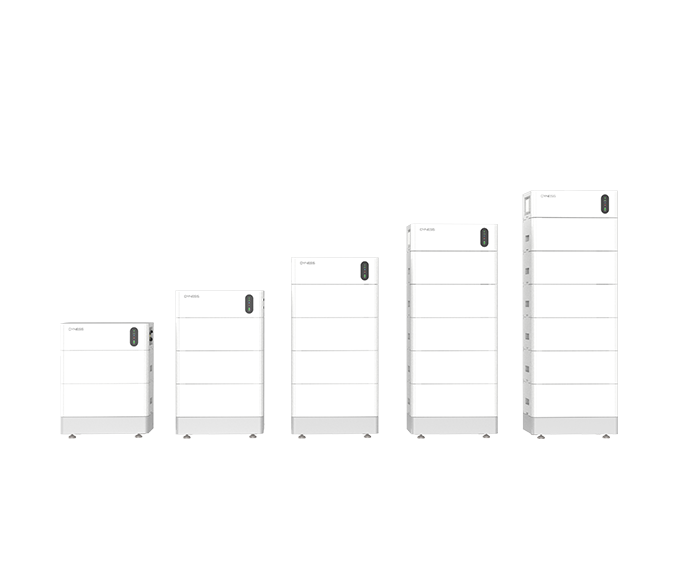
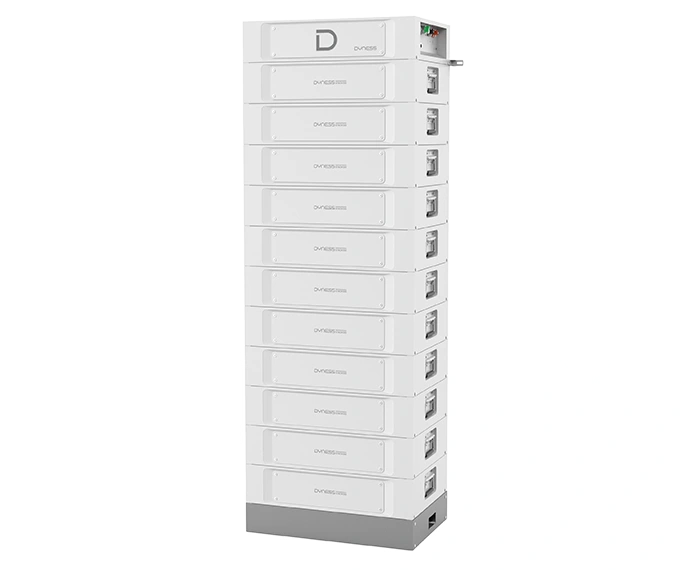
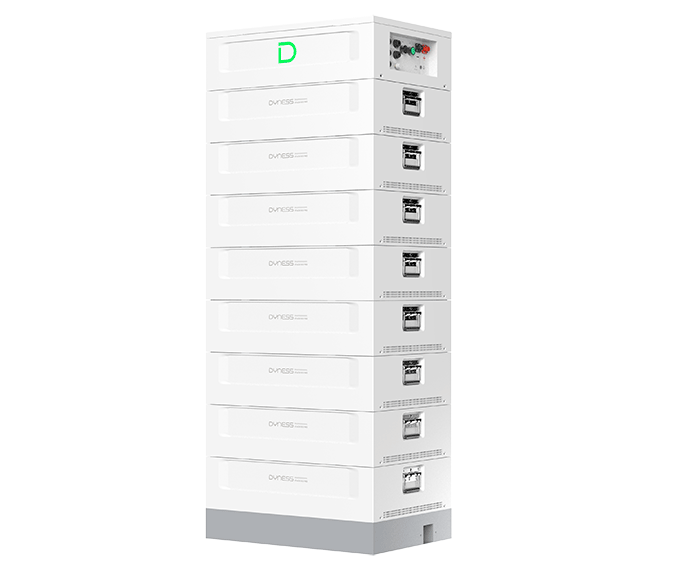
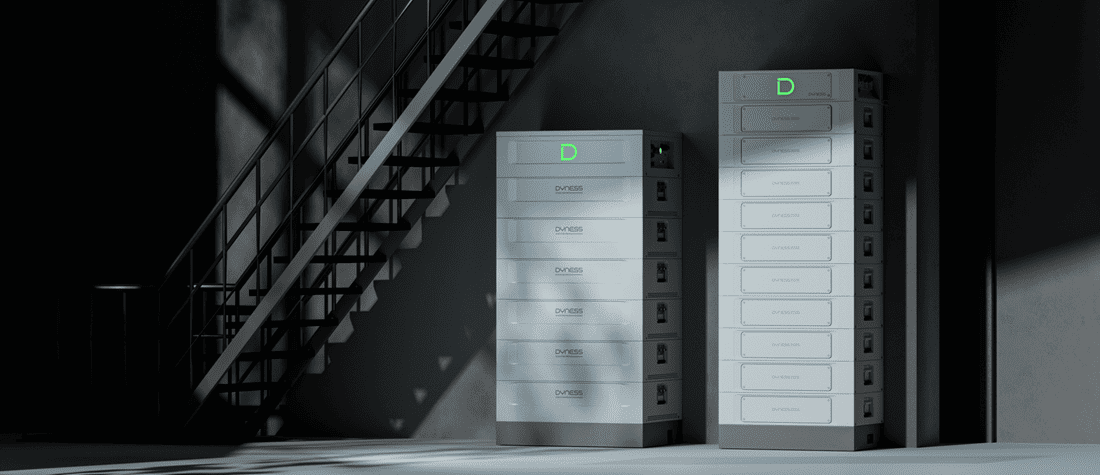
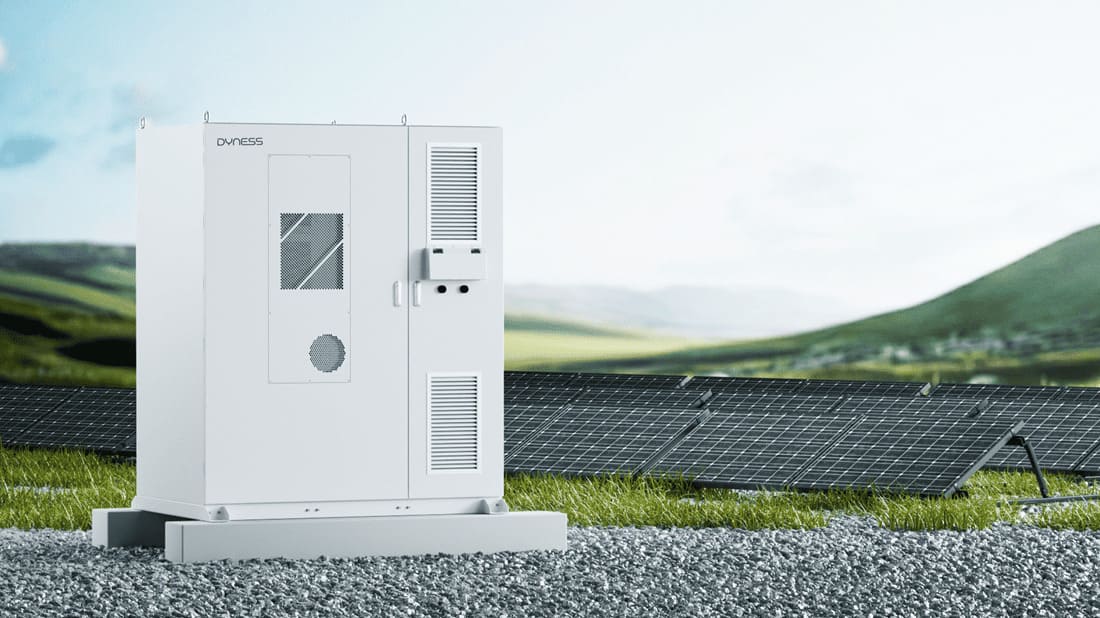
Modular engineering solves this capacity bottleneck by supporting step-by-step capacity scaling over time. At Dyness, advanced stationary storage lines emphasize vertical height over expansive floor surface usage, helping preserve valuable commercial floor space.
The STACK100 series uses an adaptable base configuration scaling from 15.36 kWh to 76.8 kWh per single tower. This modular elasticity allows commercial enterprises to align energy investment with real-time scaling demands rather than committing to oversized capacity from the beginning.
Multi-Cluster Stacking for Larger Industrial Loads
Large commercial complexes often have electrical load requirements that exceed the capability of a single battery tower. Linking multiple vertical structures into a synchronized network requires advanced parallel communication pathways and smart internal balancing software.
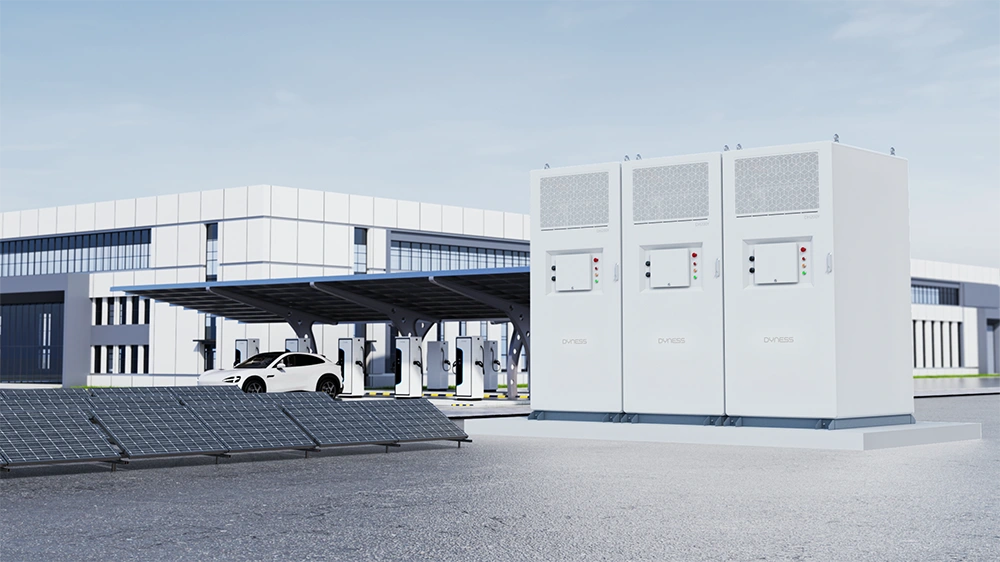
The scalable engineering behind the Dyness platform supports extensive parallel expansion configurations, with maximum expandability to 921.6 kWh for extensive industrial load management.
This multi-tower parallel capability gives project managers more freedom to design custom high-capacity configurations. Deep multi-cluster stacking also protects initial capital deployment by supporting cleaner capacity upgrades when local load thresholds exceed baseline limits.
LiFePO4 Safety and Thermal Runaway Protection
Dense electrochemical cell matrices located near active business zones require strict safety standards and non-combustible material properties. Lithium iron phosphate formulations have become an important safety-oriented chemistry due to their strong molecular resilience.
The strong covalent atomic bonds within LFP cell matrices help reduce oxygen release and significantly lower the risk of thermal runaway under intensive deep-discharging profiles.
To maximize facility safety, Dyness designs hardware with active protective components that operate automatically without requiring manual site management. Advanced internal protective monitoring layers continuously track single-cell temperatures, localized voltage shifts, and current loads to identify electrical anomalies early.
Peak Shaving and Inverter Integration for Commercial Energy Management
Industrial venues often face infrastructure challenges when operating high-power equipment such as EV charging networks or heavy production machinery. When multiple high-power devices start concurrently during busy periods, they can draw large surge currents that stress regional substation transformers and building sub-panels.
Deploying a comprehensive Integrated C&I Energy Storage System helps facility managers buffer sudden electricity line strain. The integrated network acts as an active power reserve, supplying energy directly to local charging stations during peak operational windows and reducing the transformer load impact from high-power equipment.
Stationary storage cabinets also require continuous, high-speed data transmission with power conversion components. Dyness modular battery energy storage system lines prioritize open communication interfaces engineered to synchronize with major global inverter brands, reducing commissioning complexity and helping generation and storage layers operate as a single system.
Conclusion
Successfully organizing commercial energy projects depends on selecting advanced full-cycle solutions, stable cell chemistry, and scalable modular configurations.
Using an optimized modular battery energy storage system allows enterprise operators to protect critical machinery, avoid peak demand penalties, reduce transformer strain, and smooth out fluctuating solar generation.
At Dyness, the STACK100 series scales from 15.36 kWh to 76.8 kWh per tower and can be expanded up to 921.6 kWh, giving businesses durable, low-maintenance hardware platforms that help improve energy independence and long-term infrastructure flexibility.
FAQ
-
Q: Should Dyness C&I energy storage be sized according to a company’s daily electricity consumption?

A: No. Daily electricity consumption can only help understand the company’s overall energy scale. What energy storage really needs to match is the load during target time periods and the amount of energy that can be shifted. The first step is to determine how many kW are needed. Then determine how many hours this power needs to last. This gives the final kWh requirement.
-
Q: If the load is 200kW, should I configure a 200kW PCS?
A: Not necessarily. If 200kW is only the company’s maximum load, while the load during the real high-price period is only 120kW, then a PCS of around 125kW may already cover most of the economic value. PCS power should be selected according to the effective load during the target charging and discharging window, rather than simply according to the maximum load.
-
Q: If I have 1MW of PV, how much storage should I configure?
A: It cannot be judged only by the installed PV capacity of 1MW. The PV generation curve and company load curve should be overlaid to calculate how much surplus PV energy is really available at noon. If there is only around 250kWh of surplus PV energy per day, then a 261kWh-level storage system may already be very close to the actual demand. If more than 800kWh of surplus PV energy exists consistently every day, then a larger storage system can be considered.
Learn More