












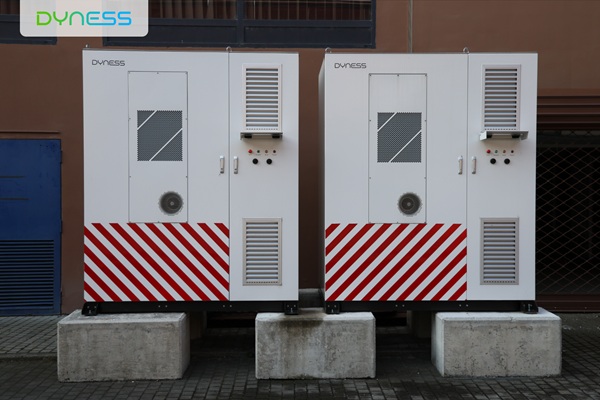








Commercial Energy Storage Solutions for Shopping Malls


Get notified about new updates, products, tips and tutorials. No spam.
Shopping malls combine multiple electricity demands within a shared commercial environment. Air conditioning, refrigeration, heating equipment, and electric vehicle (EV) charging stations can create overlapping power requirements, while rooftop solar generation may not always match the building's consumption schedule.
Commercial energy storage solutions help shopping malls manage these changing electricity demands by storing available energy and supplying it when needed. By combining load analysis, peak shaving, solar integration, and intelligent monitoring, a Commercial Battery Energy Storage System can support more flexible energy management across retail facilities.
Understanding Energy Demand in Shopping Malls
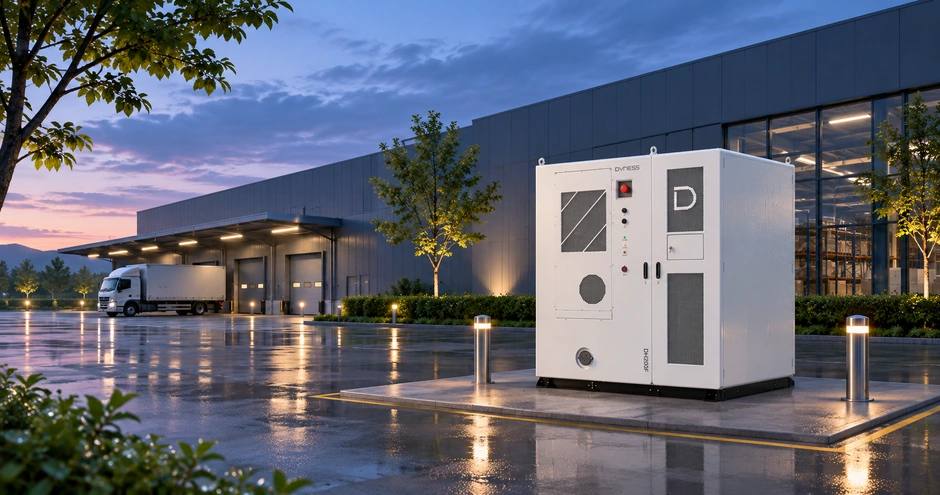
Shopping malls operate multiple energy-intensive services that can place significant demands on the same electrical infrastructure. Refrigeration and frozen-food equipment may run continuously, while heating, ventilation, and air conditioning systems create changing loads throughout the day. Parking-area EV charging stations introduce additional demand that can rise sharply during busy periods.
These loads need to be evaluated together rather than as isolated equipment ratings. Individual peak readings do not establish whether different services reach their maximum demand simultaneously. Their actual overlap, combined with available solar generation and grid supply, determines how a commercial energy storage system should be configured and scheduled.
Using Energy Storage for Peak Shaving and Solar Optimization
A Commercial Battery Energy Storage System can discharge stored electricity to supply part of a shopping mall's combined demand during high-consumption periods. Peak shaving reduces the power drawn from the grid during demanding intervals, while load shifting moves electricity consumption between different tariff periods. Both strategies depend on the facility's actual load profile and the energy available in the battery.
When lower electricity tariffs are available, the system can charge during suitable off-peak periods and discharge during higher-priced periods. Solar generation introduces another charging opportunity by allowing surplus photovoltaic electricity to be stored for later retail demand. However, energy already discharged for one application cannot also be reserved for a later EV charging surge without additional charging. Actual financial benefits depend on the electricity tariff, charging and discharging schedules, and the amount of energy that can be shifted.

Integrating Storage into Public Commercial Environments
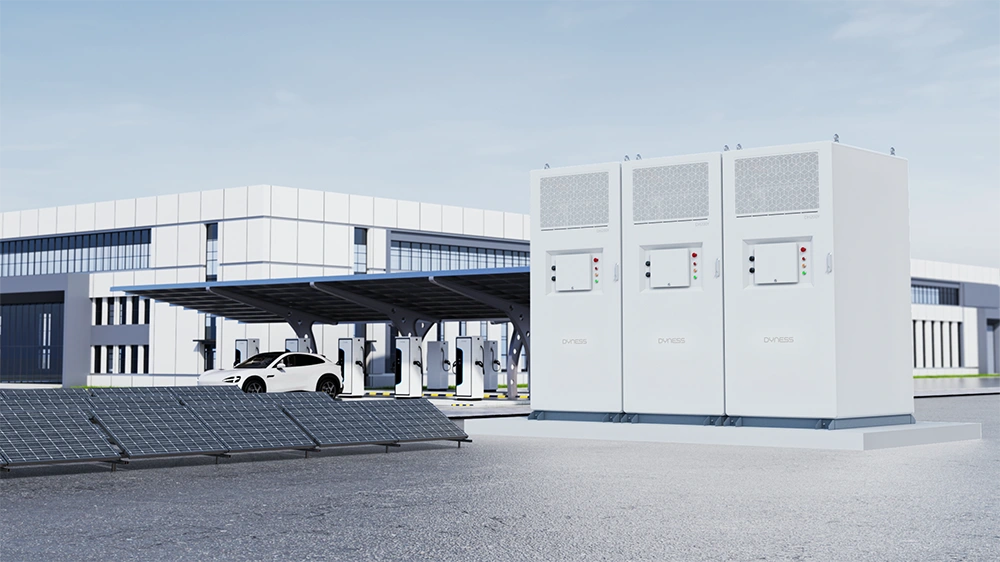
Installing energy storage in a shopping mall requires more than selecting battery capacity. Equipment placement, available installation space, professional maintenance access, and protective arrangements must all be considered within the building's operating environment. Since shopping malls remain active public spaces, installation planning must account for surrounding commercial activities and the physical requirements of the selected equipment.
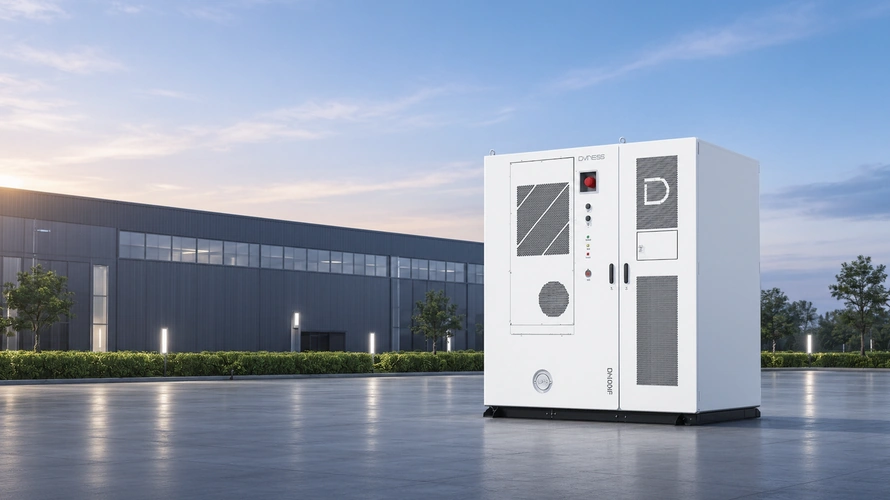
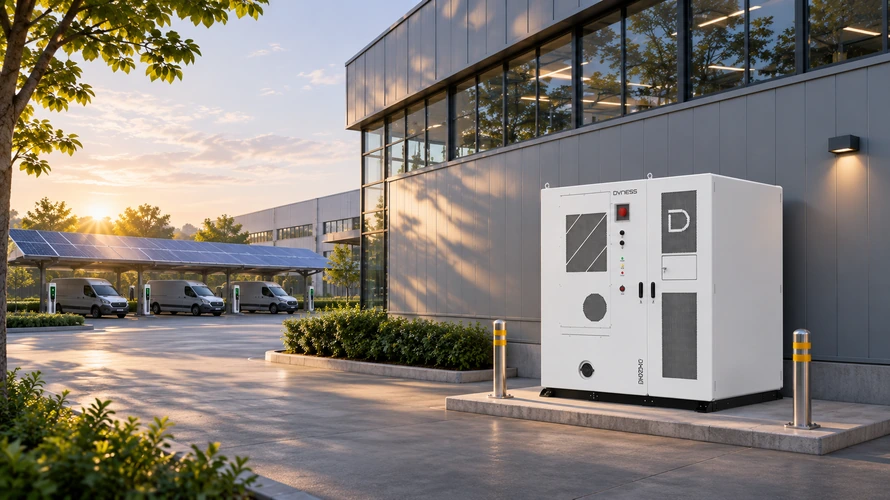
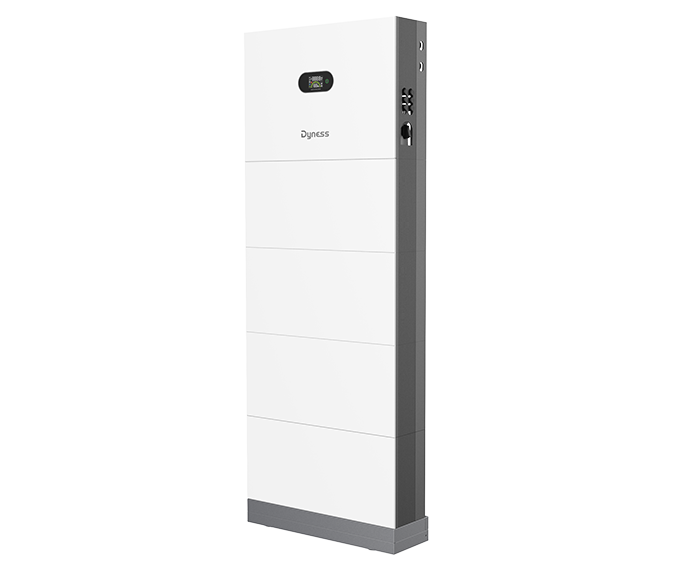
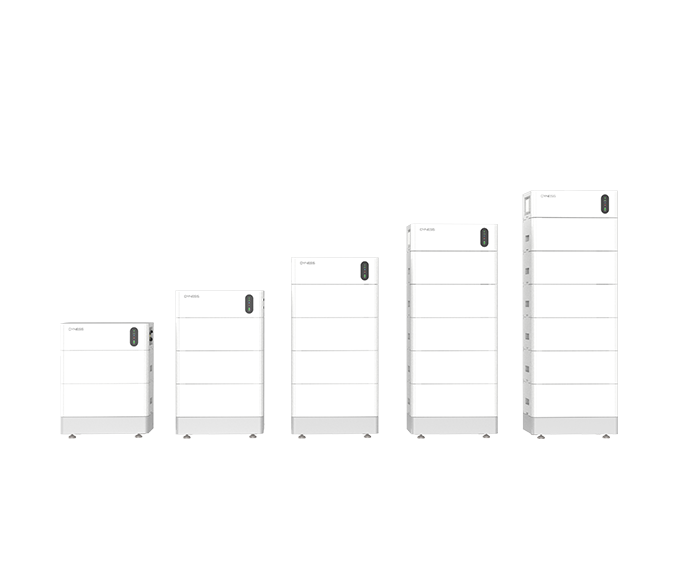
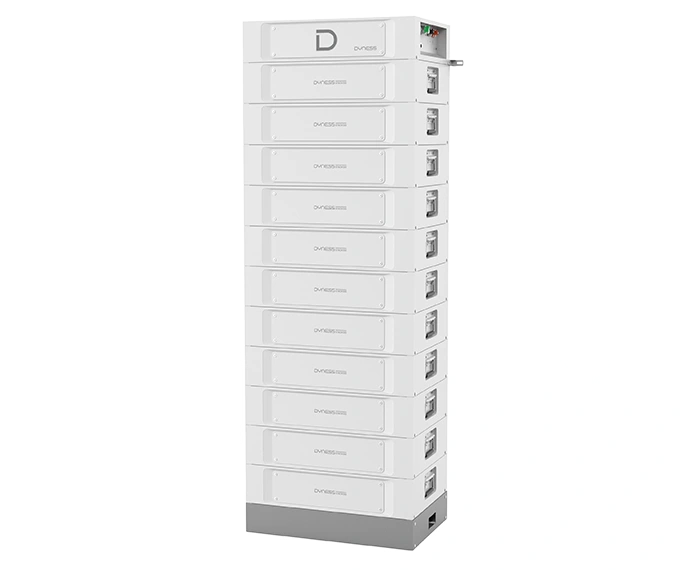
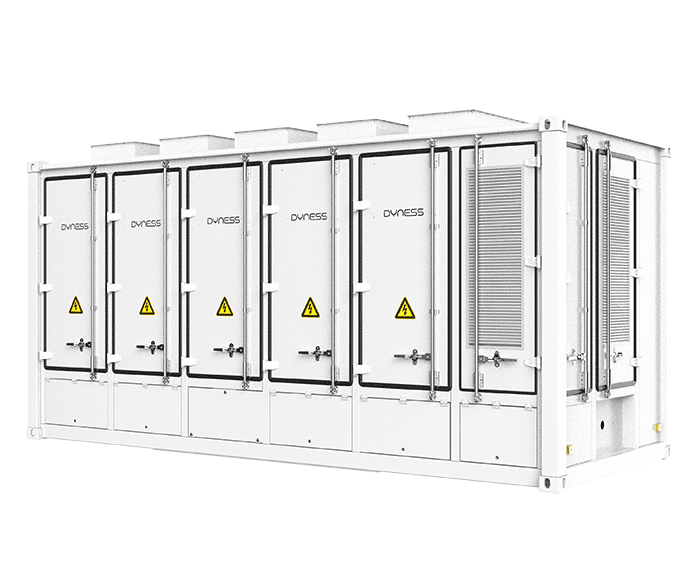
At Dyness, our commercial energy storage configurations support single and multiple application scenarios, with optional MPPT photovoltaic modules available for DC solar connection where the project design supports them. The inclusion of these modules depends on the site's existing solar equipment and intended electrical arrangement. A suitable energy storage commercial solution therefore begins with a clear assessment of the building's electrical interfaces, installation conditions, and operating objectives.
Smart Monitoring and Coordinated Energy Management
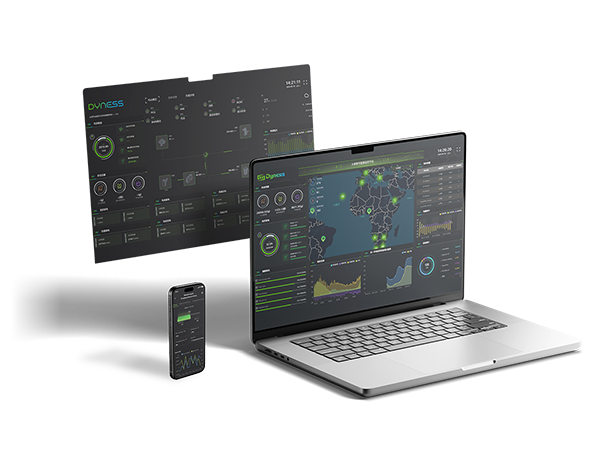
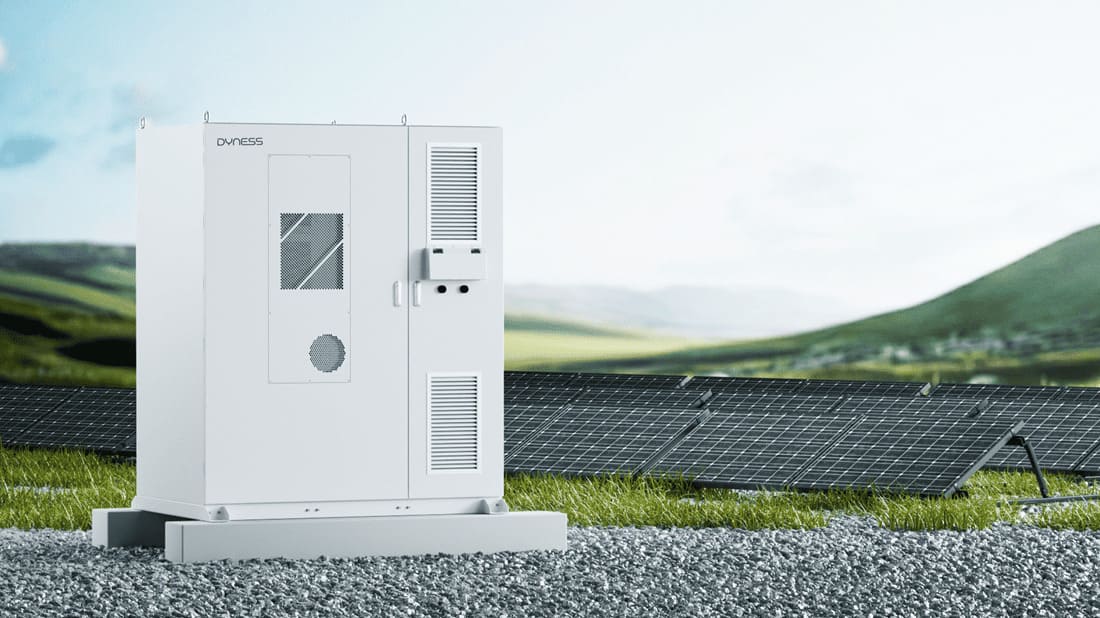
Once installed, an energy storage system needs continuous operating feedback to evaluate its performance and identify maintenance requirements. Dyness cloud functions provide real-time equipment status, battery-life tracking and forecasting, earnings analysis, report export, and remote operation and maintenance. These functions help operators review equipment conditions and connect recorded operating periods with the energy management strategy being used.
Shopping malls may also need to consider tenant-specific electricity demand and shared building services. Before finalizing the operating schedule, project teams should identify which services share the electrical supply, when charging demand occurs, and which energy management objectives take priority. Tenant billing arrangements and control permissions require separate confirmation rather than being assumed as part of the storage system's standard functions.
A Real-World Retail Energy Storage Project in Tenerife
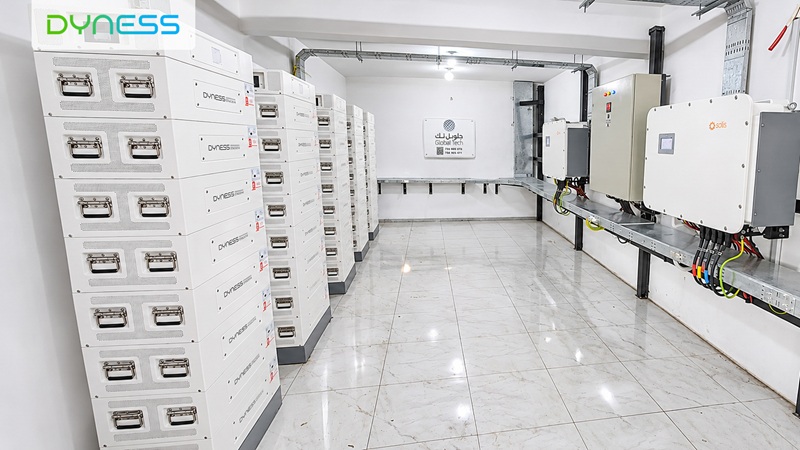
A supermarket project in Tenerife, completed in April 2024, demonstrates how commercial energy storage can support multiple retail applications. The approximately 2,500-square-metre site integrated a Dyness DH200F system with 215 kWh of storage capacity. Its electrical loads included the frozen-food area, air conditioning, heating equipment, and an EV charging station.
Following installation, the proportion of solar power used at the project increased from 56% to more than 90%. This result reflects solar energy utilization at the specific supermarket and should not be interpreted as an equivalent reduction in electricity bills or a guaranteed outcome for other shopping malls. The project's actual results depend on its own solar generation, consumption profile, and operating conditions.
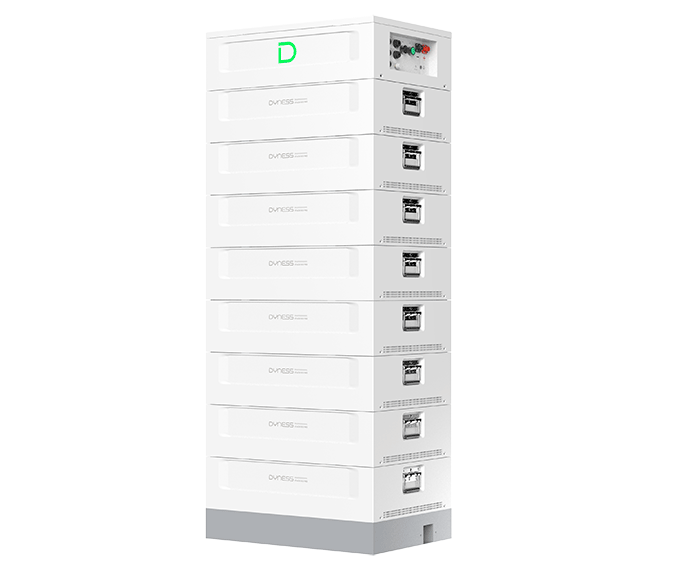
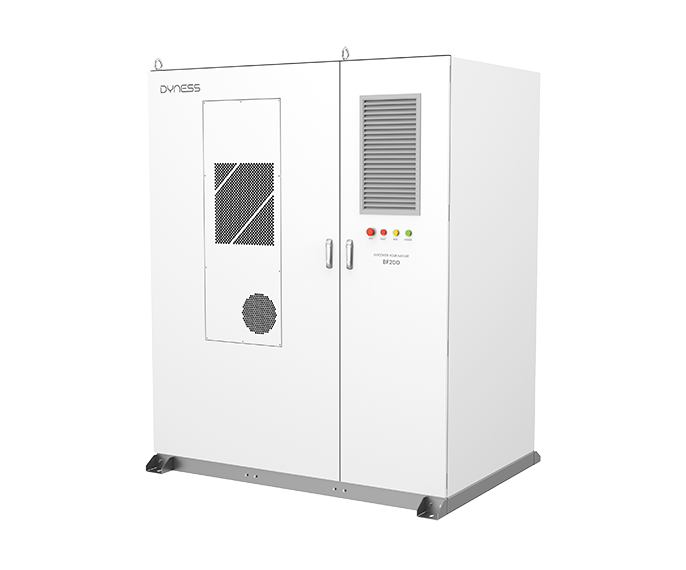
The Dyness DH200F integrates battery storage, PCS, BMS, and EMS functions, with optional photovoltaic access and grid-connected/off-grid switching for different applications. Its safety arrangement includes three detection levels, EMS fire-protection decisions, IP55 protection, and C3 corrosion resistance. Multiple systems can be connected in parallel for expansion up to 2.5 MWh. These specifications illustrate the configuration used in the project and should be distinguished from other DH200F product variants.
Conclusion
Shopping mall energy management requires coordination between continuous building services, fluctuating EV charging demand, solar generation, and grid electricity. Commercial energy storage solutions can help address these requirements through peak shaving, load shifting, solar energy utilization, and intelligent monitoring.
The Tenerife supermarket project demonstrates how a Dyness DH200F system with 215 kWh of storage supported refrigeration, climate control, and EV charging while increasing the proportion of solar power used from 56% to more than 90%. For other retail facilities, the appropriate Commercial Battery Energy Storage System should be determined by actual load records, installation conditions, available solar generation, and the site's electricity management priorities.
FAQ
-
Q: What are the main components of a commercial energy storage system?

A: A commercial energy storage system typically includes battery storage, a Battery Management System (BMS), a Power Conversion System (PCS), an Energy Management System (EMS), and monitoring and protective equipment. These components work together to manage energy storage, electrical conversion, charging and discharging, and system operation.
-
Q: What is the difference between EMS and PCS in a commercial battery energy storage system?
A: The EMS determines when and how the energy storage system should operate based on load demand, electricity tariffs, solar generation, and battery status. The PCS carries out the electrical charging and discharging commands within the system's rated power and operating limits.
-
Q: What is the difference between the Dyness DH200Y-C260 and DH200F-C260?
A: Both systems provide 261 kWh of nominal battery capacity, but their integration architectures differ. The Dyness DH200Y-C260 is a liquid-cooled commercial energy storage system rated at 125 kW, while the DH200F-C260 integrates battery storage, PCS, and photovoltaic inputs, supporting up to 252 kW of solar input through four MPPTs. The appropriate choice depends on project requirements and system configuration.
Learn More