























Dyness Knowledge | Virtual Power Grid Distributed Energy Storage Builds a Foundation of Flexible Resources
-
Technical Blog
-
 2026-08-26
 -
 Dyness

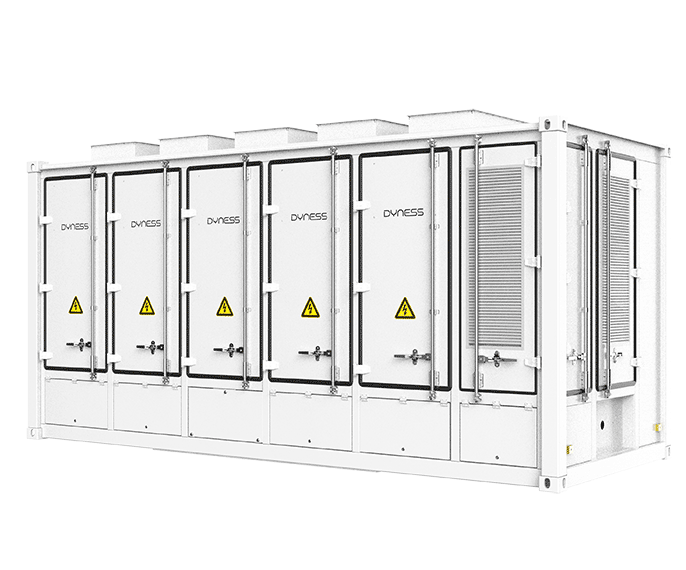
Dyness has developed the DH200Y-C260 product portfolio to serve applications ranging from large-scale industrial parks to small-scale, fragmented scenarios. Featuring independent unit control, flexible parallel expansion, and low LCOS, the DH200Y-C260 lightweight, all-in-one liquid-cooled cabinet addresses four key implementation challenges for small and medium-sized projects—site constraints, capital requirements, O&M, and scalability—thereby establishing itself as a standardized, micro-scale, flexible asset for virtual power grids.
I. Virtual Power Grids Reshape the Value of Energy Storage: Small-Scale Energy Storage Emerges as a Core Dispatchable Asset
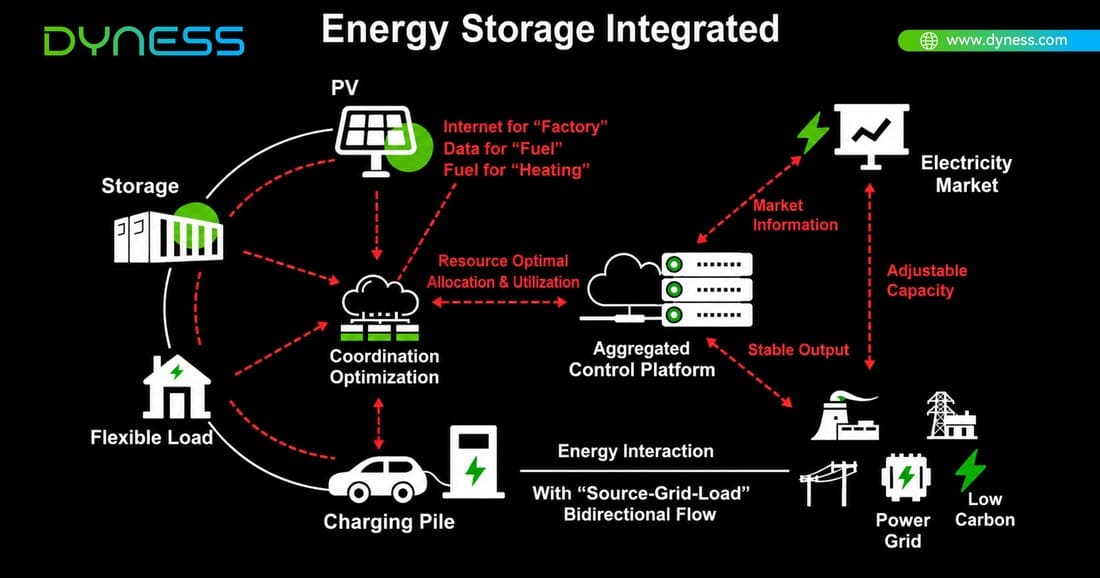
New power systems rely on virtual power grids to establish bidirectional interaction channels across generation, grid, load, and storage. Consequently, industrial and commercial energy storage has moved beyond the limited roles of "emergency backup power" or mere "peak-valley arbitrage" to become distributed, flexible assets capable of unified dispatch and diversified revenue generation.
Load characteristics vary significantly across different types of small and medium-sized commercial and industrial (C&I) facilities, leading to distinct requirements for energy storage configurations. Small and medium-sized factories face peak loads driven by high-power equipment; here, energy storage systems must provide rapid response for demand control and participate in demand-side response programs for virtual power plants. Office complexes deal with superimposed loads from air conditioning, server rooms, and EV charging stations; energy storage helps integrate rooftop solar power and manage peak loads to reduce costs. Cold chain storage facilities operate continuously around the clock, requiring energy storage to handle both peak shaving and short-term backup power supply. Public charging stations are constrained by grid connection capacities, using energy storage to buffer concentrated charging loads. Finally, small-scale solar PPA projects rely on energy storage to smooth out generation profiles and avoid losses associated with reverse power flow.
Traditional containerized energy storage systems start with large capacities and have demanding site requirements, making them ill-suited for smaller industrial sites or business parks spanning around 1,000 square meters. The market requires lightweight, standalone energy storage units that allow for incremental capacity expansion; the DH200Y-C260 all-in-one liquid-cooled cabinet sets the standard for small-scale, aggregated virtual power grid applications.
II. Architectural Iteration: Standalone Distributed Control Adapted for Power Grid Dispatch
Energy storage control architectures are continuously evolving, shifting from early centralized designs toward cluster-level distributed independent control (such as string-based and high-voltage cascaded topologies). Traditional centralized energy storage systems, which involve paralleling multiple DC clusters, are prone to circulating currents; a fault in a single cluster can cause the entire system to drop out of the dispatchable resource pool, significantly compromising the operational stability of the virtual power grid.
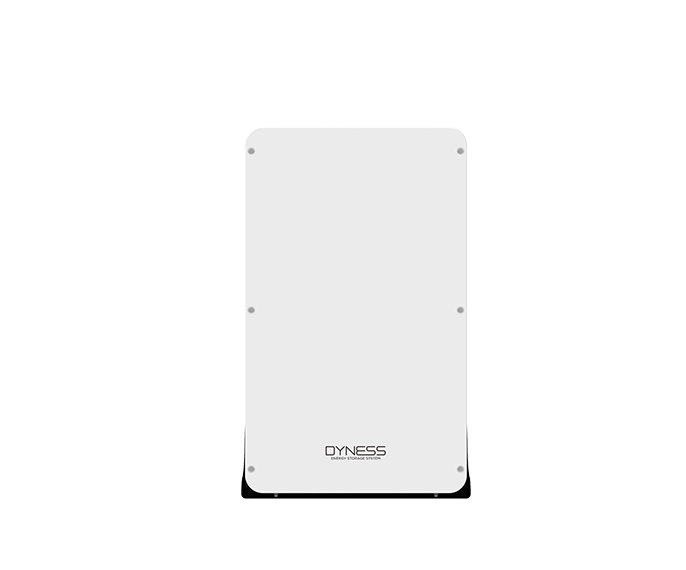
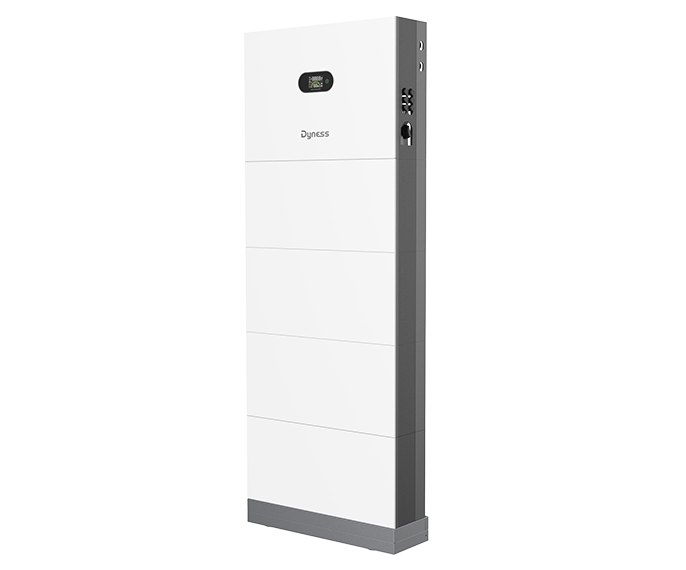
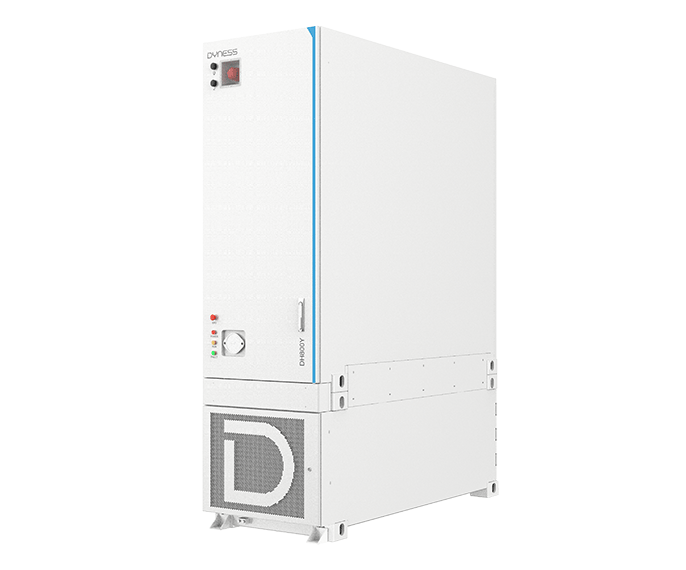
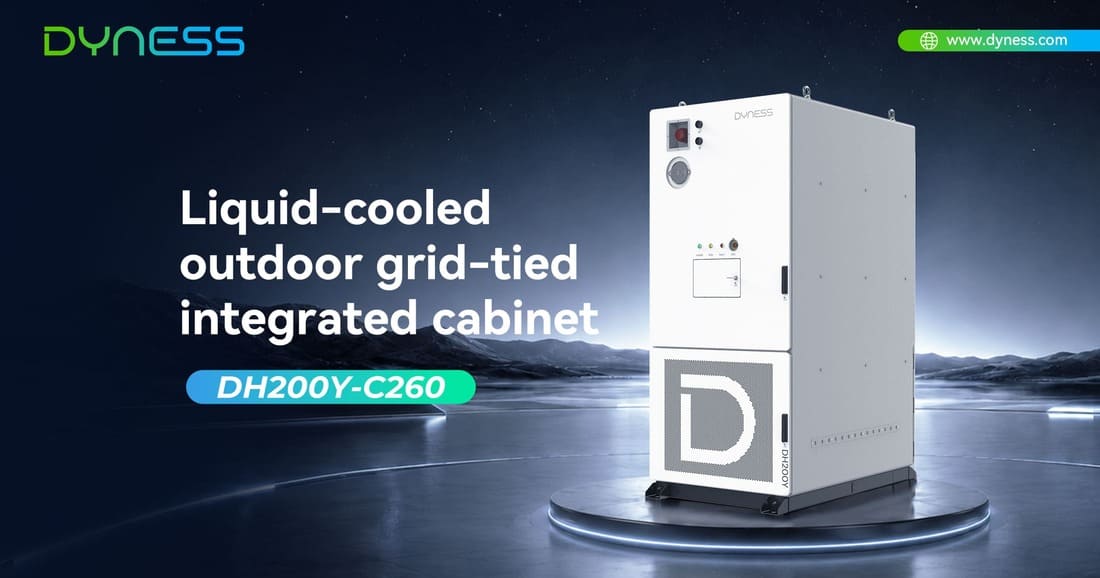
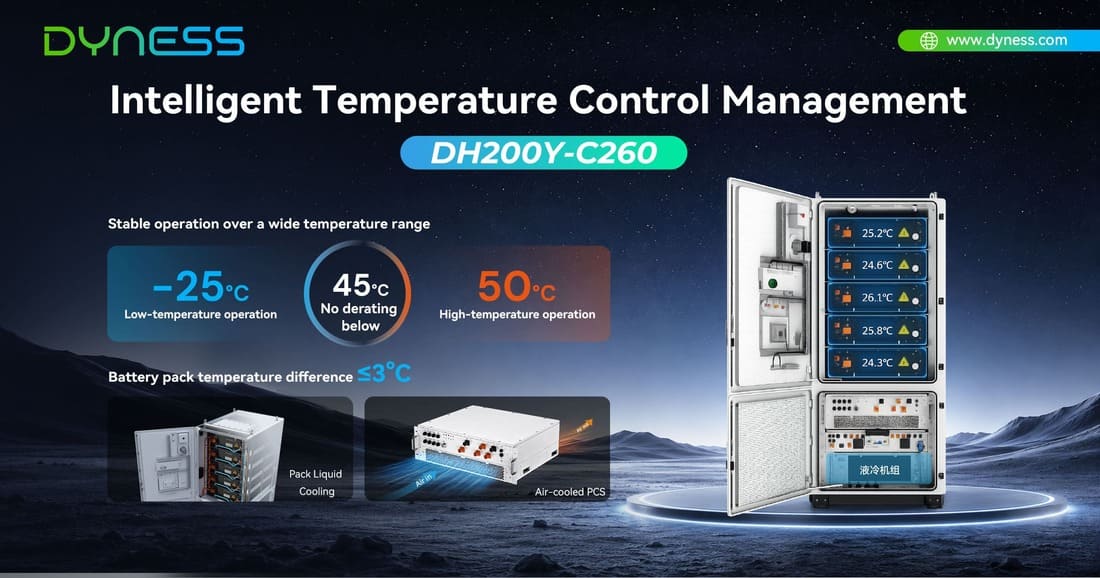
The DH200Y-C260 adopts an integrated, standalone system design; a single cabinet incorporates the BMS, PCS, liquid cooling thermal management, a three-level fire protection system, and a local EMS, functioning as an independently adjustable node with AC-side parallel busbar connection. Internally, the system is divided into five independent battery packs featuring precise cluster-level thermal management, keeping the temperature difference within each pack to under 3°C—thereby minimizing cell degradation disparities and circulating current losses at the source.
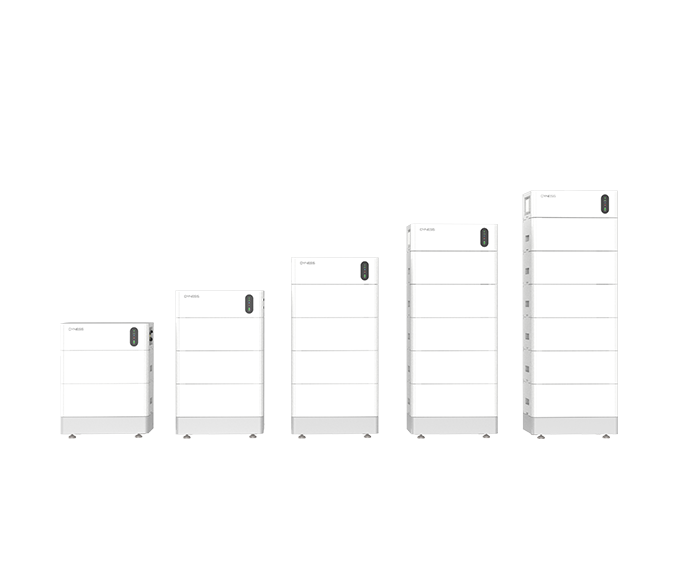
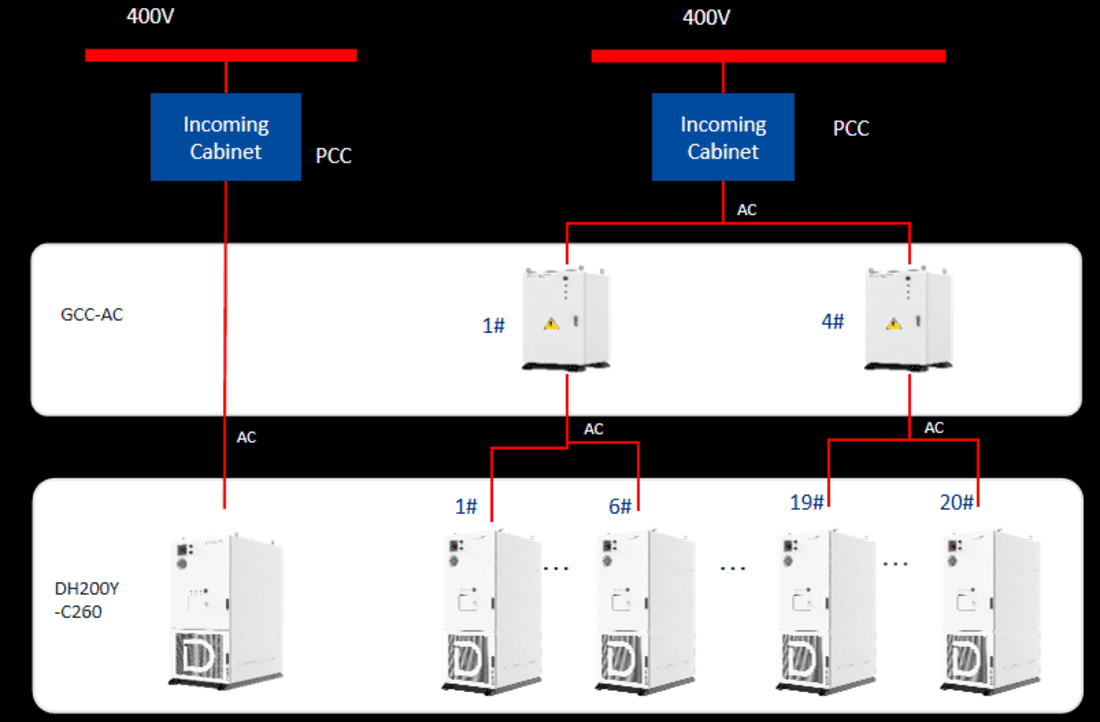
Dispatch commands can be precisely issued to any individual unit; in the event of a single-cabinet fault, automatic isolation occurs while the remaining units continue to participate in charge-discharge regulation. The product lineup features a targeted strategy: the DH200Y-C260 is designed for small-scale applications ranging from hundreds to thousands of kWh. Each unit offers 125 kW/261 kWh capacity with a footprint of just 1.47 m² and supports parallel expansion of up to 20 units (reaching 5.2 MWh), perfectly filling the gap in micro-scale energy storage resources for virtual power grids.
III. Four major shortcomings of traditional energy storage hinder the large-scale aggregation of small-scale and distributed resources.
There are currently four major pain points associated with connecting small and medium-sized projects to virtual power grids:
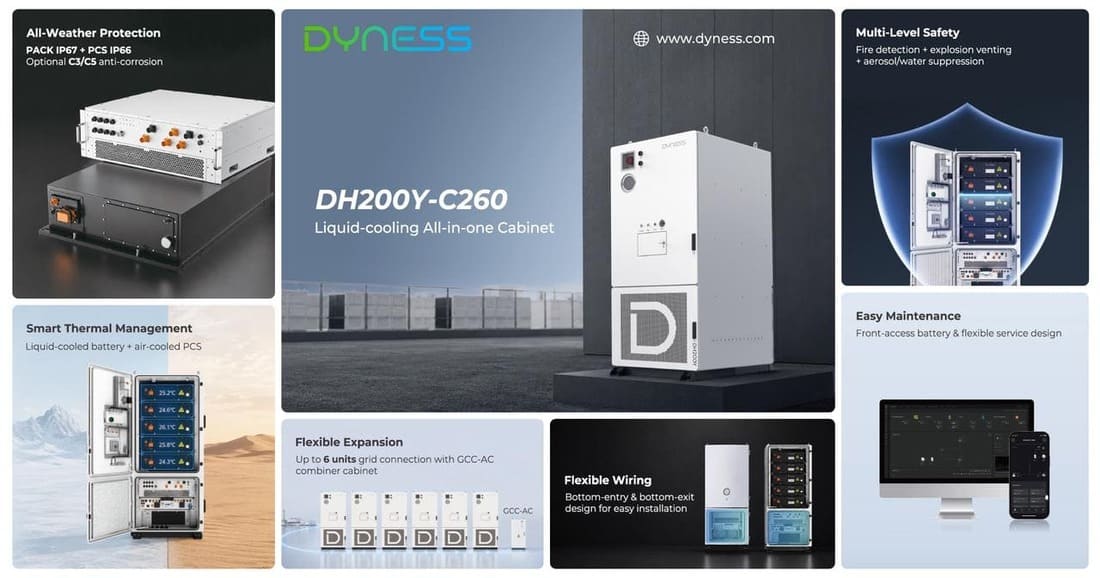
•There is a high risk of fault propagation. Centralized systems have limited isolation capabilities; issues such as battery cell overheating or insulation failures can easily spread along the busbar, and a station-wide disconnection directly reduces the grid's dispatchable capacity. The DH200Y-C260 features an MSD maintenance switch and a detection system combining water immersion sensors with composite detection (temperature, smoke, CO, and VOC). It incorporates dual-layer explosion-proof pressure relief for both the battery pack and the unit itself, and allows for the independent isolation of a faulty cabinet without affecting the operation of parallel units.
•Fixed capacities lead to wasted capital. Traditional energy storage systems come only in standard, large-capacity specifications. consequently, units purchased for small-to-medium projects often sit idle for long periods, unable to fully participate in power trading. The DH200Y-C260 utilizes a 261 kWh base unit, allowing for on-demand scaling—adding or removing units as needed—to eliminate capacity redundancy.
•Battery consistency typically degrades over time. In centralized thermal management systems, significant temperature differentials often arise, limiting total system output to the performance of the weakest battery cluster. This equipment features AI-driven cell health management, capturing individual cell voltage and temperature data at millisecond intervals to dynamically balance power output, thereby maintaining stable, adjustable capacity over the long term.
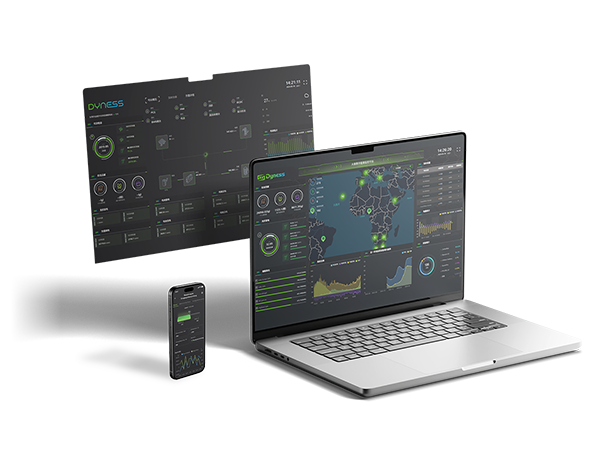
•Operations and maintenance (O&M) for non-standard equipment is challenging. Solutions integrating components from multiple vendors often involve complex, disjointed interfaces, making it impossible to achieve unified, cross-site management of virtual power plants. The DH200Y-C260 features high hardware-software integration and supports standardized communication protocols for seamless connectivity with various virtual power plant platforms, enabling unified remote O&M via an energy storage cloud.
IV. DH200Y-C260 Lightweight Integrated Cabinet: Scenario-based Flexible Energy Storage Unit
The DH200Y-C260 is a lightweight, liquid-cooled, grid-connected energy storage system designed specifically for distributed commercial and industrial applications. Key specifications include an IP55-rated enclosure, optional C3/C5 corrosion protection, an operating temperature range of -25°C to 50°C, and an energy density of 147 kWh/m². It is suitable for ground-level installation in outdoor open spaces, garages, or confined rooftop areas. Three standard parallel connection configurations are available based on project scale.
• 3-unit parallel configuration (375 kW/783 kWh): Suitable for small processing plants and community charging stations; addresses peak loads and participates in regional valley-filling services.
• 10-unit parallel configuration (1.25 MW/2.61 MWh): Suitable for medium-sized industrial parks and cold-chain warehouses; aligns with PV consumption and supports both self-consumption arbitrage and grid ancillary services.
• 20-unit parallel configuration (2.5 MW/5.2 MWh): Suitable for mixed-use commercial complexes and small-scale PV PPA projects; utilizes combiner cabinets to enable unified scheduling across transformer zones.
The product meets deployment needs across the entire project lifecycle: for new projects, units can be precisely configured based on PV capacity and load profiles. Phased expansion allows for staged deployment, alleviating upfront financial pressure. Retrofitting existing industrial sites eliminates the need for new dedicated energy storage rooms; as the units come fully pre-assembled, only grid connection wiring is required on-site, significantly shortening the implementation timeline. Additionally, the system supports DC-side capacity expansion, allowing new and existing cabinets to be used together when adding PV or charging piles later, thereby greatly enhancing asset reuse efficiency.
V. Reducing costs across the entire lifecycle to drive down the LCOS of small-scale and micro-energy storage systems.
The Levelized Cost of Storage (LCOS)—the cost per unit of electricity over the full lifecycle—is a key economic indicator for energy storage systems participating in virtual power grids; the DH200Y-C260 achieves cost optimization across six major dimensions.
First, it lowers the initial investment. By using a single unit as the minimum procurement module, it avoids the need for excessive capacity redundancy, significantly easing the upfront financial burden on small and medium-sized enterprises. Second, it saves on site infrastructure costs. Its ultra-high energy density minimizes the physical footprint, eliminating the need for a dedicated energy storage equipment room and drastically reducing civil engineering and fire safety expenses. Third, it simplifies project delivery. The unit is fully pre-assembled at the factory and compatible with standard transport and lifting equipment—requiring no special permits for oversized loads—thereby shortening the construction cycle by 60%. Fourth, it reduces thermal management losses. A proprietary liquid cooling system cuts heat dissipation energy consumption by 30% and boosts overall system efficiency by 5%, slowing battery cell degradation and extending the period of profitable operation. Fifth, it lowers O&M costs. A unified energy storage cloud platform supports remote parameter adjustment, fault early warning, and OTA updates; the front-access design facilitates easy maintenance, allowing for the servicing of individual units without shutting down the entire station. Sixth, it supports capacity expansion and upgrades. A DC-side expansion solution allows new and existing equipment to operate in parallel, enabling capacity increases without the need to replace existing energy storage assets.
Leveraging the advantages of cost reduction across the entire value chain, small and medium-sized industrial and commercial enterprises can connect to the virtual power grid at low cost; this enables them to simultaneously optimize factory electricity expenses and generate revenue from ancillary services in the electricity market, while enriching the grid's pool of distributed, adjustable resources.
VI. Conclusion
The key to the large-scale development of virtual power grids lies in fully unlocking the potential of vast numbers of small-scale industrial and commercial energy storage systems. Demand in the electricity market has shifted toward the coordinated operation of distributed, flexible resources across the entire system.
Dyness has developed the DH200Y-C260 product portfolio to serve applications ranging from large-scale industrial parks to small-scale, fragmented scenarios. Featuring independent unit control, flexible parallel expansion, and low LCOS, the DH200Y-C260 lightweight, all-in-one liquid-cooled cabinet addresses four key implementation challenges for small and medium-sized projects—site constraints, capital requirements, O&M, and scalability—thereby establishing itself as a standardized, micro-scale, flexible asset for virtual power grids.
In the future, modular, lightweight, and distributed energy storage will continue to empower the deep coordination of generation, grid, load, and storage; facilitate the flexible transformation of the new power system; and drive the comprehensive green and low-carbon upgrading of the industrial and commercial sectors.
Dyness Digital Energy Technology Co., LTD
WhatsApp: +86 181 3643 0896 Email: info@dyness-tech.com
Address:7th–8th Floors, Building 3 No. 58 Nanhu Road Chengnan Subdistrict, Wuzhong District Suzhou, China
Dyness Website: https://www.dyness.com/
Dyness community: https://www.facebook.com/groups/73560020090