





















Scalable Residential Energy Storage: Dyness PowerBrick Enables High-Capacity Home Energy Independence
-
Company News
-
 2026-07-24
 -
 Dyness

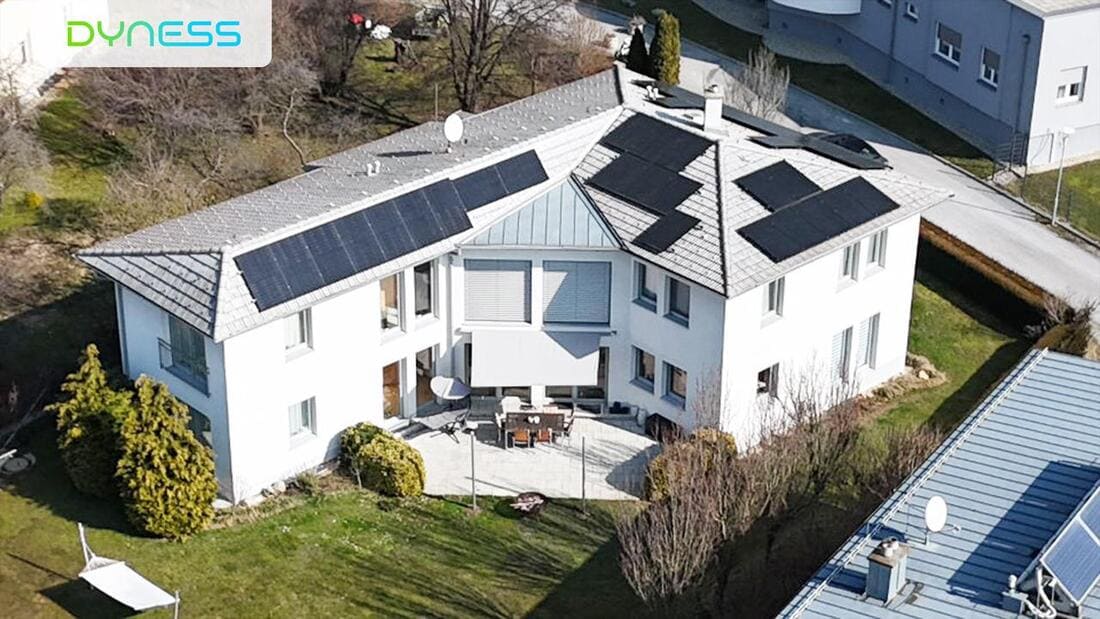
Driven by rising electricity prices and the increasing penetration of rooftop PV systems in Austria, residential energy consumption is gradually shifting from grid-dependent supply to self-managed, localized energy systems. In Kemeten, Austria, a high-capacity residential energy storage project powered by Dyness PowerBrick has been successfully deployed at Tulpengasse 10, enabling a private household to achieve stable, flexible and fully renewable energy supply throughout the day.
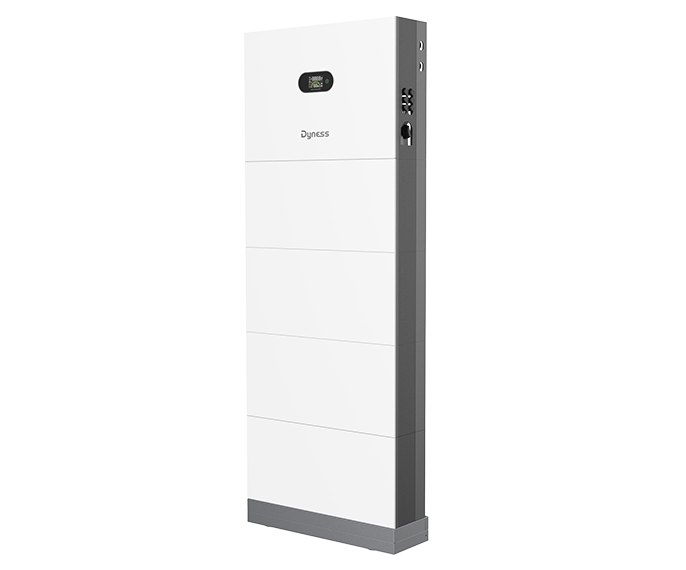
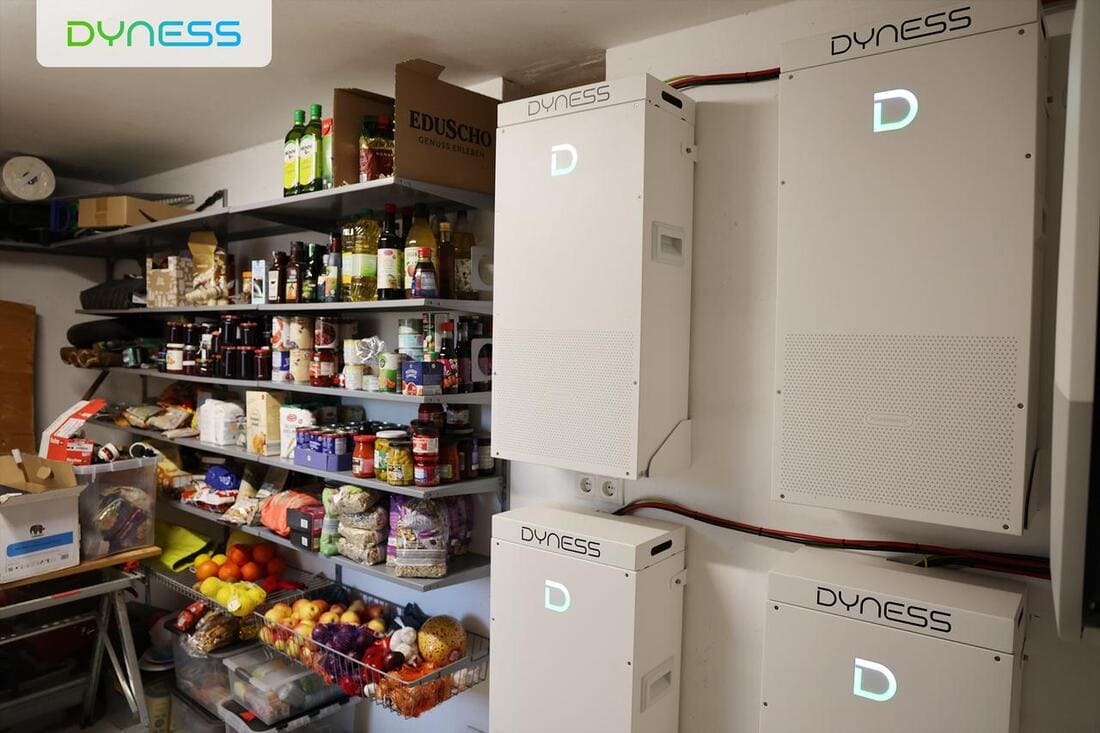
The system, with a total installed capacity of 57.3 kWh (4 units of Dyness PowerBrick in parallel), provides a robust energy foundation for a large residential property with high and continuous electricity demand, supporting the transition toward greater energy autonomy and self-consumption optimization.
Residential Energy Shift: From Grid Dependence to Local Energy Autonomy
As electricity prices in Austria continue to fluctuate and residential PV adoption accelerates, high-energy households such as villas and multi-family residences are increasingly seeking flexible storage solutions to stabilize consumption and improve self-sufficiency. In this context, energy storage is no longer only a backup solution, but a key enabler for daily energy management and cost optimization.
The Kemeten residence reflects this evolving demand pattern. Household electricity consumption is characterized by multiple usage layers, including everyday appliances such as lighting and electronics, continuous base loads such as refrigeration and communication systems, and high-demand applications associated with heating and long-duration residential occupancy. Against this backdrop, the user required a system capable of delivering long-term energy autonomy and consistent household energy security, ensuring uninterrupted performance and reduced dependency on external grid fluctuations.
System Deployment: Scalable Residential Storage Based on PowerBrick
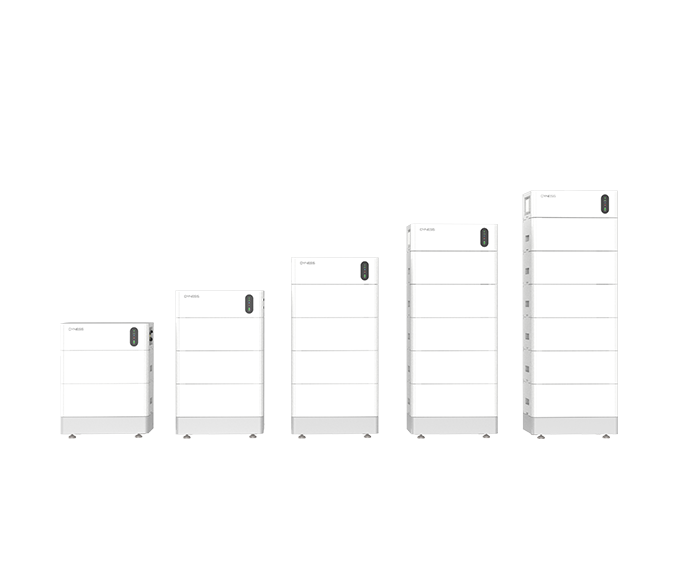
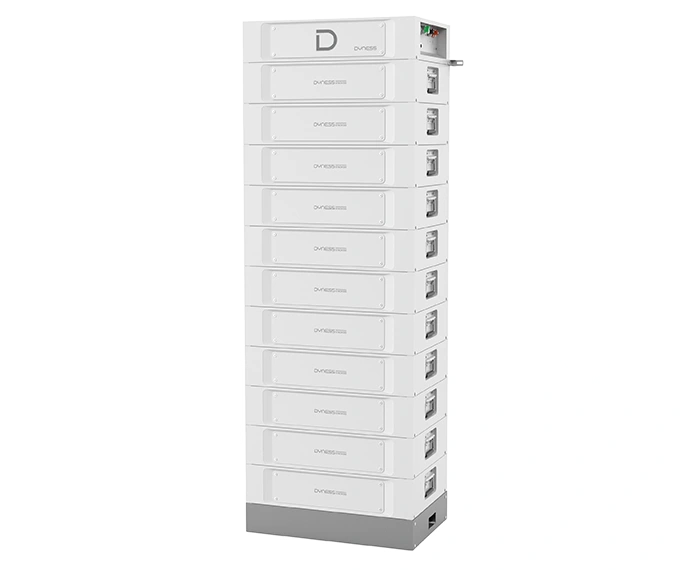
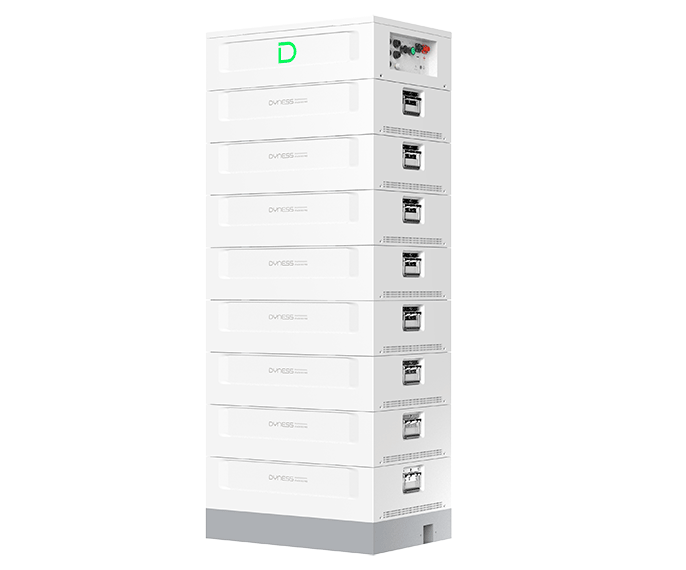
To meet these requirements, the project deployed four Dyness PowerBrick units with a total storage capacity of 57.3 kWh, enabling the household to store excess daytime PV generation for use during evening and nighttime consumption.
Compared with direct grid consumption, the system is expected to significantly increase on-site solar self-consumption while reducing electricity purchases during high-tariff periods. Under typical Austrian residential electricity pricing, the solution is expected to generate annual electricity cost savings in the range of €2,000–€4,000, while improving household energy resilience and reducing exposure to future electricity price fluctuations.
Product Empowerment: Dyness PowerBrick Enables Flexible Residential Expansion
Flexible Expansion for High-Capacity Residential Needs
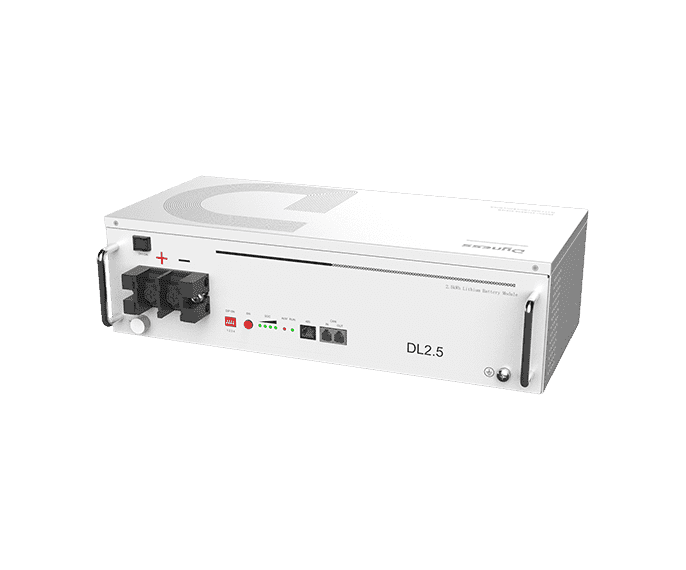
Dyness PowerBrick supports up to 50 units in parallel, offering a scalable capacity range from 14.3 kWh to 716.8 kWh. It enables homeowners to size the system according to their current energy demand while preserving flexibility for future expansion. In this project, the four-unit configuration not only satisfies today's household consumption, but also allows future integration of additional high-power loads such as EV chargers, heat pumps or other electrified appliances—helping avoid repeated system upgrades and protecting long-term investment.
Stable High-Power Output for Daily Household Operation
With up to 10.24 kW continuous charge and discharge power, PowerBrick allows multiple household loads to operate simultaneously during peak demand periods. Whether supporting heating systems, kitchen appliances or everyday electrical equipment, the system helps maintain stable household operation while maximizing the utilization of locally generated solar energy.
Safe and Reliable Residential Operation
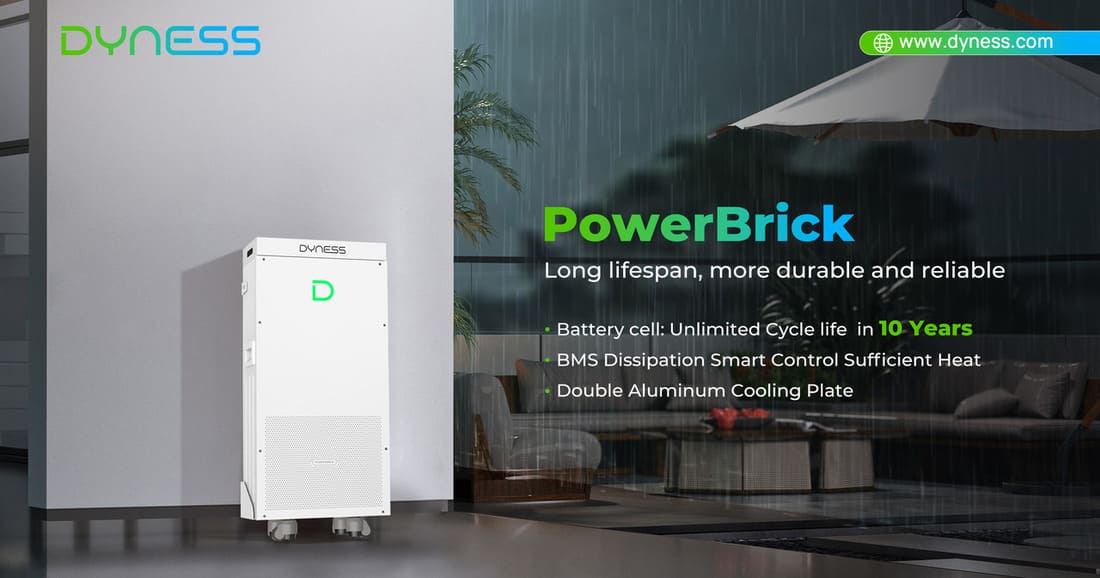
Designed for long-term residential operation, PowerBrick combines intelligent fire protection with durable LFP battery technology to enhance system safety and reliability. With over 8,000 cycles and a 10-year warranty, the solution helps reduce maintenance concerns while providing homeowners with greater confidence throughout the system's service life.
Flexible Installation and Long-Term Adaptability
Supporting both wall-mounted and floor-mounted installation, PowerBrick adapts easily to different residential layouts. Its user-friendly installation design shortens deployment time, helping installers improve project efficiency while enabling homeowners to put the system into operation more quickly.
Value Impact: Toward Scalable Residential Energy Independence
Through the deployment of Dyness PowerBrick, the Kemeten residence has transformed from conventional grid-dependent consumption to a more flexible and self-managed energy model. By storing excess solar generation for use during evening and peak-demand periods, the system significantly increases PV self-consumption while reducing electricity purchases from the grid.
For high-consumption households in Austria, combining rooftop PV with battery storage can typically increase solar self-consumption from around 30–40% to 70–80%, helping reduce exposure to rising electricity prices while improving the long-term return on residential solar investment. The modular architecture also provides a scalable foundation for future electrification needs, making the solution suitable for long-term household energy planning.
With a presence in over 100 countries and strong expertise in residential and commercial energy storage solutions, Dyness continues to empower households across Europe with safe, intelligent and scalable energy technologies, supporting the transition toward a more resilient and sustainable energy future.