
























Practical Advice for Evaluating Photovoltaic Storage Options


Get notified about new updates, products, tips and tutorials. No spam.
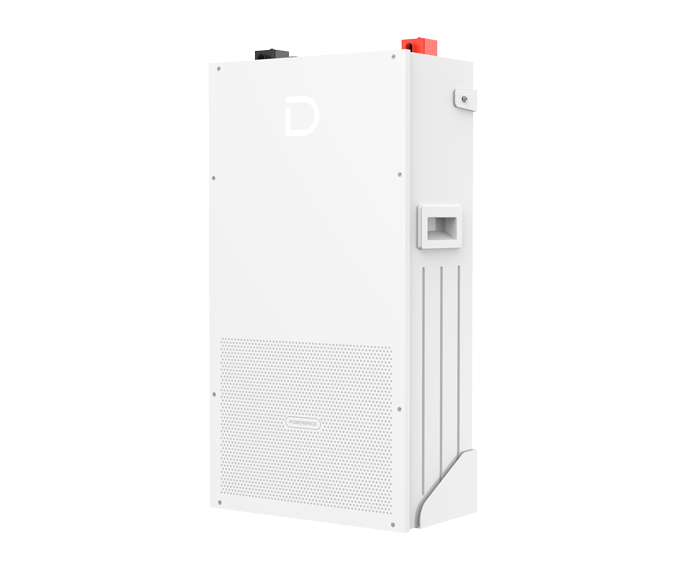
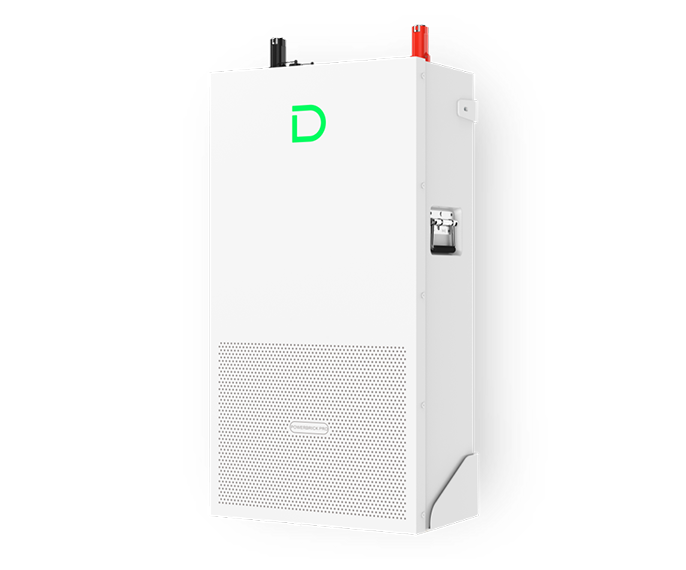
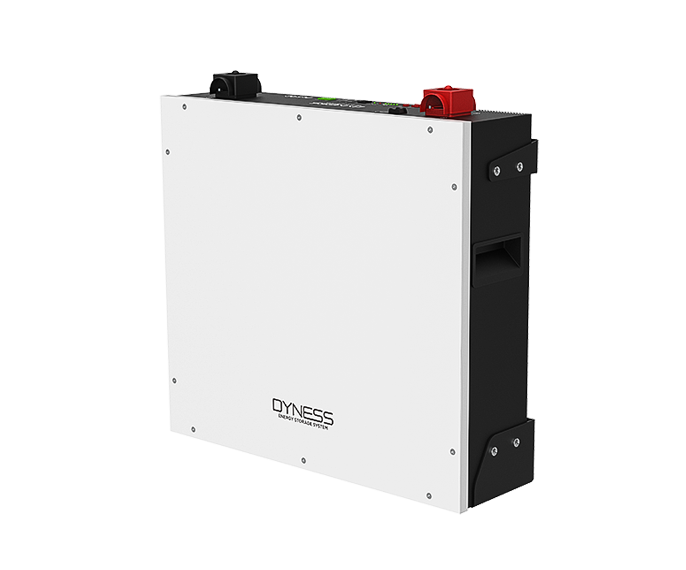
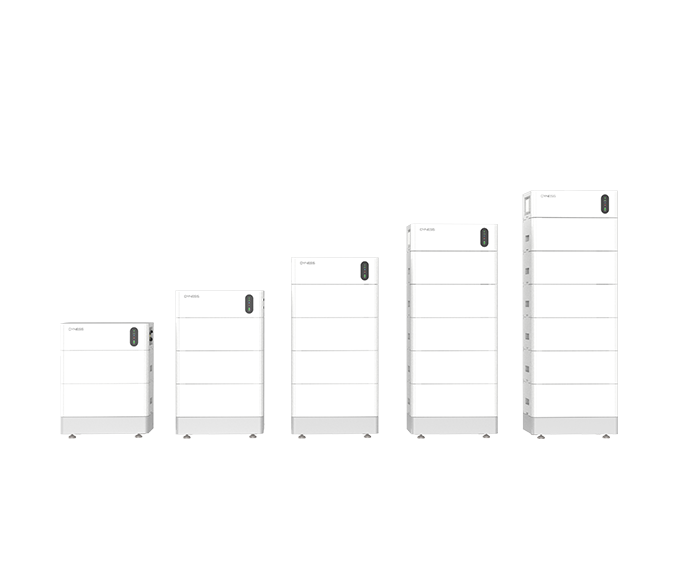
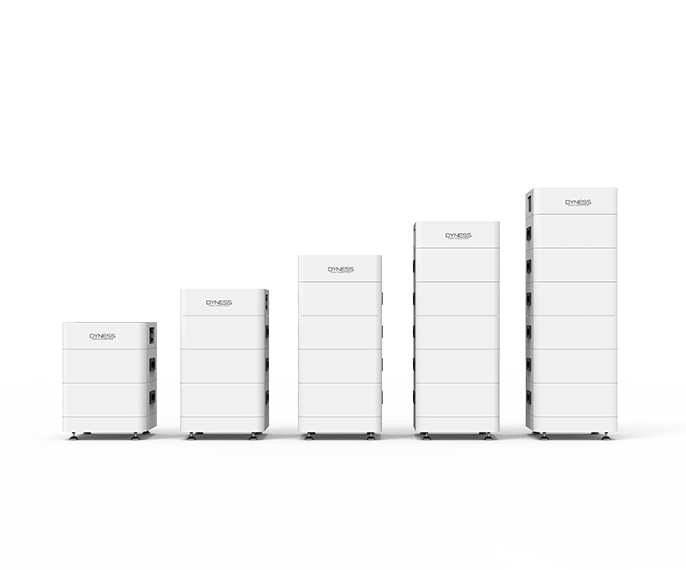
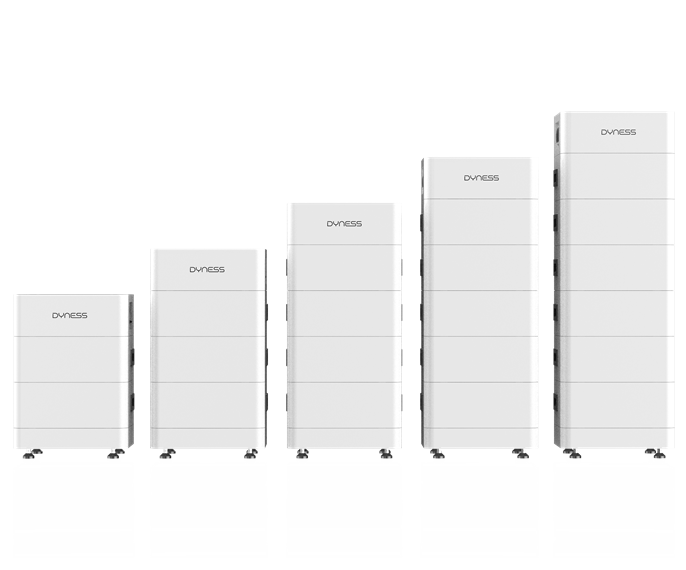
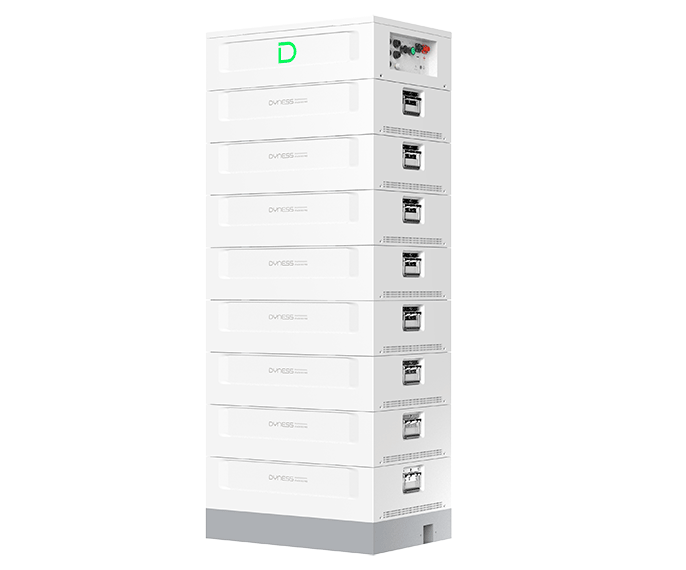
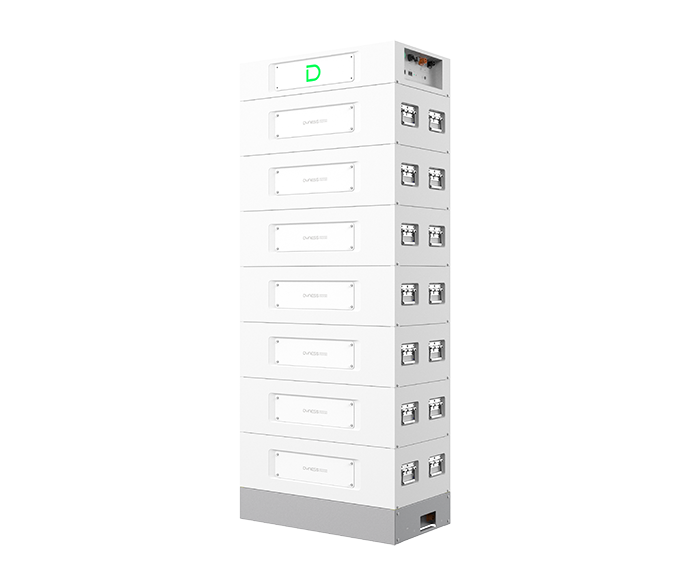
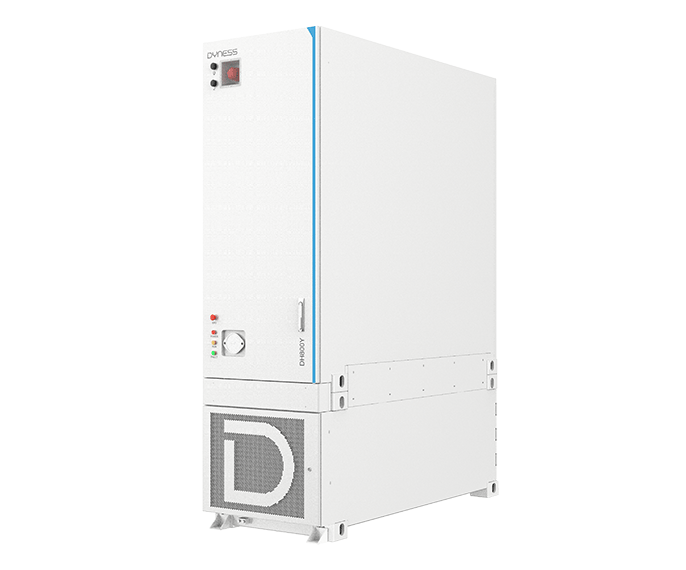
Finding the right hardware for a commercial project often involves a lot of technical noise, but at Dyness, we believe the process should be grounded in actual site requirements. When we talk to our B2B partners, the conversation usually centers on how to match an energy storage battery with specific inverter setups and load profiles to ensure long-term stability. As a battery energy storage system manufacturer, we see firsthand how a mismatched system can lead to inefficient charging cycles or even premature hardware fatigue. It is not just about picking a capacity number off a spreadsheet; it is about how that energy storage battery interacts with the fluctuating output of a solar array. We focus on providing modular units that allow installers to scale up as needed, which is a core part of being a versatile battery energy storage system manufacturer. By looking at the discharge rates and the depth of discharge, businesses can find a balance that protects their investment for years.

Matching Battery Chemistry to Site Demands
Every warehouse or factory has a unique power signature, and the choice of an energy storage battery must reflect that reality. We almost exclusively recommend Lithium Iron Phosphate (LFP) because of its thermal stability and high cycle life in demanding environments. When we act as a battery energy storage system manufacturer for global clients, we emphasize that the chemistry inside the energy storage battery dictates how safely it can operate in high-ambient temperatures. Our experience suggests that for B2B applications, where systems might cycle twice a day for peak shaving, the durability of the energy storage battery is the most critical factor. Being a focused battery energy storage system manufacturer means we prioritize safety features like aerosol fire suppression and intelligent battery management systems that keep the cells balanced and healthy even under heavy industrial loads.

System Compatibility and Integration Realities
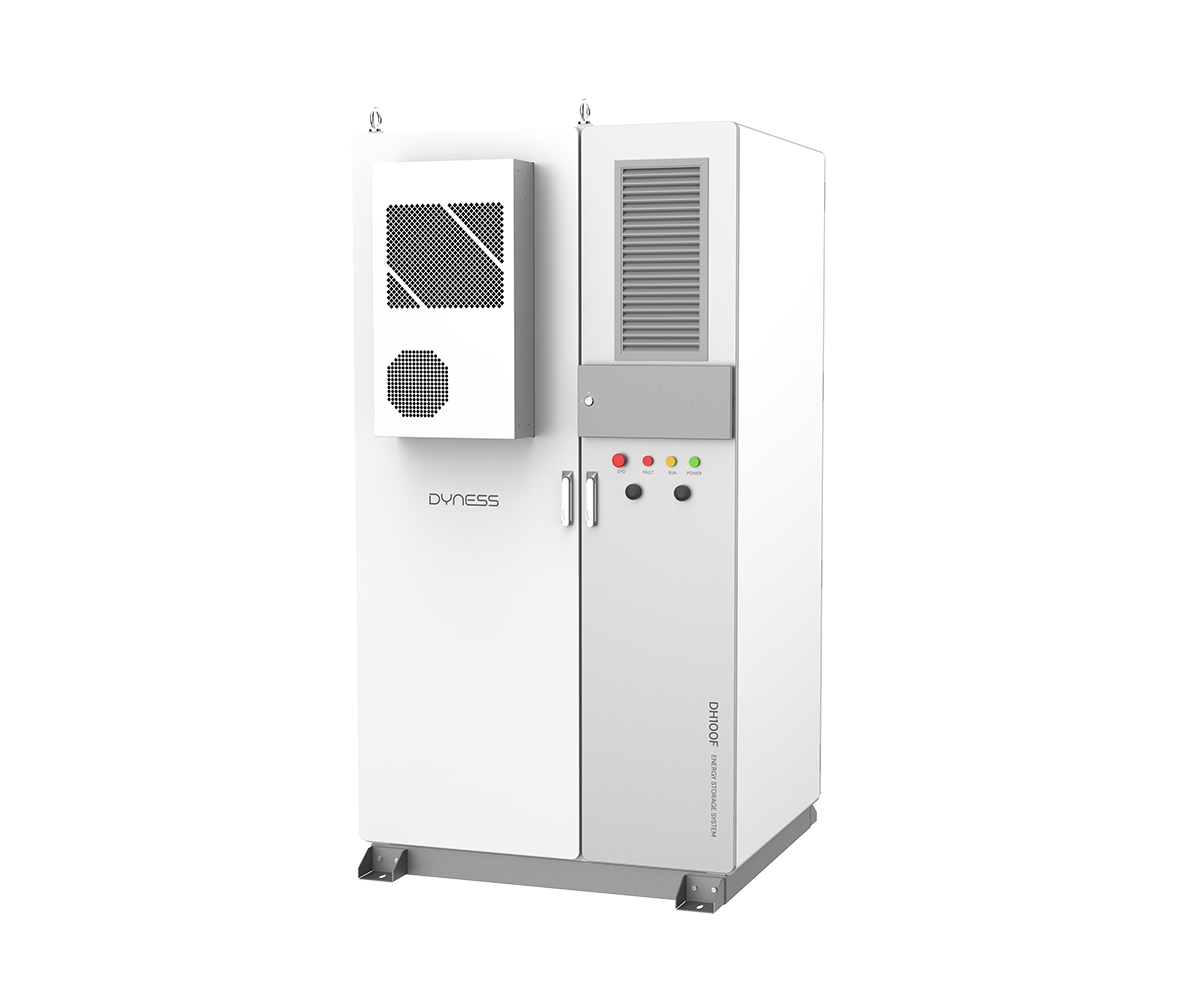
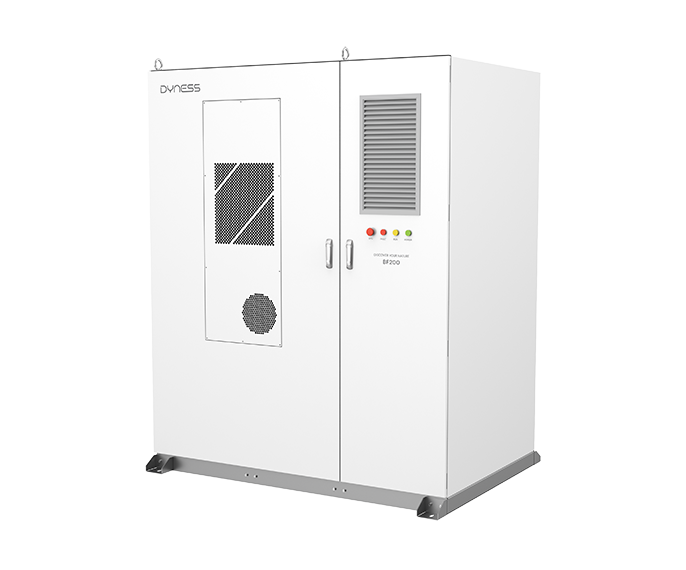
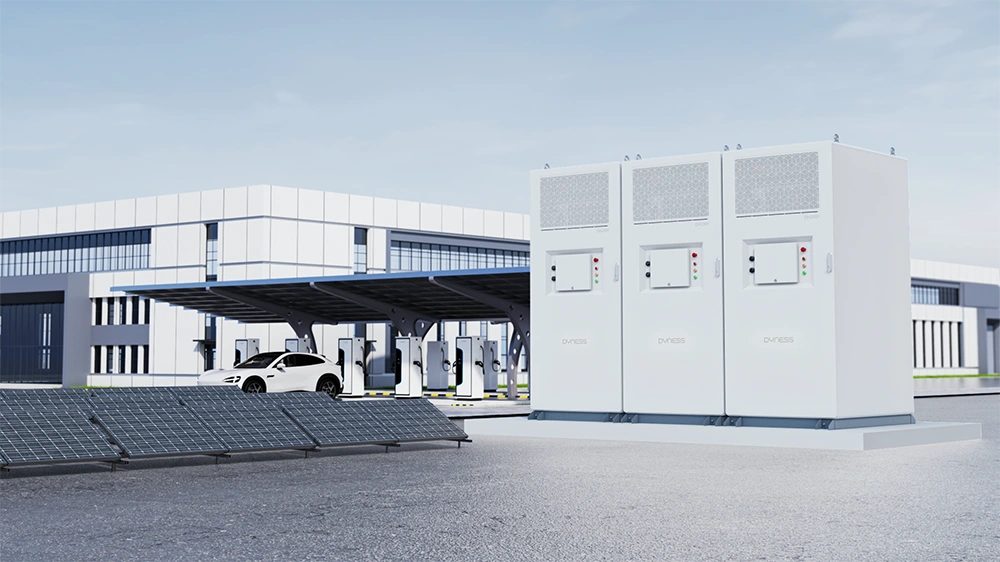
We have noticed that many technical issues during installation arise from a lack of communication between the storage unit and the existing solar infrastructure. A high-quality energy storage battery should ideally offer plug-and-play compatibility with a wide range of global inverter brands. At Dyness, our role as a battery energy storage system manufacturer involves rigorous testing to ensure our energy storage battery units can talk to different communication protocols without error. This seamless integration saves labor hours on-site and reduces the risk of system downtime. We often help our partners look at the "C-rating" of each energy storage battery, which tells them how fast the system can charge or discharge. As a battery energy storage system manufacturer, we design our cabinets to handle these high-current flows while keeping the footprint compact enough for tight electrical rooms.
Long-Term Value and Maintenance Considerations
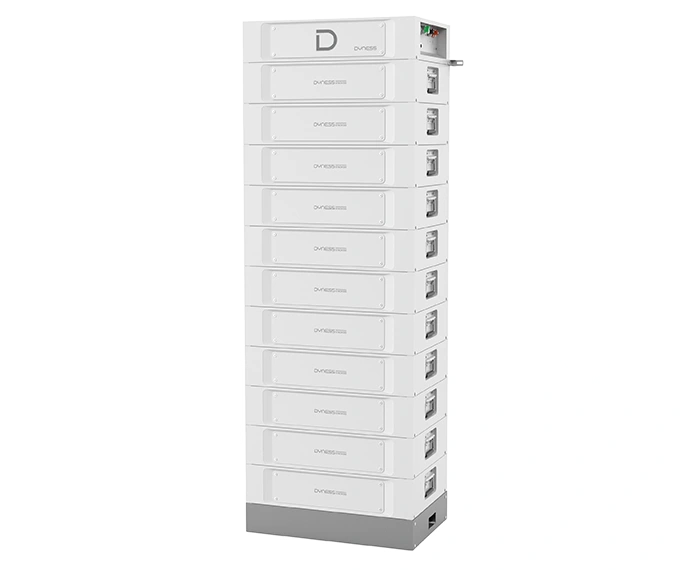
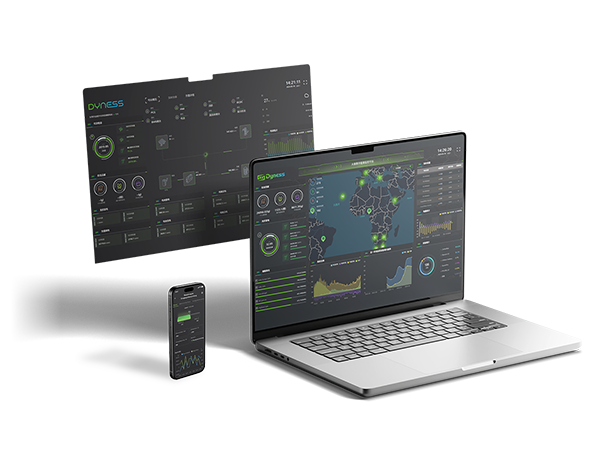
Serviceability is a factor that many people overlook until something goes wrong, but we build our hardware to be modular for a reason. If one module in an energy storage battery bank needs attention, the rest of the system should ideally keep running to minimize operational losses. In our capacity as a battery energy storage system manufacturer, we provide detailed diagnostic tools that allow technicians to monitor the health of every energy storage battery remotely. This proactive approach to maintenance is why many OEM partners choose us as their battery energy storage system manufacturer. We have found that providing clear, real-time data about the energy storage battery state of charge and temperature helps facility managers optimize their energy usage patterns. When the hardware is easy to maintain, the total cost of ownership stays low, making the transition to renewable energy much more viable for any commercial enterprise.
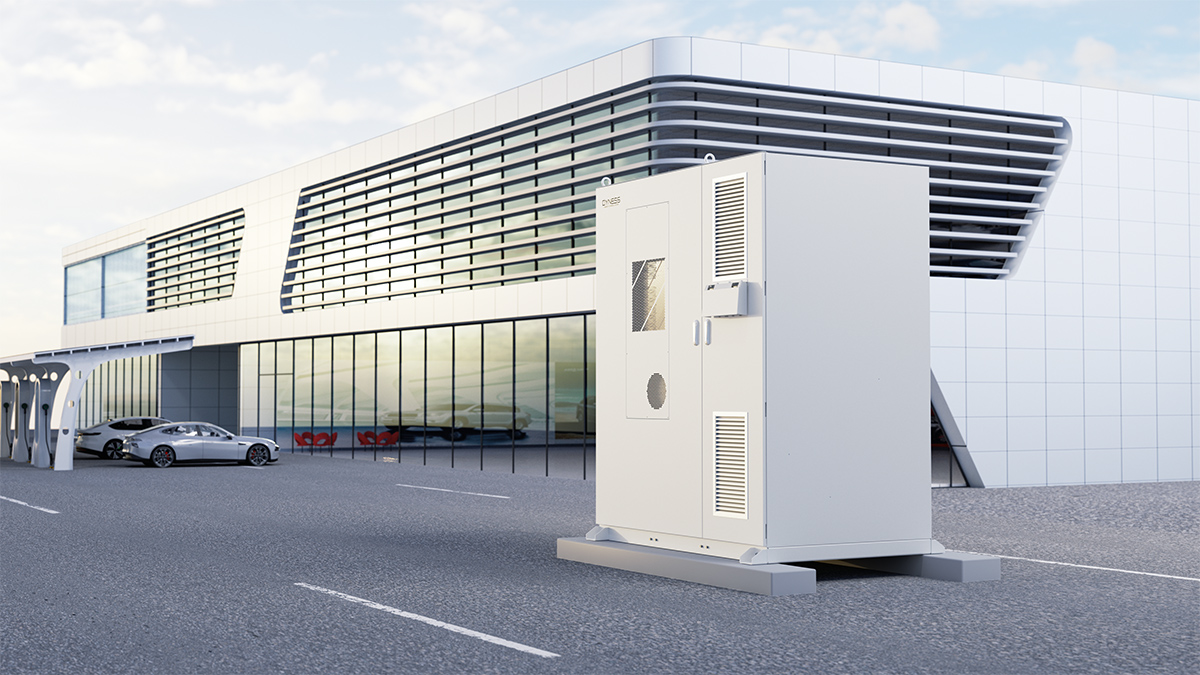
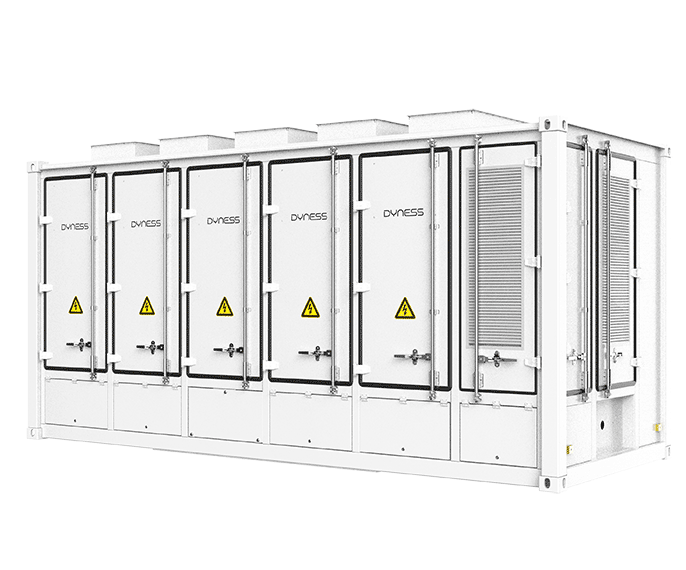
Deciding on the right energy equipment is a significant step toward operational independence. We at Dyness are here to simplify that journey by offering reliable, field-tested hardware that meets the specific needs of the B2B sector. Working with an experienced battery energy storage system manufacturer ensures that you are getting a product designed for the rigors of professional use. Every energy storage battery we produce undergoes strict quality control to meet international standards, giving our partners the confidence they need to deploy large-scale arrays. Whether you are looking for a small commercial unit or a massive containerized setup, being a dedicated battery energy storage system manufacturer allows us to tailor the right solution for your specific energy goals. Focus on the specifications that matter most to your daily operations, and the rest of the system will fall into place.