






















How Does a Balcony Energy Storage System Automatically Manage Your Power Usage?


Get notified about new updates, products, tips and tutorials. No spam.
When users first learn about a Plug-in Balcony ESS, one of the most common questions is: how does the system know when to use solar power, battery energy, or grid electricity? In practice, a Plug-in Balcony ESS can automatically manage energy flows by analyzing PV generation, household electricity consumption, and battery status. Through built-in energy management strategies, the system can decide when to store surplus solar energy and when to release stored energy for household use.
This means users do not need to manually switch between different energy sources every day. Once properly installed and configured, the system can continuously optimize energy usage based on real-time household conditions.

How Automatic Energy Management Works in Balcony ESS
The core function of a Plug-in Balcony ESS is not only storing electricity, but also intelligently managing when energy should be stored, used, or supplied from the grid.
During daytime hours, when PV generation is higher than household electricity demand, surplus solar energy can be directed to the battery for storage.
When solar production decreases in the evening or household electricity demand increases, the stored energy can be released to support household consumption.
This creates a dynamic energy flow between PV generation, battery storage, household loads, and the grid.
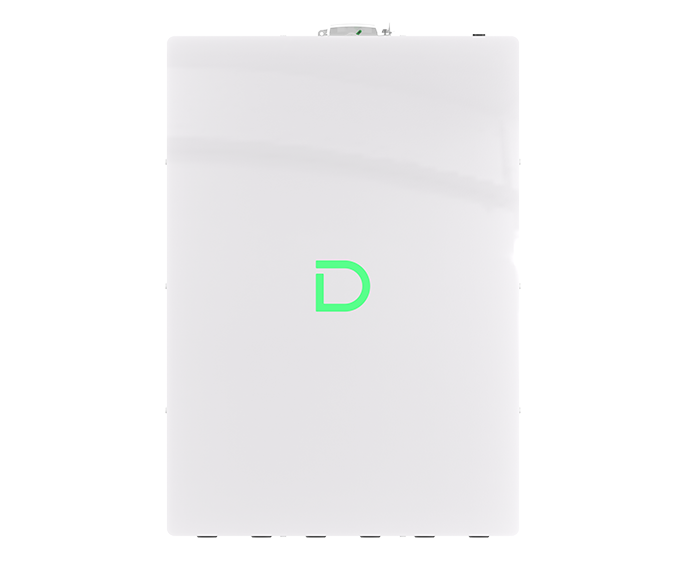
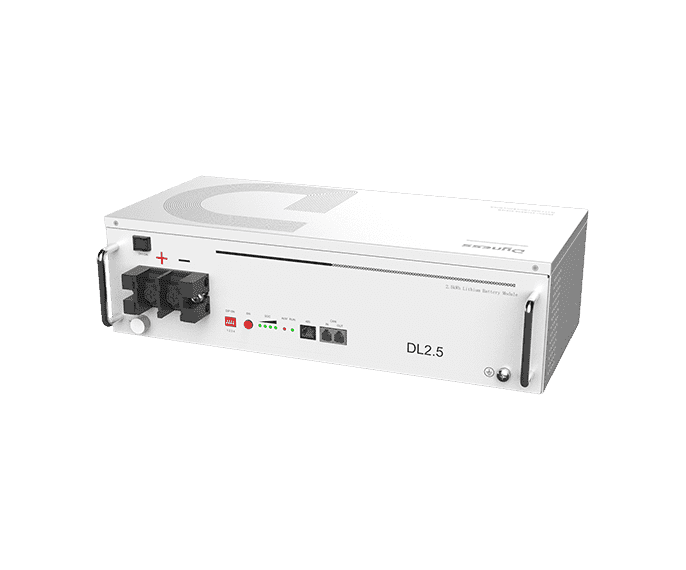
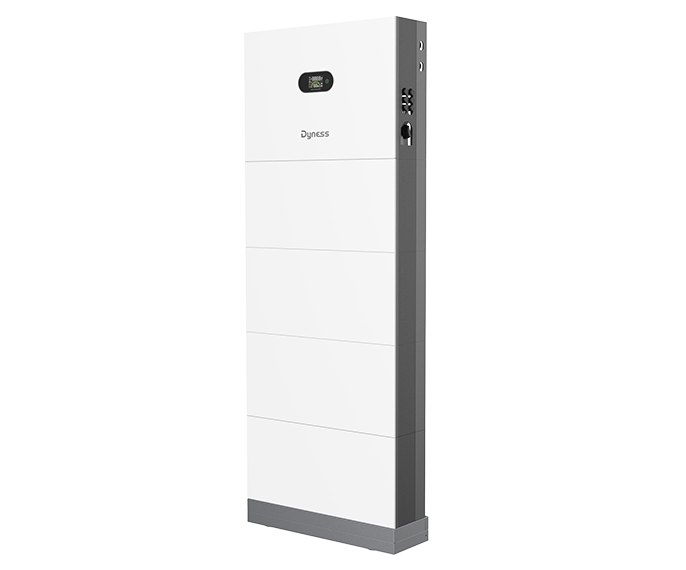
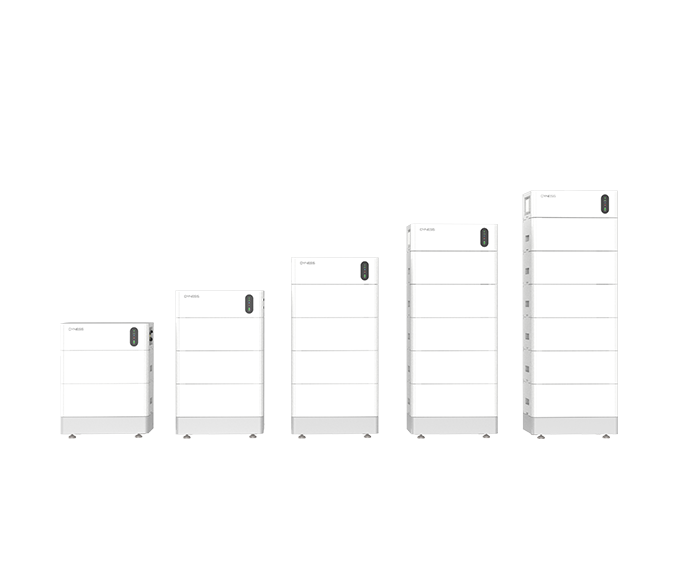
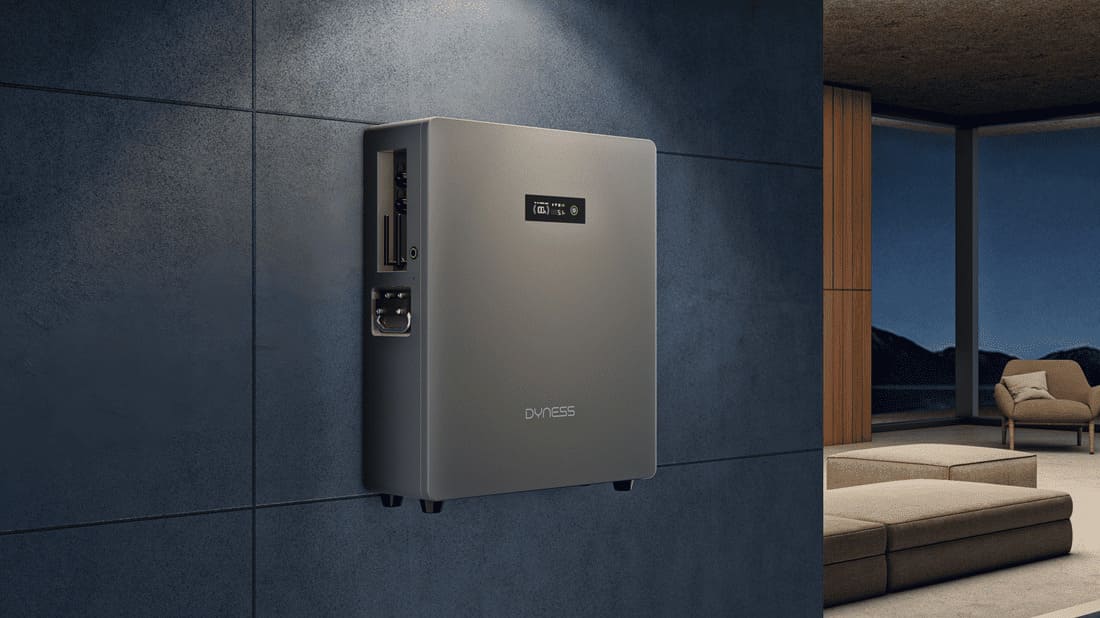
AquaVolt, as a Plug-in All-in-one ESS, integrates PV input, energy storage, and household energy management into one solution. SolarCube 2, as a Plug-in Stackable ESS, provides a modular approach that allows users to configure storage capacity according to future energy needs.
The Four Elements Behind Smart Energy Scheduling
The automatic operation of a Balcony ESS depends on several real-time conditions. The system continuously evaluates these factors to determine the most suitable charging and discharging strategy.
| Factor | Impact on Energy Management |
|---|---|
| PV Generation | Determines how much solar energy is available for direct household use or battery charging. |
| Household Electricity Demand | Changes in household loads influence whether energy should be consumed directly or stored. |
| Battery State of Charge (SOC) | Determines whether the battery can continue charging or provide stored energy. |
| Energy Management Strategy | Defines charging, discharging, and operating priorities based on system settings. |
| Household Usage Habits | Daytime and nighttime consumption patterns affect how effectively stored energy can be used. |
How Balcony ESS Optimizes Daily Solar Usage
The main value of automatic energy management is improving the utilization of locally generated solar electricity.
| Time Period | Typical Energy Flow |
|---|---|
| Daytime | PV energy first supports household loads. Surplus solar energy can be stored in the battery. |
| Evening | Stored solar energy can be discharged when household electricity demand increases. |
| Low Solar Production Periods | If stored energy is insufficient, the household may continue using electricity from the grid. |
The goal of a Balcony ESS is not to eliminate grid electricity completely, but to increase solar self-consumption and improve energy efficiency.
Common Misunderstandings About Automatic Energy Management
Misconception 1: A Balcony ESS always uses battery power first.
Reality: The actual energy sequence depends on PV generation, household loads, battery status, grid conditions, and the selected operating strategy.
Misconception 2: Installing a Balcony ESS means the home no longer needs grid electricity.
Reality: Balcony energy storage mainly improves solar utilization and reduces grid dependence. When solar generation and stored energy are insufficient, grid electricity may still be required.
Misconception 3: Users need to manually control charging and discharging every day.
Reality: Systems with automatic energy management can adjust operation according to real-time conditions after initial setup.
Misconception 4: A fully charged battery means all household electricity comes from stored energy.
Reality: Actual energy supply depends on household demand, battery capacity, and system operating logic.
Is Automatic Balcony Energy Management Right for Your Home?
A Plug-in Balcony ESS with automatic energy management is especially suitable for households that want a simpler way to improve solar utilization.
| Suitable Scenarios | Less Suitable Scenarios |
|---|---|
|
|

Final Takeaway
The intelligence of a Balcony ESS comes from its ability to continuously analyze PV generation, household electricity demand, and battery status.
Instead of requiring users to manually control every charging and discharging action, modern Plug-in Balcony ESS solutions can automatically manage energy flows after proper installation and configuration.
For households looking to improve solar self-consumption and simplify daily energy management, choosing a suitable Balcony ESS with automatic energy management capabilities can make renewable energy usage more convenient and efficient.
FAQ
-
Q: Will the battery automatically provide power at night?

A: When supported by the operating strategy and when stored energy is available, the battery can discharge stored solar energy after PV generation decreases or stops.
-
Q: Do users need to manually switch between solar, battery, and grid power?
A: Normally, frequent manual switching is not required. After installation and configuration, automatic energy management can control energy flow based on real-time conditions.
-
Q: Can a Plug-in Balcony ESS automatically decide when to charge?
A: Systems with automatic energy management can adjust charging and discharging according to PV generation, household electricity demand, battery status, and system settings. Specific functions depend on the product configuration.
Learn More