
























Where Should a Balcony Energy Storage System Be Installed: On the Balcony or Indoors?


Get notified about new updates, products, tips and tutorials. No spam.
A plug-in balcony energy storage system does not always have one fixed installation location. Depending on product design, installation conditions, and household usage needs, both balcony and indoor spaces may be suitable.
The key is not simply choosing between “balcony” and “indoors.” A good installation location should meet the product’s installation requirements, provide proper ventilation, avoid harsh environmental exposure, allow convenient connection to the balcony PV system, and leave enough space for operation and maintenance.

Why Installation Location Matters for Balcony Storage
A balcony energy storage system is designed to make small-scale solar storage easier for households, apartments, and users with limited installation space. However, convenience does not mean the system can be placed anywhere without considering the environment.
The installation location affects ventilation, heat dissipation, cable routing, moisture protection, accessibility, and long-term system stability. A location that looks convenient at first may not be suitable if it is exposed to direct sunlight, rainwater, standing water, high humidity, or poor airflow.
For most plug-in balcony ESS products, the first rule is to follow the official product installation instructions. The selected space should provide a stable environment, enough clearance for heat dissipation, and safe access for future inspection or maintenance.
This is why the right question is not simply whether the system should be installed on the balcony or indoors. The more important question is whether the selected location meets the system’s operating and safety requirements.
Balcony or Indoor Installation: How to Decide
Both balcony and indoor installation can be suitable in different households. The better choice depends on available space, PV connection distance, ventilation, environmental exposure, and daily usage convenience.
| Installation Option | When It May Be Suitable | What to Check |
|---|---|---|
| Balcony installation | Suitable when the balcony has enough space, convenient access to the balcony PV system, and an environment that meets the product’s installation requirements. | Avoid standing water, long-term direct sunlight, poor ventilation, and exposure beyond the product’s specified operating conditions. |
| Indoor installation | Suitable when there is a dedicated indoor space such as a utility area, storage room, or other location that meets ventilation and clearance requirements. | Ensure proper heat dissipation, safe cable routing, moisture control, and enough space for inspection and maintenance. |
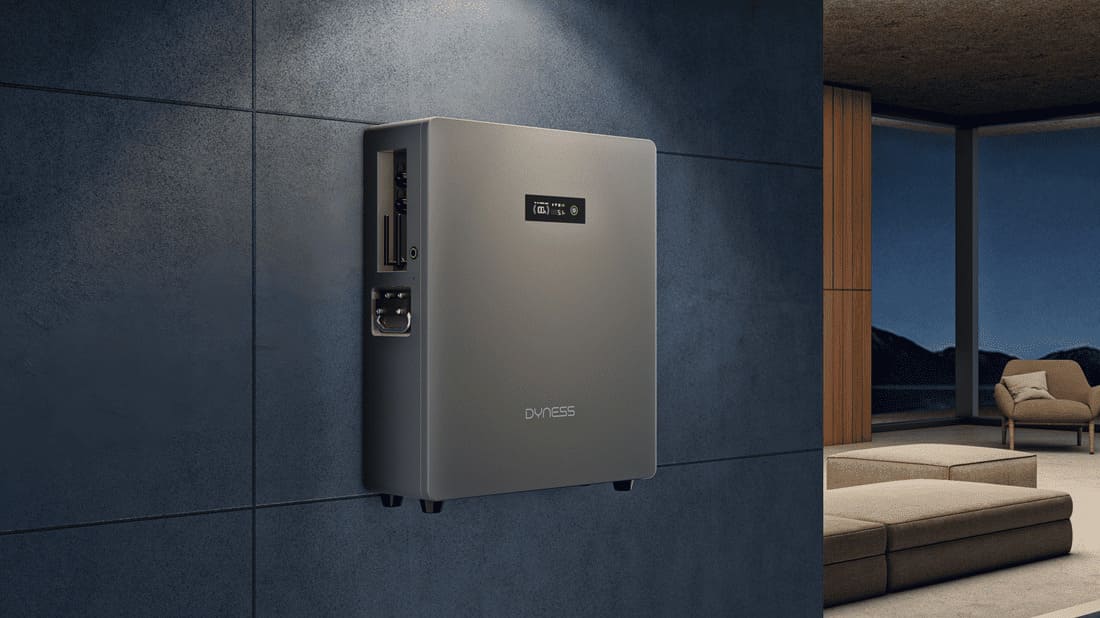
| Flexible placement based on product design | Suitable for products designed with integrated or modular structures that allow more flexible placement under approved conditions. | Always confirm product-specific installation requirements before deciding the final location. |
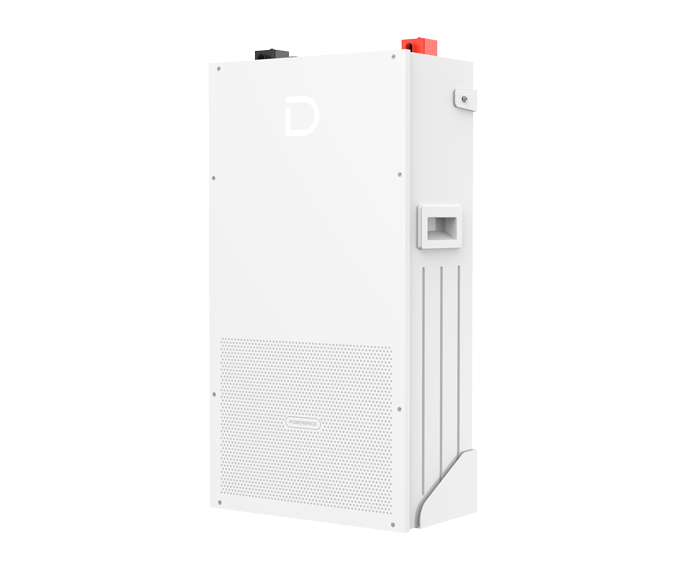
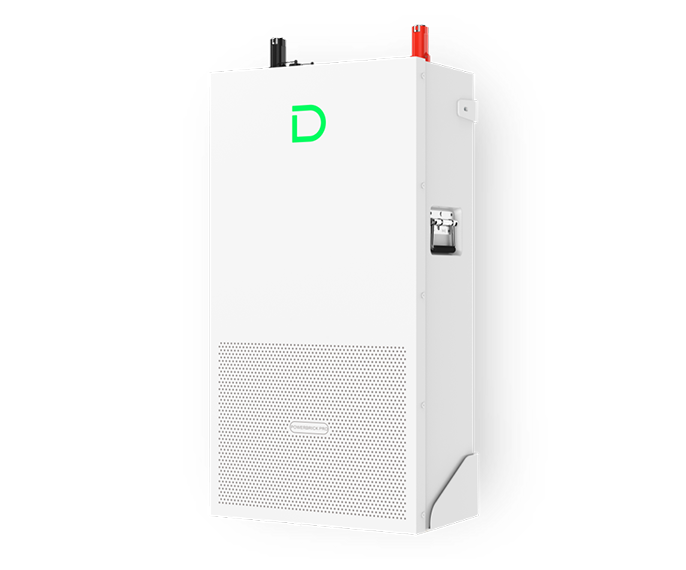
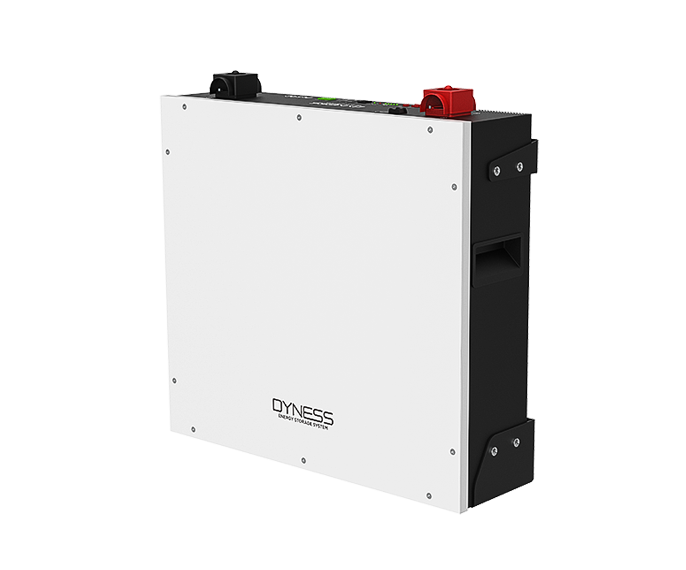
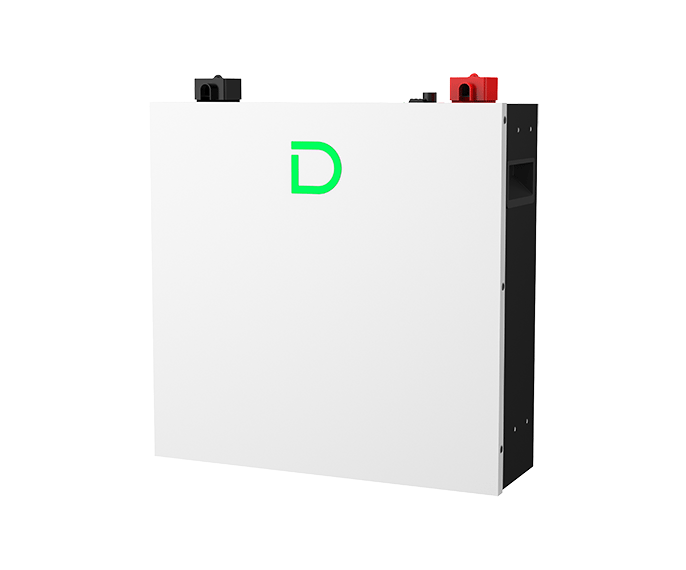
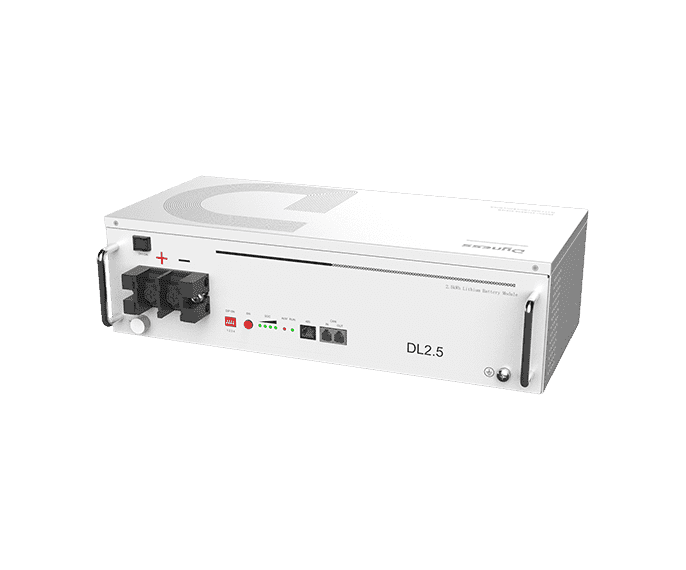
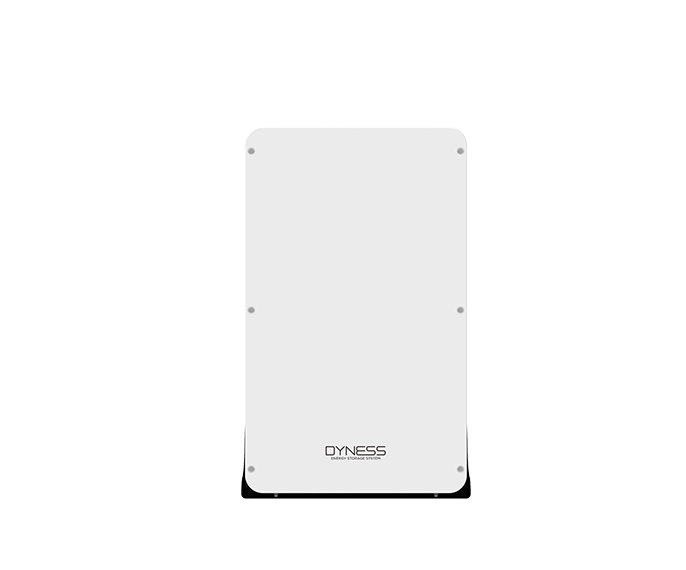
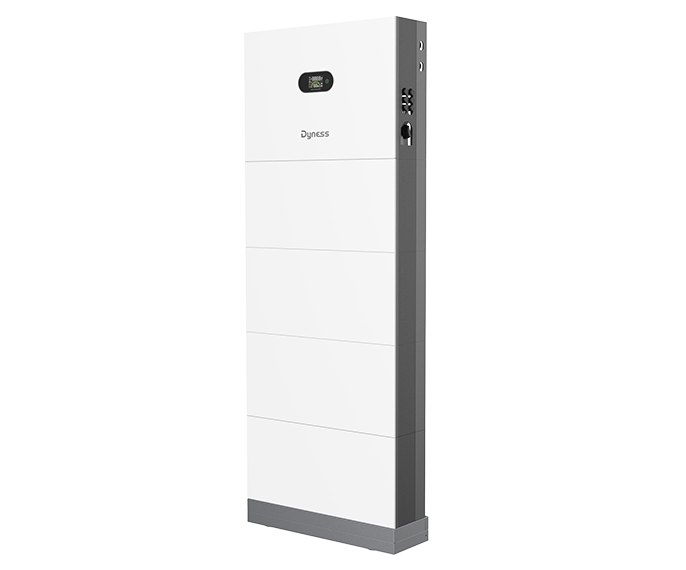
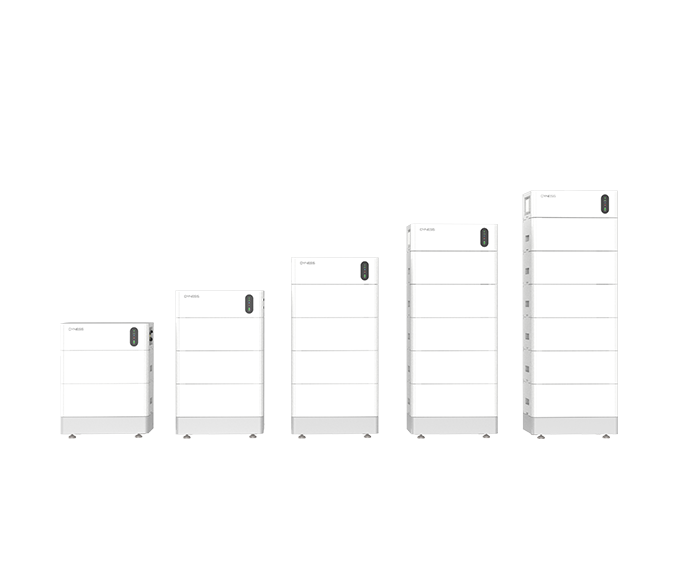
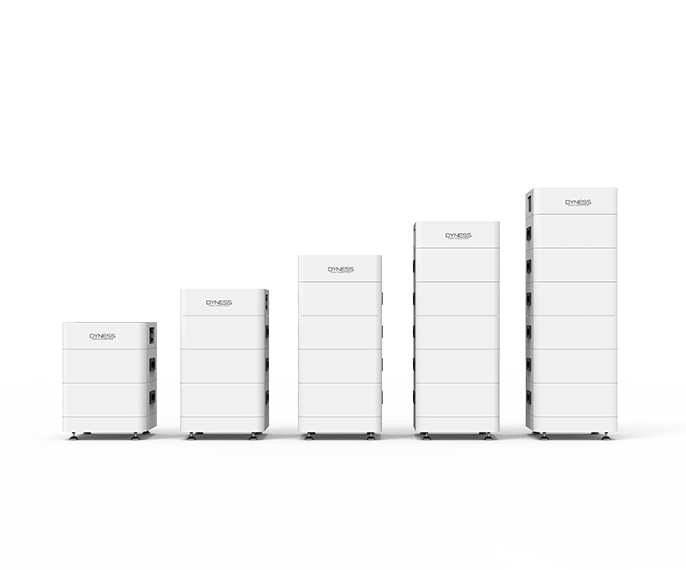
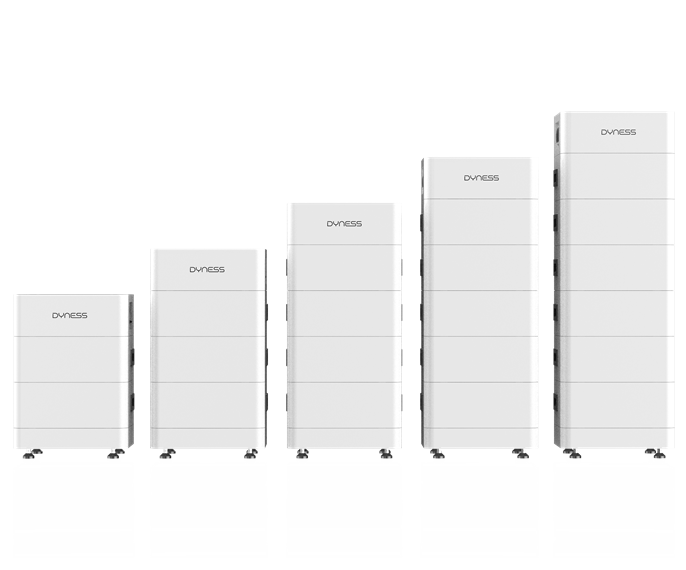
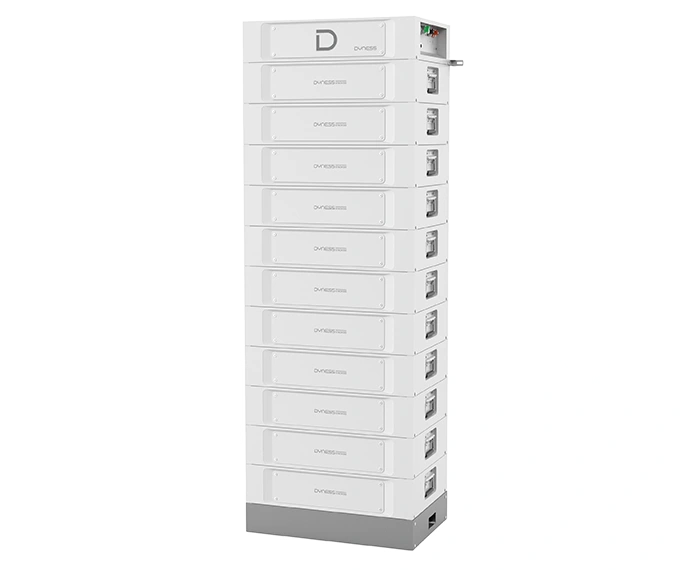
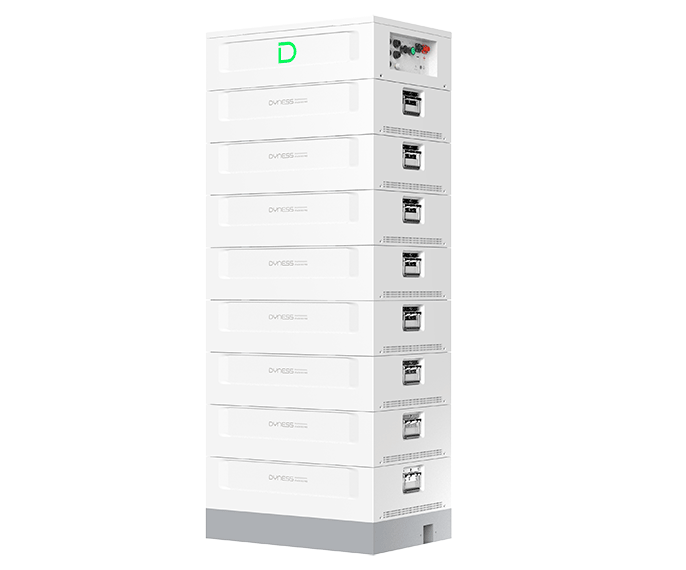
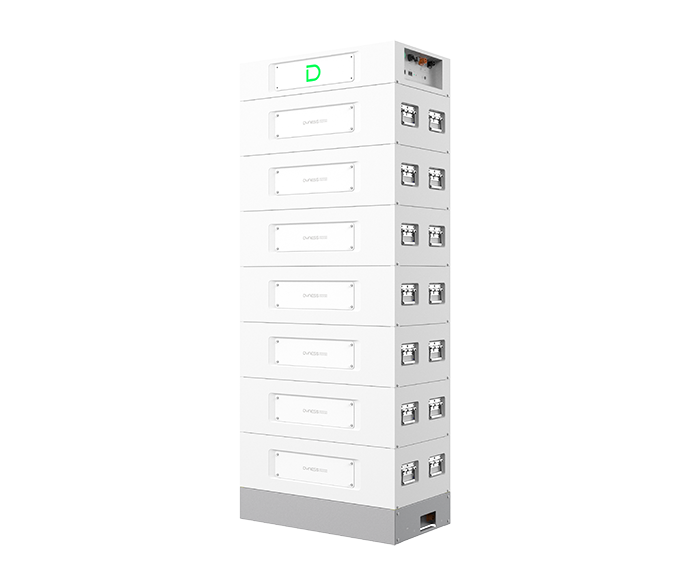
AquaVolt, as a plug-in all-in-one ESS, is designed for users who want a more integrated balcony storage experience. SolarCube 2, as a plug-in stackable ESS, supports modular configuration according to available space and capacity needs. For both product directions, installation should still follow the official product manual and local safety requirements.

Key Factors to Check Before Installation
Before choosing the final installation position, users should check whether the location supports safe, stable, and convenient long-term operation.
| Check Item | Why It Matters |
|---|---|
| Product installation requirements | Different products may have different requirements for placement, clearance, orientation, environmental conditions, and connection method. |
| Ventilation and heat dissipation | Good airflow helps the system operate within a suitable temperature range and supports long-term stability. |
| Protection from direct sunlight and moisture | Prolonged sunlight, rainwater, standing water, or high humidity may affect equipment performance if the environment exceeds product specifications. |
| Connection convenience | The location should allow practical connection to the balcony PV system and household electrical equipment according to the approved installation method. |
| Maintenance space | Enough clearance should be reserved for operation, inspection, heat dissipation, and future maintenance. |
Locations exposed to standing water, long-term high humidity, continuous direct sunlight, poor ventilation, or insufficient maintenance space should be avoided unless the product manual clearly confirms that such conditions are supported.
Common Misunderstandings About Balcony ESS Installation
Myth 1: A plug-in balcony ESS can only be installed on the balcony.
Not necessarily. Different products support different installation locations. Some products may also be installed indoors or in other suitable spaces, as long as the product’s installation requirements are fully met.
Myth 2: Indoor installation is always safer than balcony installation.
Indoor installation is not automatically safer. Whether the system is installed indoors or on the balcony, the environment must meet requirements for ventilation, heat dissipation, moisture protection, clearance, and safe connection.
Myth 3: Installation location does not affect system performance.
The installation environment can affect long-term performance. Poor ventilation, excessive temperature, high humidity, or continuous environmental stress may reduce stability or accelerate equipment aging.
Myth 4: The equipment can simply be placed directly against a wall.
Most energy storage equipment needs enough space for airflow, heat dissipation, cable routing, and future maintenance. Users should not block ventilation areas or ignore clearance requirements in the product manual.
Final Takeaway
There is no single fixed installation location for a plug-in balcony energy storage system. Both balcony and indoor spaces may be suitable when the selected location meets the product’s installation requirements.
The best installation location should provide good ventilation, stable environmental conditions, convenient connection to the balcony PV system, and enough space for operation and maintenance.
For users considering AquaVolt, SolarCube 2, or another plug-in balcony ESS, the final installation decision should always start with the official product manual, local electrical requirements, and the actual household environment.
When the system is installed in a suitable location and used according to guidance, it can deliver safer, more stable, and more reliable long-term balcony solar storage performance.
FAQ
-
Q: Can a plug-in balcony ESS only be installed on a balcony?

A: Not necessarily. The installation location depends on product design and installation requirements. Some products can also be installed indoors or in other suitable spaces, provided that ventilation, clearance, environmental conditions, and connection requirements are met.
-
Q: Will indoor installation affect heat dissipation?
A: Indoor installation does not necessarily affect heat dissipation if the space meets the product’s ventilation and clearance requirements. Users should avoid enclosed spaces with poor airflow and always follow the product manual.
-
Q: Can the equipment be installed outdoors for long-term use?
A: Outdoor installation depends on product design and the specified operating environment. The equipment should not be exposed for long periods to conditions that exceed the product’s rated operating range, such as standing water, excessive humidity, or prolonged direct sunlight where not supported.
Learn More