























Can Dyness Energy Storage Be Installed Outdoors, in a Garage, or in a Basement?


Get notified about new updates, products, tips and tutorials. No spam.
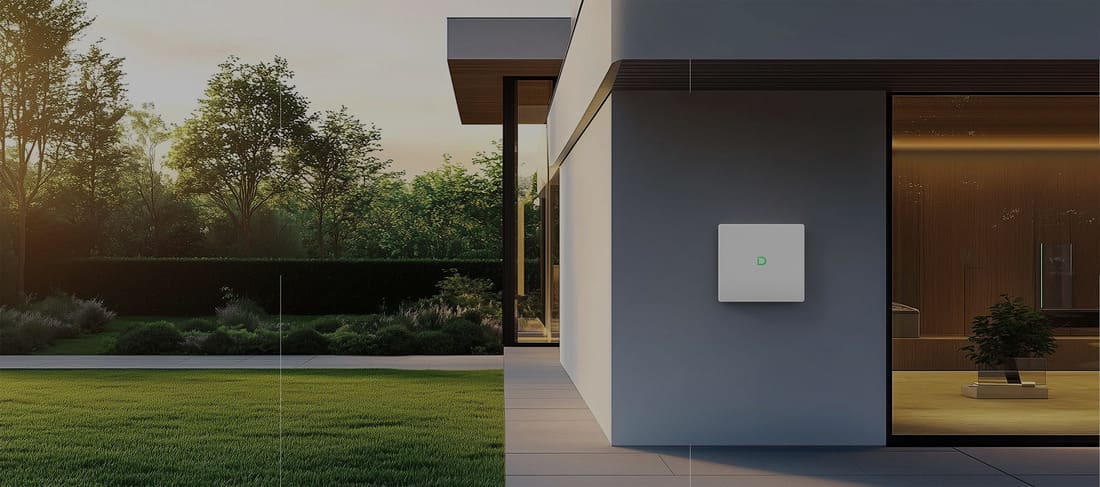
Dyness energy storage systems can be installed in different locations depending on the product model, protection rating, operating temperature range, ventilation conditions, installation space, and local electrical requirements.
Outdoor areas, garages, and basements may all be possible installation locations, but they are not automatically suitable for every battery system. The safest approach is to choose the installation location according to the official Dyness product manual, environmental requirements, inverter connection design, and professional installer assessment.

Why Installation Location Matters for Home Energy Storage
A home energy storage system is designed for long-term operation. It may charge and discharge every day, communicate with the inverter, support solar self-consumption, and provide backup power during outages.
This means the installation location directly affects safety, performance, battery lifespan, maintenance convenience, and system stability.
A suitable location should provide proper ventilation, stable temperature conditions, safe cable routing, enough installation space, and protection from environmental risks such as water, excessive heat, freezing exposure, dust, or direct sunlight.
For Dyness users, the key question is not simply whether the battery can be placed outdoors, in a garage, or in a basement. The more important question is whether that specific location meets the product’s installation requirements and local electrical safety rules.
Outdoor, Garage, or Basement: How to Choose the Right Location
Different installation locations have different advantages and risks. A garage may offer easier access and better protection than an exposed outdoor wall, while a basement may provide stable temperature but require careful moisture and ventilation checks.
| Installation Location | When It May Be Suitable | What to Check Carefully |
|---|---|---|
| Outdoor installation | May be suitable for models designed with appropriate outdoor protection and when installed according to product requirements. | IP rating, rain protection, direct sunlight, standing water, temperature range, wall or floor strength, cable protection, and local code requirements. |
| Garage installation | Often suitable when the space is dry, ventilated, protected from vehicle impact, and close to inverter or distribution equipment. | Ventilation, temperature changes, clearance, collision protection, moisture, cable routing, and access for inspection or maintenance. |
| Basement installation | May be suitable if the basement is dry, well ventilated, stable in temperature, and compliant with local installation rules. | Humidity, flooding risk, ventilation, emergency access, fire safety rules, wall or floor conditions, and communication signal quality. |
In many homes, garages and technical rooms are practical choices because they can provide easier cable routing and maintenance access. However, if the garage or basement is damp, poorly ventilated, too hot, too cold, or exposed to flooding, it may not be suitable without improvement.

Key Factors to Check Before Installing a Dyness Battery
Before deciding where to install a Dyness energy storage system, homeowners and installers should evaluate both the product requirements and the actual site conditions.
| Check Item | Why It Matters |
|---|---|
| Product protection rating | The IP rating and enclosure design determine whether the product can handle dust, water exposure, or outdoor conditions within specified limits. |
| Operating temperature range | Battery performance and charging behavior can be affected by extreme heat or low temperatures. Some models may include low-temperature support depending on configuration. |
| Ventilation and heat dissipation | Good airflow helps the battery and related equipment operate within a suitable temperature range and supports long-term reliability. |
| Moisture and flooding risk | Basements, outdoor walls, and semi-open garages should be checked for water accumulation, humidity, condensation, and drainage conditions. |
| Installation clearance | Enough space should be reserved for airflow, cable routing, operation, inspection, maintenance, and possible future expansion. |
| Inverter and electrical connection | The battery location should allow safe connection to the inverter, PV system, distribution board, monitoring device, and protection equipment. |
| Local installation rules | Electrical codes, fire safety rules, grid requirements, and insurance conditions may affect where home batteries can be installed. |
Final installation should always follow the specific Dyness product manual, local regulations, and professional installer guidance. Different Dyness products may have different installation methods, clearance requirements, temperature limits, and protection ratings.
Common Misunderstandings About Battery Installation Locations
Myth 1: Any Dyness battery can be installed outdoors without protection.
Not necessarily. Outdoor installation depends on the specific model, IP rating, temperature range, installation method, and environmental exposure. Even outdoor-capable equipment should avoid unsuitable conditions such as standing water, severe impact risk, or prolonged exposure beyond product specifications.
Myth 2: A garage is always the best place for a home battery.
A garage can be a practical installation location, but it must still meet requirements for ventilation, temperature, clearance, moisture protection, and collision protection. The battery should not be installed where it may be hit by vehicles or blocked by stored items.
Myth 3: A basement is always safe because the temperature is stable.
Basements can provide stable temperature conditions, but humidity and flooding risk must be checked carefully. A damp or poorly ventilated basement may affect long-term operation and should be avoided unless the site can be improved to meet installation requirements.
Myth 4: Installation location does not affect battery life.
Battery lifespan is affected by temperature, ventilation, moisture, dust, and daily operating conditions. A battery installed in a harsh environment may experience more stress than one installed in a dry, ventilated, and stable location.
Myth 5: The battery can be placed anywhere as long as it fits physically.
Physical space is only one requirement. The location must also support safe wiring, heat dissipation, maintenance access, system monitoring, and local compliance.
Final Takeaway
Dyness energy storage systems may be installed outdoors, in garages, basements, technical rooms, or other suitable locations, but the answer depends on the specific product model and installation environment.
A suitable location should be dry, ventilated, accessible, protected from extreme environmental conditions, and compliant with the product’s installation requirements.
For outdoor or semi-outdoor installation, users should pay special attention to IP rating, direct sunlight, rain exposure, standing water, freezing conditions, and cable protection. For garages and basements, ventilation, humidity, clearance, collision protection, and maintenance access are especially important.
The safest approach is to confirm the selected Dyness model, read the official installation manual, evaluate the site environment, and complete installation through a qualified professional. A well-chosen installation location helps the system deliver safer, more stable, and longer-lasting performance.
FAQ
-
Q: Can Dyness energy storage systems be installed outdoors?
 A: Some Dyness products may support outdoor or semi-outdoor installation depending on their protection rating, operating temperature range, enclosure design, and installation requirements. Users should always confirm the specific product manual before outdoor installation.
 -
Q: How do low-voltage Dyness batteries expand capacity?
A: Low-voltage Dyness battery systems typically expand by connecting additional approved battery units in parallel. This increases total usable capacity while keeping the system within the low-voltage platform.
-
Q: How do high-voltage Dyness batteries expand capacity?
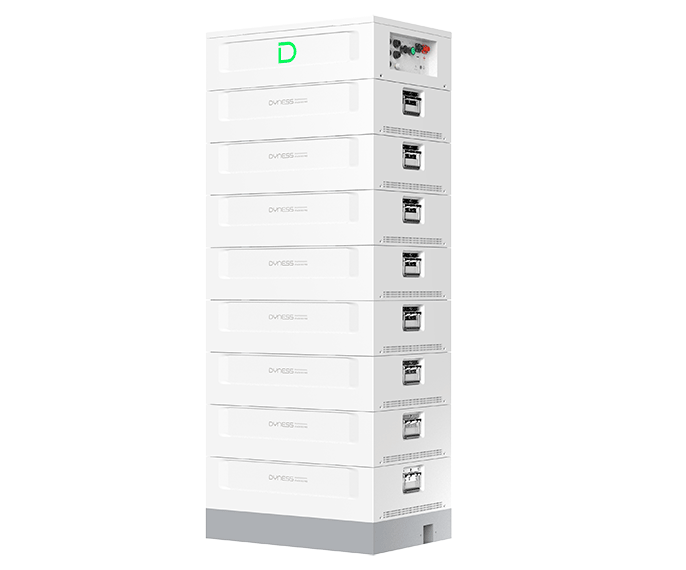
A: High-voltage Dyness systems usually expand through modular stacking or approved cluster configurations. The number of modules or clusters must follow official Dyness configuration rules and inverter compatibility requirements.
Learn More