



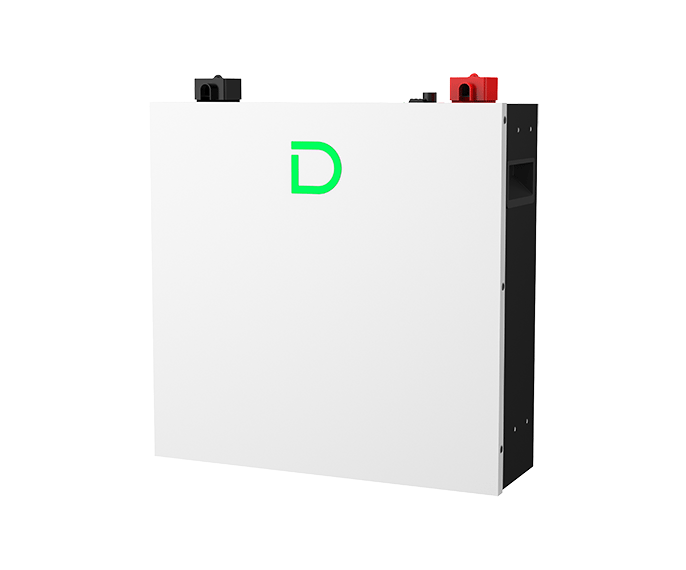


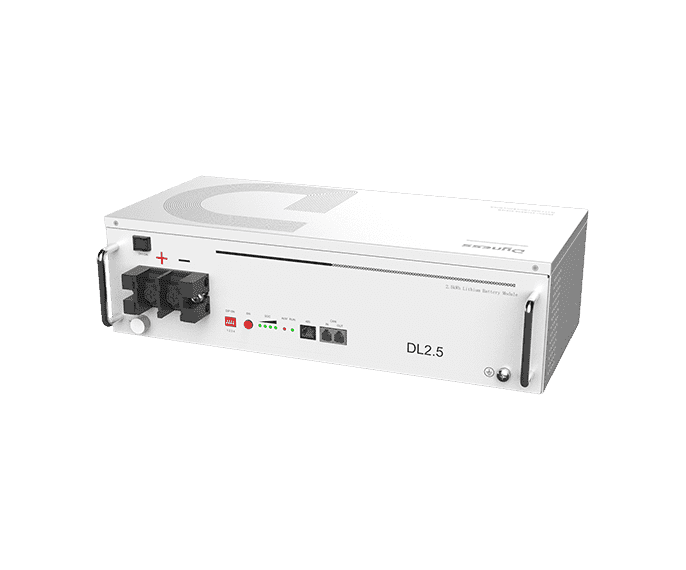

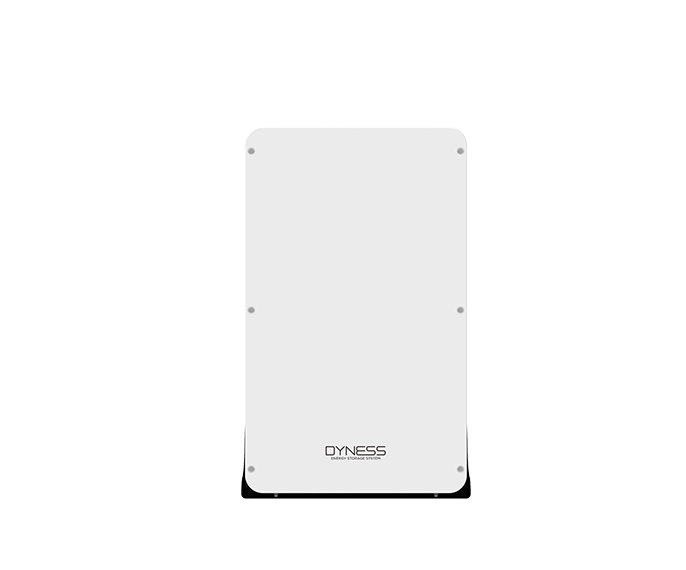


















Dyness Residential Energy Storage Installation: What You Need to Know?


Get notified about new updates, products, tips and tutorials. No spam.
Installing a Dyness residential energy storage system requires more than choosing a battery with the right capacity. Before installation, homeowners and installers should check battery-inverter compatibility, installation environment, electrical conditions, PV generation, household loads, communication settings, and local safety and grid requirements.
A residential battery should be designed as part of the complete solar-plus-storage system rather than as an independent device. The final configuration should always be confirmed according to the latest Dyness documentation, approved inverter compatibility information, local regulations, and qualified installer assessment.

Why Installation Planning Matters Before Adding Home Energy Storage
Home energy needs are changing. Many households now use more electricity because of EV chargers, heat pumps, air conditioning, home offices, and other high-power appliances.
At the same time, homeowners with solar PV systems may want to store surplus daytime generation for evening use, improve solar self-consumption, or maintain backup power for essential loads during outages.
These requirements directly affect battery capacity, inverter selection, backup design, system configuration, and future expansion planning.
Before purchasing a Dyness home energy storage system, users should understand how much electricity the home uses, when the electricity is used, how much energy the PV system generates, and whether backup power is required.
A well-planned installation helps avoid common problems such as insufficient capacity, incompatible equipment, poor installation environment, communication errors, or limited future expansion options.
How a Residential Solar-Plus-Storage System Works
A residential solar-plus-storage system is not only a battery connected to a solar system. It is an integrated energy solution involving PV generation, battery storage, inverter communication, monitoring, protection devices, and sometimes backup circuits.
| System Component | Main Function |
|---|---|
| Solar PV | Generates electricity during the day for household loads or battery charging. |
| Battery | Stores energy for later use, such as evening consumption, peak-price periods, or backup applications. |
| BMS | Monitors battery voltage, temperature, SOC, protection status, and communication behavior. |
| Inverter | Manages energy conversion between PV, battery, home loads, and the grid. |
| EMS or monitoring platform | Supports energy flow management, operating strategy, system data review, and monitoring where applicable. |
| Backup circuit | Supplies selected loads during an outage when backup functionality is supported by the system design. |
This means successful residential battery storage installation depends on the compatibility, communication, and correct configuration of the complete system.
Five Key Requirements Before Installing a Dyness Battery
Before installing a Dyness residential energy storage system, users and installers should complete several important checks.
| Installation Requirement | What to Confirm |
|---|---|
| Battery and inverter compatibility | Confirm the exact inverter model, battery voltage platform, BMS communication protocol, firmware requirements, and approved system configuration. Voltage matching alone does not guarantee compatibility. |
| Installation environment | Check indoor or outdoor suitability, ambient temperature, humidity, rain exposure, direct sunlight, ventilation, clearance, load-bearing capacity, cable routing, and maintenance access. |
| Electrical conditions | Assess AC and DC wiring, cable specifications, circuit protection, isolation devices, grounding, distribution equipment, backup circuits, and household electrical capacity. |
| PV and household loads | Match battery capacity with PV size, daily electricity consumption, peak demand, evening usage, EV charging, heat pumps, and backup load requirements. |
| Communication and commissioning | Complete power and communication connections, inverter battery settings, firmware checks, battery SOC review, charging and discharging tests, monitoring setup, and backup function tests where applicable. |
A battery powering on does not necessarily mean the complete system has been correctly commissioned. Proper communication, parameter settings, protection logic, and monitoring should be verified before regular operation.
Which Homes Are a Good Fit for Dyness Residential Storage?
Dyness residential energy storage can be considered for different household scenarios, especially where solar PV, backup power, or energy cost optimization is important.
| Suitable Scenarios | What to Evaluate |
|---|---|
| Homes with existing or planned solar PV | PV capacity, surplus generation, inverter type, and solar self-consumption goals. |
| Households with high evening electricity consumption | Evening load profile, usable battery capacity, and discharge strategy. |
| Homes with EV charging or heat pumps | Peak power demand, inverter output, battery capacity, and future expansion plan. |
| Homeowners requiring backup power | Essential loads, backup duration, backup circuit design, inverter backup function, and local electrical rules. |
| Users seeking greater energy control | Monitoring platform, time-of-use tariffs, energy management strategy, and battery operating mode. |
Homes with limited installation space, very low electricity demand, poor ventilation, high moisture risk, or complex electrical conditions may require additional assessment before installation.
Where Does Dyness STACK100 Fit?
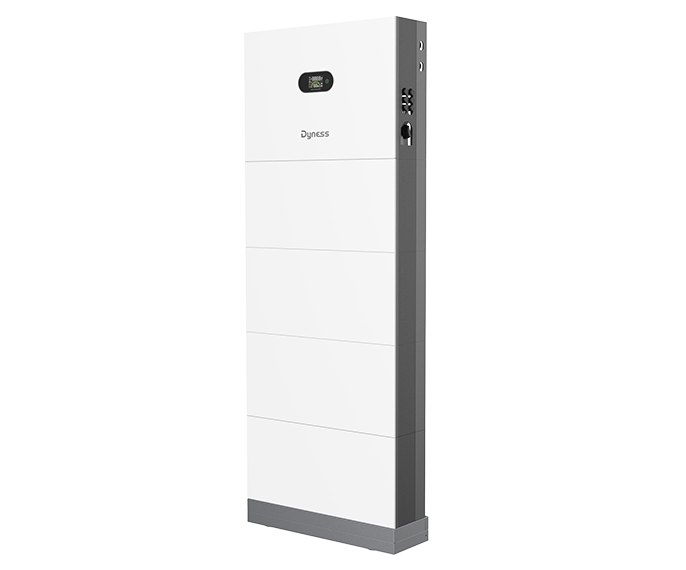
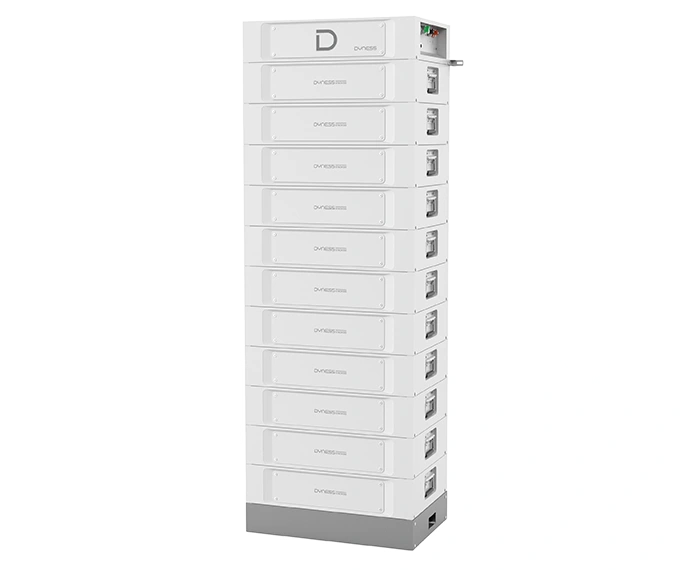
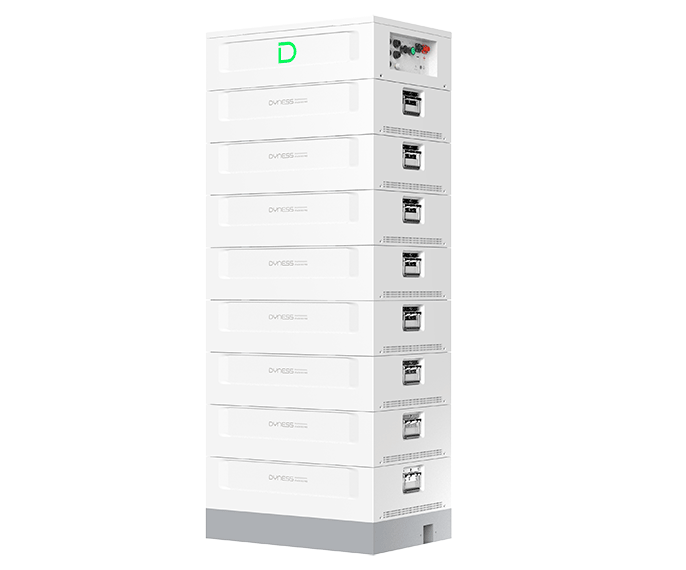
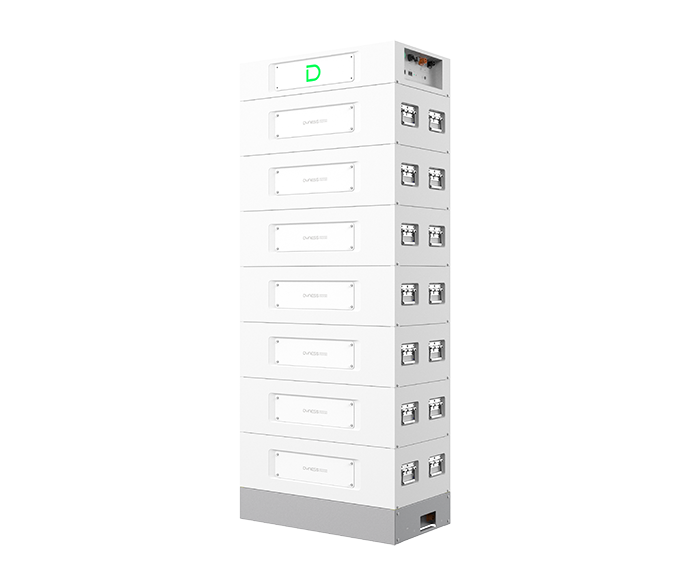
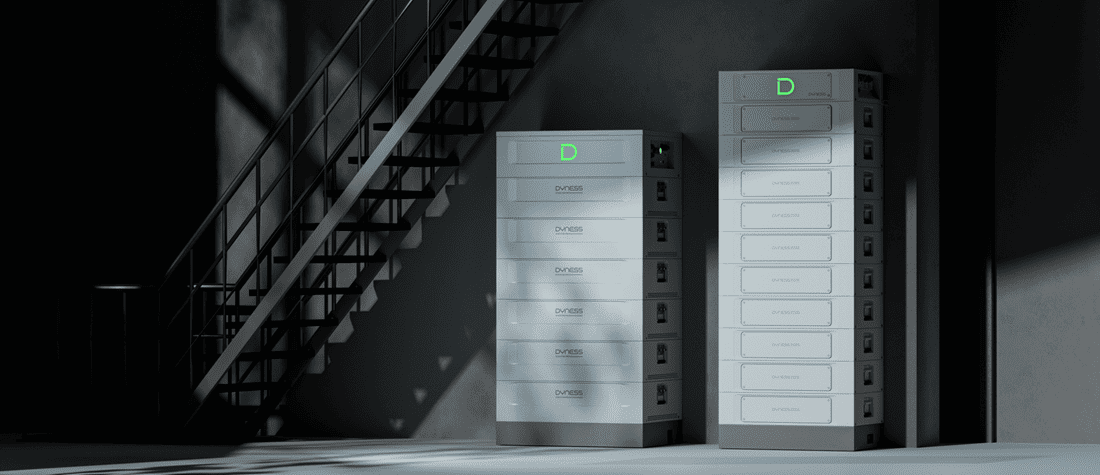
For larger residential and small C&I applications, Dyness STACK100 provides a modular and stackable energy storage architecture.
Its cable-free connection between modules can help simplify the installation workflow, while its flexible configuration allows the system to be designed according to different energy requirements.
STACK100 may be suitable for users who need higher capacity, stronger system flexibility, or future expansion planning compared with smaller residential battery systems.
| STACK100 Feature Direction | Installation Value |
|---|---|
| Modular stackable design | Supports flexible system configuration based on project capacity needs and installation space. |
| Cable-free module connection | Can simplify module assembly and reduce certain on-site wiring steps. |
| High power application potential | May support higher-load residential or small C&I scenarios when matched with the correct inverter and system configuration. |
| Optional low-temperature support | Applicable configurations may support operation in wider temperature conditions, subject to the latest product documentation. |
The final capacity, parallel configuration, operating conditions, and inverter combination must always be confirmed according to the latest Dyness datasheet and approved system configuration.

Common Installation Mistakes to Avoid
Misconception 1: The battery can be selected before checking the inverter.
Reality: The battery and inverter should be evaluated as one system. Compatibility should be confirmed before purchasing equipment.
Misconception 2: Voltage matching means full compatibility.
Reality: BMS communication, firmware, inverter settings, charge and discharge limits, and approved configuration also matter. Two products with compatible voltage ranges may not necessarily work together.
Misconception 3: Installation environment is not important.
Reality: Temperature, moisture, ventilation, sunlight, clearance, and maintenance access can all affect system suitability and long-term performance.
Misconception 4: Residential battery installation is a simple DIY project.
Reality: Residential energy storage involves electrical connections, battery management, inverter communication, protection devices, and local safety requirements. Installation and commissioning should be completed by qualified professionals where required.
Misconception 5: Backup power is included automatically.
Reality: Backup operation depends on inverter capability, backup circuit design, load selection, switching method, and local electrical rules.
Final Takeaway
A successful Dyness residential energy storage installation starts with system planning. The battery should be selected as part of a complete solar-plus-storage architecture, not as an isolated device.
Before installation, homeowners and installers should confirm battery-inverter compatibility, evaluate the site, check electrical conditions, match storage capacity with PV and household loads, and complete communication and commissioning correctly.
For users considering larger residential or small C&I applications, modular platforms such as STACK100 can provide flexible configuration options when matched with the right inverter and installation design.
For installation, grid connection, safety, warranty, and product specifications, always follow the latest Dyness official documentation, approved compatibility information, local regulations, and qualified installer assessment.
FAQ
-
Q: What do I need to install a Dyness home battery?

A: You need a compatible inverter, suitable installation space, appropriate electrical infrastructure, correct communication connections, protection devices, and compliance with local electrical and grid requirements.
-
Q: Can I add a Dyness battery to my existing solar system?
A: It may be possible, but compatibility depends on the existing inverter, system architecture, battery configuration, metering, wiring, and local requirements. A professional assessment is recommended before purchase.
-
Q: How do I check Dyness inverter compatibility?
A: Check the latest official Dyness compatibility information for the exact battery and inverter models, including voltage platform, communication protocol, firmware requirements, and approved configuration.
Learn More