
























How Is the Safety of Dyness Energy Storage Systems Designed and Ensured?


Get notified about new updates, products, tips and tutorials. No spam.
When choosing an energy storage system, safety is not just a product feature. It is one of the most important decision-making factors for homeowners, installers, commercial users, and solar system owners.
Dyness addresses energy storage safety through a multi-layer design approach that combines LiFePO4 battery chemistry, intelligent BMS protection, system-level electrical safeguards, thermal management, and international compliance standards. The goal is to help each system operate safely, reliably, and consistently under real-world conditions.

Why Energy Storage Safety Matters
An energy storage system is expected to work for many years, often charging and discharging every day. For homeowners, it may support solar self-consumption and backup power. For commercial and industrial users, it may support peak shaving, load shifting, and business continuity.
This means safety cannot be treated as an optional feature. A reliable system must manage electrical behavior, battery temperature, communication, current flow, fault protection, and installation conditions throughout the entire lifecycle.
Users should pay special attention to energy storage safety when installing home battery backup systems, planning solar-plus-storage integration, managing C&I energy storage projects, or operating systems in high-temperature, high-load, remote, or critical-power environments.
Dyness approaches these requirements through a layered safety architecture. Instead of relying on one single protection method, the system combines battery chemistry, BMS monitoring, electrical protection, structural design, thermal management, and compliance testing.
The Core of Dyness Safety Design: A Layered Architecture
Dyness energy storage safety is built across multiple layers. Each layer helps reduce risk from a different angle, from the battery cell level to system operation and project compliance.
| Safety Layer | Dyness Safety Design | Why It Matters |
|---|---|---|
| Battery cell safety | Many Dyness platforms use LiFePO4 battery chemistry, which is widely used in stationary energy storage because of its thermal stability and long cycle life. | Provides a stable foundation for residential, C&I, solar-plus-storage, and off-grid applications. |
| Smart BMS protection | The BMS monitors voltage, current, temperature, SOC, cell balance, alarms, and protection status in real time. | Helps prevent overcharge, over-discharge, overcurrent, short circuit risk, and abnormal battery behavior. |
| System-level protection | Selected Dyness systems may include circuit protection, fuse protection, modular architecture, enclosure protection, and coordinated inverter communication. | Helps isolate faults, improve installation safety, and support stable operation across different project scales. |
| Thermal and fire safety | Dyness applies heat dissipation design, temperature monitoring, and additional detection or fire-suppression options in selected larger systems. | Important for indoor installations, high-density C&I systems, and long-cycle daily operation. |
| Certification and compliance | Dyness products are designed and tested according to relevant international standards, depending on model and market requirements. | Supports project acceptance, installation confidence, transport safety, and regional compliance requirements. |
Because safety requirements vary by product and region, users and installers should always confirm the latest datasheets, installation manuals, certification documents, and local electrical requirements before final system design.

What to Check Before Buying or Installing
A safe energy storage project starts before installation. Users should verify whether the selected product, inverter, site condition, and electrical design are suitable for the intended application.
| Check Area | What to Confirm |
|---|---|
| Installation environment | Indoor or outdoor location, ambient temperature, ventilation, moisture exposure, sunlight exposure, maintenance space, and cable routing. |
| Electrical compatibility | Inverter compatibility, AC or DC coupling design, communication protocol, grid requirements, and backup circuit configuration. |
| Load profile | Continuous load, peak load, startup current, critical load priority, and whether the system will support daily cycling or emergency backup. |
| Expansion plan | Whether capacity may need to increase later, whether the system supports modular expansion, and whether future expansion is approved by product configuration rules. |
| Compliance requirements | Local electrical codes, grid-connection rules, permitting, installer qualification, product certification, and insurance-related requirements. |
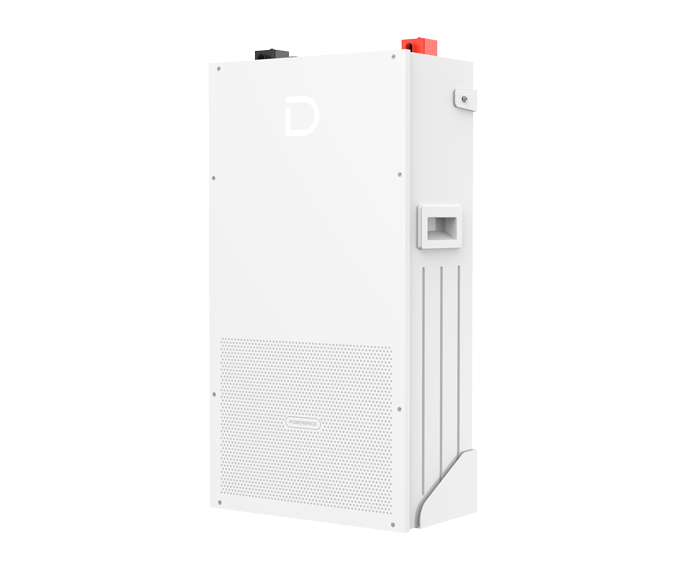
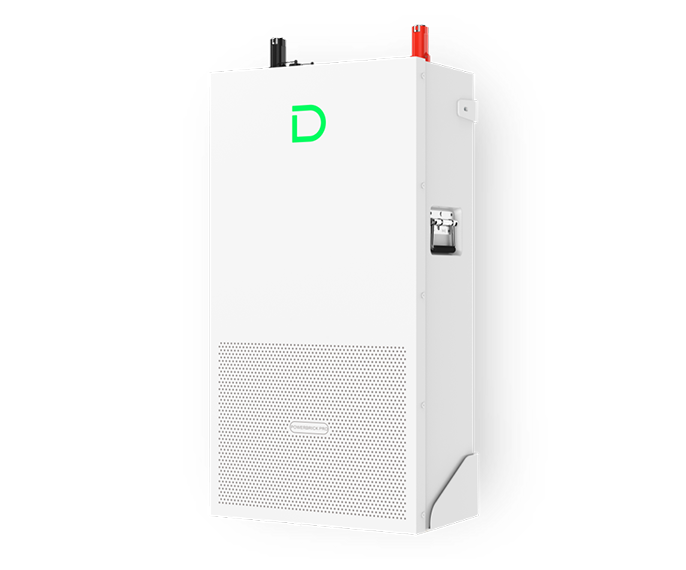
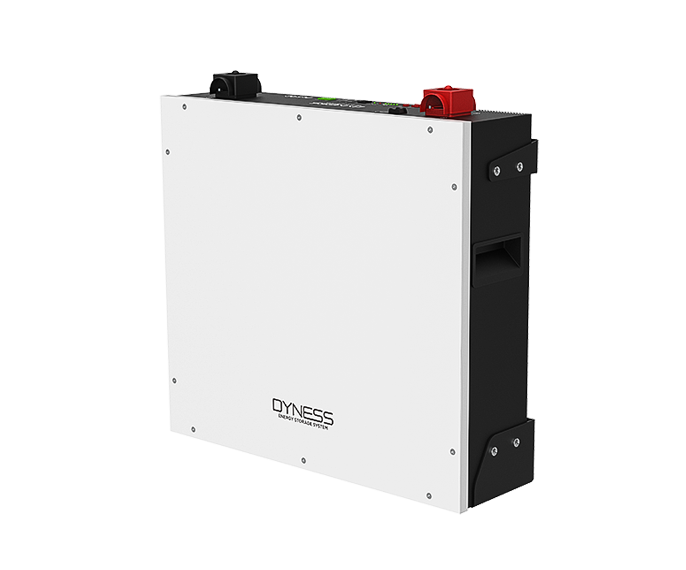
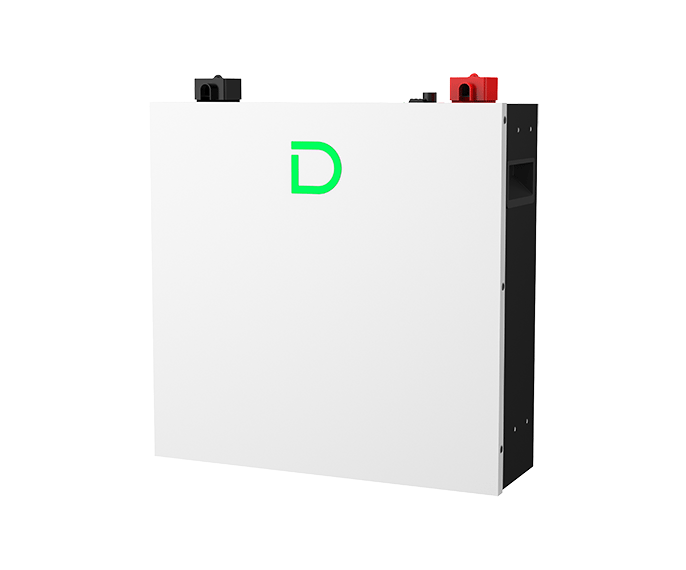
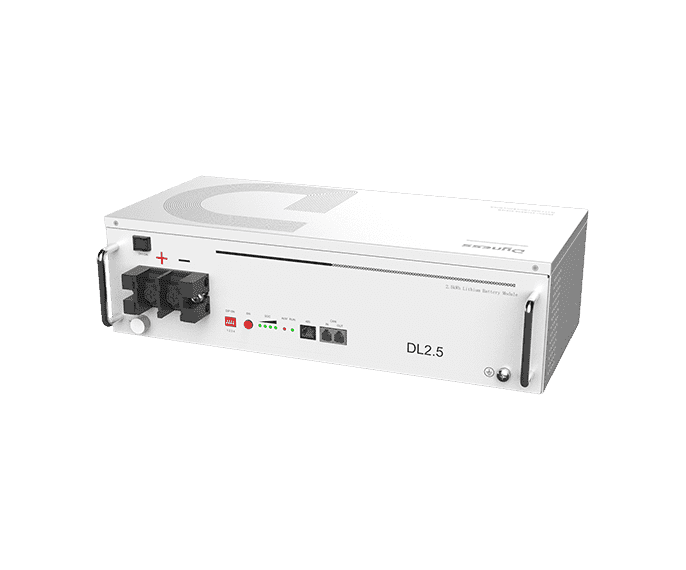
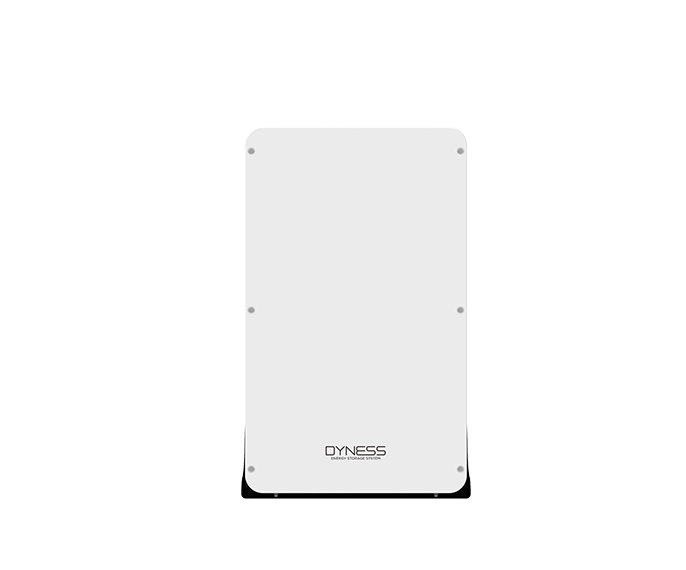
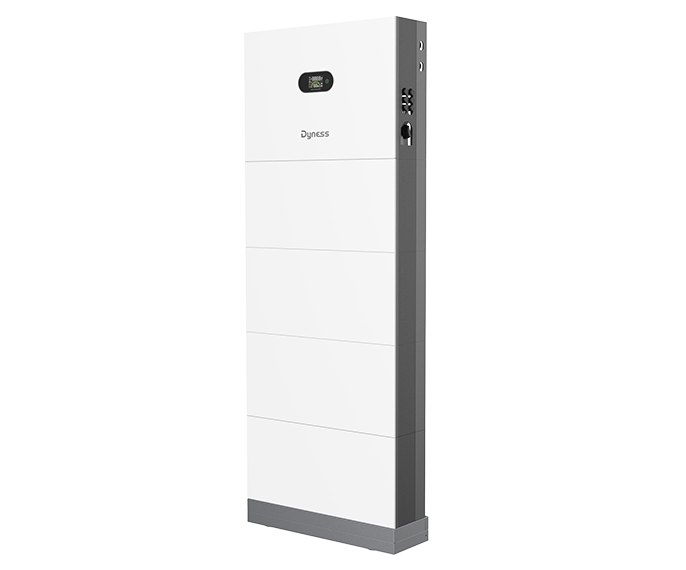
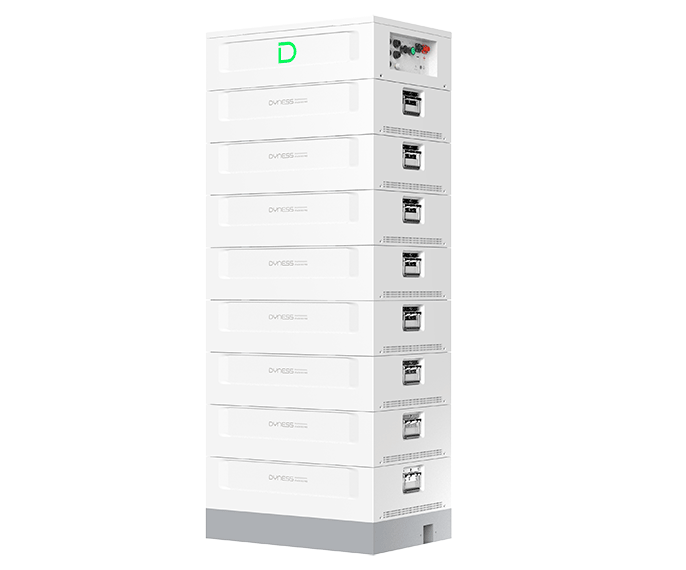
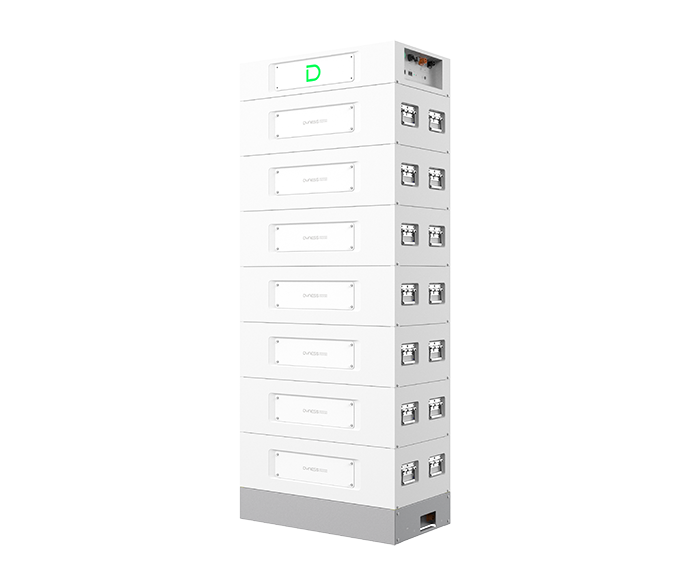
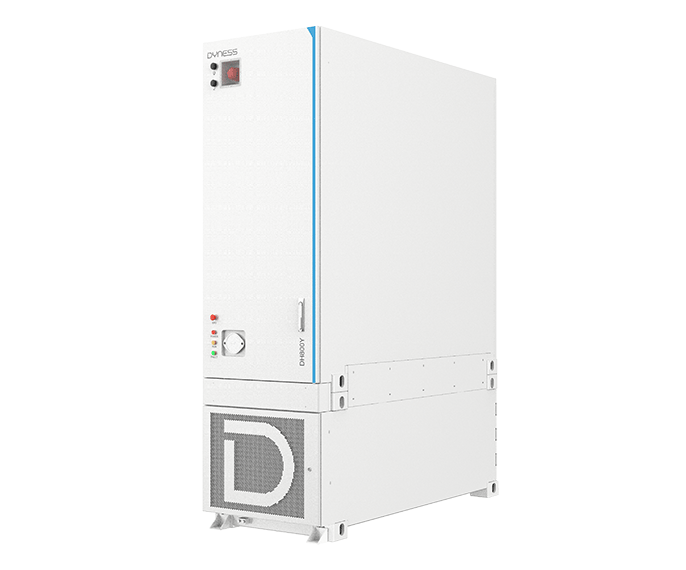
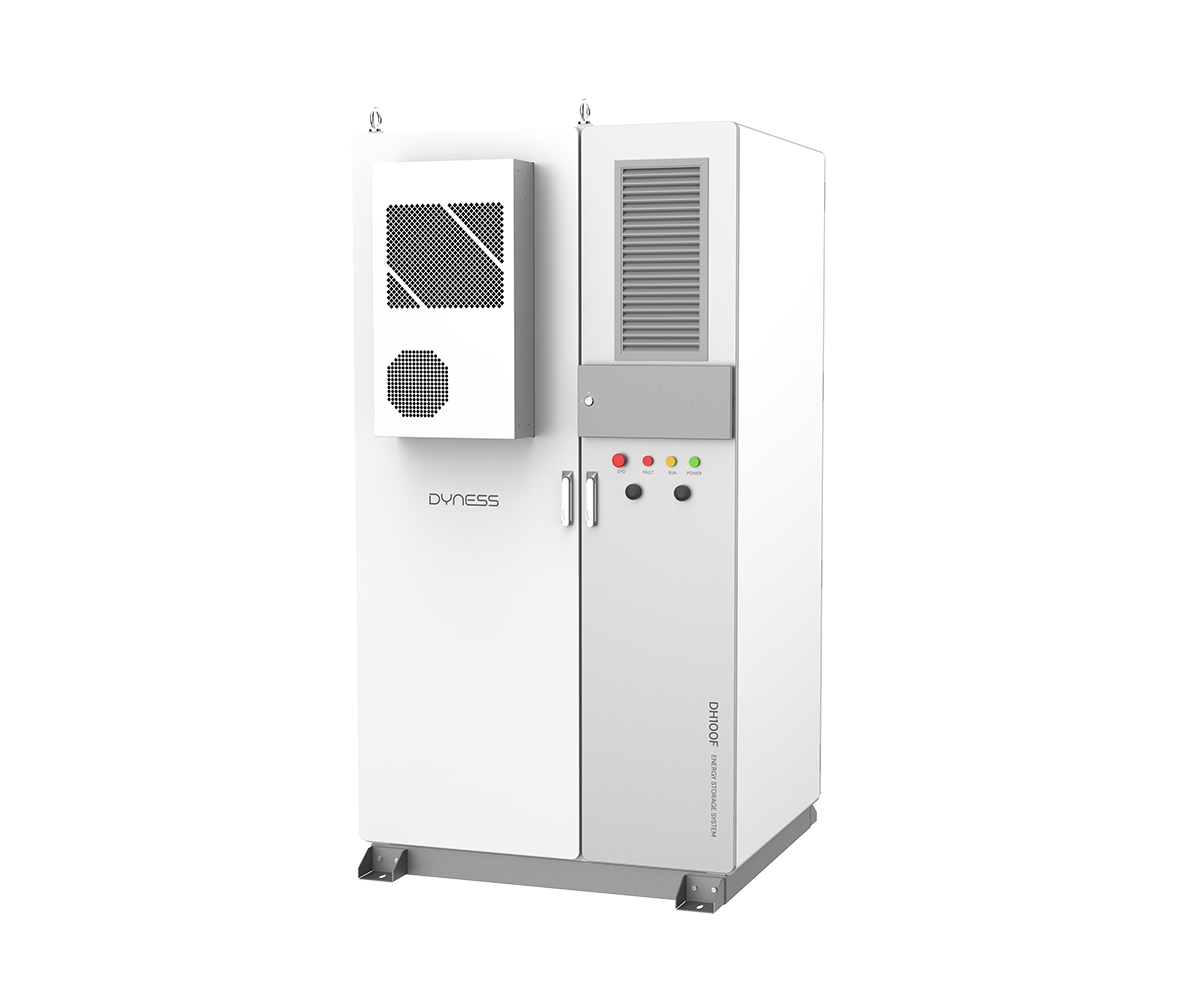
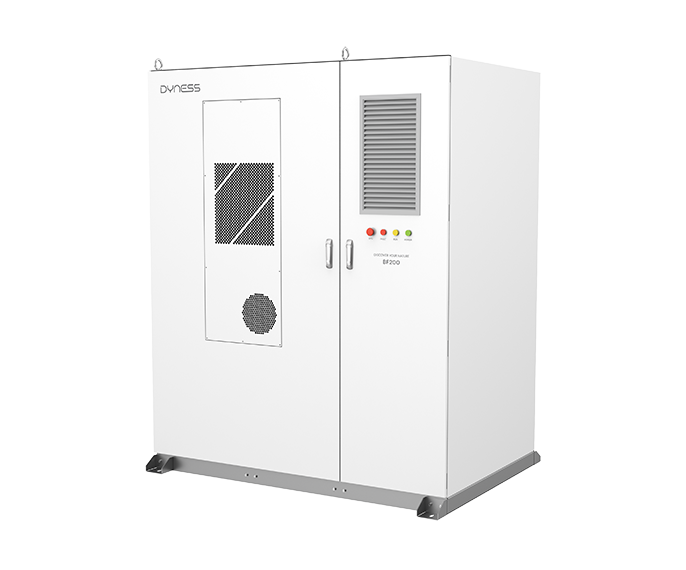
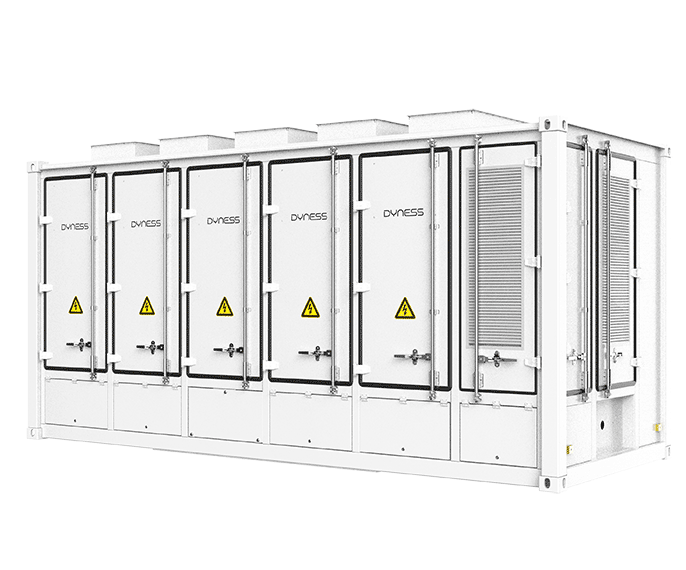
For example, residential products such as DL5.0F, Powerbox G2, or PowerBrick may be considered for home backup and solar self-consumption projects, depending on local availability and inverter compatibility. STACK100 Pro and Tower Pro may suit users who need higher capacity or scalable high-voltage systems. Larger C&I products such as DH200F-C260, DH800Y, or BF100-C140 should be evaluated through professional project design.
Common Safety Mistakes to Avoid
Myth 1: Ventilation is only a minor installation detail.
Poor ventilation can increase operating temperature and may affect long-term performance. Energy storage equipment should be installed in a location that meets the product’s ventilation and heat dissipation requirements.
Myth 2: Different battery modules can be mixed freely.
Mixing incompatible batteries may affect communication, current sharing, protection logic, and long-term safety. Battery expansion should follow approved Dyness configuration rules and installer guidance.
Myth 3: Bigger capacity is always safer.
Oversizing or undersizing can both create problems. An oversized system may remain underused, while an undersized system may be frequently pushed to its operating limits. Proper sizing should match real load demand, PV generation, backup expectations, and inverter capability.
Myth 4: Professional installation is unnecessary if the battery looks easy to connect.
Incorrect wiring, poor grounding, wrong communication settings, and unapproved inverter matching can create safety risks. Professional installation is especially important for high-voltage systems, multi-unit parallel systems, backup circuits, and C&I projects.
Which Dyness Solution Fits Which Safety Scenario?
Different projects require different safety priorities. A compact residential backup system, a scalable home battery platform, and a C&I energy storage project should not be evaluated in the same way.
| Project Scenario | Relevant Dyness Direction | Safety Focus |
|---|---|---|
| Residential backup power | DL5.0F, Powerbox G2, or other suitable residential platforms. | Stable backup operation, inverter compatibility, BMS protection, and safe household installation. |
| Flexible modular residential systems | PowerBrick, STACK100 Pro, Tower Pro, depending on capacity, voltage platform, and project design. | Expansion safety, communication consistency, electrical matching, and future load growth. |
| Commercial and industrial energy storage | DH200F-C260, DH800Y, BF100-C140, or other C&I platforms based on project requirements. | Peak shaving, load shifting, thermal management, fire safety, project compliance, and continuous cycling reliability. |
| Critical-load applications | Professionally designed residential, C&I, or hybrid storage systems. | Backup duration, redundancy, system monitoring, safe switching, and professional engineering assessment. |
For C&I applications, professional assessment is especially important. A factory, clinic, warehouse, data room, or remote facility may require different safety design from a standard home backup system.
Final Takeaway
The safety of Dyness energy storage systems is designed through multiple layers, including LiFePO4 battery chemistry, smart BMS protection, system-level electrical safeguards, thermal management, and compliance-oriented product engineering.
For homeowners, this means safer support for solar self-consumption and backup power. For installers, it means clearer system design, compatibility checking, and expansion planning. For C&I users, it means a stronger foundation for continuous operation, peak shaving, load shifting, and critical-load resilience.
The safest energy storage system is not simply the largest or most advanced one. It is the system that matches the project’s real load profile, installation environment, inverter compatibility, expansion needs, compliance requirements, and long-term operating conditions.
Before purchasing or installing any energy storage system, users should always confirm the latest Dyness product documentation, official compatibility guidance, local electrical rules, and professional installer recommendations.
FAQ
-
Q: What makes Dyness energy storage systems safe?

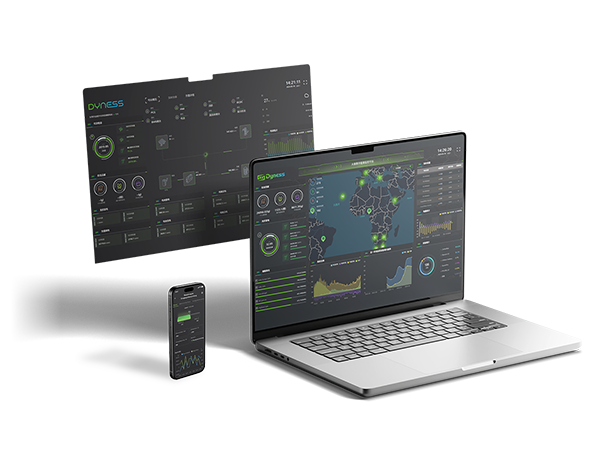
A: Dyness energy storage systems use a multi-layer safety approach that may include LiFePO4 battery chemistry, intelligent BMS monitoring, overcharge and over-discharge protection, overcurrent protection, system-level electrical safeguards, thermal management, and certification-based product design, depending on the specific model and application.
-
Q: Why is LiFePO4 battery chemistry important for safety?
A: LiFePO4 battery chemistry is widely used in stationary energy storage because of its thermal stability, long cycle life, and strong safety characteristics. It provides a stable foundation for residential, C&I, solar-plus-storage, and off-grid applications.
-
Q: What does the BMS do in a Dyness energy storage system?
A: The BMS monitors and manages key battery conditions such as voltage, current, temperature, SOC, cell balance, alarms, and protection status. It helps prevent unsafe operation such as overcharge, over-discharge, overcurrent, short circuit risk, and abnormal temperature conditions.
Learn More