






















Wall-Mounted 51.2V LiFePO4 Home Battery: Complete Guide


Get notified about new updates, products, tips and tutorials. No spam.
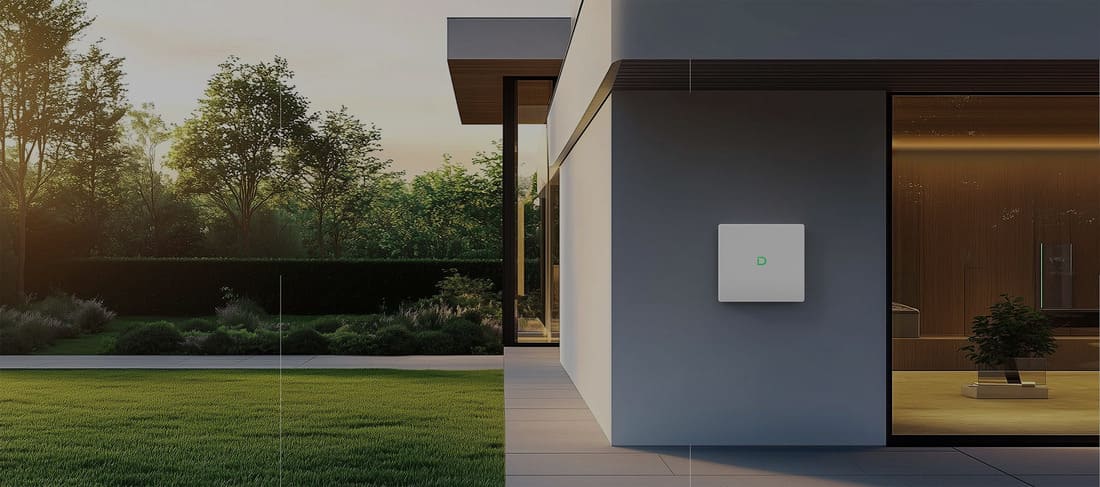
Modern residential architecture demands a more efficient approach to both space utilization and energy management. A wall-mounted 51.2V LiFePO4 home battery allows households to build reliable local energy storage without occupying valuable floor space.
For homeowners, installers, and system integrators, selecting the right wall-mounted battery requires evaluating voltage architecture, capacity, physical dimensions, scalability, inverter compatibility, cell chemistry, safety protection, and long-term maintenance requirements.

Why Wall-Mounted 51.2V Batteries Fit Modern Homes
Urban residential environments often have limited space for stationary energy storage. Traditional floor-standing battery systems may require dedicated utility areas or additional floor space, while wall-mounted configurations move the energy storage equipment onto vertical surfaces.
This space-saving approach makes wall-mounted batteries suitable for garages, utility rooms, corridors, and other residential installation areas where efficient use of space is important.
The 51.2V architecture also provides a practical low-voltage foundation for residential energy storage. It supports relatively straightforward installation and integration with compatible power conversion equipment while reducing the complexity associated with high-voltage containment requirements.
Capacity, Physical Design, and Wall-Mounted Installation
Installing battery equipment directly on a wall requires careful consideration of enclosure strength, wall load-bearing capacity, mounting hardware, installation clearance, and long-term structural stability.
A well-designed wall-mounted enclosure should also help protect internal electronics from dust, moisture, and other environmental factors that may affect long-term operation.
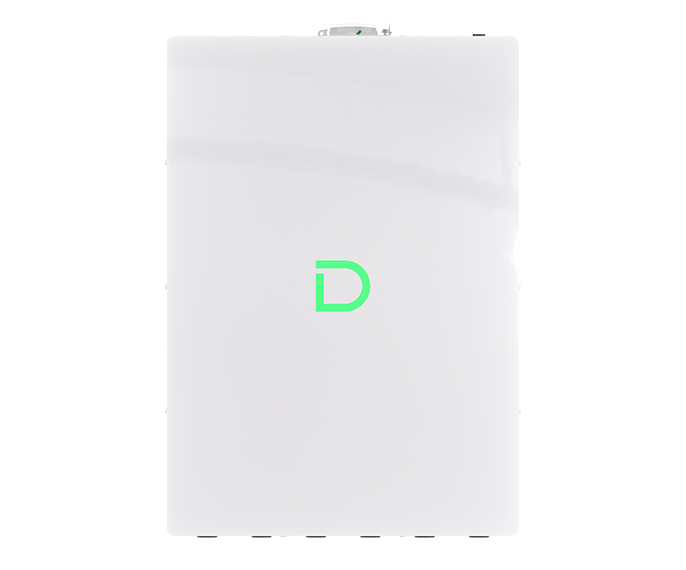
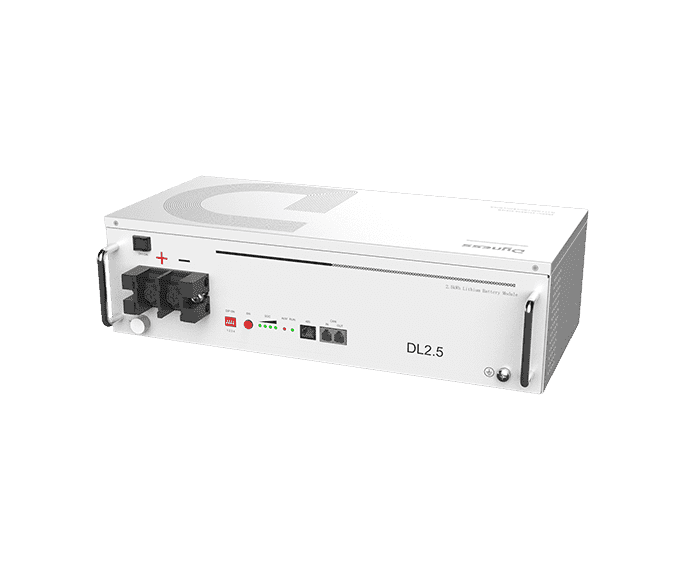
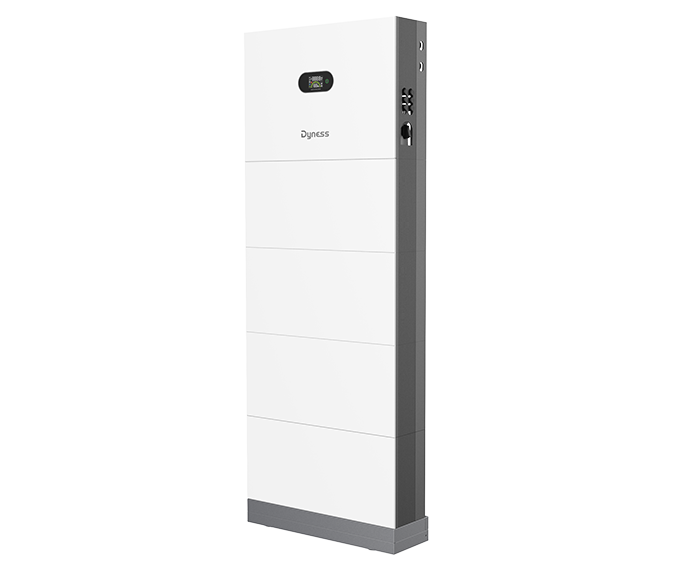
The Dyness PowerBox G2 provides 10.24 kWh of nominal capacity in a compact wall-mounted form factor. Its vertical layout helps reduce the battery footprint while giving installers greater flexibility in residential environments where floor space is limited.
Before installation, the wall structure, cable routing, ventilation, electrical clearance, and future maintenance access should all be assessed according to the latest product documentation and local requirements.
Modular Expansion and LiFePO4 Battery Stability
Household electricity demand can change significantly over time as users add appliances, EV charging, larger solar arrays, or additional backup requirements. A fixed-capacity system may eventually become insufficient for a growing household.
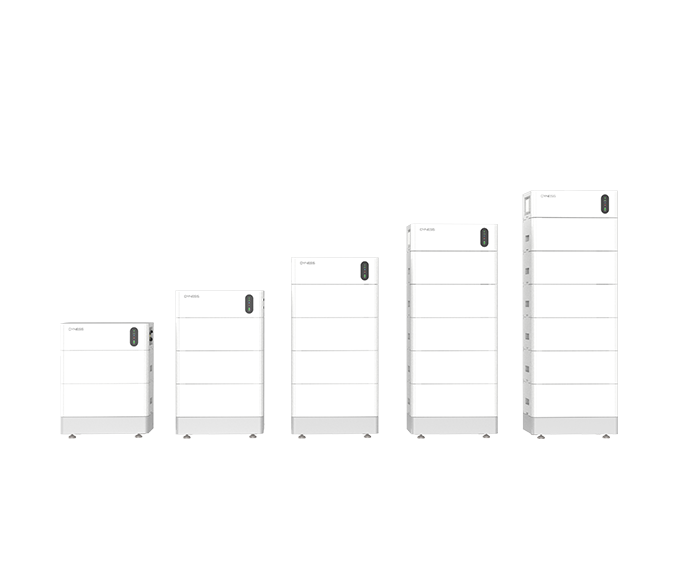
Modular parallel expansion gives installers and homeowners a more flexible upgrade path. The PowerBox G2 architecture supports expansion of up to 50 units in parallel, allowing storage capacity to be increased as energy requirements grow.
LiFePO4 chemistry provides an additional foundation for long-term residential use. Its stable chemical structure offers strong thermal stability and supports repeated charging and discharging cycles, making it well suited to stationary energy storage applications located close to residential spaces.
Combining modular expansion with stable LFP chemistry allows a household battery storage system to support both current energy requirements and future capacity growth.

Inverter Compatibility and Low-Maintenance Operation
A residential battery does not operate independently. Stable communication between the battery management system and the inverter is essential for charging, discharging, system protection, state-of-charge reporting, and overall energy management.
Dyness designs its wall-mounted 51.2V LiFePO4 home battery systems to support compatibility with major global inverter brands. Broad interoperability helps installers reduce integration complexity and makes the battery easier to incorporate into different residential solar configurations.
Long-term maintenance requirements should also be considered during product selection. Reliable internal monitoring and battery management help regulate cell balancing, voltage conditions, temperature, and operating status automatically.
Reducing unnecessary onsite servicing can lower long-term operating costs for homeowners, installers, and regional distribution partners while supporting more predictable system performance.
Customization and Integrated Safety for Residential Projects
Wall-mounted residential battery projects can vary significantly in available wall space, structural conditions, electrical standards, inverter platforms, and aesthetic requirements. These differences mean that a single standard configuration may not suit every residential market or installation environment.
Dyness provides OEM and ODM services that can support different residential energy storage requirements. Depending on project needs, customization may involve enclosure design, structural layout, interface configuration, parameter settings, and adaptation to regional requirements.
Safety remains another important selection factor for batteries installed close to living spaces. Internal monitoring systems should continuously track cell temperature, voltage conditions, current loads, and other operating parameters so that abnormal conditions can be identified early.
Dyness integrates multi-layer protection mechanisms into its residential energy storage products to support stable system operation and help protect both the battery equipment and surrounding property.
Conclusion
Choosing a wall-mounted 51.2V LiFePO4 home battery requires more than comparing battery capacity alone. Space efficiency, wall installation conditions, low-voltage architecture, scalability, inverter compatibility, cell chemistry, safety protection, and long-term maintenance should all be considered together.
The PowerBox G2 combines 10.24 kWh of nominal capacity with a wall-mounted design and support for up to 50 units in parallel, providing a flexible foundation for residential solar storage and future capacity expansion.
For homeowners, installers, and distributors, selecting a well-matched wall-mounted battery system can help create a cleaner installation layout, support long-term energy flexibility, and provide a scalable path for evolving household energy needs.
FAQ
-
Q: Will the battery automatically provide power at night?

A: When supported by the operating strategy and when stored energy is available, the battery can discharge stored solar energy after PV generation decreases or stops.
-
Q: What do I need to install a Dyness home battery?
A: You need a compatible inverter, suitable installation space, appropriate electrical infrastructure, correct communication connections, protection devices, and compliance with local electrical and grid requirements.
-
Q: Can I add a Dyness battery to my existing solar system?
A: It may be possible, but compatibility depends on the existing inverter, system architecture, battery configuration, metering, wiring, and local requirements. A professional assessment is recommended before purchase.
Learn More