
























Is Dyness Suitable for European Homes?


Get notified about new updates, products, tips and tutorials. No spam.
Yes, Dyness is suitable for many European homes, especially for users who need reliable solar battery storage, backup power, flexible inverter compatibility, and scalable home energy management.
For European homeowners, a suitable energy storage system should match local installation spaces, climate conditions, inverter ecosystems, grid requirements, and long-term energy goals. Dyness supports these needs through LiFePO4 battery technology, modular product design, BMS protection, and solutions for residential, balcony, and larger home storage scenarios.

1. Why European Homes Need Flexible Energy Storage
Across Europe, home energy storage is becoming more important as electricity prices, grid pressure, solar adoption, and household energy demand continue to change. For many homeowners, a battery system is no longer only used for emergency backup. It is also part of a broader strategy for solar self-consumption, energy independence, and smarter household energy management.
European homes can vary widely in building type and installation environment. Some users live in detached houses with rooftop solar systems, while others live in apartments, townhouses, or homes with limited technical room space. This makes flexibility especially important when choosing a battery brand.
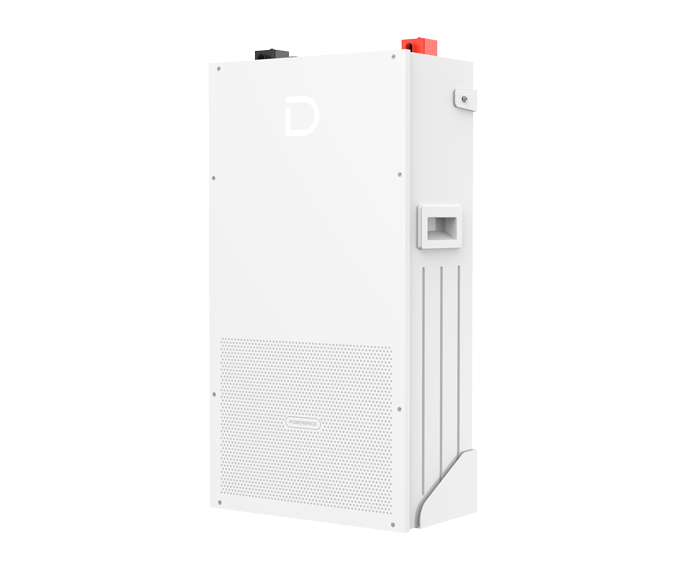
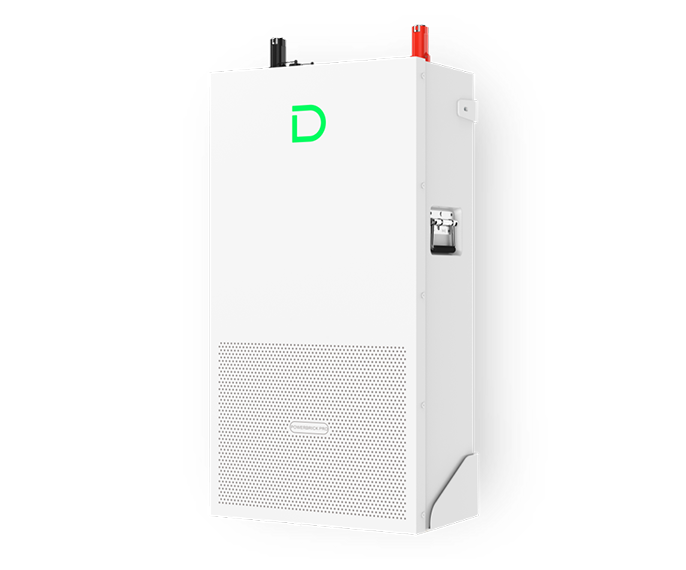
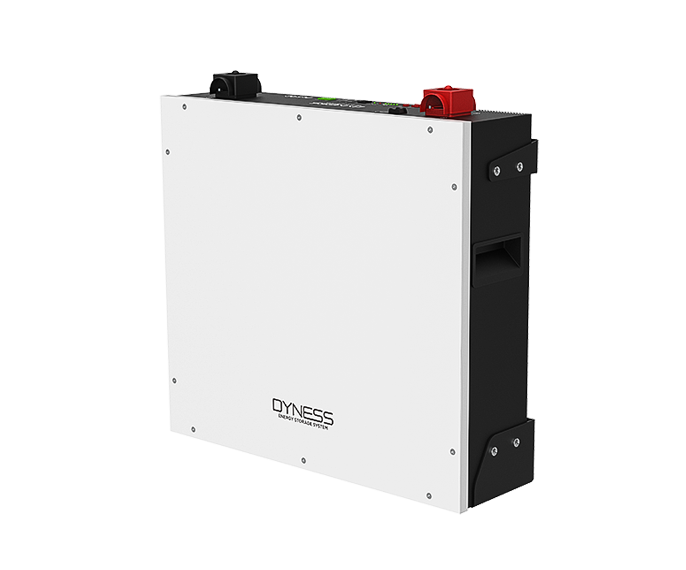
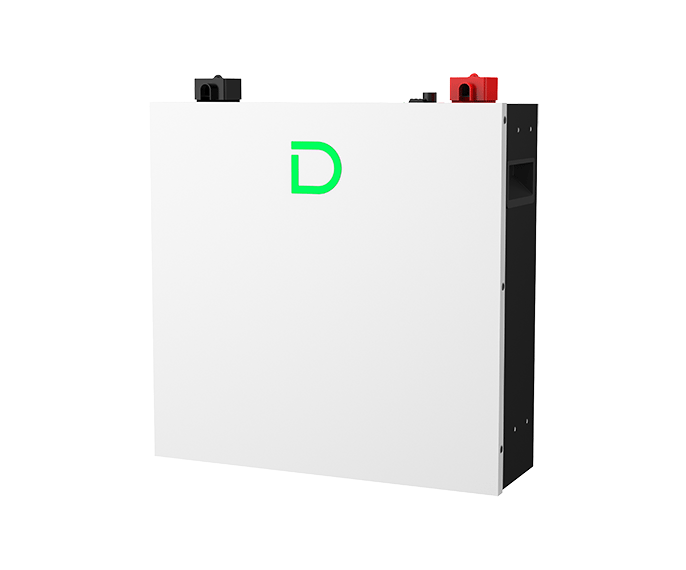
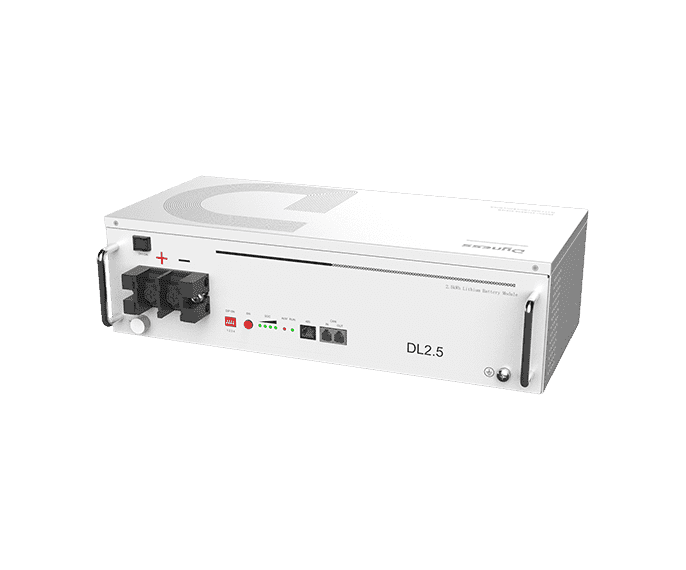
Dyness is suitable for many European home scenarios because its energy storage solutions cover different use cases, including residential solar storage, home backup, balcony solar storage, modular high-voltage storage, and larger home energy systems.
The right Dyness solution depends on the user’s solar system size, backup expectations, available space, inverter choice, local grid rules, and future energy plans.
2. Compact Design and Scalable Options for European Living Spaces
One key factor for European homes is space. Many homes, garages, basements, utility rooms, and apartment environments have limited installation space, so an energy storage system should be compact, organized, and easy to integrate into the building environment.
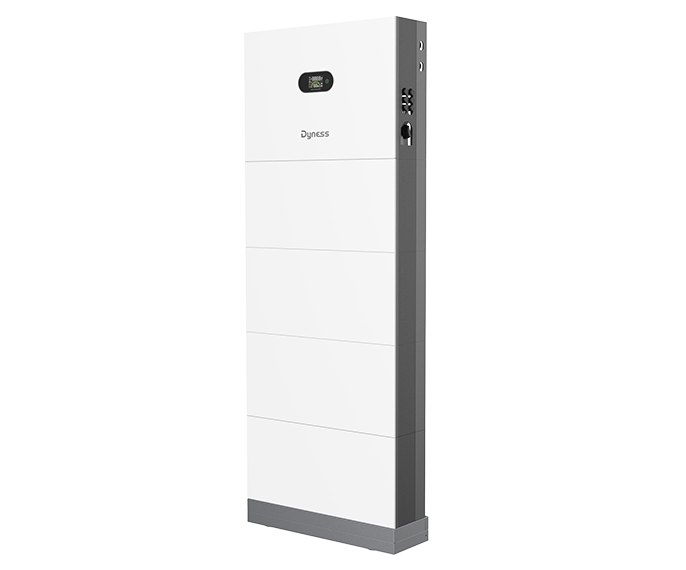
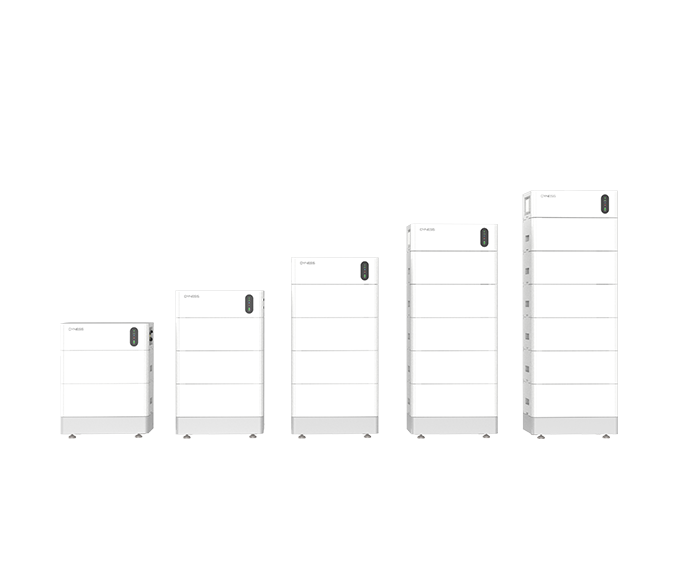
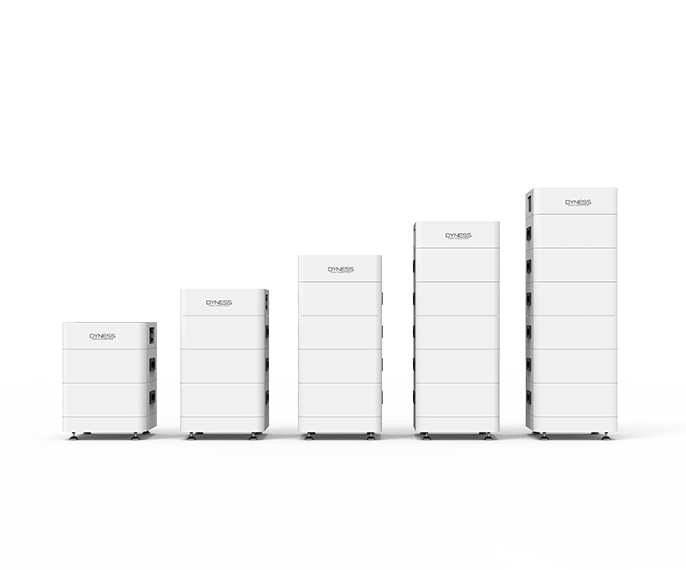
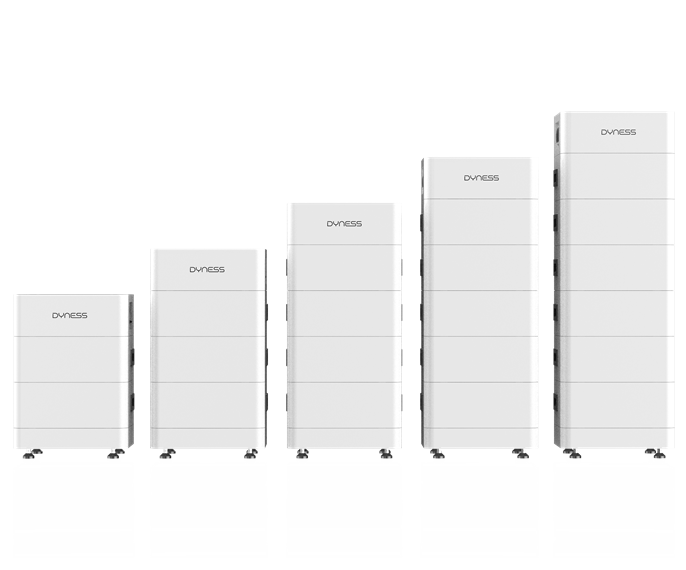
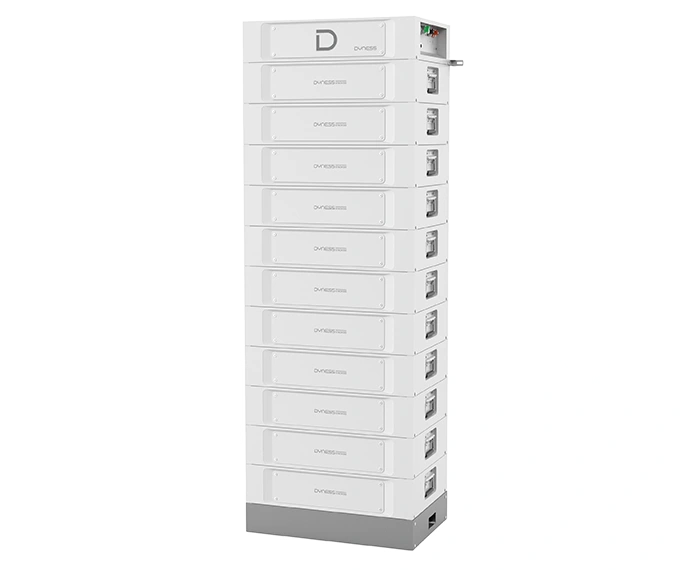
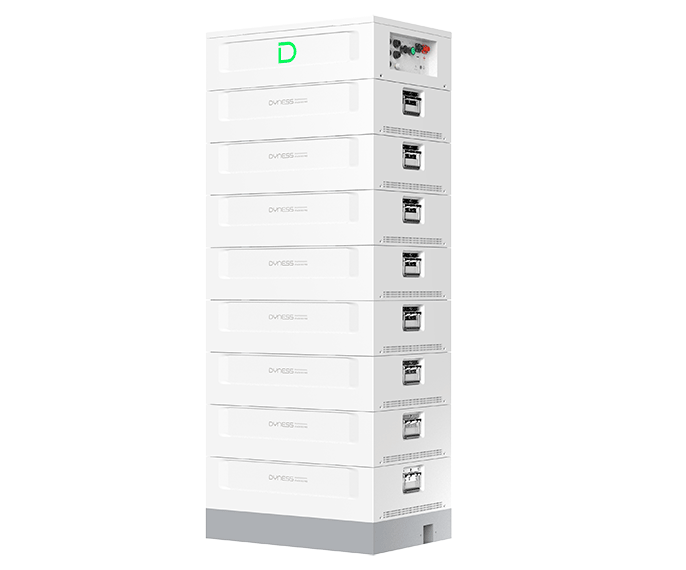
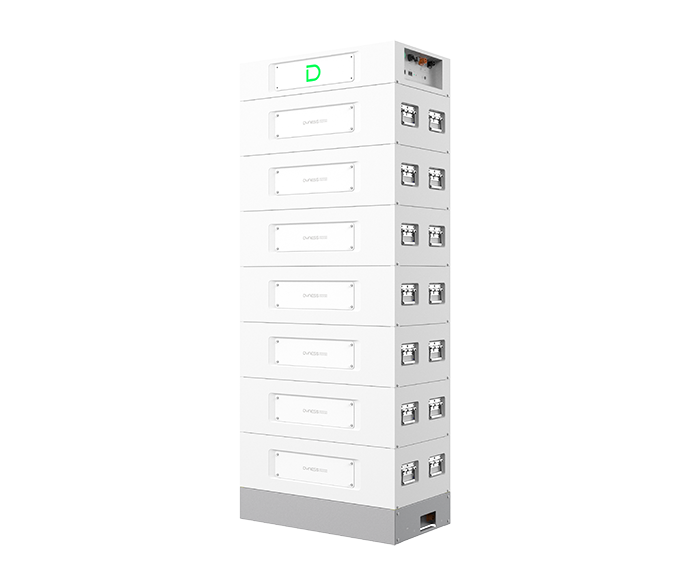
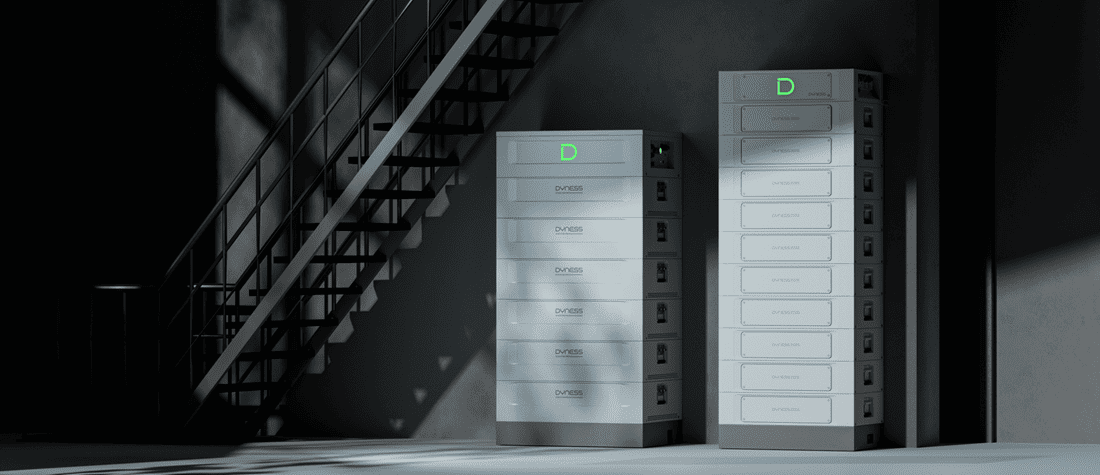
Dyness provides different product directions for different residential needs. Modular home battery systems can support users who want flexible capacity planning, while compact storage solutions can help urban users make better use of limited space.
For homeowners who want a larger system, scalable battery platforms make it possible to plan for future energy demand growth, such as additional solar panels, EV charging, heat pump installation, or longer backup time.
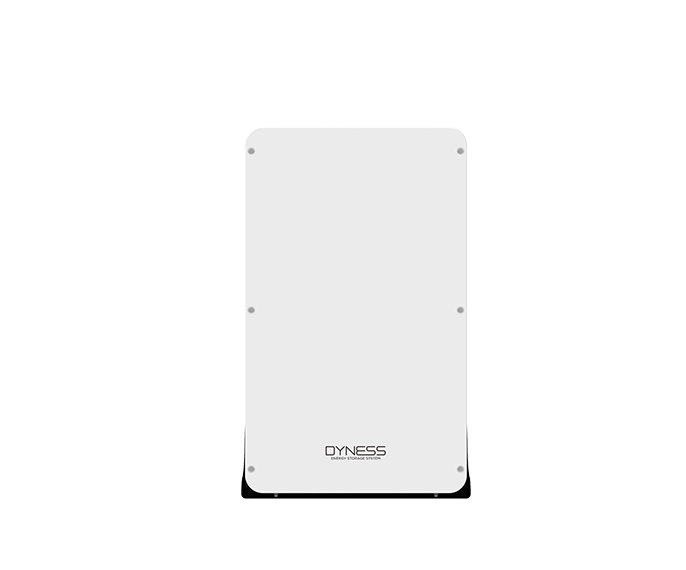
For apartment and urban users, balcony solar storage and smaller energy storage options can help improve solar self-consumption where traditional large rooftop systems may not be practical.
| European Home Scenario | Relevant Dyness Direction |
|---|---|
| Detached house with rooftop solar | Residential battery storage for solar self-consumption and backup power. |
| Home with future EV or heat pump plans | Scalable storage platform with room for future capacity planning. |
| Apartment or urban home | Compact or balcony solar storage solutions where applicable. |
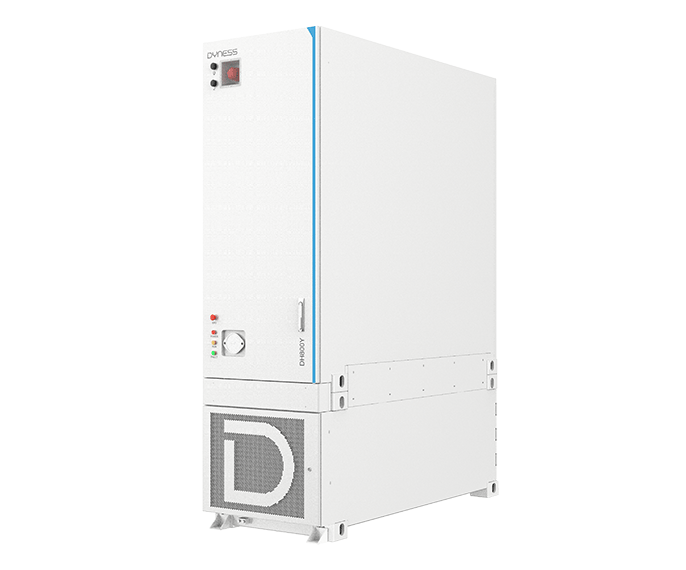
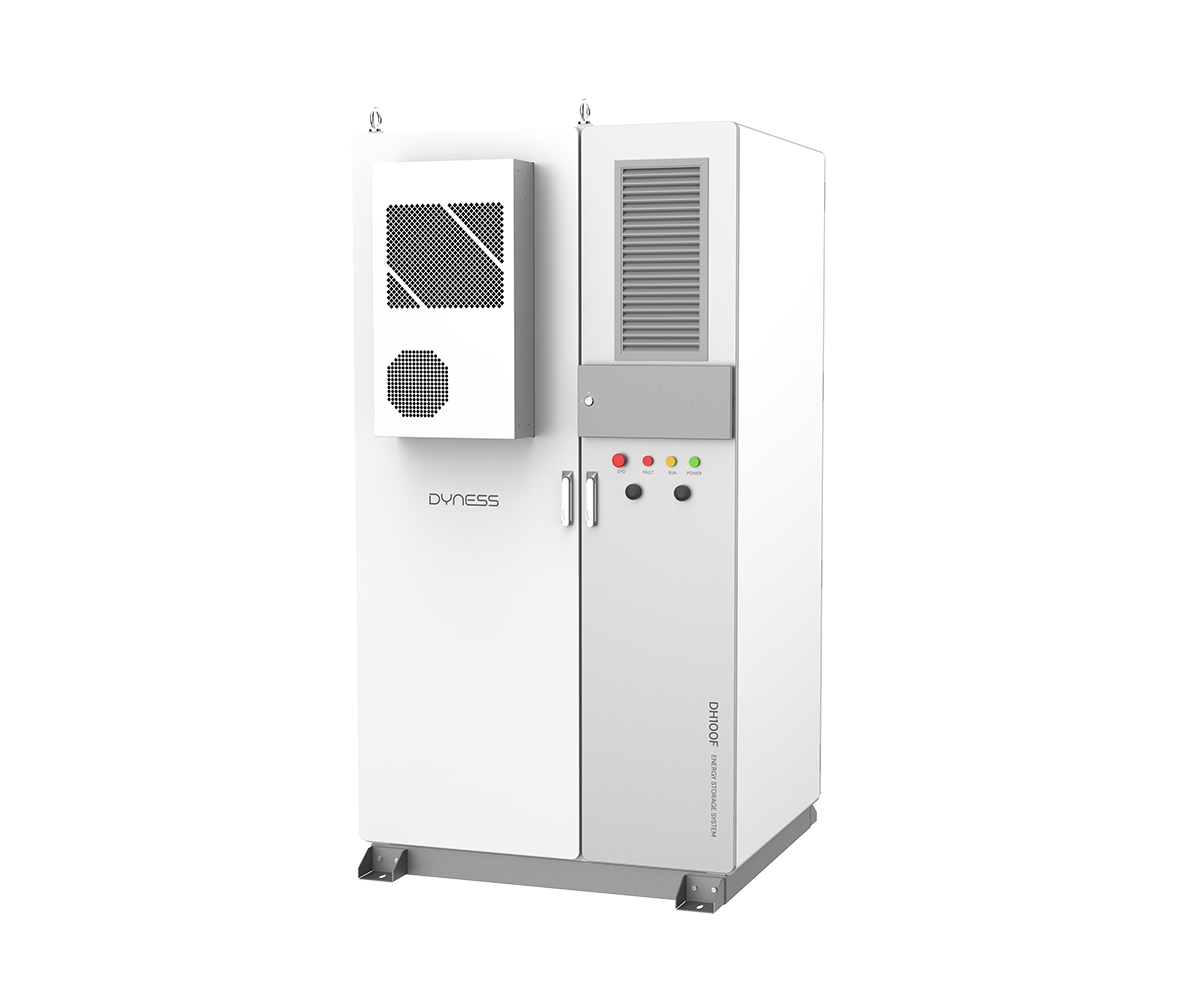
| Larger home with higher power needs | High-voltage or larger residential storage options, depending on system design. |
3. Safety, Climate Adaptability, and Long-Term Reliability
For European homeowners, safety and long-term reliability are essential. A home battery system may operate for many years and may be installed in garages, basements, utility rooms, technical spaces, or other residential environments.
Dyness energy storage systems are widely based on LiFePO4 battery technology, which is commonly used in stationary storage because of its thermal stability, long cycle life, and strong safety characteristics.
Battery management also matters. Dyness systems are designed with BMS protection to monitor key operating conditions such as voltage, current, temperature, cell balance, and system communication. This helps the battery operate within a safer and more stable range.
Climate conditions in Europe can vary significantly. Northern Europe may face cold winters, while Southern Europe may experience high summer temperatures. For this reason, users should choose the correct Dyness model based on the local installation environment, ventilation conditions, and supported operating temperature range.
Some Dyness products may support low-temperature operation features depending on model and configuration. Users should always confirm the exact product specification, certification status, and installation requirements with local distributors or qualified installers.
4. Open Compatibility with European Inverter Ecosystems
European solar storage markets are highly diverse, with many established inverter brands and different system design preferences across countries. This makes battery-inverter compatibility one of the most important factors when choosing an energy storage system.
Dyness follows an open compatibility approach. Instead of forcing users into a closed ecosystem, Dyness batteries are designed to work with many mainstream inverter brands, depending on the battery model and approved compatibility list.
This can be valuable for European homeowners who already have a solar system and want to add battery storage later. It also helps installers design systems more flexibly according to local market availability, customer budgets, project requirements, and site conditions.
Before installation, users should confirm the latest Dyness inverter compatibility documentation. Compatibility may vary by battery model, inverter brand, firmware version, and regional configuration.
This open integration approach makes Dyness a practical choice for users who want flexibility, rather than being limited to a single-brand energy system.
5. Future-Ready Energy Management for European Prosumers
Many European homeowners are becoming prosumers, meaning they not only consume electricity but also generate, store, and manage their own energy through solar panels, batteries, and smart energy systems.
A suitable home battery system should therefore support more than simple energy storage. It should help users increase solar self-consumption, reduce grid dependence, support backup needs, and prepare for future energy applications.
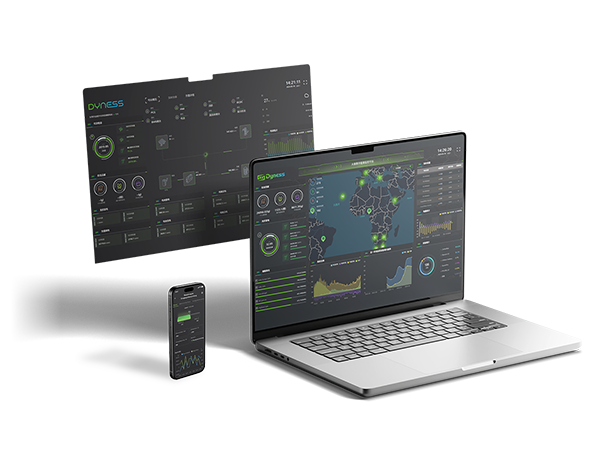
Dyness energy storage systems can fit into this trend by supporting solar-plus-storage configurations and modern home energy management needs. When properly matched with compatible inverters and monitoring systems, Dyness batteries can help users build a more flexible and future-ready household energy setup.
As electricity pricing, grid policies, and energy management models continue to evolve across Europe, users should consider not only today’s energy needs, but also future expansion, EV charging, heat pump adoption, smart energy management, and potential grid-interactive applications.
6. Final Takeaway
Dyness is suitable for many European homes because it offers flexible energy storage options, LiFePO4 battery technology, BMS protection, open inverter compatibility, and scalable system design for different residential scenarios.
For homeowners with rooftop solar, Dyness can support solar self-consumption and backup power. For urban users, compact and balcony storage options may provide a more accessible energy solution. For larger homes, scalable residential storage platforms can help prepare for future energy demand growth.
The best choice depends on the home type, solar system size, local climate, available installation space, inverter compatibility, backup expectations, and local regulations. With proper system design and professional installation, Dyness can be a practical energy storage option for European households seeking greater energy independence and long-term energy flexibility.

FAQ
-
Why does Dyness offer better "Long-term Asset Value" than local or automotive-entry brands?

Brand depth comes from the optimization of LCOS (Levelized Cost of Storage). While others chase peak bursts, Dyness is a "Marathon Runner." We utilize the same cell-balancing and thermal modeling perfected in our global C&I projects to drastically slow capacity decay. In Europe, a Dyness Solution is an appreciating asset that maintains high health (SOH) a decade later.
-
How do Dyness Solutions support Europe’s transition toward Virtual Power Plants (VPP)?
This is our specialty. As a global leader, we have already participated in the construction of VPP nodes across multiple continents. Dyness Solutions feature high-frequency communication and rapid algorithm response. For a European "Prosumer," this means your battery isn't just for backup—it's a digital interface ready to capture economic dividends from grid-balancing markets.
-
How does Dyness manage such high technical depth while ensuring "Installer-Friendly" simplicity?
This is the Art of Complexity Simplified. True technical depth shouldn't be the user's headache; it should allow for a "Blind-Mate" installation. We have hard-coded the complex system-level commissioning into the factory settings. Given the high labor costs in Europe, our "Zero-Calibration" architecture is essentially a brand-level cost subsidy for our customers.
Learn More