





















Residential ESS: What You Need to Know


Get notified about new updates, products, tips and tutorials. No spam.
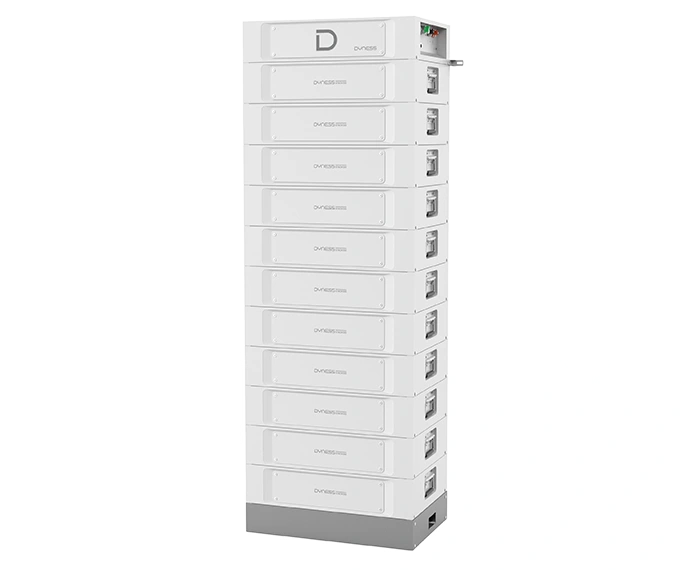
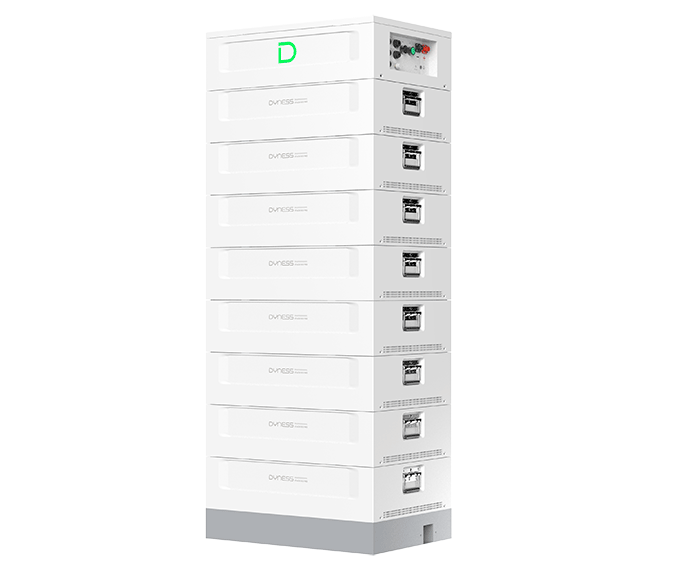
A residential energy storage system (ESS) is more than a battery installed in a home. It combines energy storage, power conversion, electricity metering, and intelligent control to coordinate solar generation, household consumption, and grid interaction.
Understanding how these components communicate and work together helps homeowners and installers evaluate system architectures, battery capacity, inverter ratings, installation requirements, and long-term energy management capabilities.

How Does a Residential ESS Work?
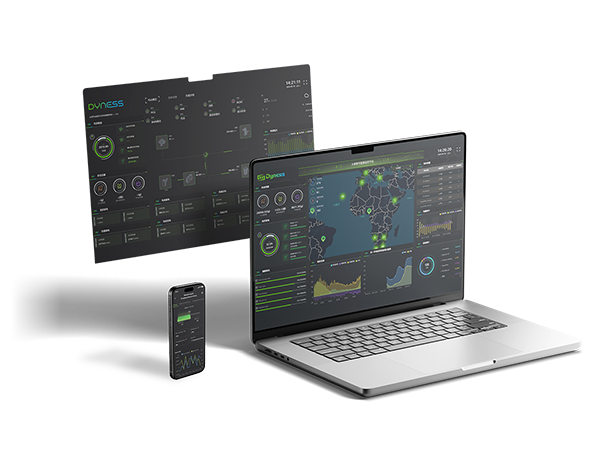
A residential energy storage system consists of several components with different responsibilities. The battery stores chemical energy and exchanges direct-current (DC) electricity, while the inverter or power conversion equipment supplies electricity in a form suitable for the connected electrical system. Metering equipment records energy flows, and the energy management system (EMS) coordinates charging and discharging according to available solar generation, household consumption, and operating settings.
Energy flow and communication flow should be understood separately. Electrical connections transfer power between the battery, inverter, household loads, and grid, while communication interfaces carry battery status, operating data, and control commands. A reliable residential solar battery storage installation must verify both types of connections during commissioning. Even when several functions are integrated into a single enclosure, their technical responsibilities remain distinct.
Hybrid vs. AC-Coupled Residential Energy Storage Systems
Residential ESS architectures commonly use hybrid or AC-coupled configurations. A hybrid system combines photovoltaic and battery functions within a coordinated power conversion arrangement, while an AC-coupled system connects storage through the alternating-current side of the installation. The appropriate architecture depends on the existing solar equipment, electrical interfaces, system compatibility, and project requirements.
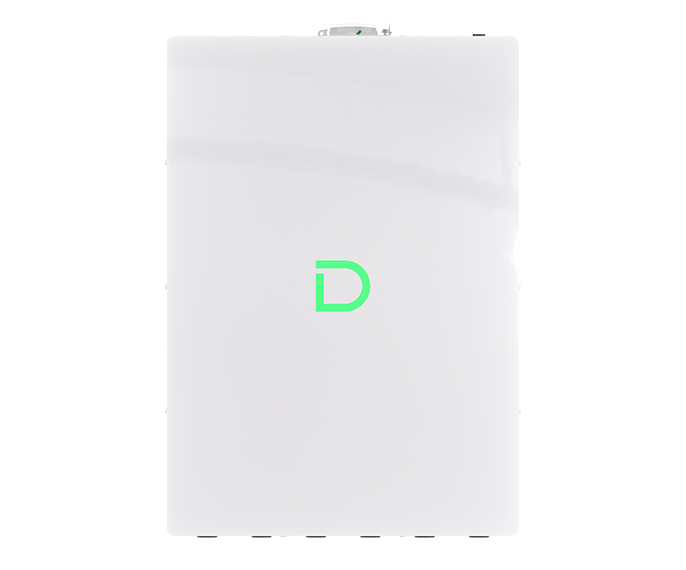
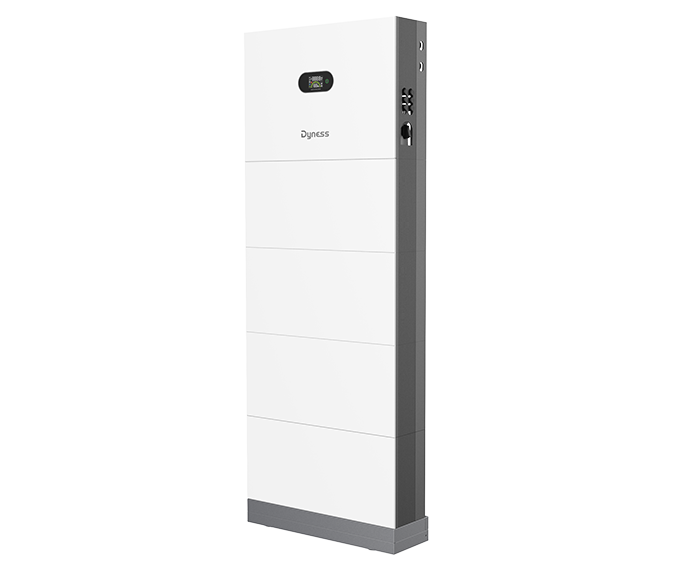
The Dyness Cygni series illustrates these different configurations through its Hybrid and AC product types. The range includes Cygni 8.0HS and 10.0HS, alongside Cygni 8.0AS and 10.0AS. Selecting the appropriate version requires matching the system's generation, battery storage, conversion equipment, and electrical connection requirements. Homeowners should evaluate the complete configuration rather than assuming that either architecture is universally suitable for every residential solar project.
Understanding Battery Capacity, Inverter Ratings, and Physical Specifications
When selecting a residential ESS, battery energy capacity and inverter output capability must be evaluated separately. Battery capacity, measured in kilowatt-hours (kWh), indicates the amount of energy available for use, while the inverter's apparent power rating, measured in volt-amperes (VA), describes its electrical output capability. Real power and apparent power are related through the load's power factor. Increasing battery capacity does not automatically increase the inverter's rated output.
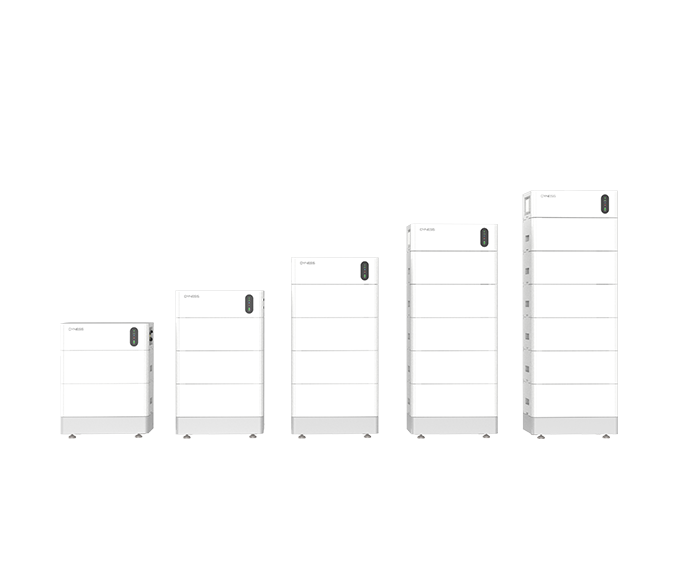
All four Dyness Cygni configurations provide a usable battery energy range of 7.68–46.08 kWh. Cygni 8.0HS and 8.0AS are rated at 8,000 VA, while Cygni 10.0HS and 10.0AS are rated at 9,999 VA. Physical installation requirements are equally important: the Cygni inverter weighs 27.5 kg and measures 650 × 450 × 180 mm, while each battery module weighs 40.5 kg and measures 650 × 300 × 180 mm. The series features IP66-rated protection. These specifications help installers evaluate system capacity, available space, equipment layout, and appropriate electrical integration.

Installation, Commissioning, and System Monitoring
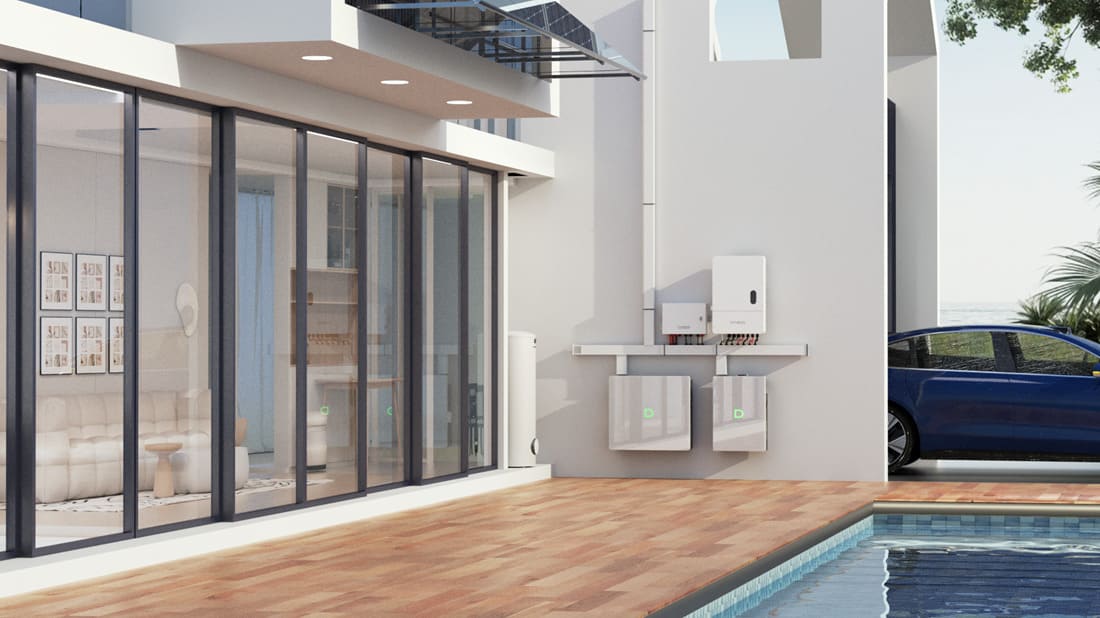
A residential energy storage installation requires more than assembling battery modules. The Dyness Cygni series features a wiring-free internal stacking arrangement, automatic system checks during commissioning, active fire protection, and cell-balancing functions. These features support system integration and operation, but they do not eliminate the need for professional electrical installation, verification, and commissioning.
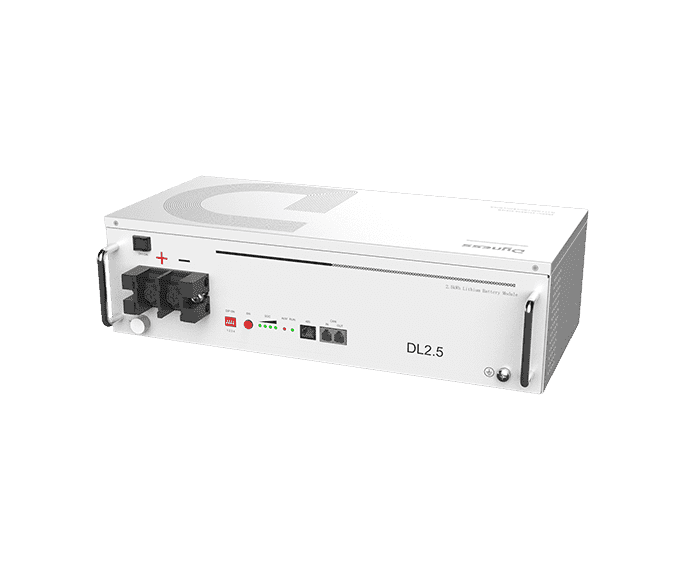
The Dyness PowerDepot G2 provides another example of residential installation requirements. This 5.12 kWh battery supports wall-mounted or floor-standing installation, with electrical connections, commissioning, and inverter integration handled by qualified electricians or professional installers. App or web monitoring becomes available after device networking is completed. Installers should verify equipment compatibility, electrical connections, communication interfaces, and monitoring access before handing the system over to the homeowner.
Smart Energy Management and Residential ESS Handover
After commissioning, residential solar battery storage can support everyday energy management by coordinating solar generation, battery charging, household loads, and grid interaction. Depending on the equipment configuration and local tariff structure, stored electricity can be used during higher-price periods after charging when electricity is less expensive. Surplus photovoltaic electricity may also be exported to the grid where the installation and local regulations permit.
Dyness Cygni is offered for the Australian market and includes VPP-ready and demand-response capabilities. These functions provide a technical foundation for participating in compatible energy management programs, although eligibility depends on the relevant program, service provider, and installation requirements. A complete system handover should document operating settings, monitoring access, equipment interfaces, supported functions, and technical support responsibilities so that homeowners understand how their system is expected to operate.
Conclusion
A residential ESS works through coordinated energy storage, power conversion, metering, communication, and intelligent control. Understanding the relationship between these components helps homeowners compare hybrid and AC-coupled configurations, evaluate battery capacity and inverter ratings, and identify suitable installation requirements.
Dyness residential solutions such as Cygni and PowerDepot G2 illustrate how different battery architectures can address varying household energy needs. By verifying equipment compatibility, commissioning requirements, monitoring functions, and operating settings, homeowners and installers can develop more reliable residential solar battery storage systems that support long-term energy management.
FAQ
-
Q: What components are included in a residential energy storage system?

A: A residential ESS typically combines battery storage, an inverter or power conversion system, electricity metering, and control equipment. These components work together to manage charging, discharging, household loads, solar generation, and grid interaction.
-
Q: What is the difference between a hybrid and an AC-coupled residential ESS?
A: A hybrid ESS coordinates solar PV and battery storage within a combined conversion arrangement, while an AC-coupled system connects storage through the AC side. The right choice depends on the existing electrical system, equipment compatibility, and installation requirements.
-
Q: Does adding more battery capacity increase the power output of a residential ESS?
A: Not necessarily. Battery capacity determines the available stored energy, while inverter ratings and system configuration determine output capability. For example, the Dyness Cygni series offers 7.68–46.08 kWh of usable battery energy, with 8,000 VA or 9,999 VA inverter ratings depending on the model.
Learn More