






















How to Choose the Best High Voltage Battery for Solar Energy: A Buyer's Guide


Get notified about new updates, products, tips and tutorials. No spam.
Choosing the right high voltage battery for solar energy requires more than comparing nominal capacity. Buyers should evaluate system efficiency, battery chemistry, modular scalability, inverter compatibility, environmental adaptability, long-term expandability, and lifecycle costs.
A well-matched high-voltage battery can help residential solar systems improve energy utilization, support growing household loads, reduce unnecessary conversion losses, and provide a more flexible foundation for future energy upgrades.

Why High Voltage Matters in Solar Battery Selection
System voltage is one of the first technical factors to evaluate when choosing a battery for residential solar storage. For the same power level, a higher-voltage architecture can operate at lower current, helping reduce resistive losses, cable requirements, and thermal stress across the electrical system.
This makes high-voltage storage particularly relevant for larger residential PV systems and homes with higher power demand. A well-designed high-voltage architecture can also integrate efficiently with compatible modern power conversion equipment.
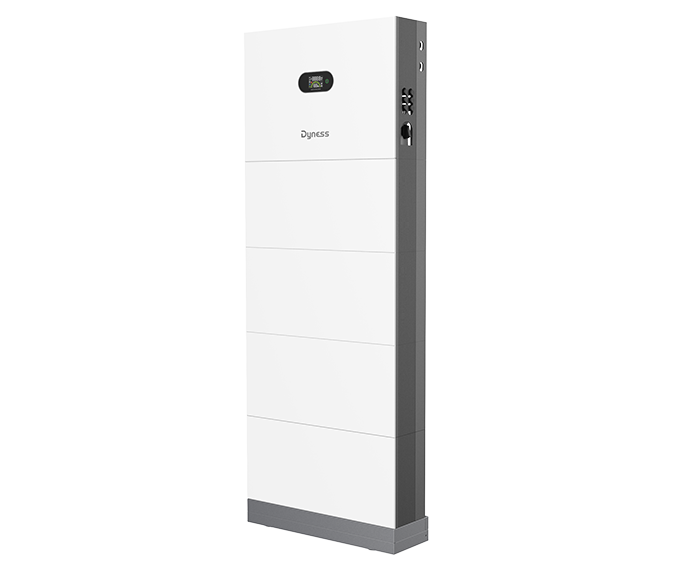
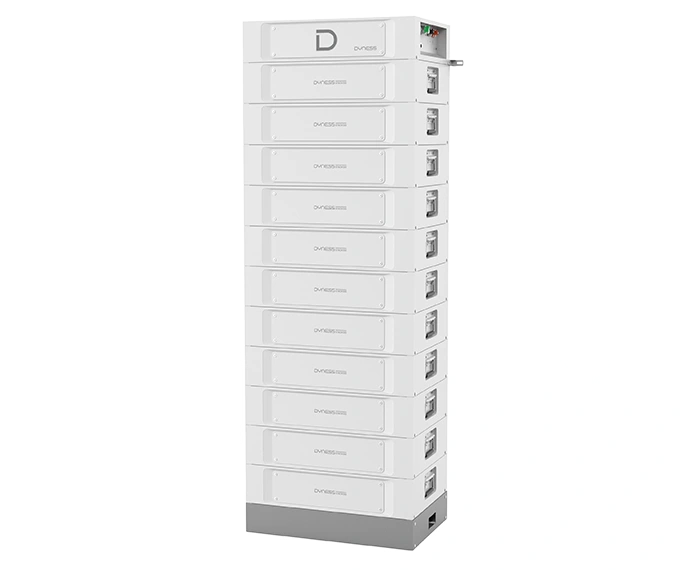
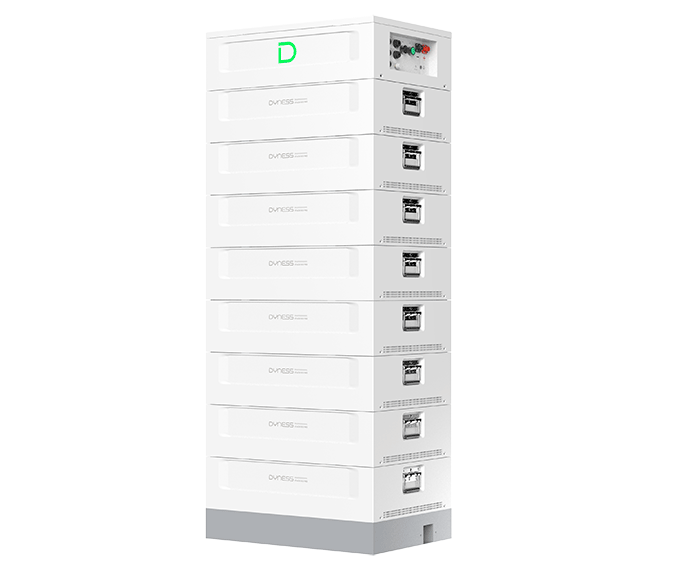
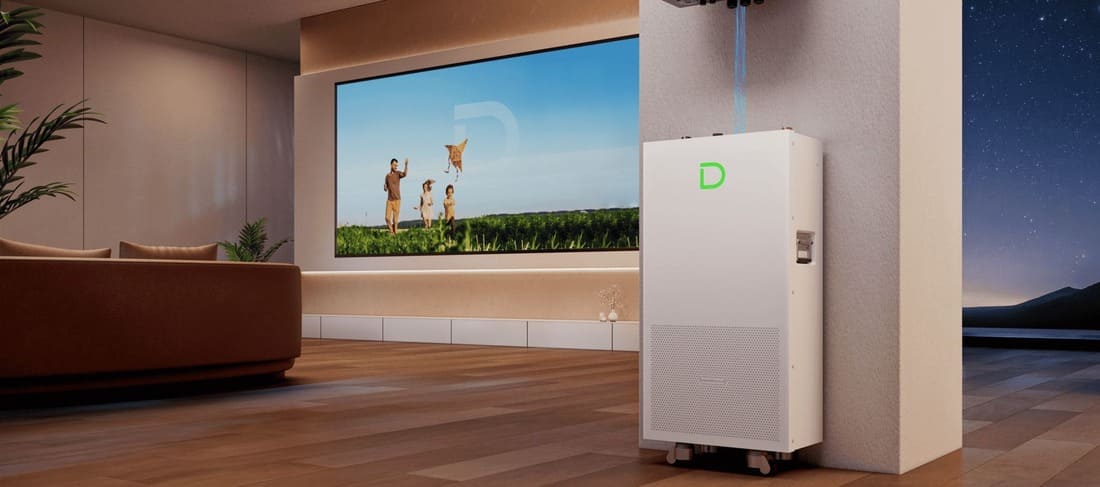
Compared with traditional low-voltage configurations that may require higher current and heavier cabling, a Stackable High Voltage LiFePO4 Home Battery System can provide a more streamlined electrical pathway when correctly matched with the inverter and system design.
Evaluate Efficiency, LiFePO4 Chemistry, and Long-Term Safety
Round-trip efficiency is an important selection metric because energy is lost during charging, storage, and discharging. Reducing unnecessary conversion and transmission losses helps more of the generated solar energy remain available for household use.
Battery chemistry is equally important, especially for systems installed close to residential living spaces. Lithium iron phosphate chemistry offers strong thermal stability and structural resilience compared with many cobalt-based lithium chemistries, making LFP widely used in stationary energy storage applications.
Stable cell chemistry can help reduce thermal risk and support predictable performance through repeated charging and discharging cycles. Buyers should still evaluate the complete safety architecture, including BMS protection, thermal monitoring, enclosure design, certifications, and installation requirements rather than relying on cell chemistry alone.
Look for Modular Expansion and Future Upgrade Flexibility
Future scalability is another major consideration when selecting a high-voltage solar battery. Household electricity demand can increase as users add EV chargers, heat pumps, larger PV arrays, or additional electrical appliances.
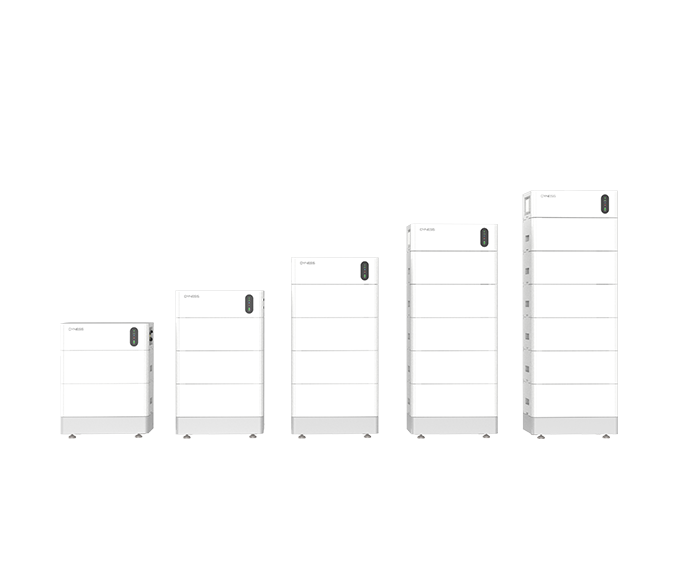
Fixed-capacity battery systems can become restrictive when energy requirements grow. Stackable architectures allow compatible battery modules to be added vertically, expanding total storage capacity while maintaining a compact installation footprint.
The configuration described in the source supports between 2 and 6 modules per tower, enabling installers to adjust battery capacity according to different residential load profiles and available installation space.
Before purchasing, users should confirm the approved module quantity, capacity range, voltage window, inverter requirements, and expansion rules for the specific battery model.

Check Module Compatibility and Multi-Cluster Scalability
Long-term expansion involves more than adding another battery module. New and existing modules may differ in age, state of health, operating history, and cell characteristics, making battery management capability an important part of the selection process.
Buyers should therefore check whether the BMS supports expansion with modules purchased at different times and what compatibility conditions apply. The source configuration provides up to 3 years of module compatibility, helping simplify later capacity upgrades within the approved system architecture.
Large homes and light commercial applications may also require more capacity than a single tower can provide. The referenced architecture supports up to 12 clusters, allowing multiple storage towers to operate within a larger coordinated system.
These expansion capabilities can help protect the initial investment by providing a clearer path from smaller residential configurations toward significantly larger storage requirements.
Verify Inverter Compatibility and Installation Environment
A high-voltage battery must communicate reliably with its inverter or power conversion equipment. Communication mismatches can affect charging, discharging, state-of-charge reporting, protection functions, and overall system operation.
Broad inverter compatibility gives homeowners and installers more flexibility when designing solar-plus-storage systems. Buyers should review the latest inverter compatibility list and confirm that the selected battery, inverter, firmware, and communication protocol are approved to operate together.
Installation conditions should also be considered. Batteries installed outdoors, in garages, or in non-conditioned technical areas may face dust, humidity, seasonal temperature variation, and other environmental challenges.
Enclosure protection, operating temperature range, thermal regulation, installation clearance, and environmental certification should therefore be evaluated alongside electrical specifications. Long-term lifecycle cost should also include maintenance requirements, servicing needs, and future expansion rather than only the initial purchase price.
Conclusion
Choosing the best high voltage battery for solar energy requires balancing electrical efficiency, LiFePO4 safety, modular scalability, long-term expandability, inverter compatibility, environmental protection, and lifecycle economics.
A stackable high-voltage architecture can provide a flexible path for households whose energy needs may increase over time, while modular configurations help installers match capacity more closely with actual residential demand.
The source configuration supports 2 to 6 modules per tower, up to 12 clusters, and up to 3 years of module compatibility, providing multiple expansion pathways for growing solar storage requirements.
Final product selection should always be based on the latest battery datasheet, approved inverter compatibility, installation conditions, local regulations, and professional system design.
FAQ
-
Q: How can I determine the right balcony battery capacity for my home?

A: Start by estimating daily balcony solar generation, daytime household consumption, base load, and typical evening electricity use. The right capacity should store a useful share of surplus solar power without remaining unused for long periods.
-
Q: Can Dyness home batteries be expanded later?
A: Many Dyness home energy storage products are designed to support future expansion, but the specific expansion method depends on the battery model, voltage platform, inverter compatibility, BMS communication, system age, and approved configuration limits.
-
Q: How do high-voltage Dyness batteries expand capacity?
A: High-voltage Dyness systems usually expand through modular stacking or approved cluster configurations. The number of modules or clusters must follow official Dyness configuration rules and inverter compatibility requirements.
Learn More