
























Flexible Scaling: How to Expand Dyness Energy Storage Systems


Get notified about new updates, products, tips and tutorials. No spam.
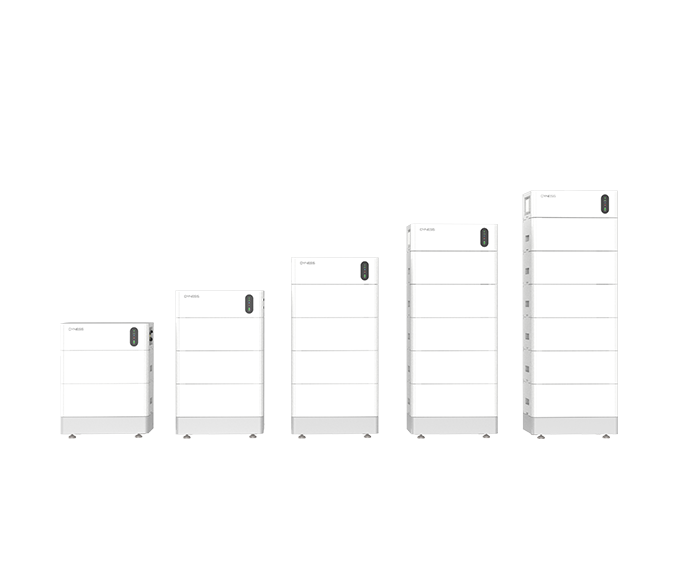
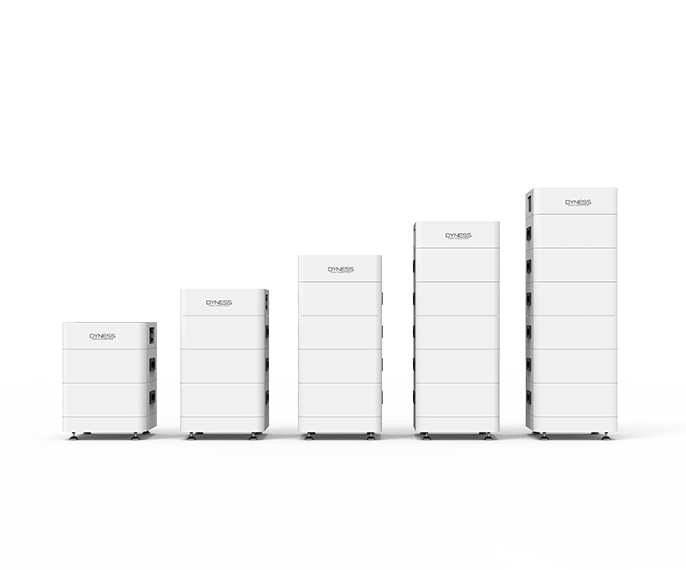
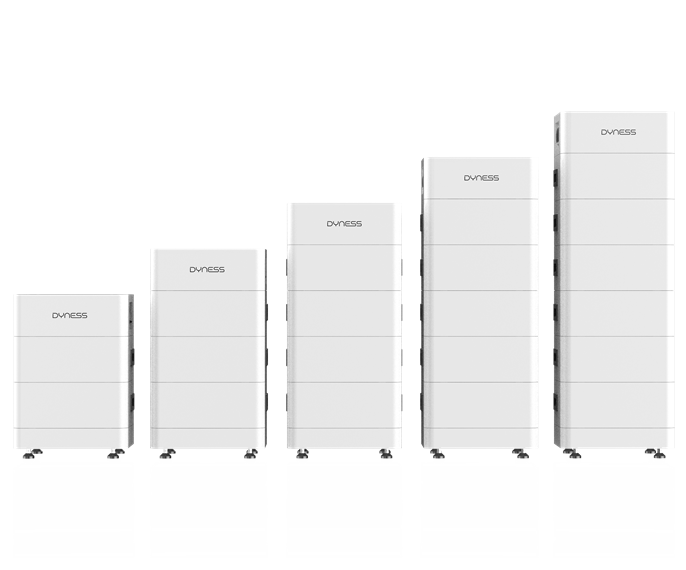
Many Dyness energy storage systems are designed to support future expansion, allowing users to start with a right-sized battery configuration and add more capacity later as household energy needs grow.
This flexibility is important because home energy demand can change over time. A family may install an EV charger, add a heat pump, expand its solar PV system, or need longer backup time during outages. With scalable low-voltage and high-voltage platforms, Dyness helps homeowners and installers plan energy storage systems that can adapt to future needs without unnecessary oversizing from day one.

Why Flexible Scaling Matters for Home Energy Storage
A home energy storage system is usually designed around today’s electricity use. But a household is not a fixed energy environment. Over time, users may add new appliances, switch to electric heating, install EV charging, expand solar PV capacity, or require longer backup duration during outages.
If the original battery capacity is too small, the system may not store enough solar energy for evening use or provide the expected backup time. If the system is oversized from the beginning, part of the battery may remain underused for long periods, increasing upfront investment without delivering proportional value.
This is why flexible scaling matters. A scalable battery system allows users to start with a practical capacity and reserve room for future upgrades.
For installers, scalability also makes system design more adaptable across different home types, energy habits, and budgets. The most practical strategy is often not to buy the largest battery immediately, but to choose what fits today while keeping a clear path for tomorrow.
Two Main Dyness Expansion Paths
Dyness energy storage expansion is not simply adding more hardware. A safe and reliable expansion depends on whether the added battery can communicate correctly with the existing system and operate within the approved electrical architecture.
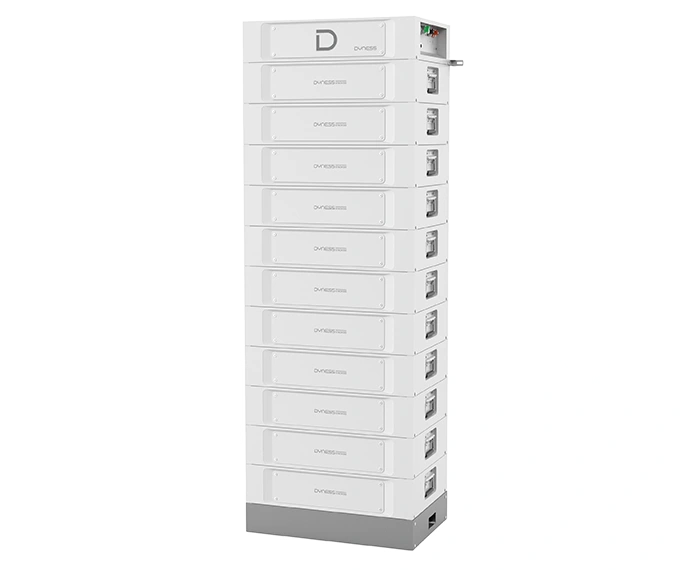
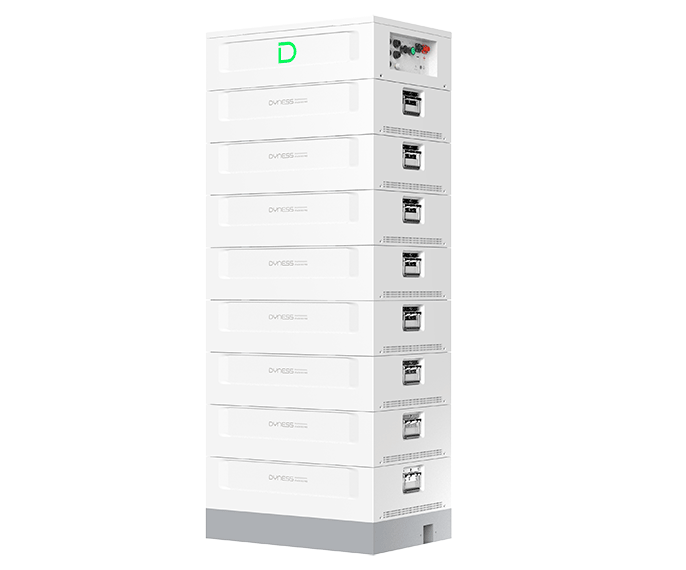
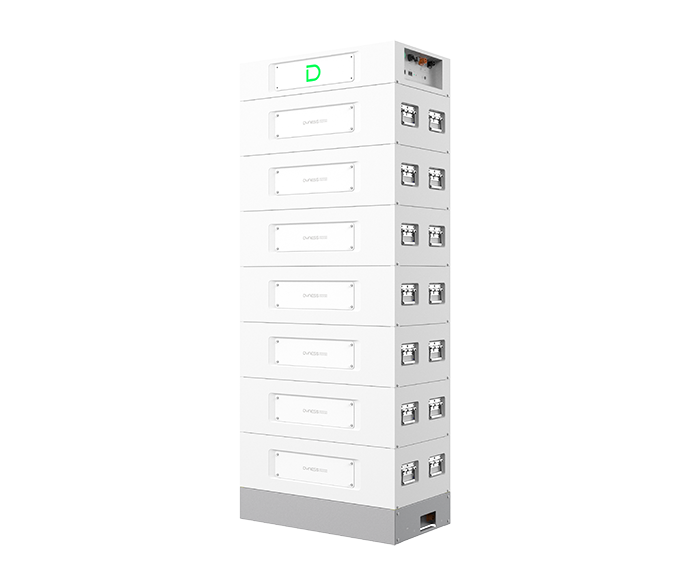
Dyness supports two main expansion directions based on different battery platforms: low-voltage parallel expansion and high-voltage modular stacking.
| Expansion Path | How It Works | Typical Use Case |
|---|---|---|
| Low-voltage parallel expansion | Additional 51.2V batteries are connected in parallel to increase total usable capacity while remaining within the low-voltage platform. | Residential users who want to increase solar self-consumption, extend backup time, or upgrade gradually. |
| High-voltage modular stacking | Battery modules are stacked to form a high-voltage cluster, and larger configurations may support multiple clusters within approved design limits. | Larger homes, higher-power loads, whole-home backup, heat pumps, and advanced solar-plus-storage systems. |
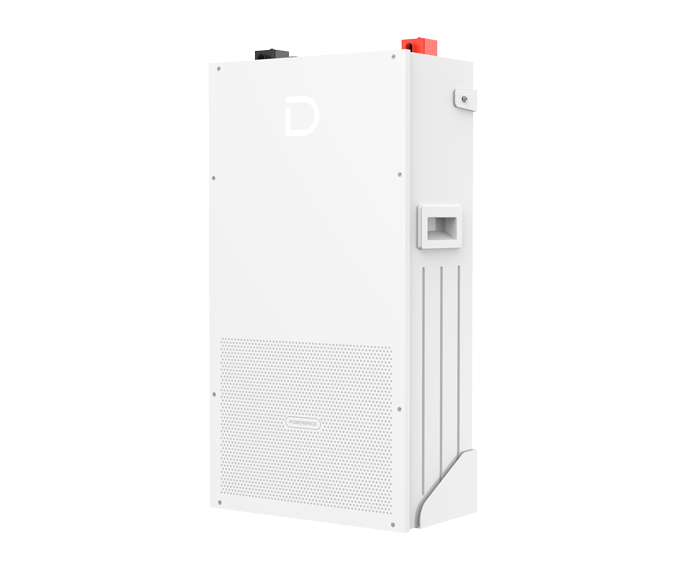
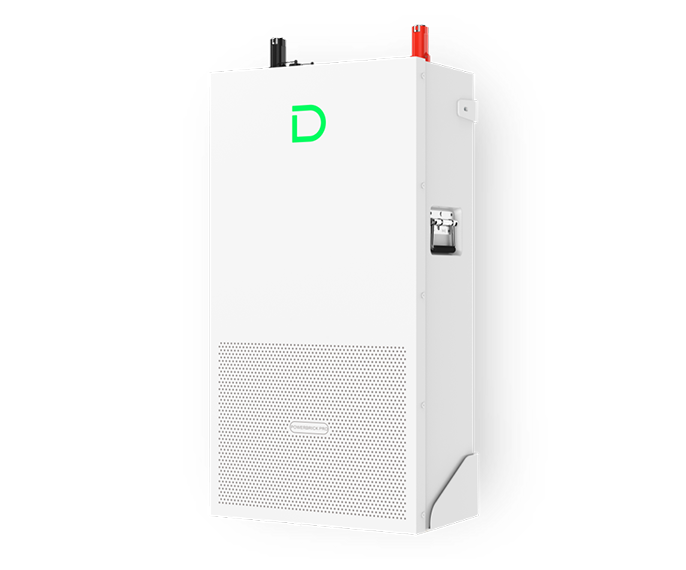
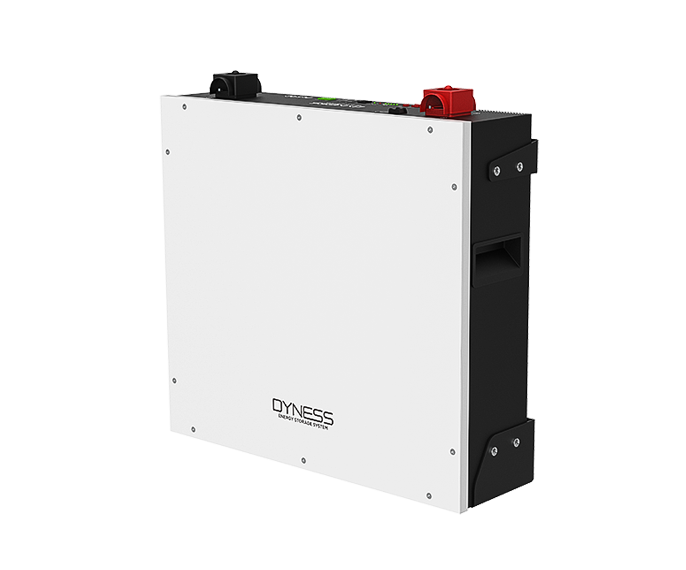
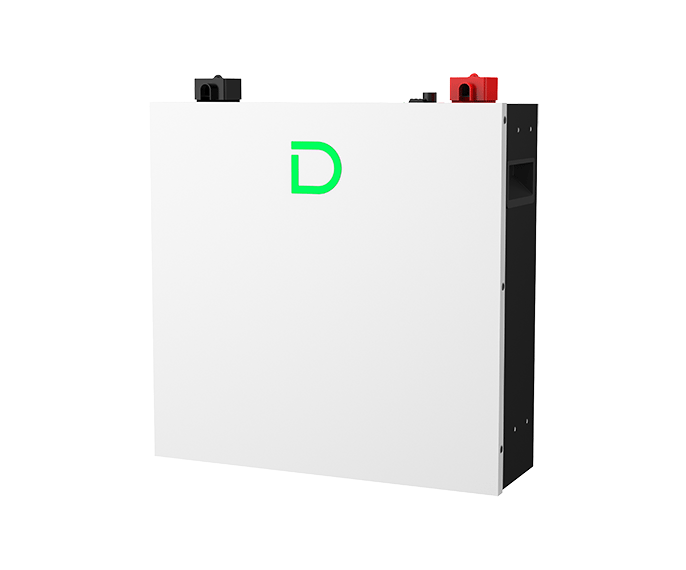
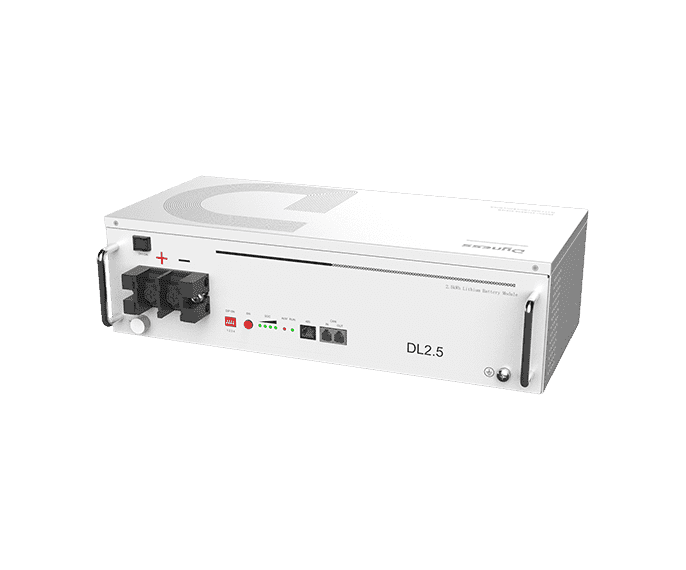
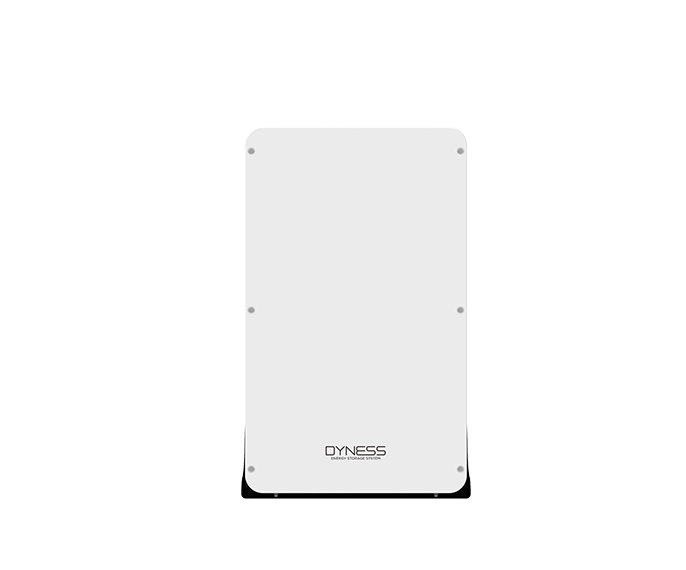
Low-voltage Dyness platforms such as DL5.0C, DL5.0C Pro, Powerbox G2, and PowerBrick can be considered for flexible residential capacity growth, depending on model availability and compatibility.
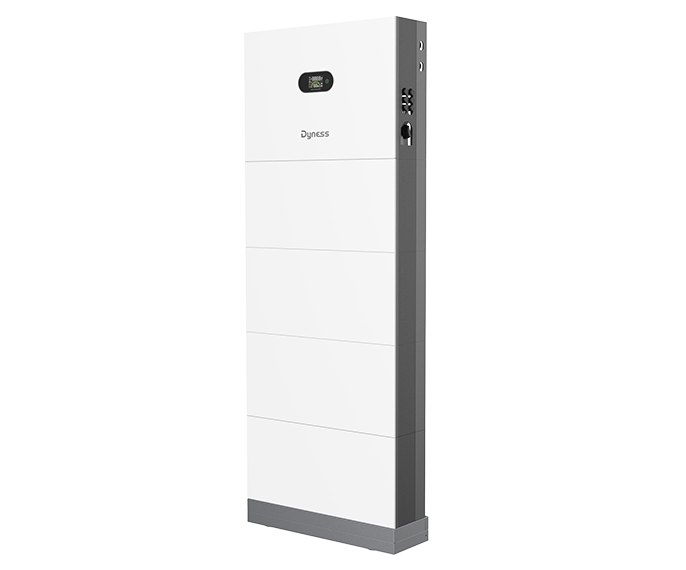
High-voltage platforms such as STACK100 Pro and Tower Pro can support modular configuration for larger capacity and stronger power requirements. Exact capacity ranges, cluster limits, and configuration rules should always be confirmed with the latest Dyness datasheets and official compatibility documentation.

What to Check Before Expanding a Dyness Battery System
Before expanding a battery system, users and installers should not only ask whether more capacity can be added. They should also confirm whether the existing system can support the added capacity safely and efficiently.
| Check Item | Why It Matters |
|---|---|
| Battery model and platform | Expansion should follow approved product combinations and avoid mixing incompatible voltage platforms or BMS logic. |
| BMS communication | Multiple batteries must communicate correctly to coordinate SOC, current sharing, alarms, and protection behavior. |
| Inverter compatibility | The inverter must support the expanded battery capacity, voltage range, communication protocol, and system operating limits. |
| Battery age and health | Older batteries may have different internal resistance, usable capacity, and charging behavior compared with new batteries. |
| Installation space and wiring | The site must have enough physical space, ventilation, cable routing, protection devices, and safe installation conditions. |
| Local electrical rules | Expansion must comply with local electrical codes, grid-connection requirements, and installer qualifications. |
A well-planned expansion should balance capacity, power, compatibility, safety, and long-term system performance rather than focusing only on adding more kilowatt-hours.

Common Battery Expansion Mistakes to Avoid
Myth 1: The biggest battery system is always the best choice.
A larger battery is not always a better investment. If the battery capacity is much larger than solar input or actual household demand, the system may remain underused for long periods. A better approach is to size the first system based on real current demand while leaving room for future expansion.
Myth 2: Different battery models can be mixed freely.
Battery expansion should follow approved system configurations. Different battery models may use different BMS logic, communication protocols, firmware versions, current limits, or voltage platforms. Even if products look similar externally, internal differences can affect communication and current sharing.
Myth 3: Old and new batteries always work together without evaluation.
Battery age and health matter. Over time, battery cells naturally change in internal resistance, usable capacity, and charging behavior. When expanding an older system, a technical evaluation is recommended before adding new batteries.
Myth 4: The inverter limit can be ignored.
Battery capacity is only one part of the system. If the inverter does not support the expanded battery configuration, voltage range, or communication protocol, the expansion may not deliver the expected performance.
Myth 5: Residential and C&I batteries can be treated as the same system.
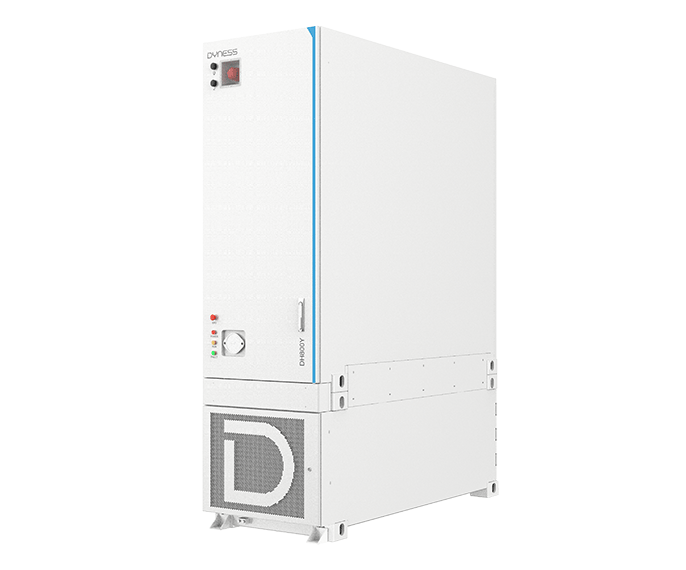
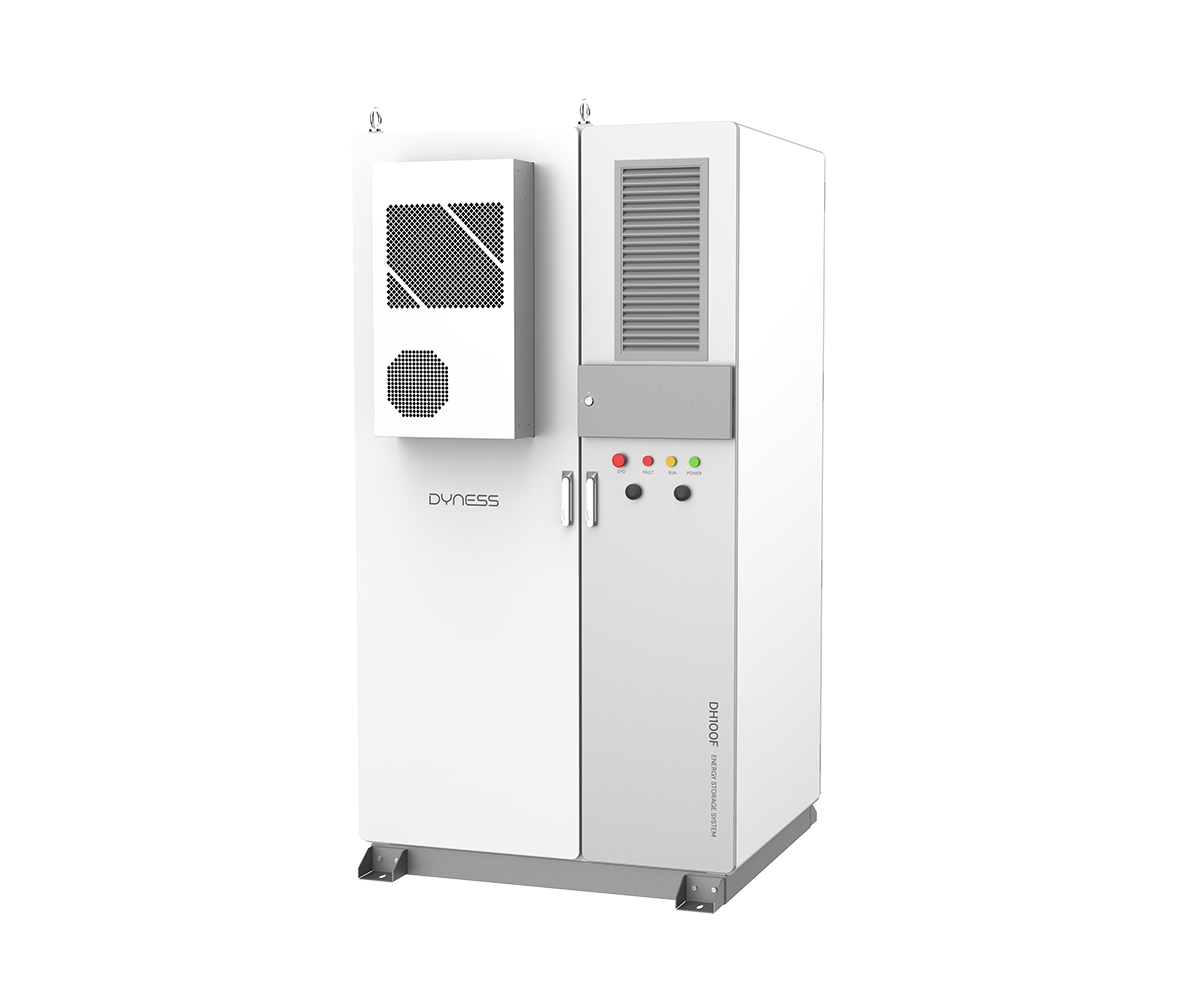
Residential and commercial energy storage systems are designed for different use cases. They may differ in voltage platform, BMS communication, protection logic, installation standards, and safety requirements. They should not be mixed unless the configuration is officially approved.
Final Takeaway
Flexible scaling is an important part of long-term energy storage planning. A scalable battery system helps users avoid two common problems: installing too little capacity at the beginning or overspending on a system that is larger than current needs.
Dyness supports different expansion paths through low-voltage parallel battery systems and high-voltage modular platforms. Low-voltage systems can provide a flexible path for gradual residential capacity upgrades, while high-voltage modular systems are better suited for larger homes, higher power demand, and more advanced solar-plus-storage applications.
For homeowners, the best approach is to start with a system that matches today’s energy demand while leaving enough room for future growth. For installers, the key is to select the right platform, confirm approved configurations, and plan expansion from the first installation.
When battery expansion is planned properly, users can build a more future-ready home energy system that adapts to changing electricity needs over time.
FAQ
-
Q: Can I expand my Dyness home battery system later?

A: In many cases, yes. Dyness provides scalable battery platforms, but expansion depends on the specific battery model, voltage platform, inverter compatibility, BMS communication protocol, and approved system configuration. Users should always confirm the expansion plan with official Dyness documentation or a qualified installer.
-
Q: Can I connect different Dyness battery models together?
A: In general, expansion should use the same platform and approved product combinations. Mixing different battery models may cause communication errors, current imbalance, or system protection issues. Compatibility should be checked before adding any new battery.
-
Q: Is it better to buy a large battery system first or expand later?
A: It depends on current and future energy needs. Buying too much capacity at the beginning may increase initial investment and leave part of the system underused. A scalable system allows users to start with a right-sized capacity and expand later when actual demand grows.
Learn More