






















Can Dyness Home Energy Storage Products Expand Battery Capacity? How to Upgrade?


Get notified about new updates, products, tips and tutorials. No spam.
Many Dyness home energy storage products are designed with flexible capacity expansion in mind. Depending on the product platform, users may be able to increase battery capacity through low-voltage parallel expansion, high-voltage modular stacking, or approved multi-cluster configurations.
Battery expansion is useful when household energy demand grows after the first installation, such as adding an EV charger, heat pump, larger solar PV system, or longer backup requirements. However, expansion should never be treated as simply adding more batteries. The battery model, voltage platform, inverter compatibility, BMS communication, system age, installation space, and local regulations must all be checked before upgrading.

Why Home Battery Capacity Expansion Matters
Home energy demand often changes over time. A battery system that is suitable today may not fully meet the household’s needs in two or three years.
For example, a family may install an EV charger, switch to a heat pump, add more air conditioning, expand its rooftop solar PV system, or want longer backup time during grid outages.
If the original battery capacity is too small, the system may not store enough surplus solar energy or provide the expected backup duration. If users install a very large battery system from the beginning, part of the capacity may remain underused for a long time.
This is why expandable home energy storage is valuable. A scalable Dyness battery platform allows users to start with a practical capacity and increase storage later when real energy demand becomes clearer.

How Dyness Home Battery Expansion Works
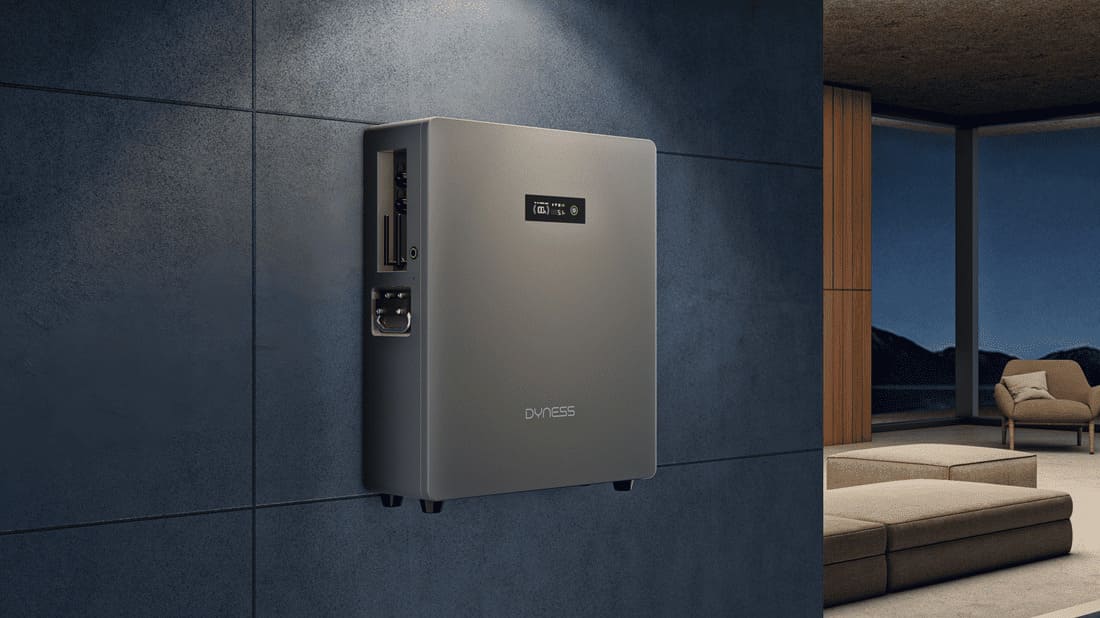
Dyness home battery expansion usually depends on the product platform. Low-voltage systems and high-voltage systems use different electrical architectures, so the expansion method is not the same.
| Expansion Type | How It Works | Typical Dyness Product Direction |
|---|---|---|
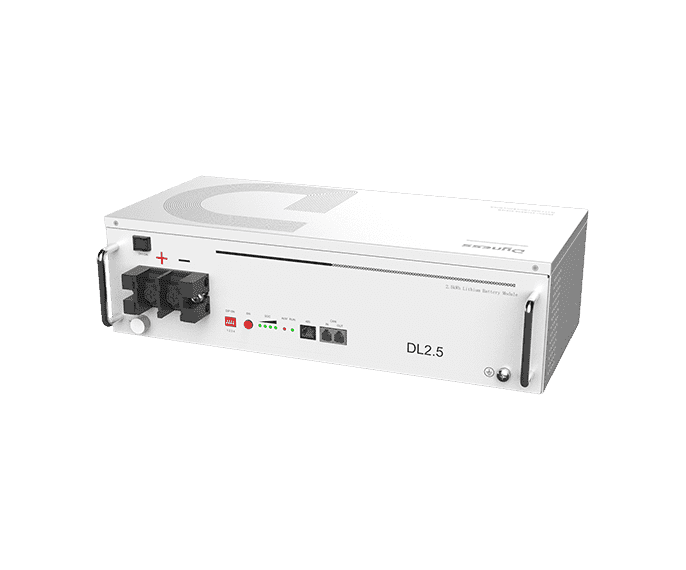
| Low-voltage parallel expansion | Additional low-voltage batteries are connected in parallel to increase total usable capacity within approved configuration limits. | DL5.0C, DL5.0C Pro, PowerBox G2, PowerBrick, or other suitable low-voltage residential platforms depending on model availability and compatibility. |
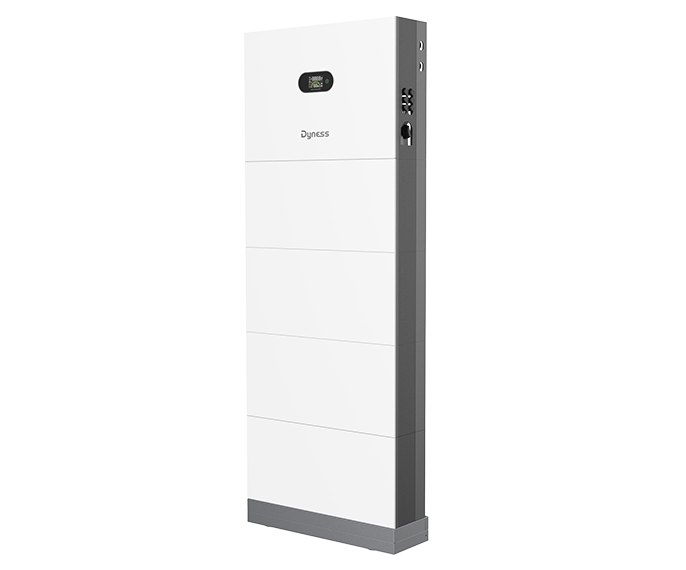
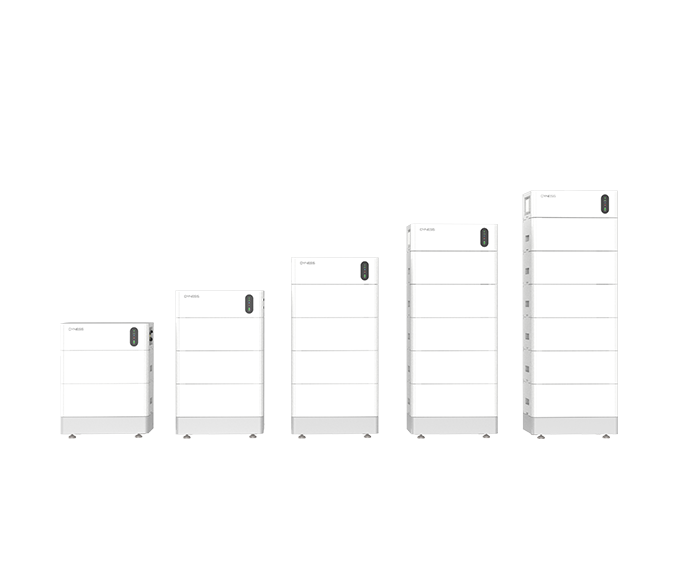
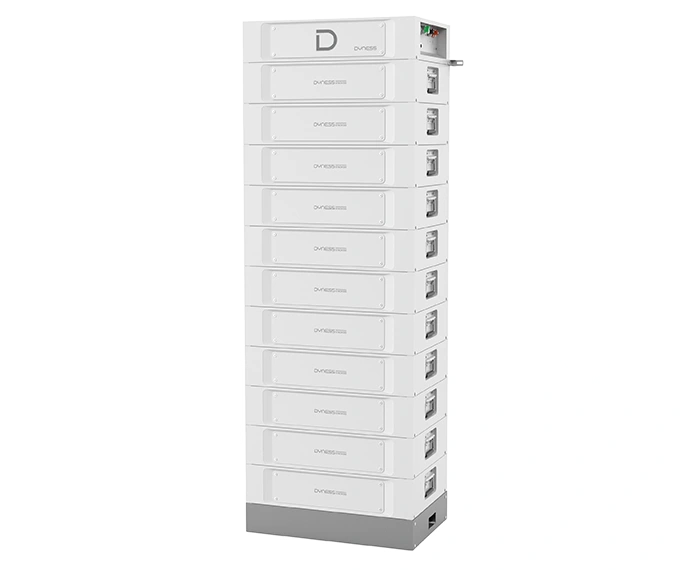
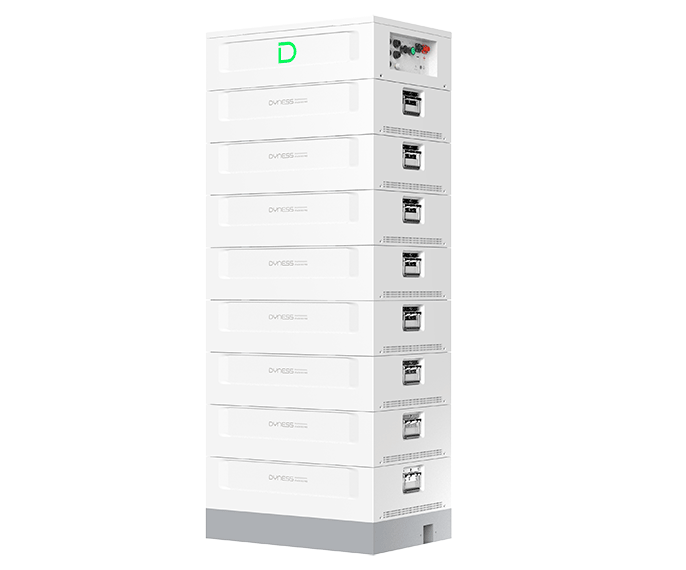
| High-voltage modular stacking | Battery modules are stacked to build a high-voltage battery cluster according to approved system configuration rules. | Tower Series, Tower Pro, STACK100 Pro, or other modular high-voltage platforms depending on project requirements. |
| Multi-cluster expansion | For larger residential or light commercial needs, multiple approved battery clusters may be configured where supported by product design and inverter capability. | Larger modular platforms such as STACK100 Pro, subject to official configuration limits and professional assessment. |
The correct expansion method should always follow the specific Dyness product manual, inverter compatibility list, BMS communication requirements, and local installation standards.
How to Upgrade a Dyness Battery System Step by Step
Battery expansion should be planned as a system upgrade, not just a hardware purchase. Before adding more capacity, users and installers should confirm whether the existing system can safely support the upgrade.
| Upgrade Step | What to Confirm |
|---|---|
| Check the existing battery model | Confirm the exact Dyness model, voltage platform, capacity, firmware version, and approved expansion method. |
| Review battery age and health | Older batteries may have different internal resistance, usable capacity, and charging behavior compared with new batteries. |
| Confirm inverter compatibility | The inverter must support the expanded battery capacity, voltage range, communication protocol, charging power, and discharge power. |
| Check installation space | There should be enough room for additional batteries or modules, ventilation, cable routing, maintenance access, and safety clearance. |
| Complete professional installation | The installer should complete wiring, communication settings, system configuration, safety checks, and monitoring setup according to official guidance. |
After expansion, the system should be tested for charging, discharging, communication stability, SOC synchronization, inverter recognition, and monitoring data accuracy before normal operation.
Common Mistakes When Expanding Home Battery Capacity
Myth 1: Any battery from the same brand can be added directly.
Not necessarily. Even batteries from the same brand may belong to different voltage platforms, product generations, BMS logic, or communication protocols. Expansion should use approved Dyness product combinations.
Myth 2: Old and new batteries always work together without evaluation.
Battery age matters. If the existing battery system has been operating for a long time, new batteries may behave differently from older ones. A technical evaluation is recommended before adding new capacity.
Myth 3: More battery capacity always means better performance.
A larger battery only creates value if the home has enough solar surplus, evening demand, or backup requirements to use the added capacity. Oversizing can increase cost without improving daily benefit.
Myth 4: The inverter limit can be ignored.
The inverter determines important limits such as supported battery voltage, maximum charge power, discharge power, backup capability, and communication protocol. If the inverter cannot support the expanded system, the additional capacity may not perform as expected.
Myth 5: Expansion does not affect warranty or compliance.
Battery expansion should follow official product documentation and local electrical requirements. Unsupported modifications may affect warranty conditions, safety, and system approval.
Final Takeaway
Many Dyness home energy storage products support flexible battery capacity expansion, but the correct upgrade path depends on the product platform and system configuration.
Low-voltage systems may expand through approved parallel battery connections, while high-voltage systems usually expand through modular stacking or cluster configuration. The goal is to increase usable battery capacity, improve solar self-consumption, extend backup time, and prepare for future household energy growth.
Before upgrading, users should confirm battery model, battery health, inverter compatibility, BMS communication, installation space, warranty requirements, and local regulations.
The safest and most effective approach is to plan expansion from the first installation, choose a scalable Dyness platform, and complete any future upgrade through qualified installers according to official technical documentation.
FAQ
-
Q: Can Dyness home batteries be expanded later?

A: Many Dyness home energy storage products are designed to support future expansion, but the specific expansion method depends on the battery model, voltage platform, inverter compatibility, BMS communication, system age, and approved configuration limits.
-
Q: How do low-voltage Dyness batteries expand capacity?
A: Low-voltage Dyness battery systems typically expand by connecting additional approved battery units in parallel. This increases total usable capacity while keeping the system within the low-voltage platform.
-
Q: How do high-voltage Dyness batteries expand capacity?
A: High-voltage Dyness systems usually expand through modular stacking or approved cluster configurations. The number of modules or clusters must follow official Dyness configuration rules and inverter compatibility requirements.
Learn More