
























What Is the Ideal Capacity for a Balcony Energy Storage System?


Get notified about new updates, products, tips and tutorials. No spam.
The ideal capacity for a balcony energy storage system is not simply the largest available battery size. It should be selected based on how much solar energy your balcony PV system generates, how much electricity your home consumes during the day, and how much power you need in the evening or at night. If the battery is too small, surplus solar energy may not be fully stored.
If it is too large, part of the capacity may remain unused for long periods. A well-sized balcony battery should match your daily solar generation, household base load, evening electricity demand, available installation space, and future expansion needs.

Why Balcony Battery Capacity Should Match Real Energy Use
The main role of a balcony energy storage system is to store surplus solar energy generated during the day and make it available later when solar production decreases, such as in the evening or at night.
This means battery capacity should not be selected only by looking at the largest number of kilowatt-hours. The better question is: how much surplus balcony solar power can your home actually produce and use later?
If the battery capacity is too small, part of the daytime solar surplus may not be stored. If the battery is oversized, it may not be fully charged on many days because the balcony PV system does not generate enough excess energy.
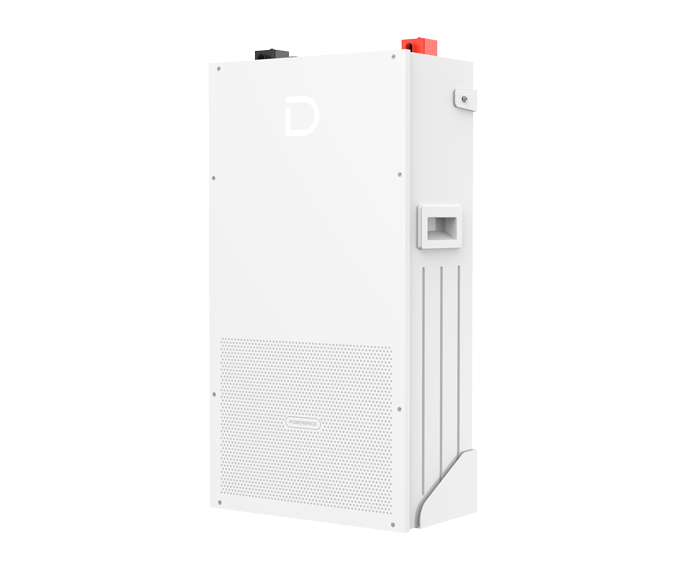
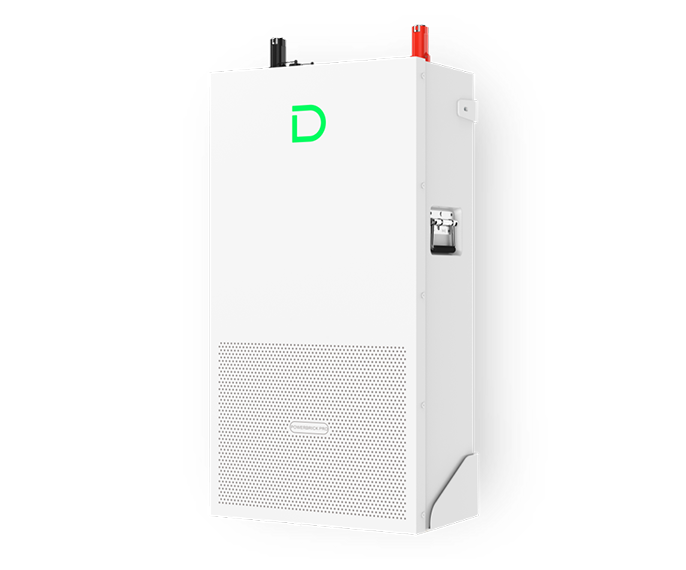
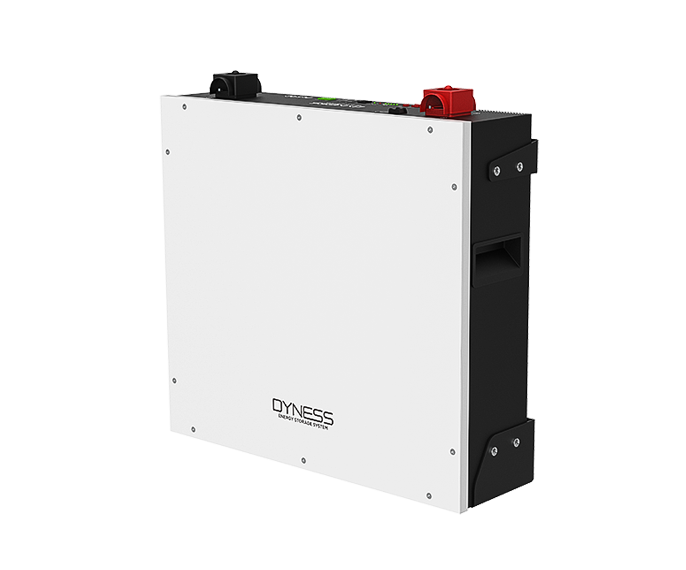
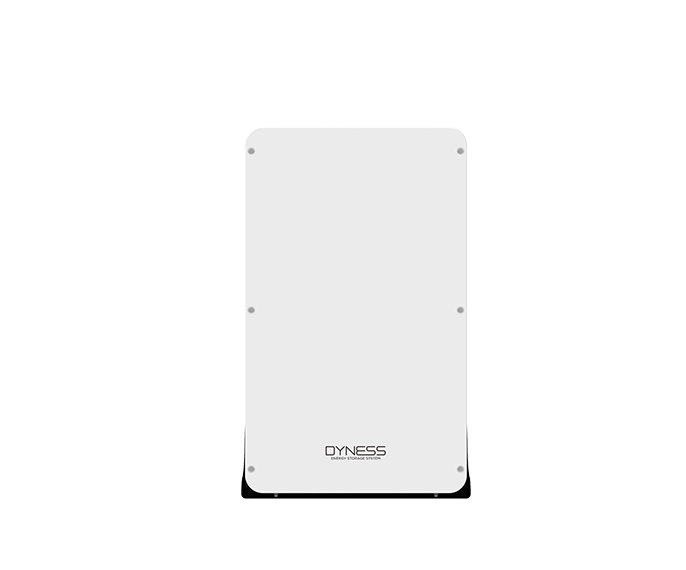
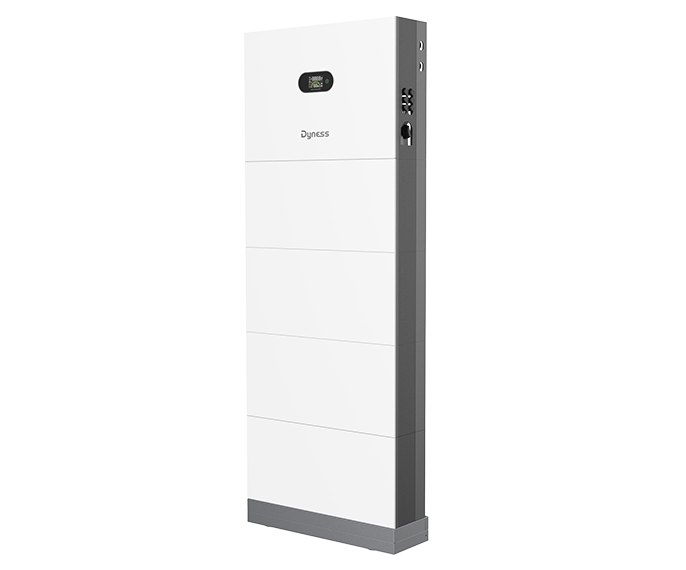
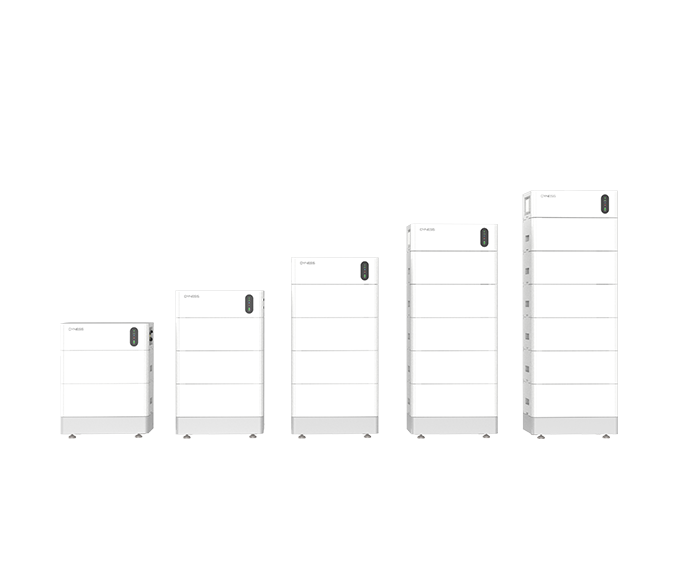
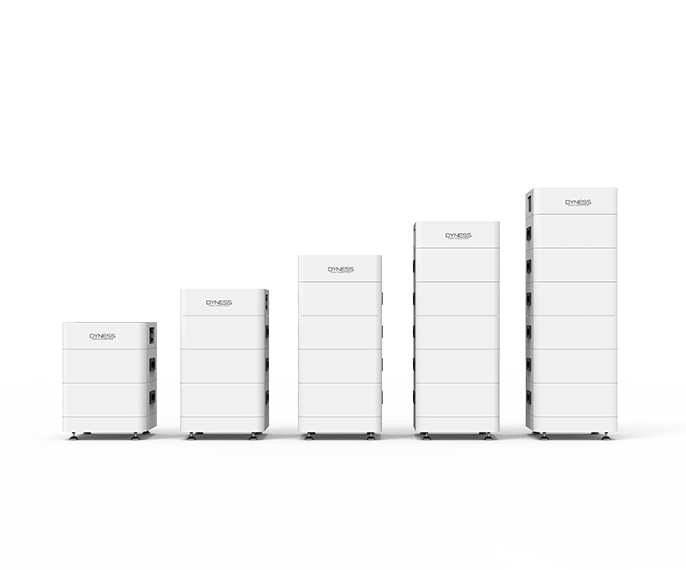
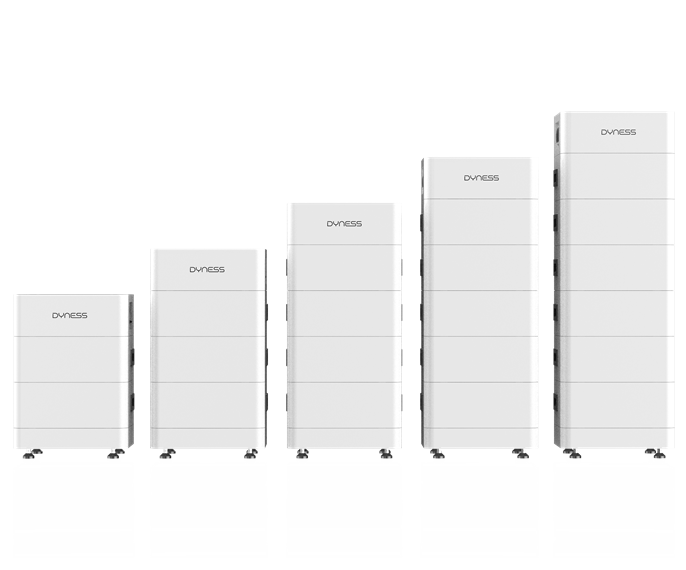
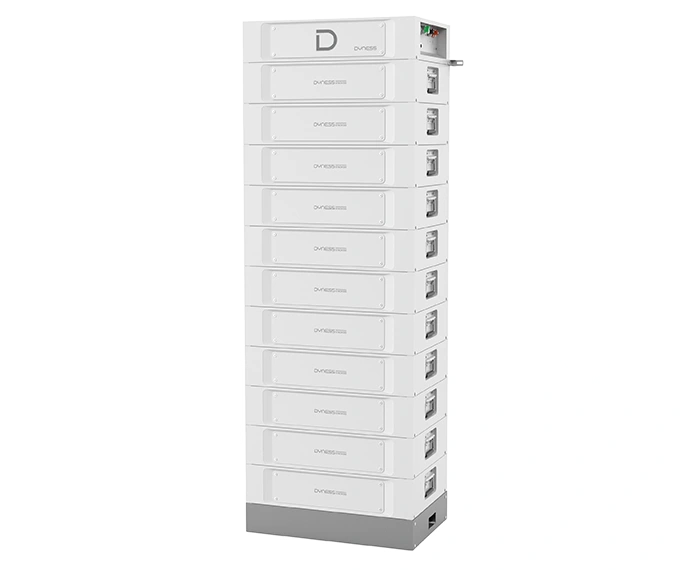
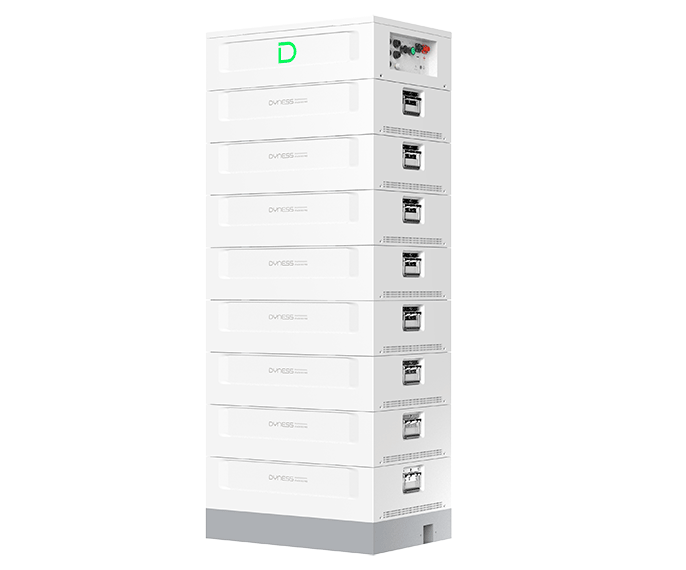
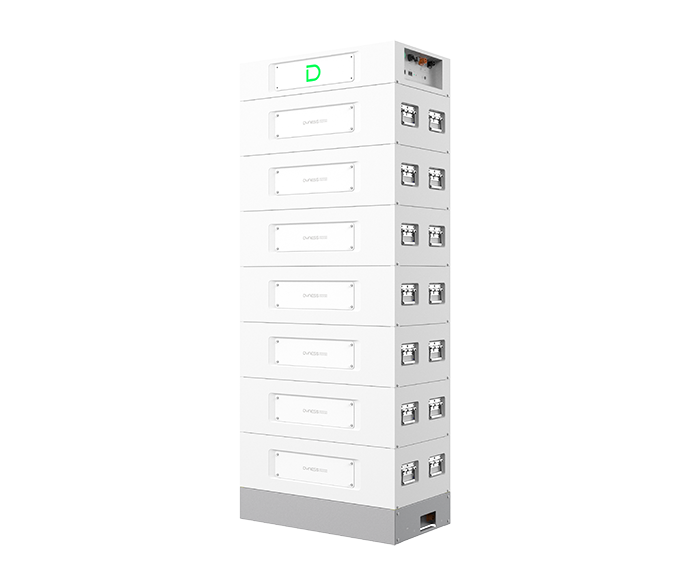
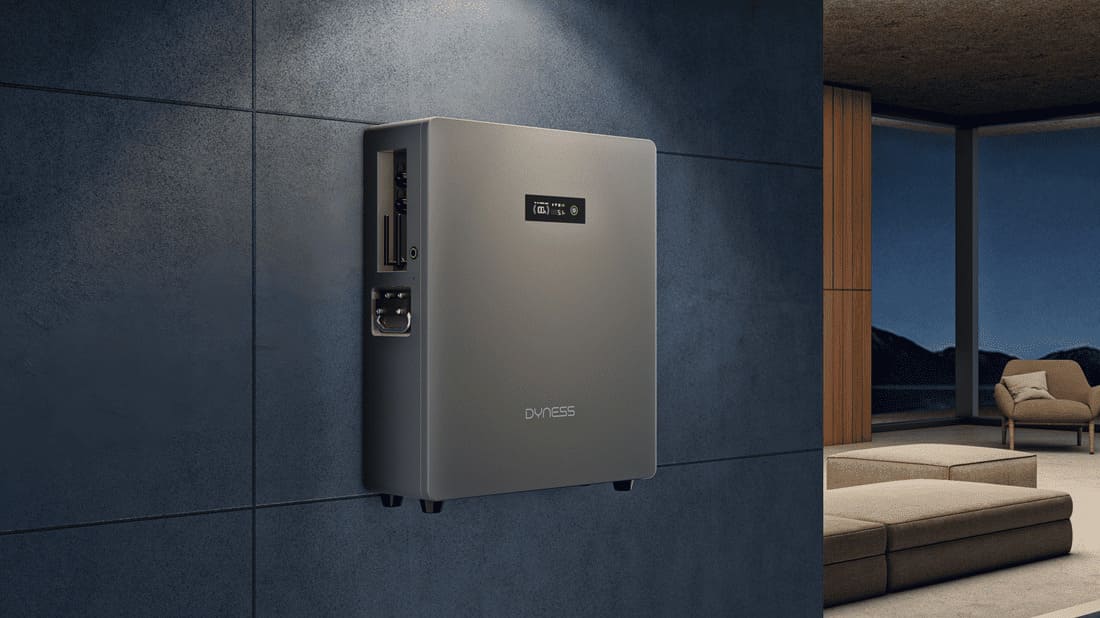
AquaVolt, as a plug-in all-in-one ESS, is designed for users who want a simple and integrated balcony storage experience. SolarCube 2, as a plug-in stackable ESS, supports modular capacity expansion, allowing users to increase storage capacity gradually as energy needs change.

Key Factors That Decide the Ideal Capacity
The ideal balcony battery capacity depends on the relationship between solar generation, household consumption, and evening energy use. Users should evaluate several practical factors before choosing a system.
| Key Factor | Why It Matters |
|---|---|
| Balcony PV capacity | Higher PV generation can create more surplus energy that may be stored for later use. |
| Daytime household consumption | If the home uses less electricity during the day, more solar power may be available for battery charging. |
| Evening electricity demand | The higher the evening or nighttime demand, the more value stored solar energy can provide. |
| Household lifestyle | Homes where people are away during the day and return in the evening often benefit more from storage. |
| Capacity expansion support | Modular systems allow users to start with a practical capacity and expand later if energy demand grows. |
For most households, the goal is not to maximize battery size, but to maximize useful stored energy. A battery that is charged and discharged regularly within a practical range usually delivers better daily value than an oversized battery that remains underused.
How to Estimate the Right Balcony Storage Capacity
A practical way to estimate balcony battery capacity is to compare three numbers: daytime solar surplus, evening electricity demand, and the usable battery capacity available for daily operation.
Step 1: Estimate your average daily balcony solar generation.
Check how much electricity your balcony PV system typically produces on a normal sunny day. This gives you the starting point for how much energy may be available.
Step 2: Subtract daytime household consumption.
Some solar power is used immediately by household base loads such as refrigerators, routers, standby devices, or home office equipment. Only the remaining surplus can be stored.
Step 3: Compare the surplus with evening demand.
If your evening demand is higher than your available surplus, the battery does not need to be much larger than the energy you can realistically store. If your surplus is high and evening use is also high, a larger or expandable system may be more suitable.
| Household Profile | Capacity Logic |
|---|---|
| Low solar surplus and low evening demand | A smaller balcony battery may be enough. Oversizing may reduce cost-effectiveness. |
| Moderate solar surplus and regular evening use | A balanced capacity can help improve solar self-consumption and reduce grid purchases. |
| High solar surplus and high nighttime consumption | A larger or modular expandable system may provide more value over time. |
| Uncertain future energy demand | A stackable or expandable solution can help users avoid overinvesting from the beginning. |
Users should also consider local plug-in limits, product specifications, installation location, electricity tariffs, and whether the system supports capacity expansion.
Common Misunderstandings About Balcony Battery Sizing
Myth 1: The larger the battery capacity, the more money it saves.
Not always. A large battery cannot create savings if there is not enough surplus solar power to charge it or enough evening demand to use the stored energy. Oversizing can increase cost without improving daily value.
Myth 2: The smallest battery is always the most cost-effective.
If the battery is too small, it may fill up quickly and leave additional daytime solar surplus unused. This can reduce solar self-consumption and limit the value of the balcony PV system.
Myth 3: If another household uses 5 kWh, I should use 5 kWh too.
There is no universal capacity standard. Two homes with the same balcony PV size may have very different electricity habits, daytime base loads, evening demand, and tariff conditions.
Myth 4: The final capacity must be purchased all at once.
Not necessarily. If the product supports modular expansion, users can start with a suitable capacity and add more later as electricity demand grows or usage patterns become clearer.
Final Takeaway
The ideal capacity for a balcony energy storage system is not the largest possible capacity, but the most suitable capacity for the household’s real energy pattern.
A well-sized system should match balcony PV generation, daytime surplus, evening electricity demand, household lifestyle, installation space, and future expansion plans.
If your home produces meaningful surplus solar power during the day and uses more electricity in the evening, a balcony energy storage system such as AquaVolt or SolarCube 2 can help improve solar self-consumption and reduce reliance on grid electricity.
For users whose needs may grow over time, a modular and expandable storage solution can provide a more flexible path than purchasing the maximum capacity from the beginning.
FAQ
-
Q: Is a larger balcony battery always a better choice?

A: Not necessarily. The ideal battery capacity should match both the amount of surplus solar energy generated during the day and the household’s evening electricity demand. Oversizing the battery does not always improve savings or performance.
-
Q: How can I determine the right balcony battery capacity for my home?
A: Start by estimating daily balcony solar generation, daytime household consumption, base load, and typical evening electricity use. The right capacity should store a useful share of surplus solar power without remaining unused for long periods.
-
Q: What happens if the balcony battery capacity is too small?
A: If the battery capacity is too small, it may fill up quickly and fail to store all available surplus solar energy during the day. This can reduce solar self-consumption and limit the value of the balcony PV system.
Learn More