
























How to Choose the Right Dyness Battery Capacity Based on Home Electricity Needs


Get notified about new updates, products, tips and tutorials. No spam.
Choosing the right home battery capacity is not only about selecting a certain number of kilowatt-hours. It is about matching the battery system with your real electricity habits, solar generation, backup expectations, installation space, and future energy growth.
Dyness provides different home energy storage options for compact homes, ordinary households, and high-load residential scenarios. The best choice should start from today’s electricity needs while leaving enough flexibility for future loads such as EV chargers, heat pumps, air conditioning, or larger solar systems.

Battery Sizing Is About More Than kWh
Many users begin battery selection by asking one question: how many kilowatt-hours do I need? This is important, but it is not the whole answer.
A home battery system should be sized according to how the household uses electricity, when solar power is generated, which appliances need backup, and whether future loads may increase. A system that looks large enough today may become limited if the home later adds an EV charger, heat pump, or more powerful appliances.
At the same time, choosing the largest possible battery is not always the best decision. Oversizing can increase upfront cost without improving practical value if the extra capacity is rarely used.
The better approach is to choose a system that matches current energy needs, supports the right power output, fits the installation space, and allows future expansion where needed.
Three Questions to Ask Before Choosing Battery Capacity
Before selecting a Dyness battery system, users should look beyond house type and focus on three practical questions: what is the energy goal, what loads need to be supported, and where can the system be installed?
| Sizing Question | Why It Matters |
|---|---|
| What is your main energy goal? | A system designed for electricity bill savings may be sized differently from one designed for long backup duration. |
| Which loads need support? | Basic loads such as lighting and refrigerators require less power than heat pumps, air conditioning, or EV charging. |
| What installation space is available? | Wall-mounted, floor-standing, and stackable systems fit different homes, garages, utility rooms, and outdoor spaces. |
These three questions help users avoid choosing capacity only by house size. A compact home with high evening electricity demand may need more storage than a larger home with low and stable consumption.
Key Factors That Decide the Right Battery Size
Battery capacity should be matched with real energy behavior. The most important factors include solar surplus, critical backup loads, power demand, usable capacity, and inverter matching.
| Sizing Factor | How to Think About It |
|---|---|
| Solar surplus matching | If the home regularly has surplus PV generation during the day, battery capacity should be sized to store a practical share of that excess energy. |
| Critical load support | If backup is the priority, estimate how many hours essential loads such as refrigerators, lights, routers, and home office devices need to run. |
| Power demand | Homes with heat pumps, large air-conditioning systems, or other high-power equipment may need stronger power output, not only more capacity. |
| Usable capacity and DoD | Battery sizing should consider usable energy, depth of discharge, and a practical reserve for cloudy days or unexpected outages. |
| Inverter power matching | The battery system should match inverter output and discharge capability so that high-power loads can start and run properly. |
For example, if a household wants to support around 1 kW of essential loads during an outage, a 10 kWh battery configuration can provide a meaningful backup reserve in many scenarios. However, if the home wants to run high-power appliances, the same capacity may be used much faster.
For accurate sizing, users should check actual appliance power ratings, daily load profile, solar generation data, inverter capability, and official Dyness product specifications.

Matching Dyness Product Directions to Home Scenarios
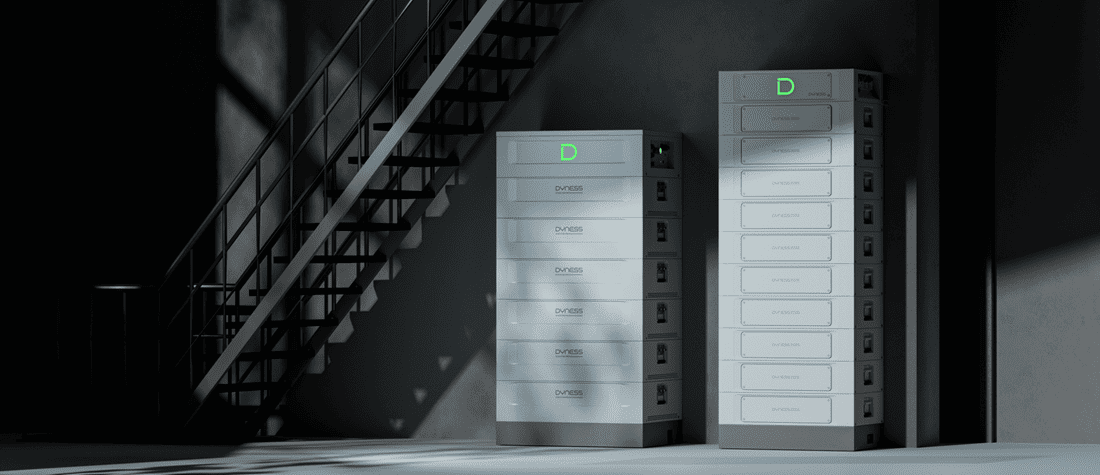
Dyness offers different product directions for different home energy stages. The right product should be selected according to available space, required capacity, power demand, and expansion needs.
| Home Scenario | Recommended Dyness Direction | Why It Fits |
|---|---|---|
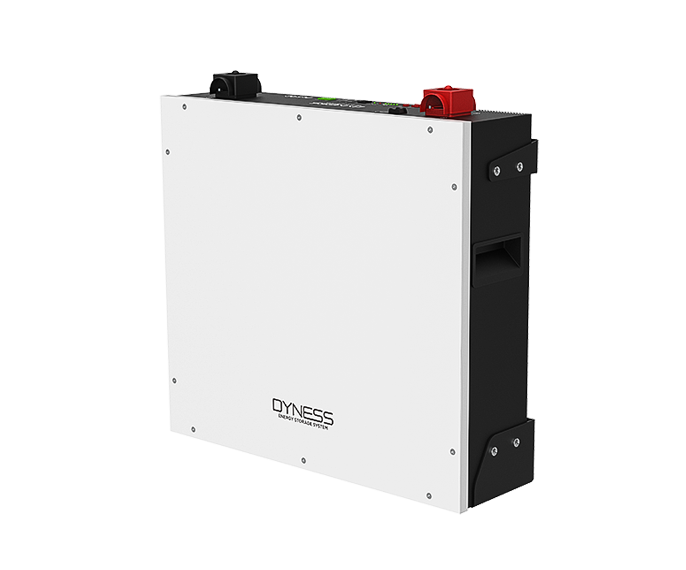
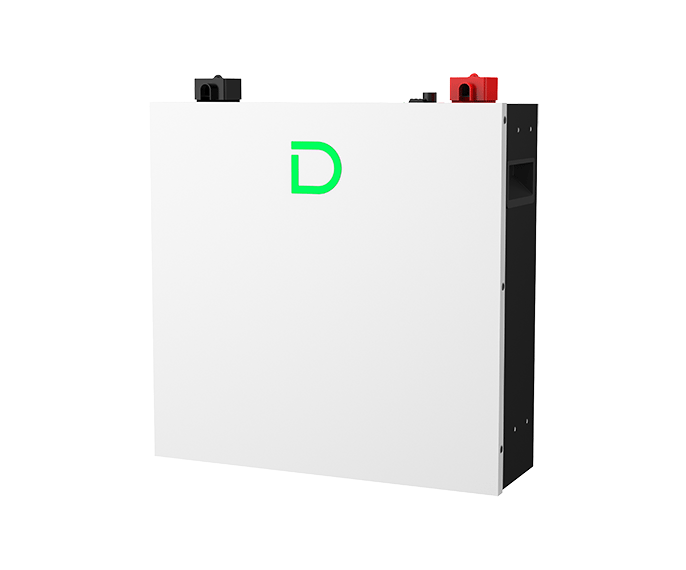
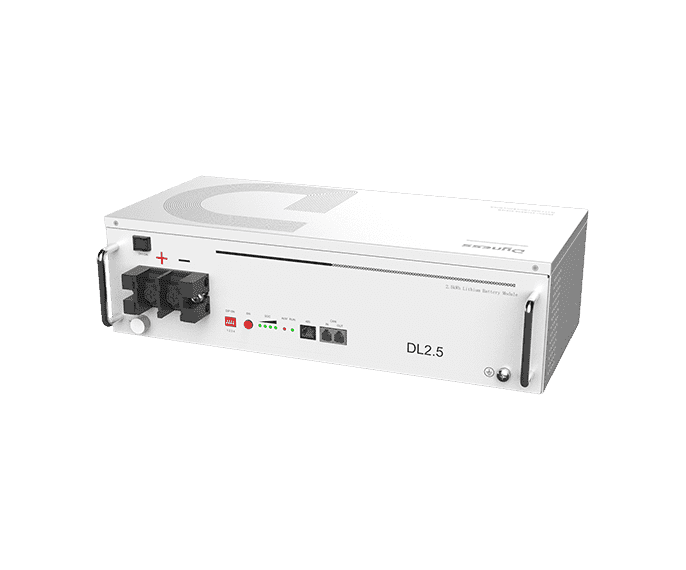
| Compact homes or limited installation space | DL5.0C or other compact low-voltage battery options, depending on local availability and compatibility. | Suitable for wall-mounted or space-conscious installations where users need a practical starting capacity. |
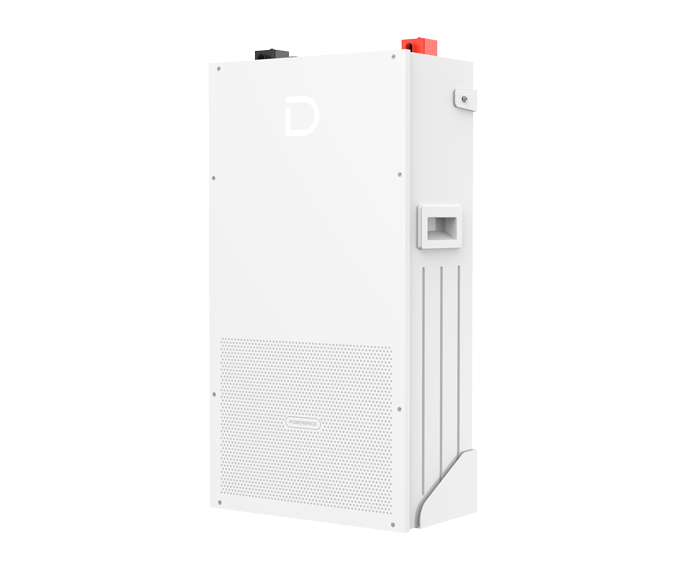
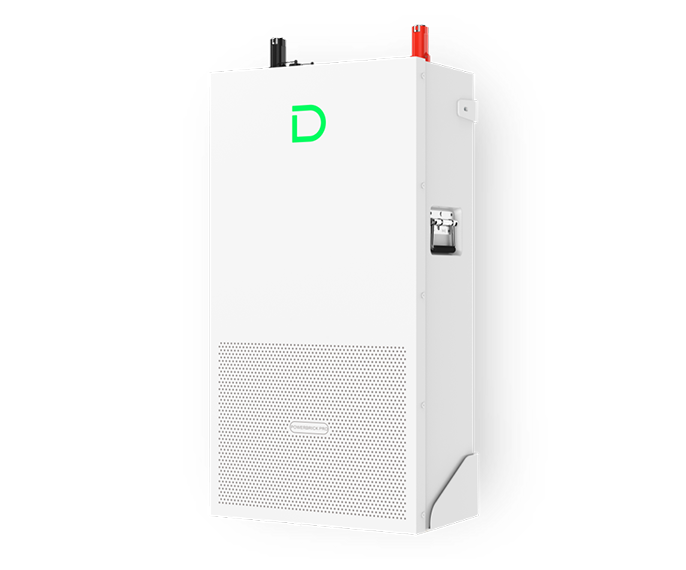
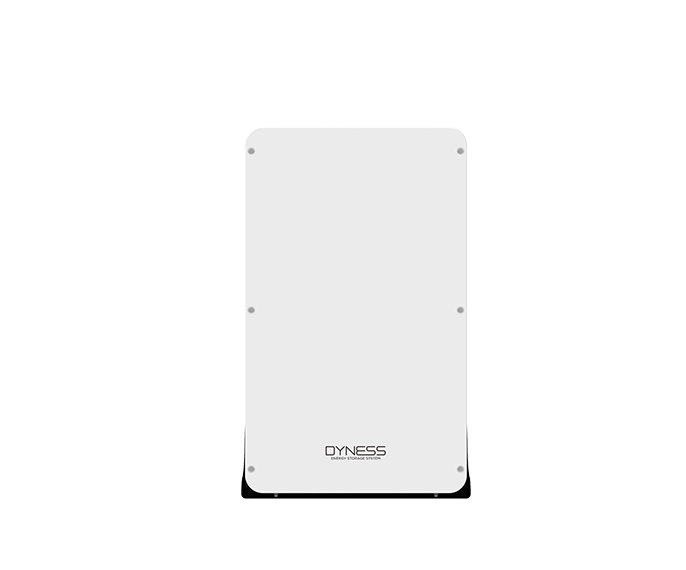
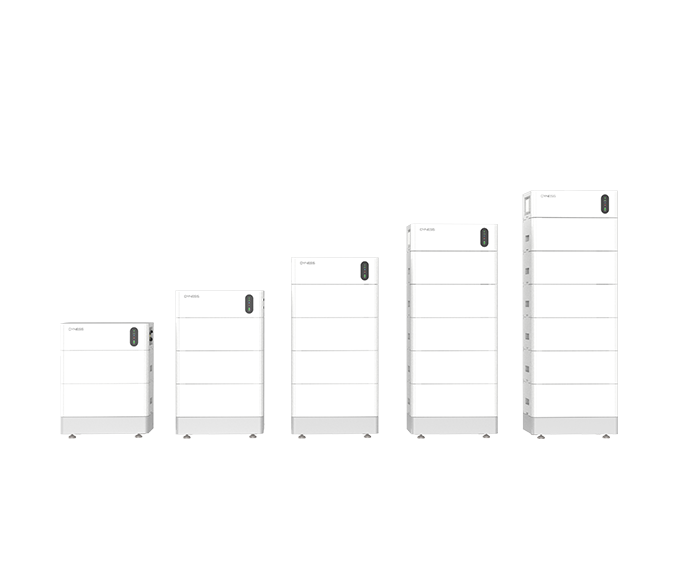
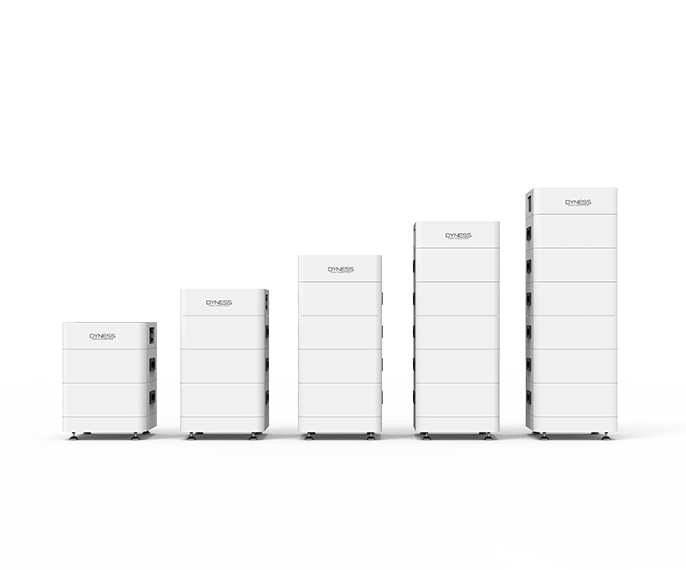
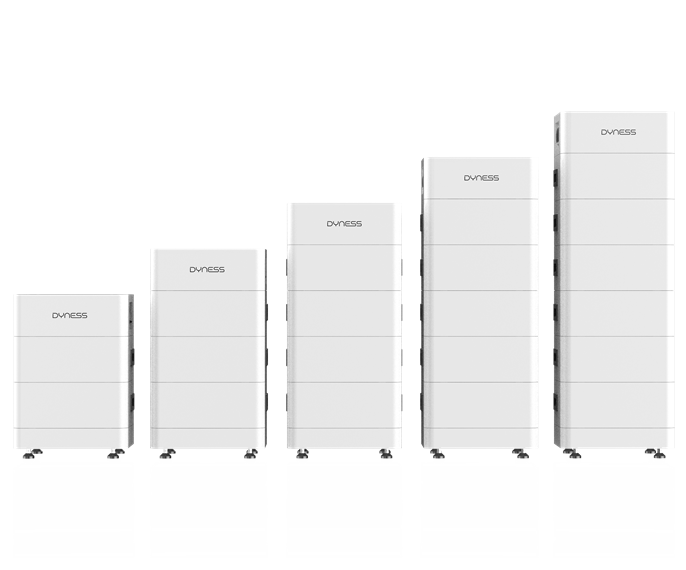
| Ordinary households with solar self-consumption and backup needs | PowerBox G2 or PowerBrick Plus, depending on project design, inverter compatibility, and installation conditions. | Helps balance daily solar storage, essential backup, and future capacity expansion. |
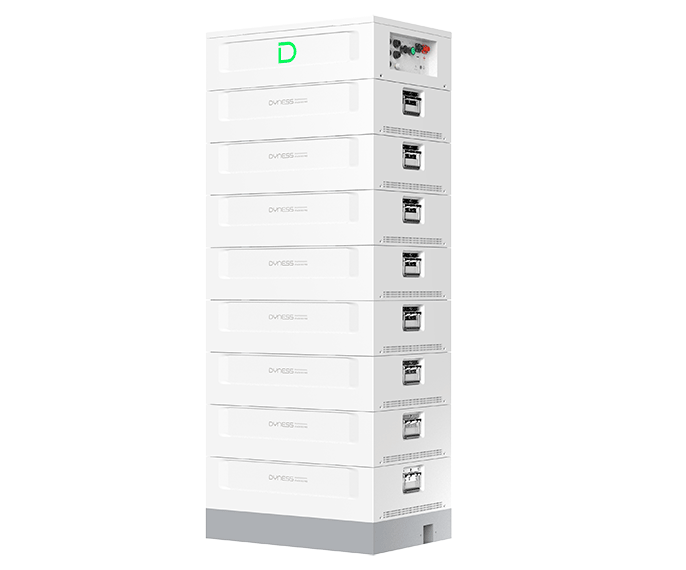
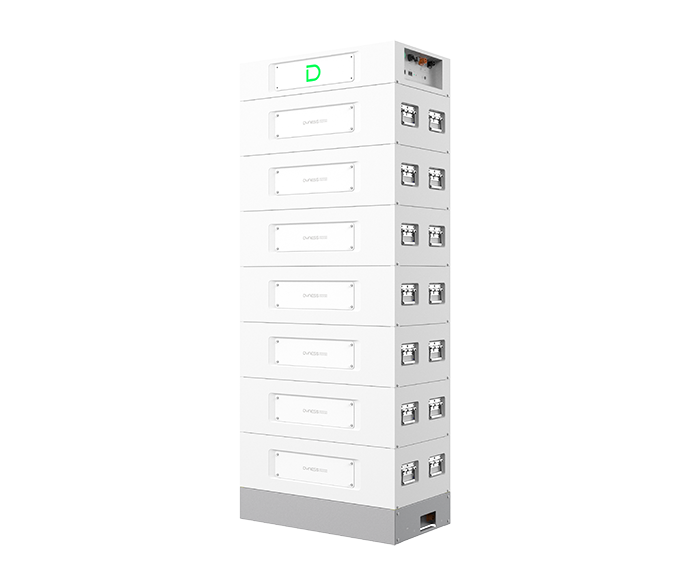
| Homes planning future EV chargers or heat pumps | Expandable residential storage platforms such as PowerBrick Plus or Tower Series, based on required power and capacity. | Allows users to start with current needs and reserve room for future energy growth. |
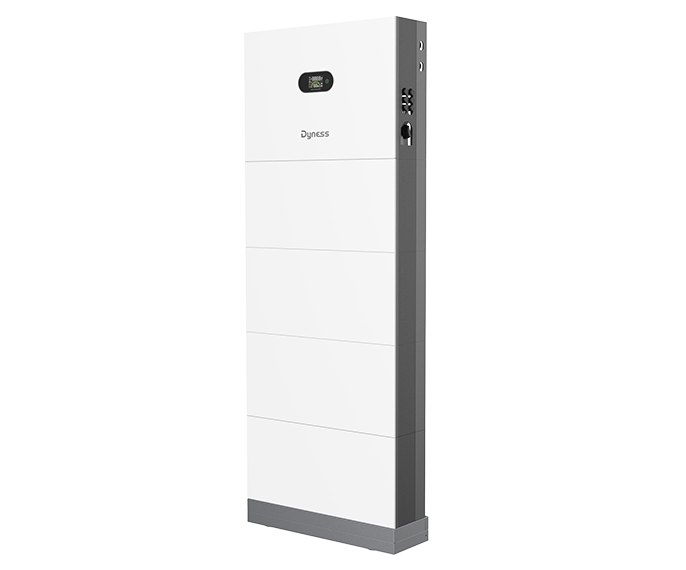
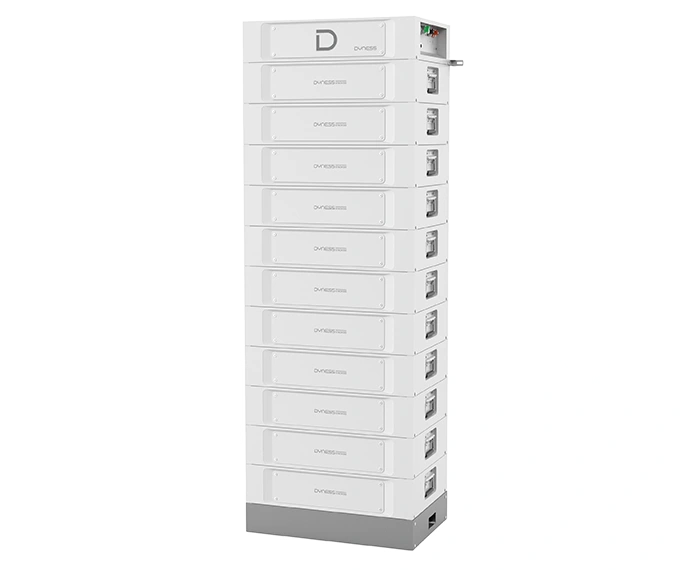
| High-load villas or larger residential systems | Tower Series or other high-performance stackable solutions, subject to system design and inverter matching. | Better suited for higher power demand, larger solar systems, and more advanced household energy scheduling. |
This product direction table should be used as a selection reference, not as a final configuration. Actual battery capacity and model selection should be confirmed according to the latest Dyness datasheets, inverter compatibility lists, local regulations, and professional installer evaluation.
Final Takeaway
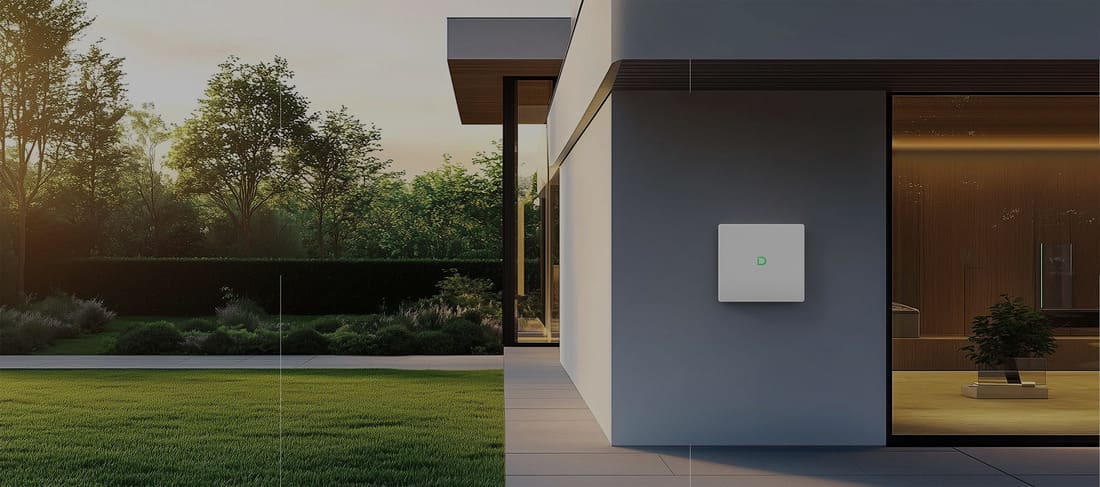
Choosing the right Dyness battery capacity means setting the foundation for long-term home energy management. The most scientific approach is to start from current electricity use, then leave reasonable room for future load growth.
For compact homes, a space-saving battery direction may be more practical. For ordinary households, a scalable system can help balance solar self-consumption, backup needs, and future expansion. For high-load homes or villas, stronger power output and higher-capacity platforms may be more suitable.
The best Dyness system is not simply the largest one. It is the one that matches your real electricity profile, solar generation, backup expectations, installation space, inverter compatibility, and future energy plans.
FAQ
-
Q: Why is Dyness STACK100 more suitable for villas or high-load homes?

A: Dyness STACK100 can be suitable for villas or high-load homes because these scenarios often require stronger power support, larger capacity planning, and more advanced energy scheduling. Homes with heat pumps, EV chargers, swimming pools, or large HVAC systems may need a more powerful and scalable energy storage platform.
-
Q: Which Dyness battery is suitable if my installation space is very limited?
A: For homes with limited installation space, a compact battery direction such as DL5.0C can be considered, depending on local availability, inverter compatibility, and installation rules. Its slim and wall-mounted design can make it suitable for garages, utility rooms, or space-conscious residential installations.
-
Q: How should I choose a Dyness battery if I plan to add a heat pump in the future?
A: If you plan to add a heat pump, EV charger, or other high-power equipment, you should consider not only battery capacity but also power output and scalability. Tower Series or other expandable Dyness platforms may be more suitable for high-load homes, depending on system design and inverter matching.
Learn More