
























Is Home Energy Storage Suitable for Apartments, Villas, and Ordinary Homes?


Get notified about new updates, products, tips and tutorials. No spam.
Whether home energy storage is suitable for you depends less on your house type and more on how much control you want over your electricity use, energy costs, backup power, and future energy demand.
For apartment users, ordinary households, and villa owners, the right Dyness solution should match installation space, daily electricity use, solar system size, backup expectations, and future loads such as EV chargers or heat pumps. Home energy storage is not just a battery purchase; it is a long-term energy strategy for the next stage of household electricity use.

Home Energy Storage Is a Long-Term Energy Strategy
For most households, energy storage is not a short-term appliance. It is a long-term energy decision that can influence how the home uses solar power, responds to outages, manages electricity bills, and prepares for future electricity demand.
This means the first question should not simply be whether you live in an apartment, a small villa, or an ordinary family home. The more important question is what role you want energy storage to play in your daily life.
Some users want to reduce electricity costs by increasing solar self-consumption. Some want backup power for refrigerators, internet routers, home office equipment, or essential lighting. Others are preparing for future loads such as EV charging, heat pumps, air conditioning, or larger household appliances.
Once users start caring about electricity cost control, power continuity, and future energy flexibility, they are already entering the decision stage for home energy storage.
Choose by Energy Stage, Not Only by House Type
A home energy storage system should be selected according to the user’s energy stage. House type matters because it affects installation space and load structure, but it should not be the only decision factor.
| Decision Factor | What It Means for Product Selection |
|---|---|
| Energy bill management | Users who want to reduce grid electricity purchases should consider storage that improves solar self-consumption and time-based energy use. |
| Power continuity | Users who care about outages should define critical loads, backup duration, and inverter backup capability before choosing a system. |
| Future growth adaptability | Homes planning EV charging, heat pumps, or larger appliances should choose a scalable system instead of a fixed-capacity solution. |
| Installation constraints | Apartments may need compact and installation-friendly systems, while villas or larger homes may require higher capacity and stronger power support. |
In practical terms, users should choose a battery system based on electricity behavior, not only floor area. A small home with high evening electricity use may need storage more urgently than a large home with low and stable demand.

Which Dyness Product Direction Fits Different Homes?
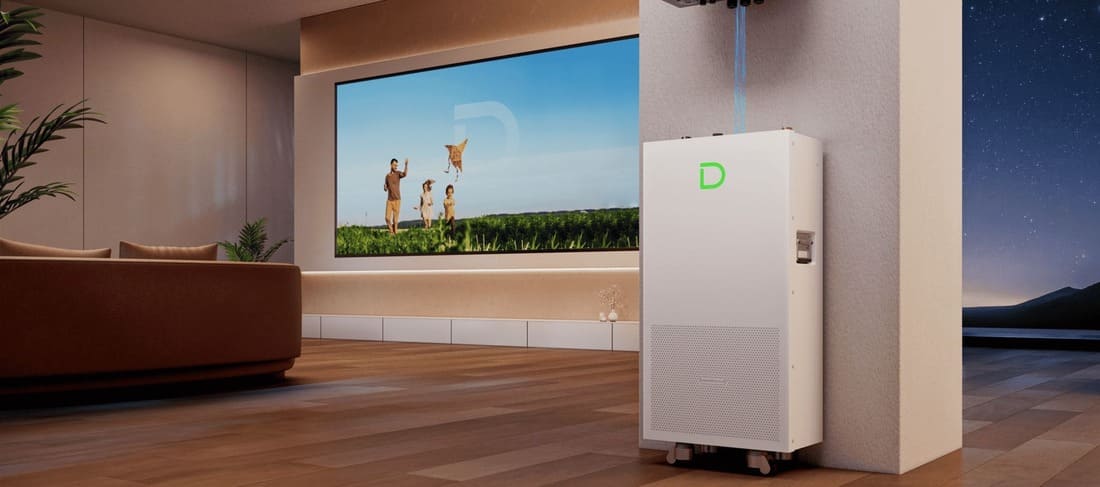
Different housing conditions require different energy storage strategies. The right choice should balance safety, installation space, capacity, power demand, backup expectations, and future expansion.
| Home Type | Typical Energy Need | Recommended Dyness Direction |
|---|---|---|
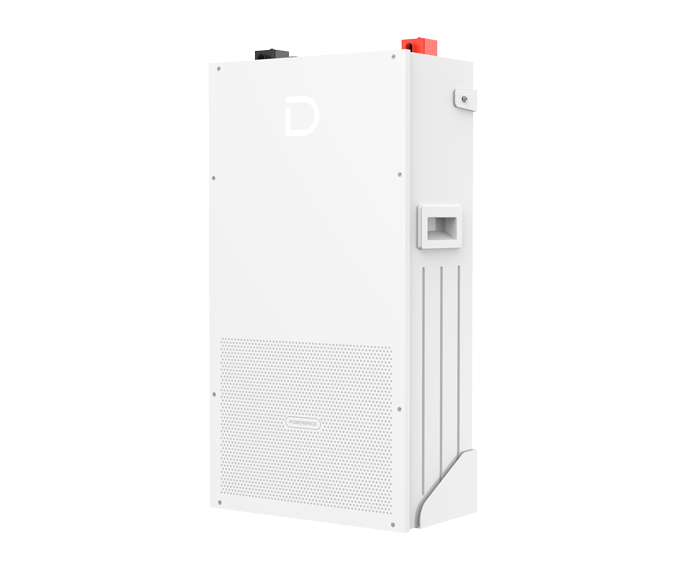
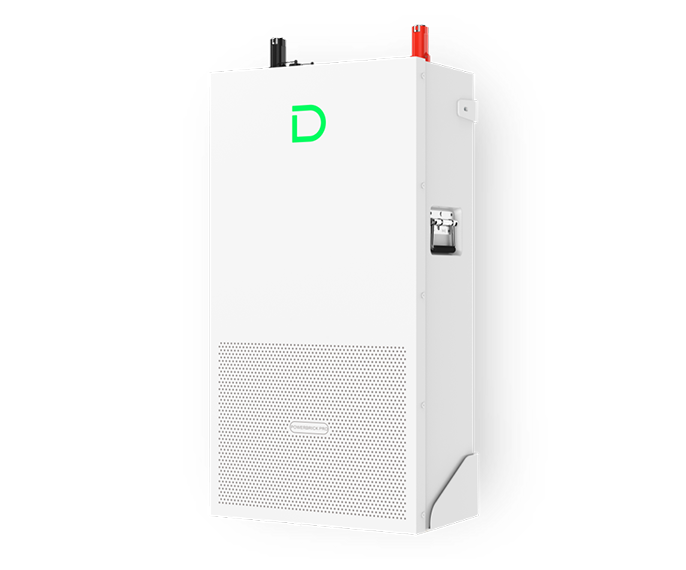
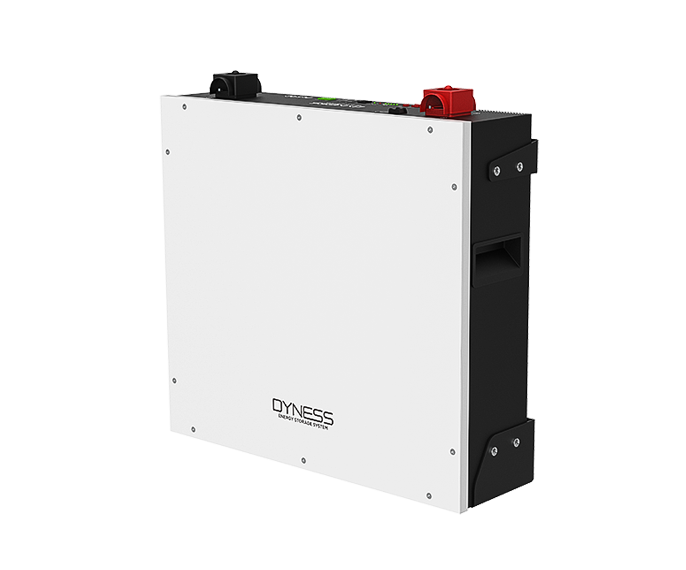
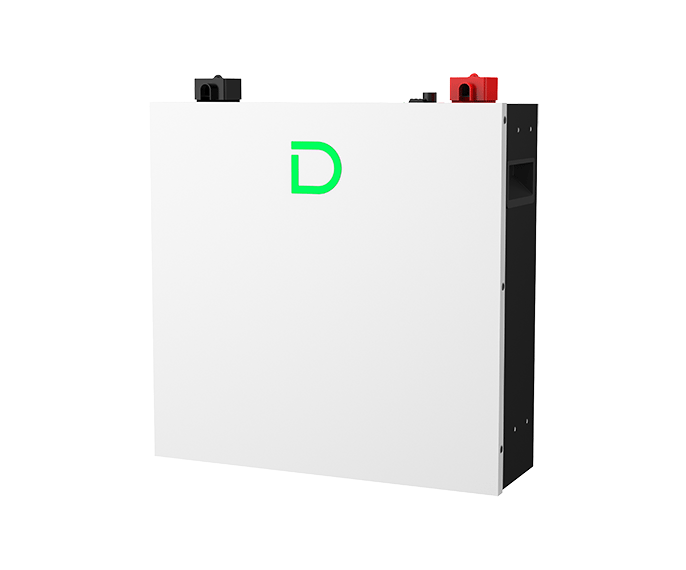
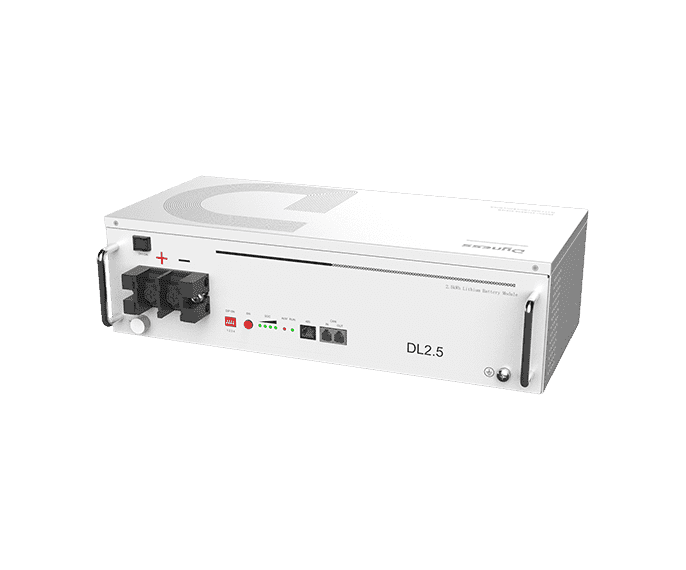
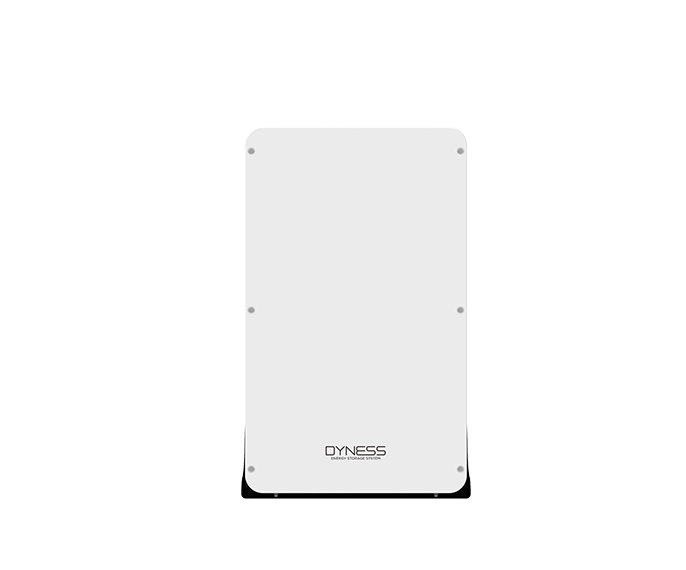
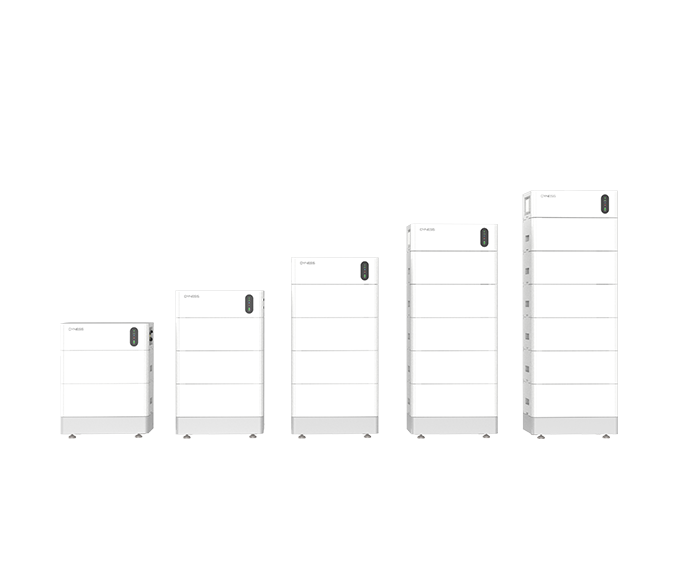
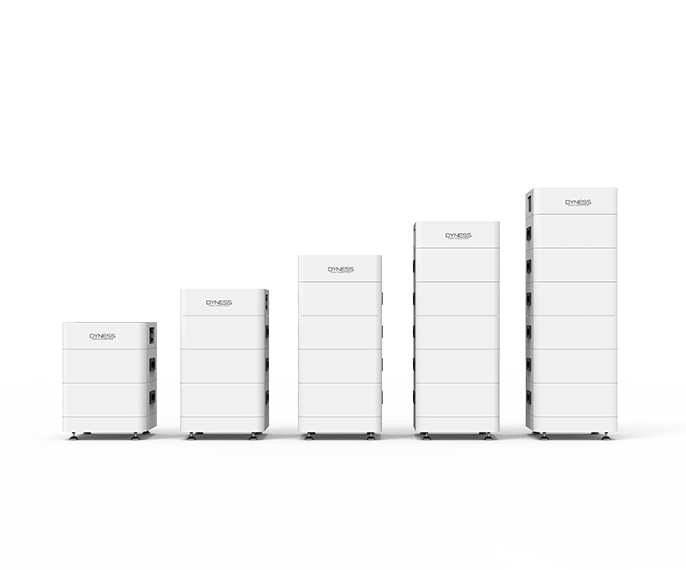
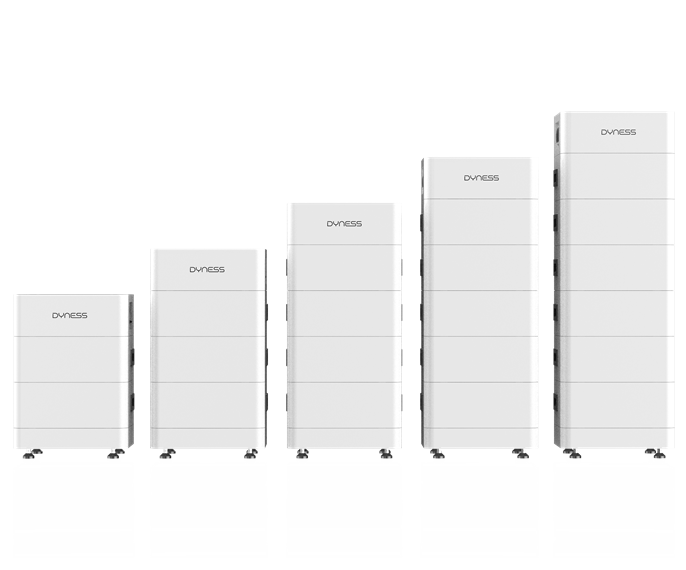
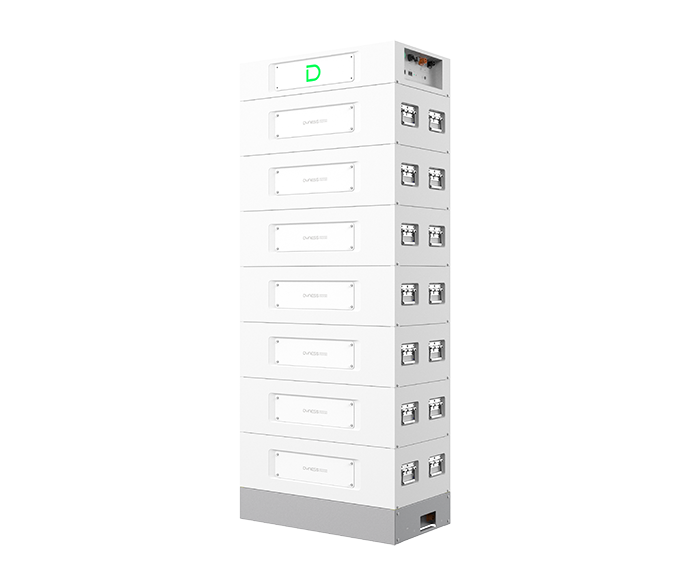
| Apartment or compact home | Limited installation space, basic self-consumption, lower daily load, and simple energy management. | A compact and installation-friendly low-voltage battery direction, such as PowerBrick Plus depending on local installation rules and system compatibility. |
| Ordinary family home | Solar self-consumption, electricity bill optimization, partial backup, and possible future load growth. | A scalable residential storage system that can start with a reasonable capacity and expand later if EV charging, heat pumps, or higher loads are added. |
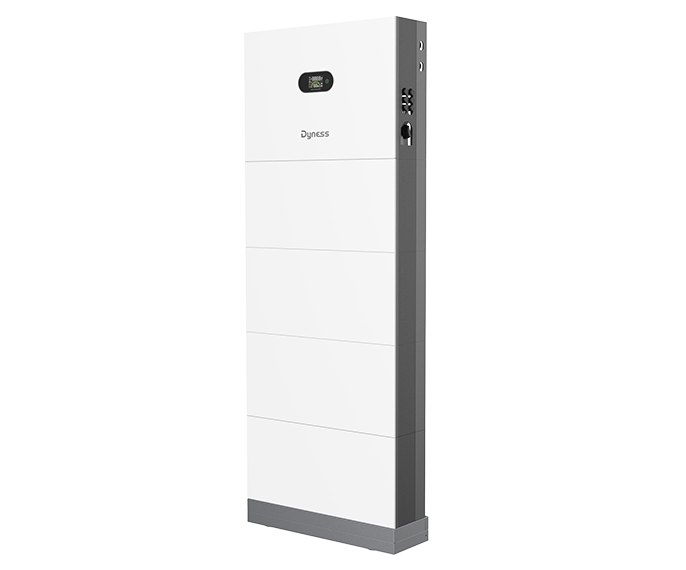
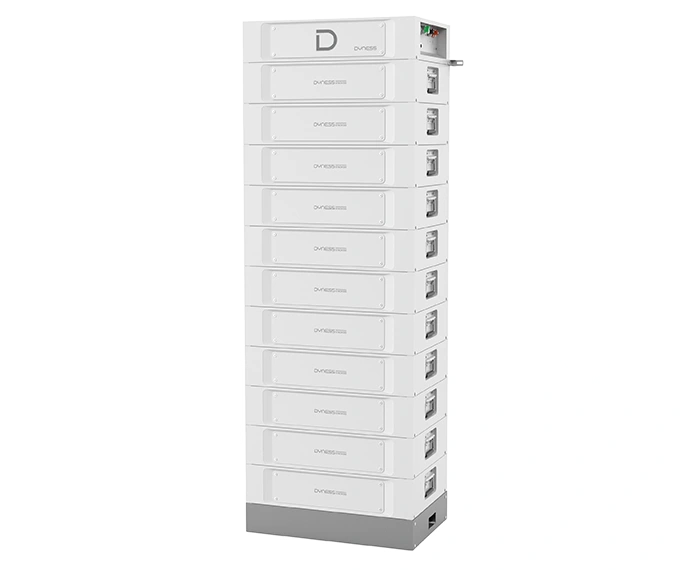
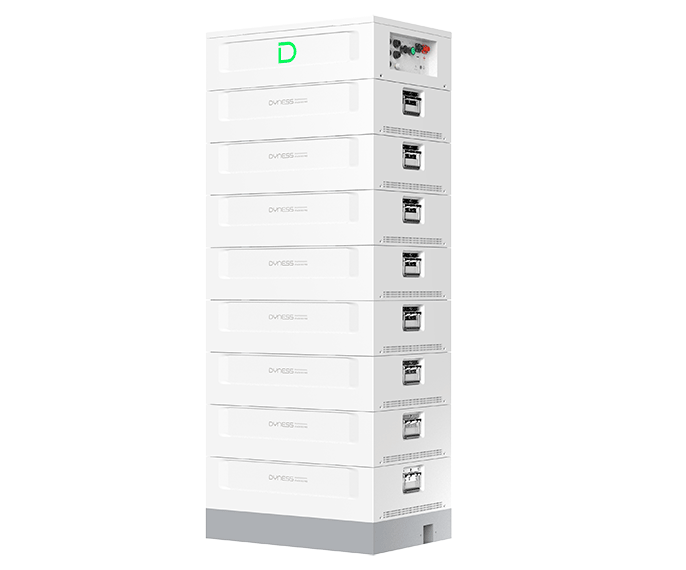
| Villa or high-load household | Higher power demand, larger solar system, stronger backup expectations, and more complex household energy scheduling. | A higher-capacity or high-voltage platform such as STACK100, depending on system design, inverter matching, and project requirements. |
For apartments, the priority is usually simple integration and minimal disruption. For ordinary homes, the priority is balanced capacity and future flexibility. For villas or high-load homes, the priority is often stronger power support, larger capacity, and more advanced system coordination.
Final product selection should always follow official Dyness documentation, inverter compatibility lists, local regulations, and qualified installer evaluation.
Common Misunderstandings About House Type and Battery Selection
Myth 1: Apartments are too small for energy storage.
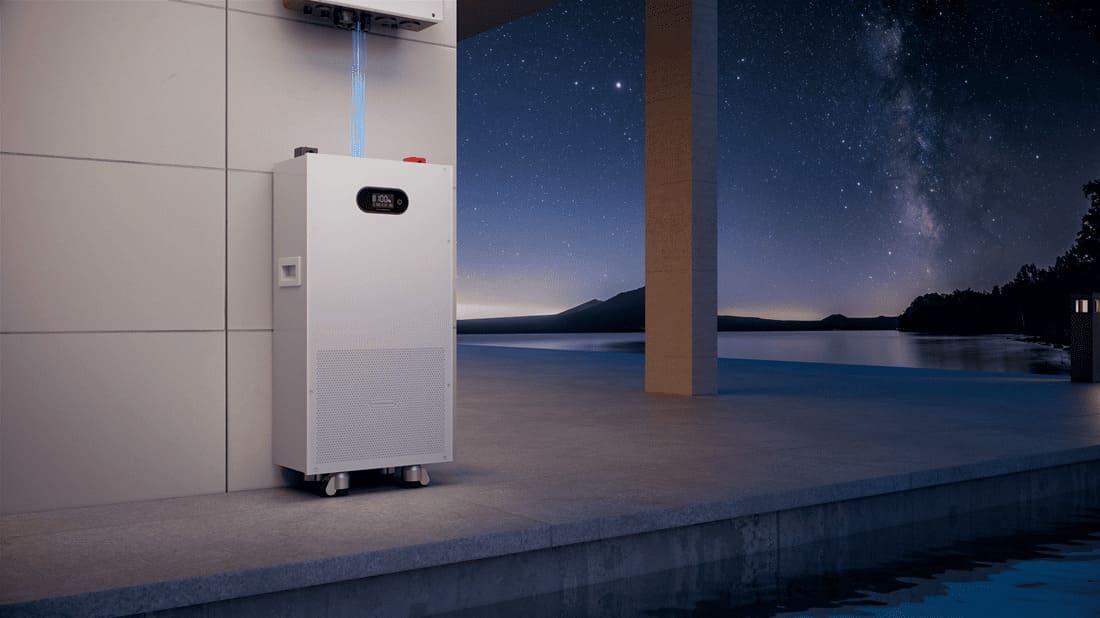
The key issue is not only size, but whether the system can be installed safely and used without disrupting daily life. Apartment users may be better suited to compact, installation-friendly solutions with clear safety boundaries and appropriate local compliance.
Myth 2: Choosing a battery that is “just enough” is always the best option.
A system that is just enough today may become a limitation tomorrow if household demand increases. Users should consider future EV charging, heat pumps, air conditioning, or additional solar capacity before deciding on a fixed configuration.
Myth 3: Home energy storage should be selected only by house type.
House type is only one part of the decision. A better selection logic is based on the user’s energy stage: electricity bill goals, backup requirements, installation conditions, solar system size, and future growth plans.
Myth 4: Larger homes always need the largest battery.
A larger home does not automatically mean a larger battery is required. The system should be sized according to actual load profile, backup needs, solar generation, inverter capacity, and expected usage strategy.
Final Takeaway
The right home energy storage solution is not determined only by whether you live in an apartment, a villa, or an ordinary family home. It is determined by how you want to manage electricity cost, backup power, solar energy, and future household energy growth.
Apartment users may need compact and installation-friendly solutions. Ordinary households may benefit from scalable residential storage that can grow with future energy demand. Villas or high-load homes may require higher-capacity platforms with stronger power support and more advanced energy coordination.
Dyness provides different energy storage directions for different home energy stages. To make the right choice, users should evaluate current electricity use, solar system size, backup expectations, installation space, future loads, inverter compatibility, and local installation rules before final product selection.
FAQ
-
Q: Can apartment users install Dyness PowerBrick Plus for home energy storage?

A: Dyness PowerBrick Plus can be considered for apartment or compact-home scenarios where users need a more installation-friendly residential battery solution. For apartment users, the key is not installing the largest system, but choosing a safe, compatible, and space-conscious system that fits local installation rules and inverter requirements.
-
Q: How can ordinary households avoid choosing a Dyness battery system that is too small or too large?
A: Ordinary households should start by checking daily electricity use, solar generation, backup expectations, and future load growth. A scalable Dyness system such as PowerBrick Plus can help users start with a reasonable capacity and expand later if EV charging, heat pumps, or higher household loads are added.
-
Q: Why is Dyness STACK100 more suitable for villas or high-load homes?
A: Dyness STACK100 can be suitable for villas or high-load homes because these scenarios often require stronger power support, larger capacity planning, and more advanced energy scheduling. Homes with heat pumps, EV chargers, swimming pools, or large HVAC systems may need a more powerful and scalable energy storage platform.
Learn More