








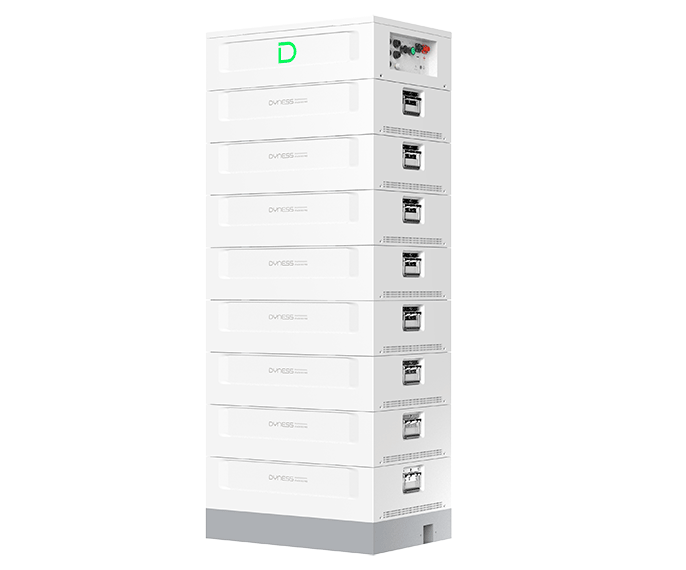

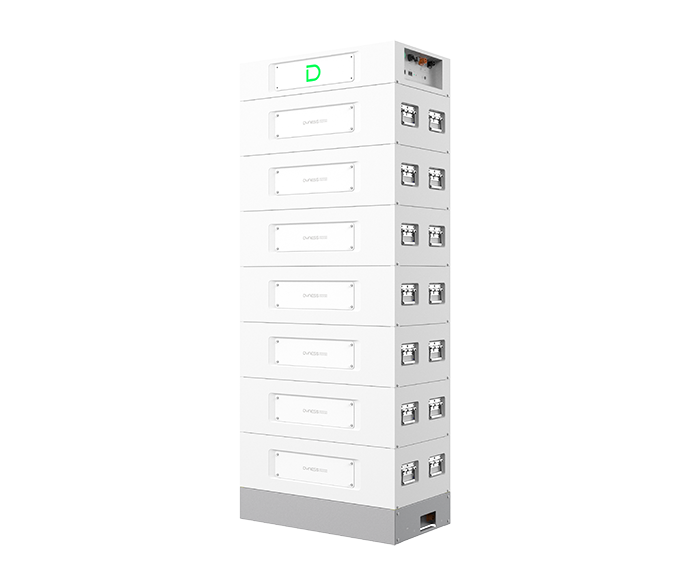
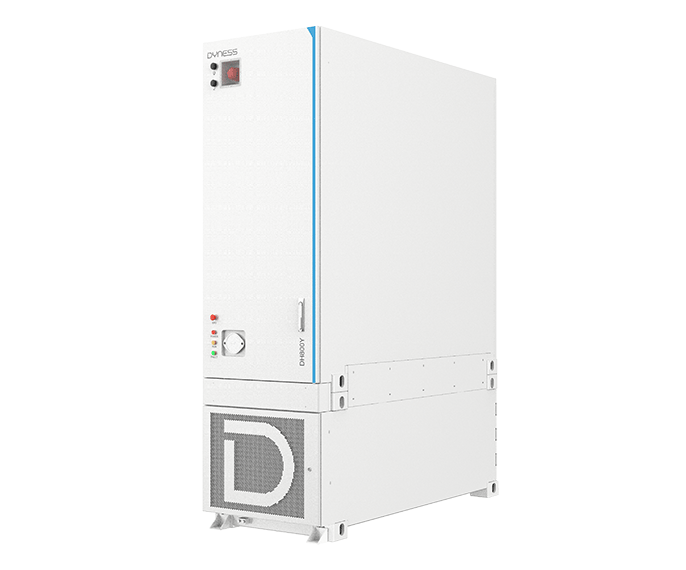


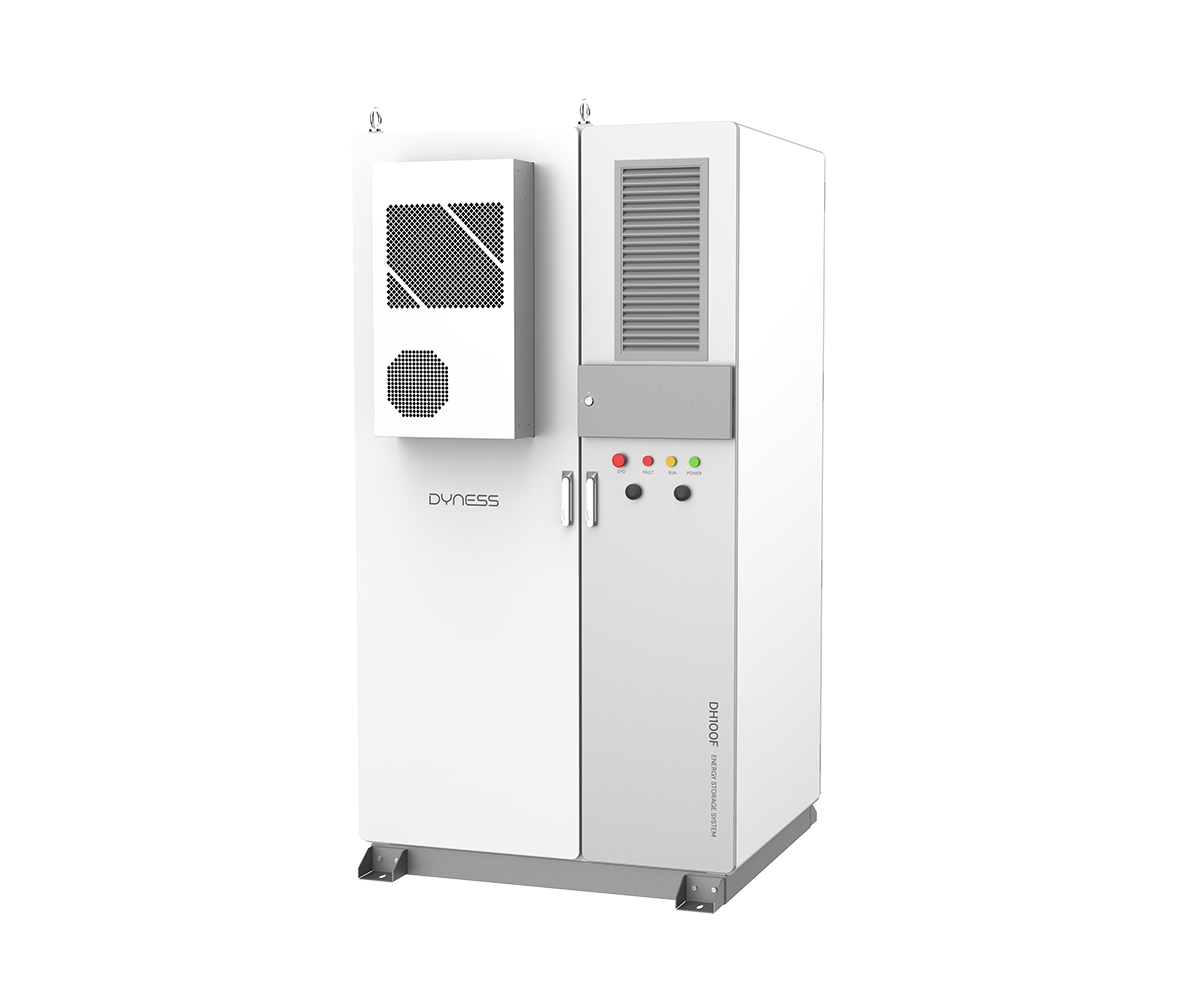













Which Homes Are Suitable for Dyness PowerBrick Plus Energy Storage?


Get notified about new updates, products, tips and tutorials. No spam.
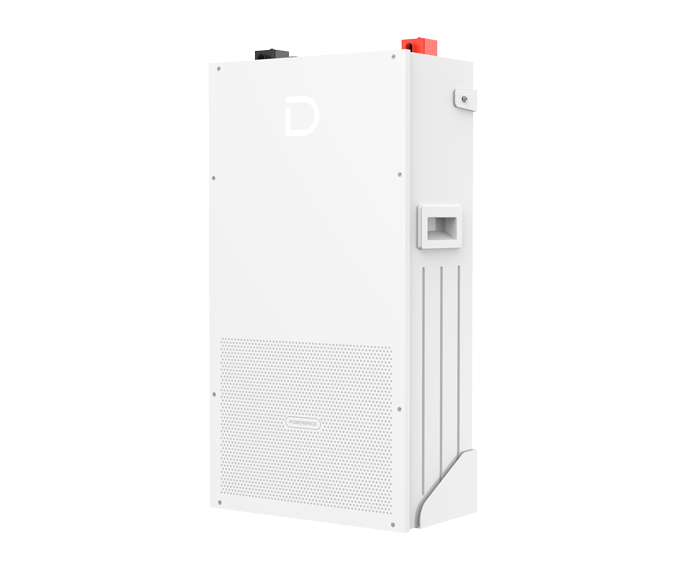
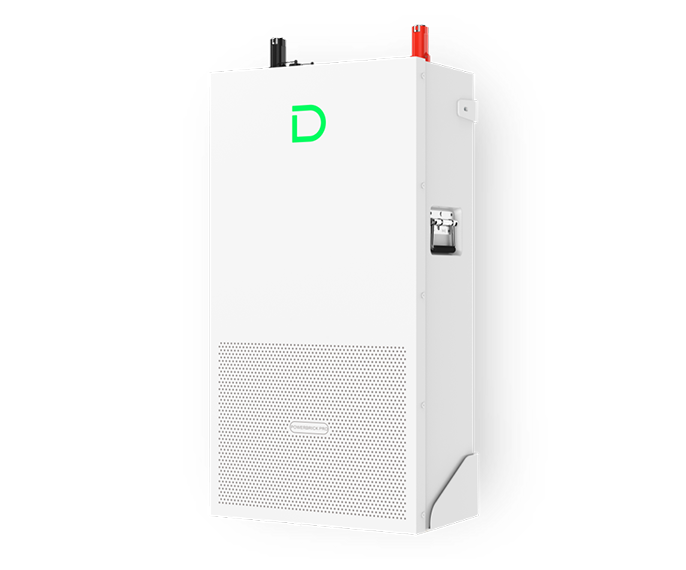
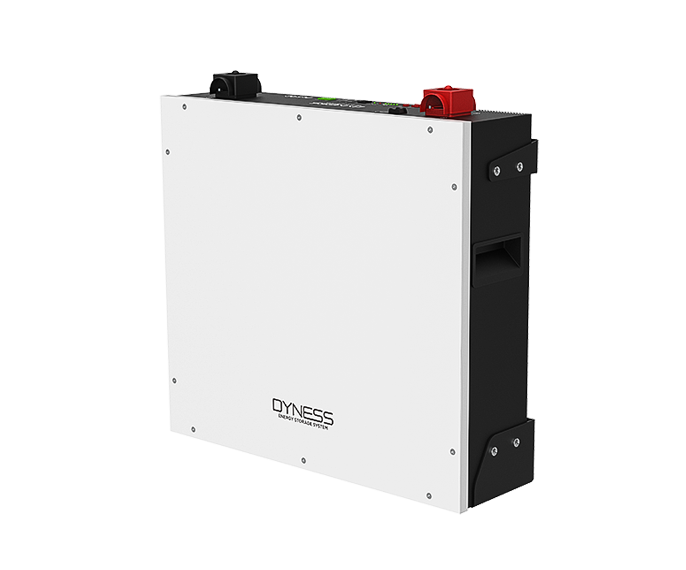
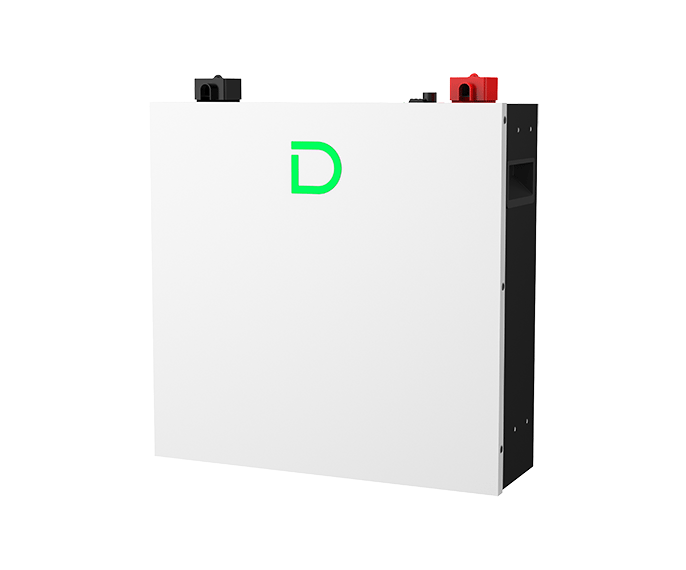
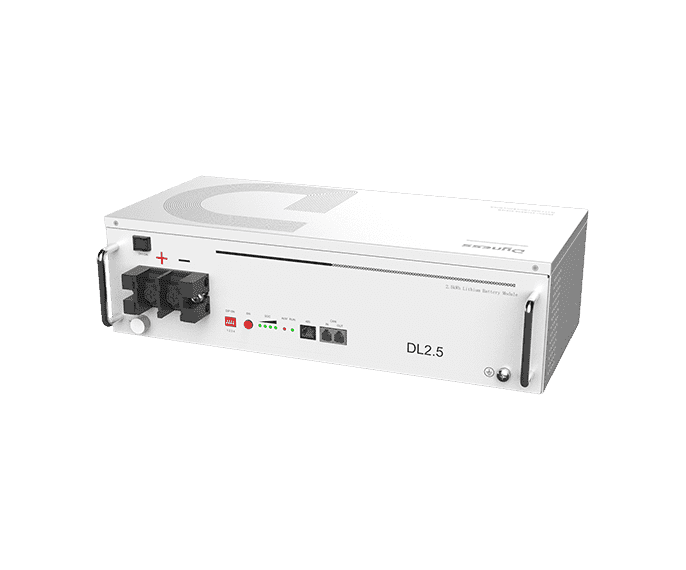
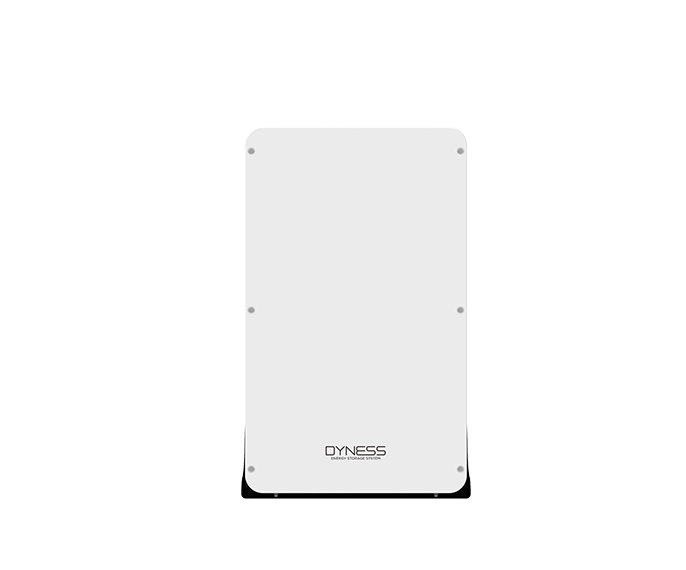
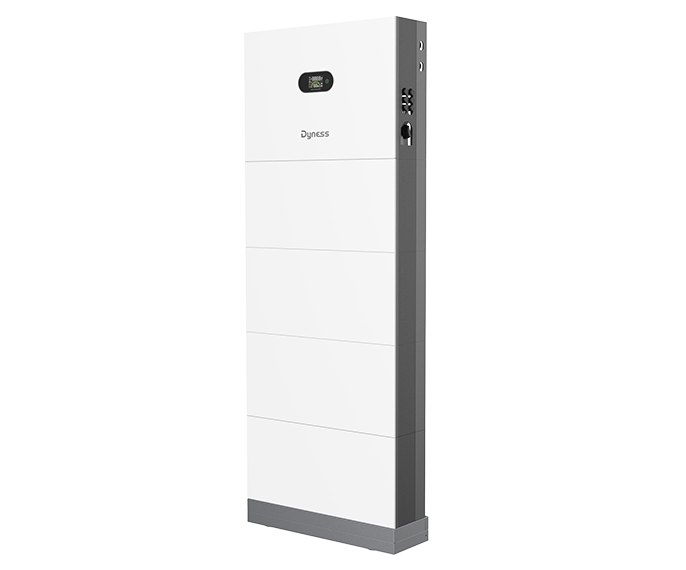
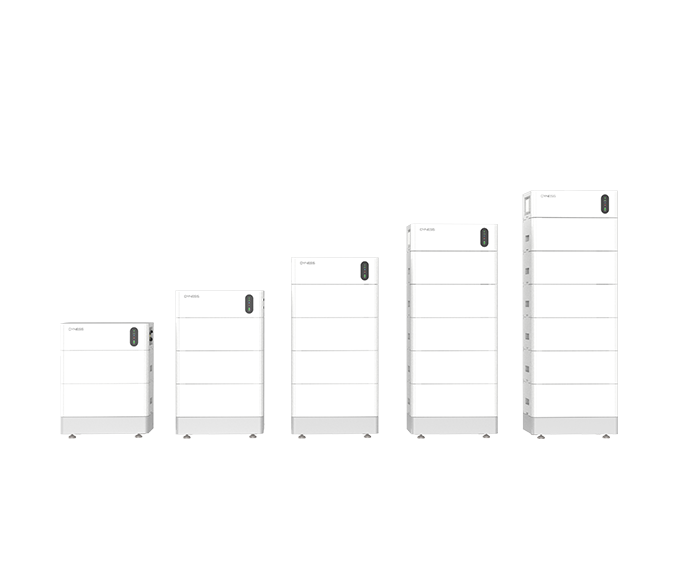
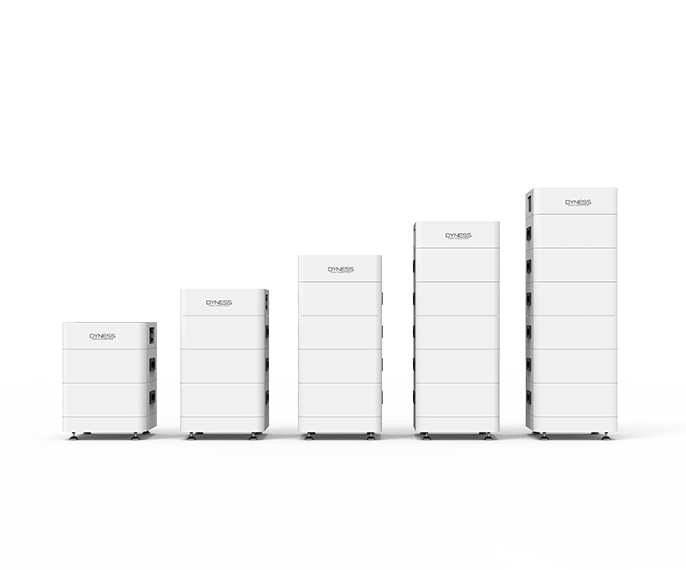
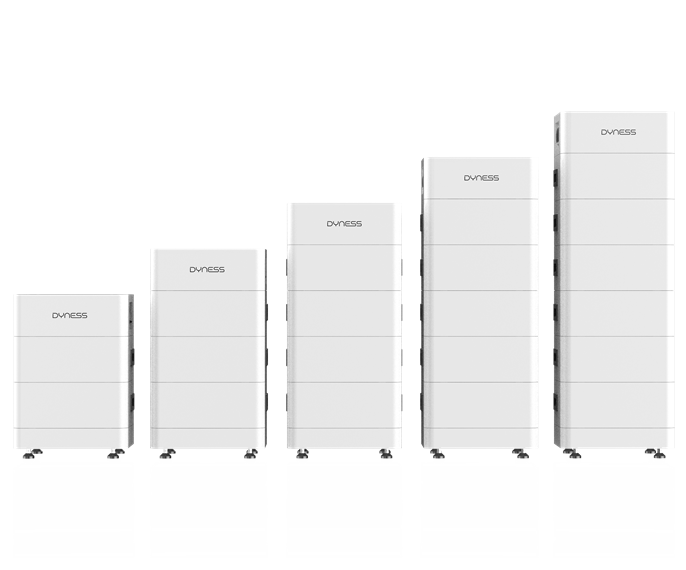
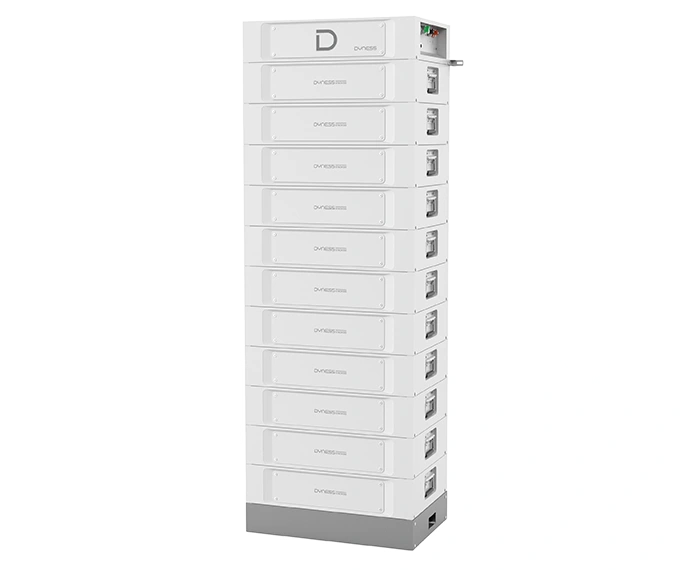
Dyness PowerBrick Plus is designed for households that need more than a compact entry-level home battery. With a large single-unit capacity, low-voltage architecture, modular parallel expansion, and built-in safety protection, it is suitable for larger homes, high-consumption families, solar PV users, and households that care strongly about backup power and long-term energy security.
The best fit for PowerBrick Plus is not determined only by house size. It depends on daily electricity consumption, solar surplus, peak load, installation space, backup expectations, climate conditions, inverter compatibility, and whether the home may need more capacity in the future.

Why PowerBrick Plus Is More Than a Standard Home Battery
Many homeowners want a battery system that can provide stronger backup, support higher daily electricity demand, and still remain practical for residential installation. At the same time, they may worry that a large-capacity system will be difficult to install, take up too much space, or create safety concerns.
Dyness PowerBrick Plus is designed to answer this middle-ground demand. It is a low-voltage residential energy storage system with a large single-unit capacity and modular expansion capability, making it suitable for households that need more usable energy than a typical 5 kWh or 10 kWh battery system.
With a 51.2 V low-voltage platform, around 16.07 kWh nominal capacity, and strong parallel expansion capability where supported by the system configuration, PowerBrick Plus gives users a practical way to start with a larger home battery and expand later if energy needs grow.
For users, the value is not only “more capacity.” It is the combination of capacity, safety design, installation flexibility, inverter compatibility, and long-term scalability.
Key Signs That Your Home May Need PowerBrick Plus
PowerBrick Plus is most suitable for homes where electricity demand is already high, solar surplus is significant, or backup expectations go beyond a few basic loads.
| Decision Factor | What It Means for Selection |
|---|---|
| Daily power consumption | Homes with high evening use or daily consumption above the coverage of smaller batteries may need a larger single-unit system. |
| Multiple loads running together | Families using air conditioners, refrigerators, home office devices, and other appliances at the same time may need stronger discharge support. |
| Safety-first installation | Homes installing batteries in garages, utility rooms, or indoor-adjacent spaces may value built-in safety protection and monitoring. |
| Outdoor or demanding environments | Where supported by the model and installation rules, IP-rated protection and optional heating features can help adapt to different site conditions. |
| Future capacity growth | Users planning EV charging, larger solar systems, or future load growth may benefit from modular expansion capability. |
If a home only needs basic backup for lighting, a router, and a few small devices, a more compact battery may be enough. PowerBrick Plus becomes more relevant when the household needs larger energy coverage, stronger system resilience, and future expandability.
Typical Home Scenarios for PowerBrick Plus
PowerBrick Plus is suitable for several residential scenarios where compact batteries may not provide enough capacity or flexibility. The following examples can help users understand whether this product direction fits their energy stage.
| Home Scenario | Typical Energy Need | Why PowerBrick Plus Fits |
|---|---|---|
| Medium-to-large homes and multi-generation families | Large evening loads, multiple appliances, air conditioning, refrigerators, laundry, and higher backup expectations. | A larger single-unit capacity can help cover more household demand and improve solar self-consumption during peak usage periods. |
| Homes with EV charging and high solar surplus | Strong rooftop PV generation, daytime surplus energy, and higher nighttime electricity demand. | PowerBrick Plus can store surplus solar power and release it later for household loads or energy cost optimization, depending on system design. |
| Safety-first households and premium indoor-adjacent installations | Battery installation in garages, utility rooms, basements, or areas close to daily living spaces. | Built-in protection design, BMS monitoring, and safety-oriented product architecture can give users greater confidence in residential use. |
| Homes in unstable-grid or demanding climate regions | Frequent outages, voltage fluctuation, outdoor installation needs, or low-temperature operation concerns. | With suitable installation and compatible inverter configuration, the system can support backup needs and adapt to more demanding site conditions. |
Actual performance depends on battery model, inverter matching, usable capacity, installation environment, backup circuit design, and official Dyness configuration guidance.

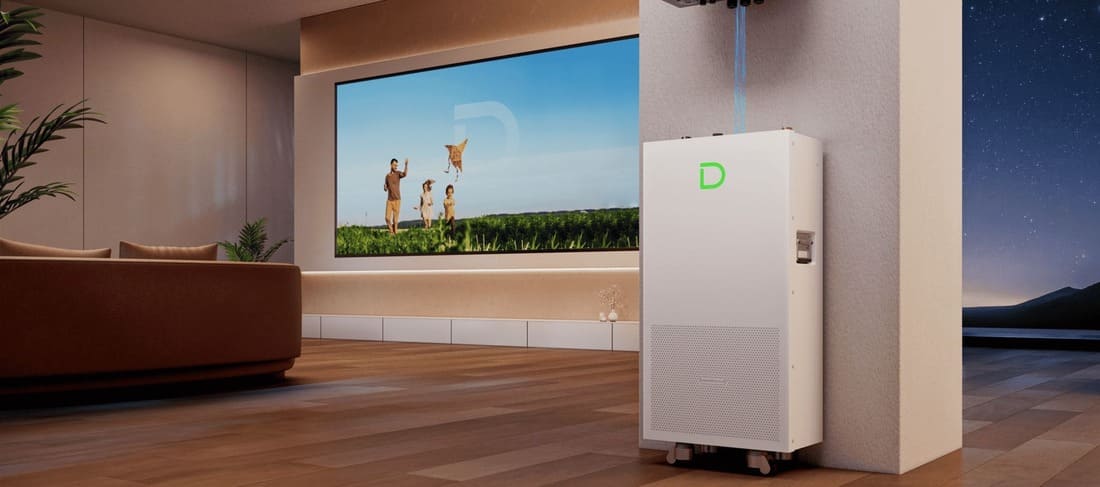
Safety, Expansion, and Compatibility Advantages
For a large-capacity home battery, safety and compatibility are just as important as capacity. PowerBrick Plus is designed with a low-voltage architecture, intelligent BMS protection, and built-in safety features to support stable residential energy storage operation.
Its modular design also gives users a flexible expansion path. Instead of installing the maximum system from the beginning, users can start with one unit and expand later if household demand increases, subject to supported parallel configuration limits and installer evaluation.
PowerBrick Plus is also designed for broad low-voltage inverter compatibility. It can work with selected mainstream inverter brands depending on the approved compatibility list, inverter model, firmware version, communication protocol, and regional configuration.
This combination of safety design, expansion flexibility, and inverter ecosystem compatibility makes PowerBrick Plus suitable for users who want a long-term home energy storage asset rather than a fixed-capacity backup device.
Common Misunderstandings About Choosing PowerBrick Plus
Myth 1: A larger battery always saves more money.
Not always. If a home has only a small solar surplus or low evening electricity demand, a large-capacity battery may not be fully used. In that case, a more compact battery may offer a better match between investment and daily value.
Myth 2: Because PowerBrick Plus supports expansion, I should install the maximum number of units at once.
That is usually unnecessary. The value of modular expansion is that users can start with a practical capacity and add more later when energy demand becomes clearer.
Myth 3: Capacity is the only reason to choose PowerBrick Plus.
Capacity matters, but users should also consider discharge power, safety design, installation space, inverter compatibility, backup circuit design, and future energy plans.
Myth 4: Any existing solar system can add PowerBrick Plus without checking compatibility.
Compatibility should always be confirmed. The inverter model, communication protocol, firmware version, system voltage, installation design, and local electrical rules all affect whether the system can be safely and correctly connected.
Conclusion
Dyness PowerBrick Plus is suitable for larger homes, high-consumption families, solar PV users with significant surplus generation, safety-first households, and users who want a scalable home energy storage system.
Its value comes from combining large single-unit capacity, low-voltage safety architecture, modular parallel expansion, BMS protection, and broad inverter compatibility in a residential energy storage platform.
The best choice depends on real electricity demand, solar generation, backup expectations, installation space, climate conditions, inverter compatibility, and future energy growth. For users aiming for deeper home energy independence and long-term energy cost control, PowerBrick Plus can be a strong fit when properly designed and installed.
FAQ
-
Q: Is PowerBrick Plus difficult to install because it is a large-capacity battery?

A: PowerBrick Plus has a solid structure because it is designed for large-capacity residential energy storage, but its installation design is intended to support practical on-site handling. Depending on configuration, it can support flexible installation methods such as floor-standing or wall-mounted deployment. Final installation should follow the official Dyness manual and be completed by a qualified installer.
-
Q: What does the 8,000+ cycle life of PowerBrick Plus mean for home users?
A: A long cycle-life rating means the battery is designed for long-term daily energy storage use under specified test conditions. For home users, this supports long-term solar self-consumption, backup power, and energy cost management. Actual service life depends on temperature, depth of discharge, charge and discharge behavior, installation environment, and system operation.
-
Q: Is my current inverter compatible with PowerBrick Plus?
A: PowerBrick Plus is designed for broad low-voltage inverter compatibility and can work with selected mainstream inverter brands such as Solis, GoodWe, Growatt, SMA, Victron, Deye, APsystems, and others depending on the approved compatibility list. Users should confirm the exact inverter model, firmware version, and communication protocol before installation.
Learn More