











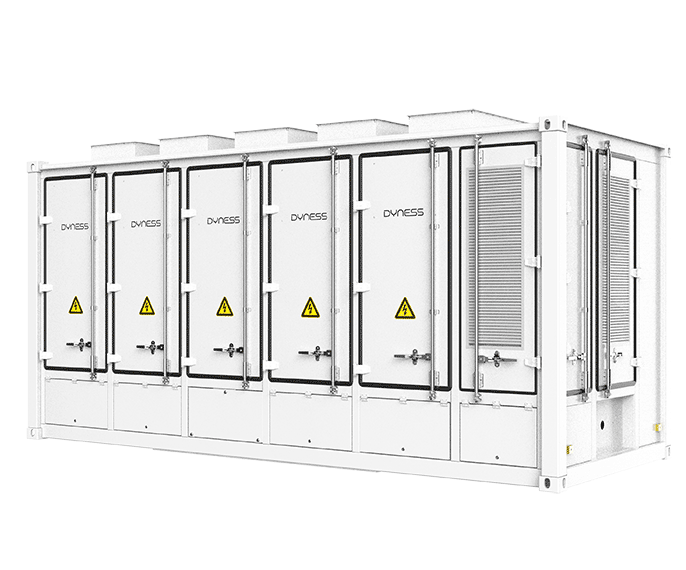











How Is Dyness After-Sales Maintenance Ensured?


Get notified about new updates, products, tips and tutorials. No spam.
Dyness after-sales maintenance is supported through product warranty services, technical support, remote monitoring capabilities, troubleshooting guidance, and professional installer networks.
For energy storage systems, after-sales support is not only about repairing equipment when problems occur. It also includes installation guidance, system commissioning, operation monitoring, firmware support, technical diagnosis, and long-term service throughout the product lifecycle. The exact service process and warranty coverage may vary by product model, region, installation conditions, and local regulations.

Why After-Sales Support Matters for Energy Storage
A battery energy storage system is a long-term investment that operates continuously for many years. Unlike a simple household appliance, it includes battery modules, BMS communication, inverter matching, monitoring software, electrical protection, and installation design.
This means reliable after-sales support is essential for stable system operation. Good service helps users complete proper installation, identify problems faster, understand system status, and maintain performance over time.
For homeowners, after-sales support provides more confidence in daily use. For installers and distributors, it helps improve project delivery quality, reduce troubleshooting time, and support better customer satisfaction.

How Dyness After-Sales Maintenance Works
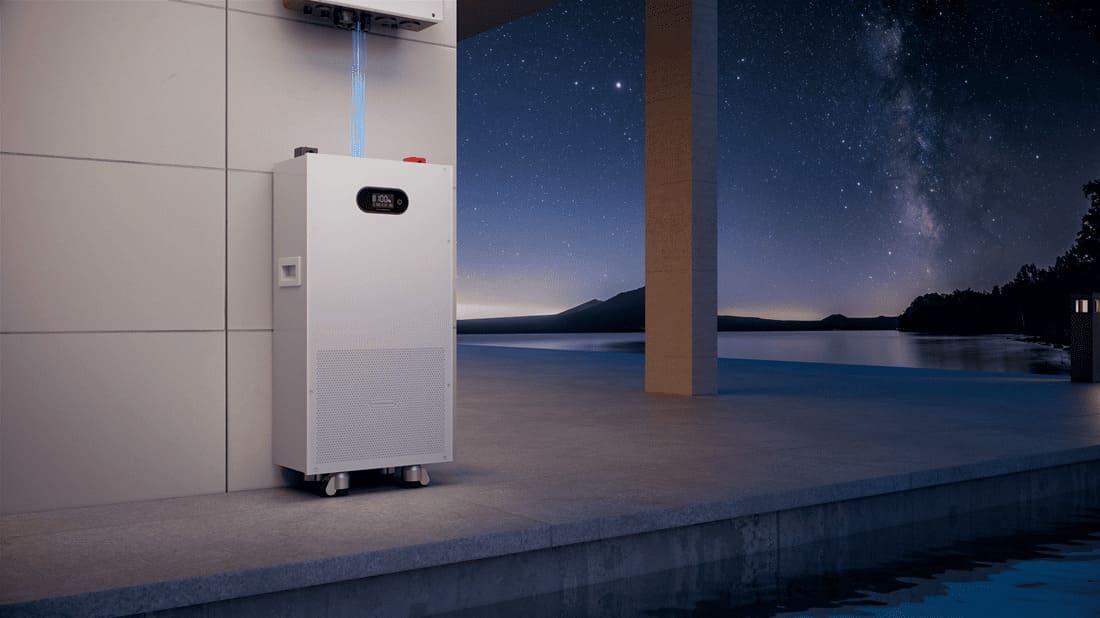
Dyness after-sales maintenance covers several key stages, from installation preparation to long-term operation support.
| Service Area | How It Supports Users |
|---|---|
| Installation and commissioning guidance | Helps installers verify battery-inverter compatibility, wiring, communication settings, system configuration, and local electrical requirements. |
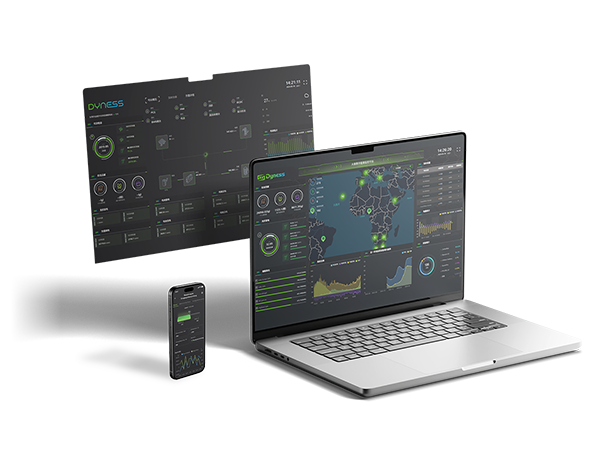
| Remote monitoring and diagnosis | Depending on product configuration, monitoring tools can help check operating status, review energy data, identify abnormal conditions, and support remote troubleshooting. |
| Technical troubleshooting | Service teams can analyze error codes, battery status, inverter information, communication connection, and installation environment to locate issues more efficiently. |
| Warranty and lifecycle support | Warranty support and service processes help users manage product issues according to official Dyness warranty terms and regional service policies. |
Final installation and maintenance should always follow Dyness official manuals, approved compatibility lists, warranty documents, and local electrical standards.
What Users Should Check Before Installation
Good after-sales performance starts before the system is installed. A correctly designed system is easier to monitor, maintain, and troubleshoot later.
| Check Item | Why It Matters |
|---|---|
| Battery and inverter compatibility | Correct matching helps avoid communication errors, charging issues, and system protection faults. |
| Installation environment | Temperature, ventilation, moisture, sunlight exposure, and maintenance space can affect long-term operation. |
| System configuration | Battery quantity, communication settings, backup circuit design, and monitoring setup should be confirmed before operation. |
| Warranty registration and documents | Keeping purchase records, installation information, and warranty documents helps simplify future service requests. |
Common After-Sales Mistakes to Avoid
Myth 1: Compatibility can be checked after installation.
Battery-inverter compatibility should be confirmed before purchase and installation. Unsupported combinations may cause communication issues, unstable operation, or warranty-related problems.
Myth 2: Home batteries require no attention after installation.
Lithium battery systems generally require limited routine maintenance, but users should still monitor system status, keep the installation environment suitable, and follow operating recommendations.
Myth 3: Users can solve all faults by changing settings themselves.
Changing wiring, communication settings, or system parameters without professional guidance may create additional risks. When abnormal conditions occur, users should contact their installer or authorized Dyness service channel.
Myth 4: Expansion can be done without technical evaluation.
Battery expansion depends on product model, system age, inverter compatibility, communication protocol, installation space, and approved configurations. Professional assessment is recommended before adding more capacity.
Final Takeaway
Dyness after-sales maintenance is supported by product warranty services, technical support, monitoring tools, troubleshooting guidance, and installer networks.
A complete service experience begins before installation. Users should confirm product compatibility, installation conditions, system configuration, warranty requirements, and future expansion needs from the beginning.
With proper installation, approved system matching, regular monitoring, and professional service support, Dyness helps homeowners, installers, and partners maintain safer, more stable, and more reliable energy storage systems throughout the product lifecycle.
FAQ
-
Q: How long does Dyness battery warranty support last?

A: Warranty periods and conditions depend on the specific product model, region, and applicable warranty policy. Users should refer to official Dyness warranty documents, product manuals, and sales agreements for detailed information.
-
Q: How can I get technical support for my Dyness battery system?
A: Users should contact authorized Dyness service channels or their installer. To improve troubleshooting efficiency, provide product model, inverter model, system configuration, installation date, error messages, photos, and relevant monitoring data.
-
Q: Does a home battery system require regular maintenance?
A: Energy storage systems generally require limited routine maintenance, but users should monitor system status, keep equipment clean and properly installed, maintain a suitable environment, and follow Dyness operating recommendations.
Learn More