
























How Dyness Supports Europe’s Energy Storage Needs with a Full-Scenario Product Matrix


Get notified about new updates, products, tips and tutorials. No spam.
In Europe, rising energy costs, dynamic electricity tariffs, solar adoption, and diverse housing types are making energy storage needs more complex. A single battery product can no longer meet every household scenario.
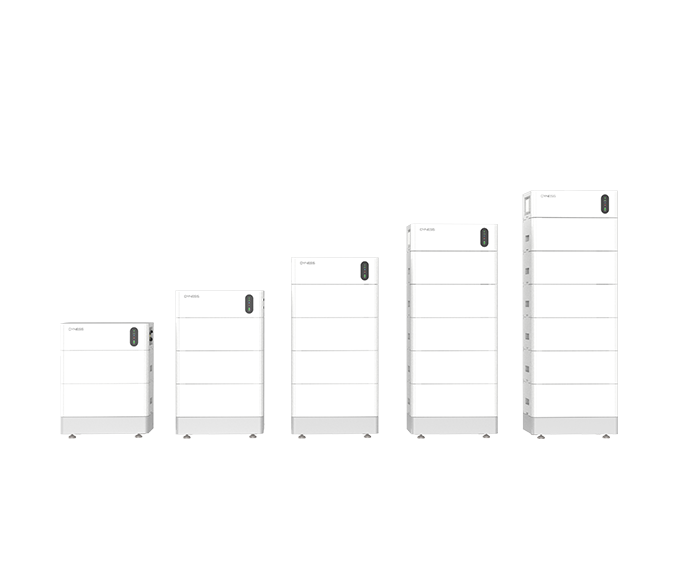
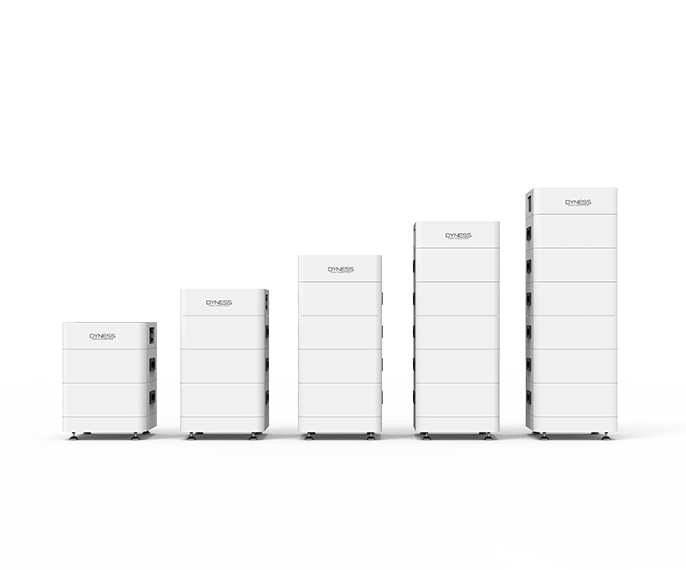
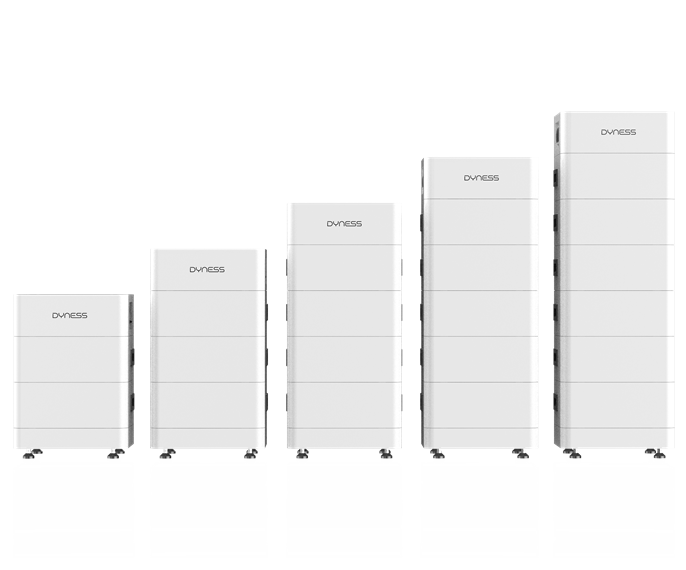
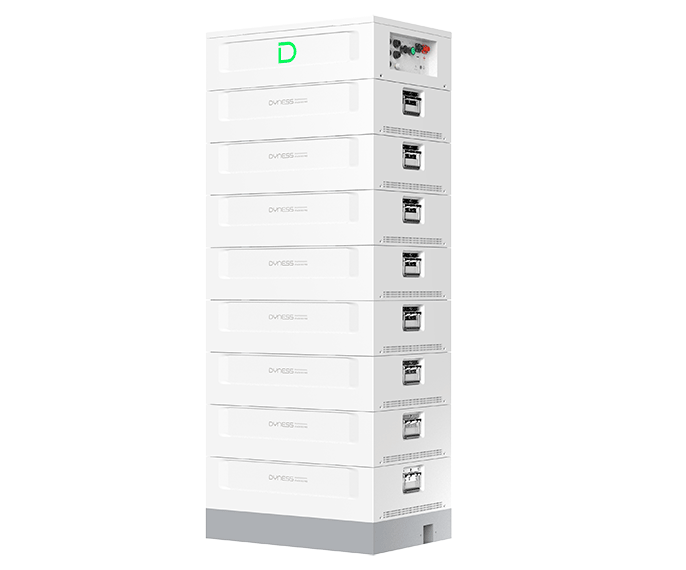
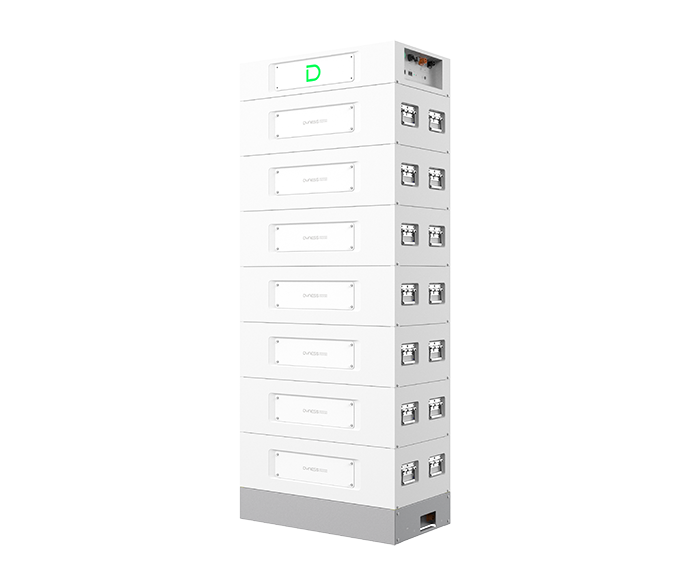
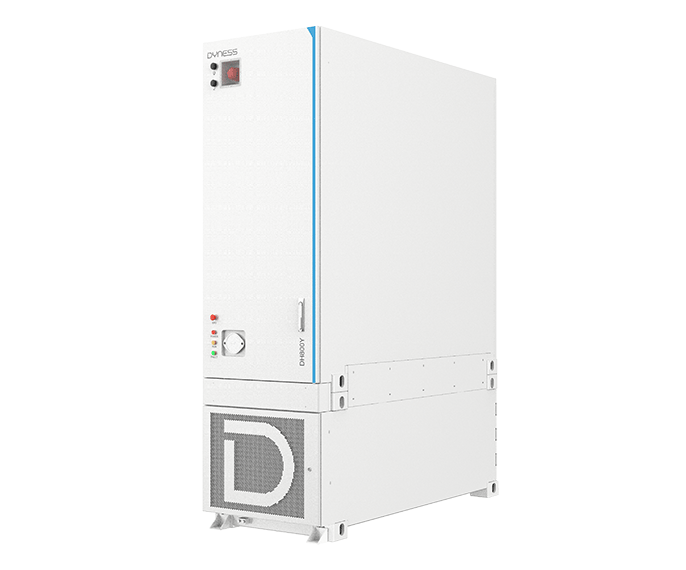
Dyness supports European users with a full-scenario product matrix covering high-load villas, large homes, compact residences, balcony solar users, and small commercial energy needs. From Tower Series and PowerBrick Plus to DL5.0C, AquaVolt, and SolarCube, Dyness provides flexible storage options designed for safety, compatibility, scalability, and long-term energy management.

Why Europe Needs More Than One Type of Home Energy Storage
European energy storage demand is becoming increasingly diverse. Some users want to reduce electricity bills under dynamic or time-of-use tariffs. Some want to increase solar self-consumption. Others need backup power, EV charging support, heat pump compatibility, or balcony solar storage for apartments.
This means there is no single “best” battery for every home. A compact apartment, a city townhouse, a high-load villa, and a small commercial site have very different requirements for battery capacity, power output, installation space, safety design, and inverter compatibility.
Dyness approaches this market through a full-scenario product matrix. Instead of forcing users into one system form, Dyness provides different battery platforms for different energy stages, helping users match the right product direction to their actual home, load profile, solar setup, and future expansion needs.
For European users, this product logic is especially important because installation conditions, grid policies, electricity tariffs, and household energy habits can vary significantly by country and region.
Dyness Product Matrix for Different European Home Scenarios
Dyness provides multiple product directions across residential and light commercial energy storage. Each platform is designed to solve a different type of energy challenge, from compact wall-mounted storage to high-voltage systems and plug-in balcony solar storage.
| Dyness Product Direction | Typical Scenario | Core Value for European Users |
|---|---|---|
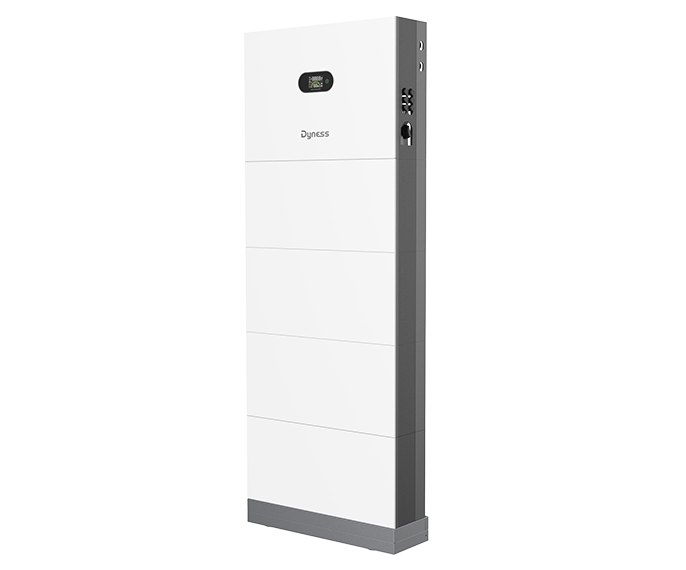
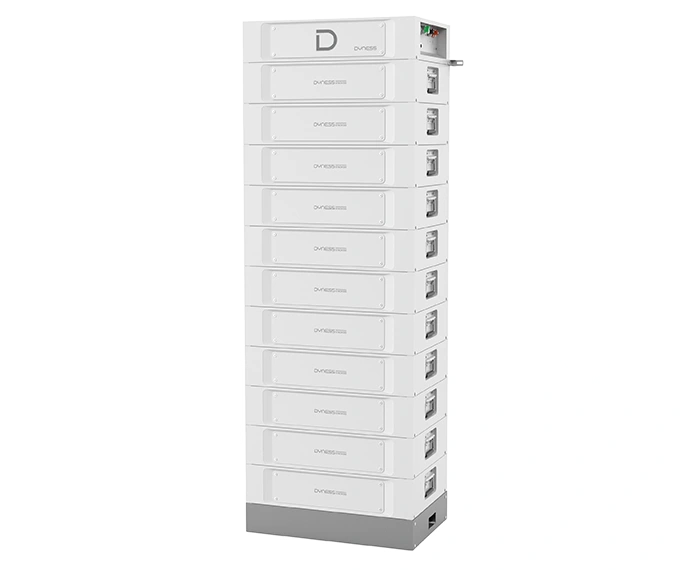
| Tower Series | High-load villas, large homes, heat pump users, EV charging households, and full-home electrification projects. | High-voltage architecture, strong power support, and scalable capacity for more complex residential energy management. |
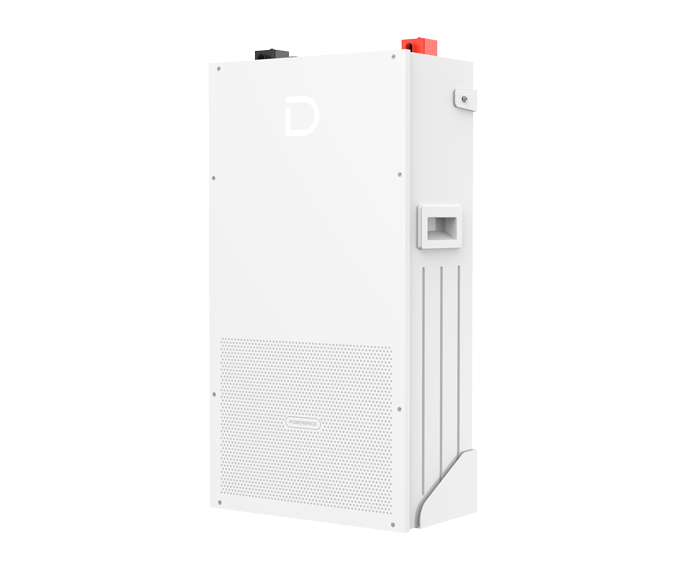
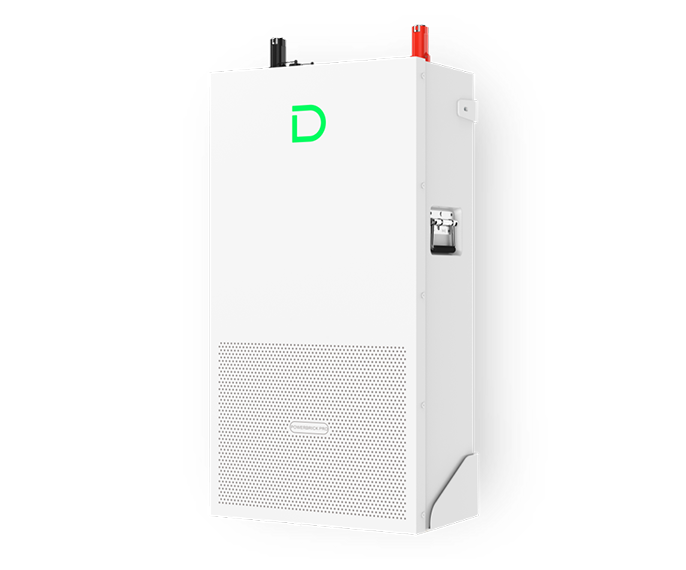
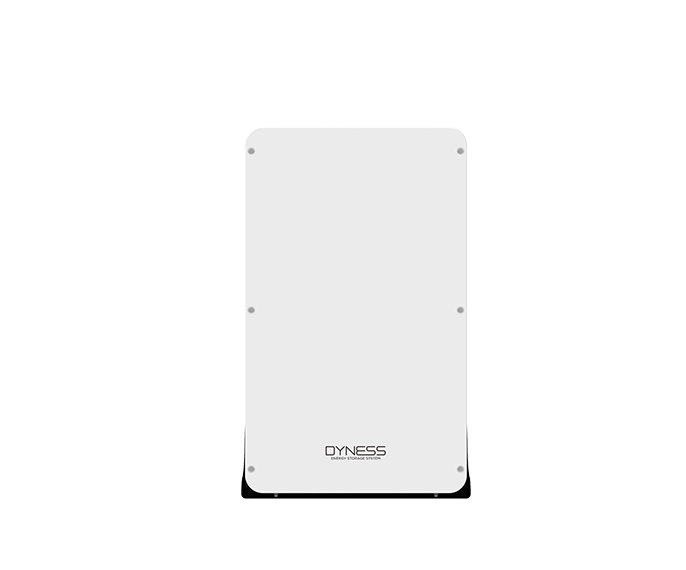
| PowerBrick Plus | Medium-to-large homes, high-consumption families, safety-first installations, and users with significant solar surplus. | Large single-unit capacity, low-voltage safety architecture, modular parallel expansion, and strong residential storage flexibility. |
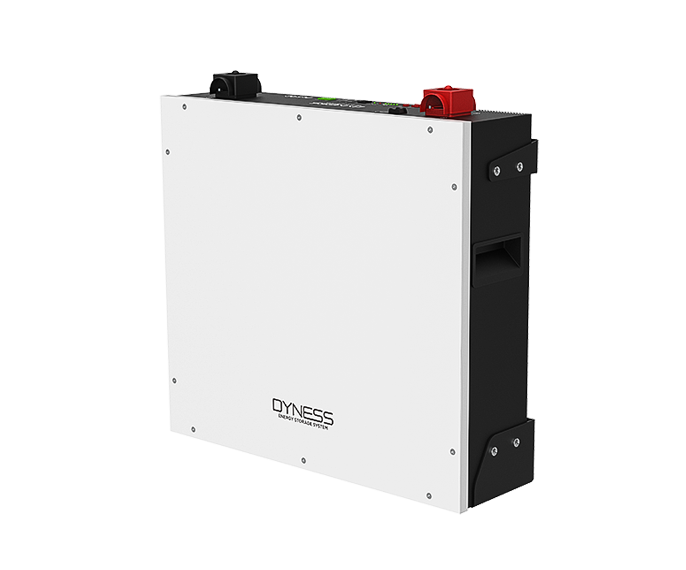
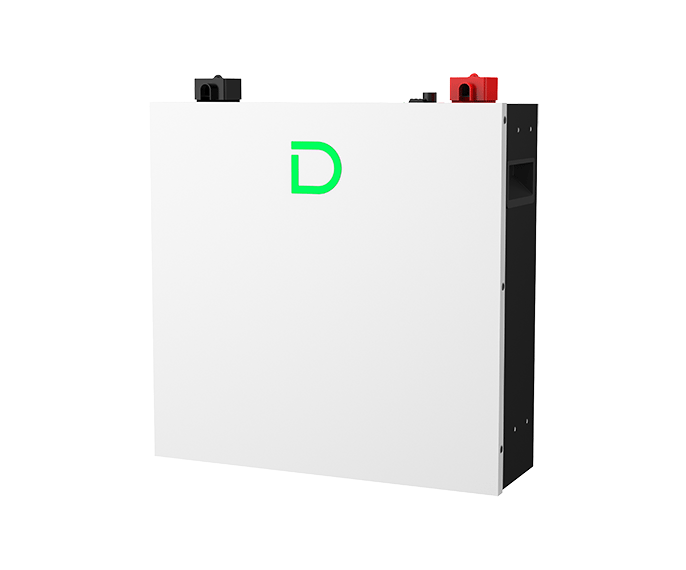
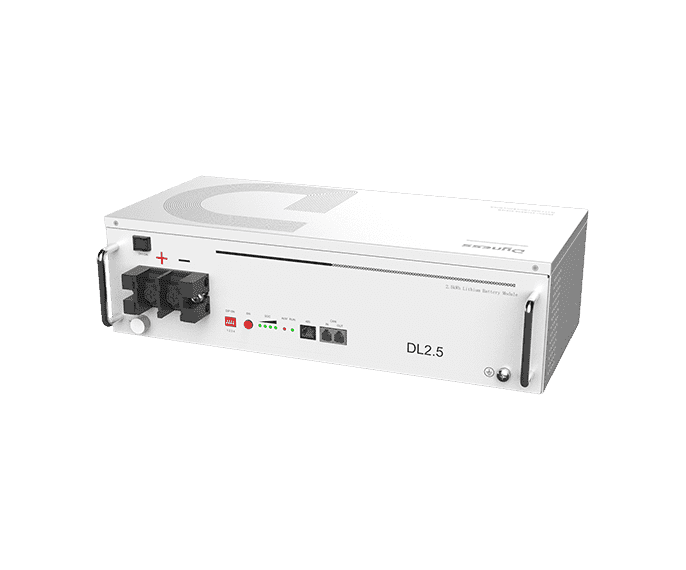
| DL5.0C | Compact homes, garages, utility rooms, and users starting with a smaller residential storage system. | Slim wall-mounted design, flexible low-voltage deployment, and practical capacity expansion for space-conscious homes. |
| AquaVolt | Balcony solar users, apartment households, and users looking for a plug-in all-in-one storage solution. | Simplified installation, balcony solar self-consumption, and accessible energy storage for urban users. |
| SolarCube | Balcony PV users who need modular and stackable plug-in storage for daily solar utilization. | Stackable balcony storage design, flexible capacity planning, and improved daytime-to-nighttime solar energy use. |
This product matrix allows Dyness to serve different European living scenarios, from apartment balconies to high-load residential buildings and light commercial energy applications.
Three Technical Pillars Behind Dyness Energy Storage Solutions
Dyness product strength is not only reflected in the number of models available. The deeper value lies in how different products combine battery technology, safety design, installation engineering, and system compatibility.
Long-life battery design for better lifetime value.
For European users, long-term return on investment is an important factor. Dyness products are designed around long-cycle LiFePO4 battery technology, helping users support solar self-consumption, backup power, and daily energy management over many years of operation. Actual lifecycle performance depends on product model, operating conditions, depth of discharge, temperature, and installation environment.
Modular and installation-friendly architecture.
European installation labor costs can be high, so installation efficiency matters. Dyness platforms such as Tower Series and PowerBrick Plus use modular design logic to support easier handling, staged capacity planning, and future expansion. For balcony users, AquaVolt and SolarCube further reduce installation complexity by focusing on plug-in and lightweight deployment scenarios.
Safety and environmental adaptability.
Energy storage systems may be installed in garages, utility rooms, indoor-adjacent areas, outdoor walls, balconies, or compact residential spaces. Dyness designs selected products with protection features such as BMS monitoring, IP-rated enclosures, safety-oriented architecture, and optional low-temperature support depending on model and configuration.
These technical pillars help Dyness address not only capacity needs, but also real concerns around safety, installation, climate adaptability, and long-term system stability.
How to Match Dyness Products to European Home Types
Choosing the right Dyness product should start with the user’s actual energy stage rather than only the size of the home. The same housing type can have very different energy needs depending on solar generation, evening load, EV charging, heat pump use, backup expectations, and electricity tariff structure.
| European User Scenario | Recommended Dyness Direction | Selection Logic |
|---|---|---|
| Urban apartments with balcony solar | AquaVolt or SolarCube | Best suited for users who want to store daytime balcony solar power and use it later without major electrical modification. |
| Compact homes with limited installation space | DL5.0C | Suitable for users who need a slim, low-voltage, wall-mounted starting point for residential storage. |
| Medium-to-large homes with higher evening consumption | PowerBrick Plus | Suitable for users who need larger single-unit capacity, safety-focused design, and future capacity expansion. |
| High-load villas with heat pumps or EV chargers | Tower Series | Better suited for users who need higher power support, high-voltage system efficiency, and scalable energy management. |
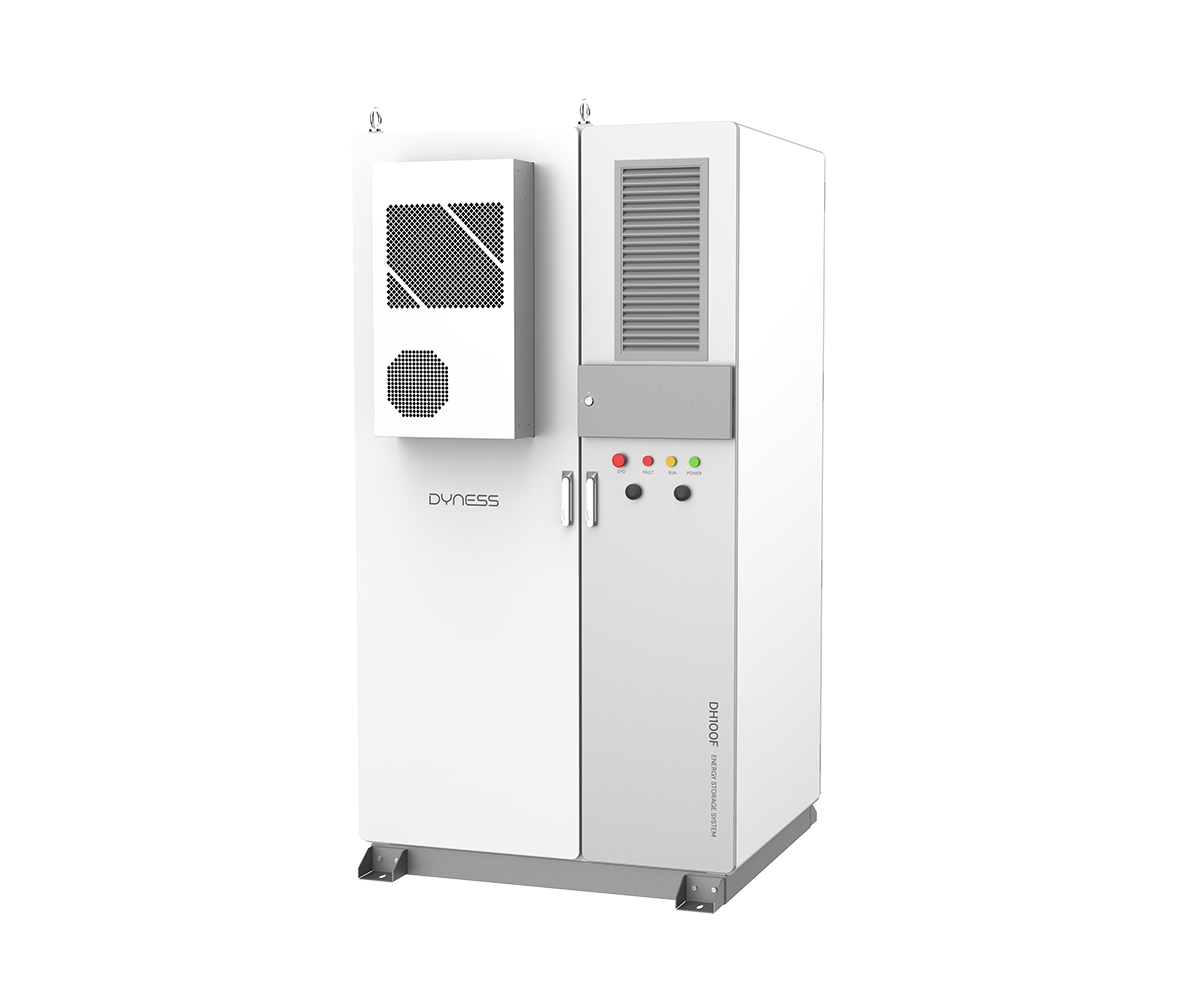
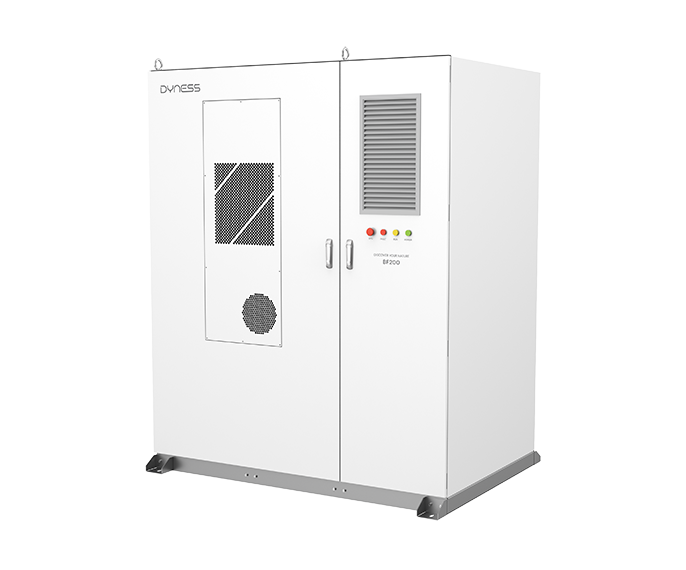
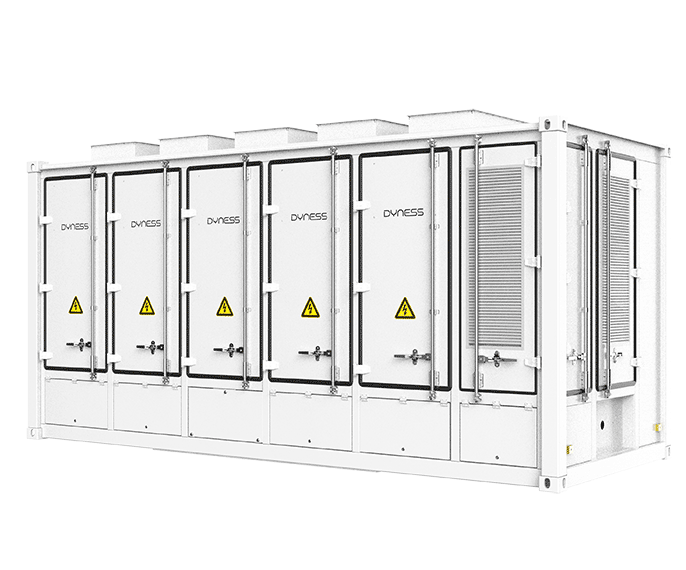
| Small business or light C&I energy needs | STACK100 or suitable C&I-oriented Dyness platform, depending on project scale | Suitable where backup power, load management, solar self-consumption, and future expansion are required. |
Final selection should always be confirmed according to local regulations, inverter compatibility, installation conditions, backup requirements, and the latest Dyness product documentation.
Final Takeaway
Dyness supports Europe’s energy storage needs through a diversified product matrix rather than a single product type. This allows different users to find a more suitable solution for their home structure, energy goals, installation space, and future electricity demand.
For high-load villas, Tower Series can support stronger power and scalability. For larger households, PowerBrick Plus offers large-capacity low-voltage storage with flexible expansion. For compact homes, DL5.0C provides a practical wall-mounted starting point. For apartments and balcony solar users, AquaVolt and SolarCube make solar storage more accessible and easier to deploy.
The strength of Dyness in the European market lies in combining product diversity with safety design, inverter compatibility, modular expansion, and long-term energy management. For users, choosing the right Dyness solution means building a household energy asset that can adapt as energy prices, solar adoption, and home electricity needs continue to evolve.

FAQ
-
Q: How well do Dyness batteries work with mainstream European inverter brands?

A: Dyness is designed with an open inverter compatibility ecosystem. Depending on the product model and configuration, Dyness batteries can work with selected mainstream inverter brands such as GoodWe, Solis, Deye, Growatt, Kostal, Victron, SMA, and others. Final compatibility should always be confirmed based on the exact inverter model, firmware version, communication protocol, and the latest Dyness compatibility list.
-
Q: How does Dyness respond to dynamic electricity tariffs in Europe?
A: Dyness energy storage can support time-based energy management when paired with a compatible inverter and suitable operating mode. In regions with dynamic or time-of-use tariffs, the system can help store lower-cost electricity or surplus solar power and discharge during higher-price periods. Actual savings depend on tariff rules, system settings, battery capacity, household load, and local regulations.
-
Q: How does Dyness maintain consistency and safety in multi-battery or multi-cluster systems?
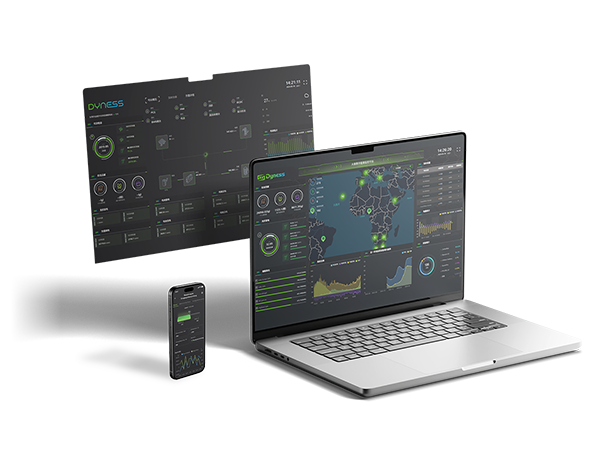
A: In larger systems, battery consistency depends on BMS communication, current balancing, system monitoring, thermal management, and correct configuration. Dyness scalable platforms are designed to support coordinated operation within approved system limits. Multi-battery or multi-cluster projects should always follow official Dyness configuration guidance and be installed by qualified professionals.
Learn More