
























What Makes Dyness Different from Other Energy Storage Brands?


Get notified about new updates, products, tips and tutorials. No spam.
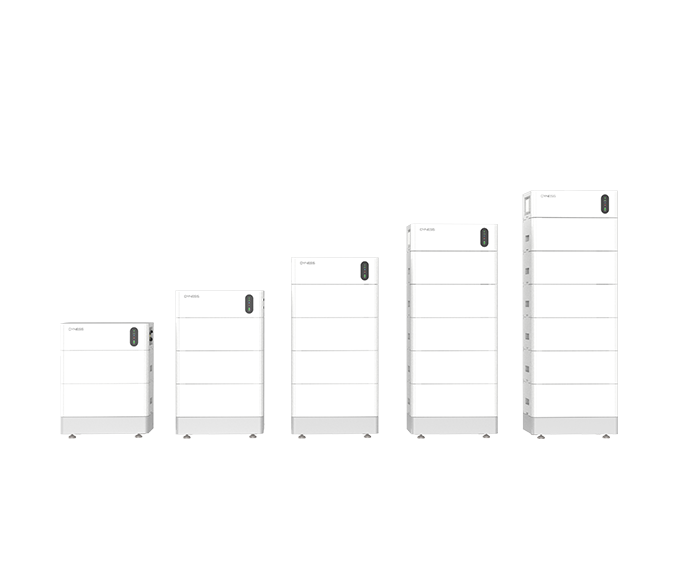
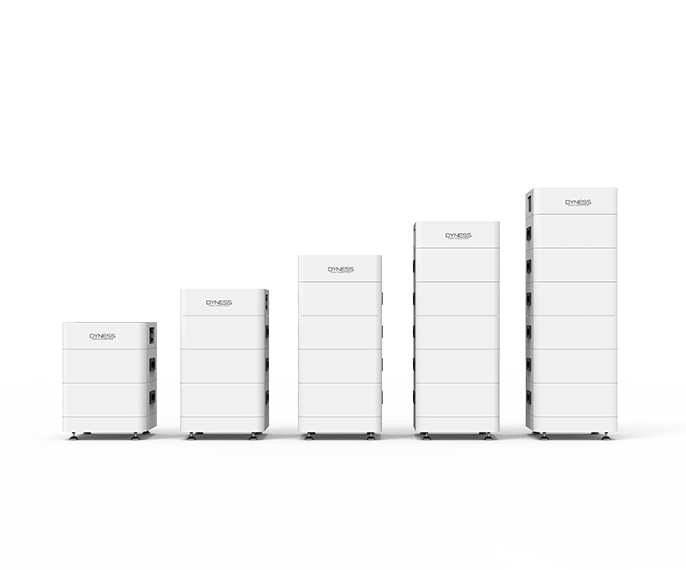
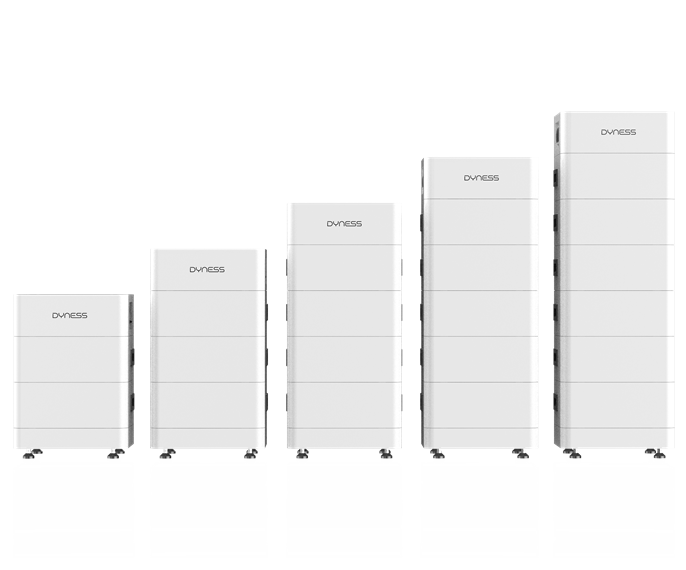
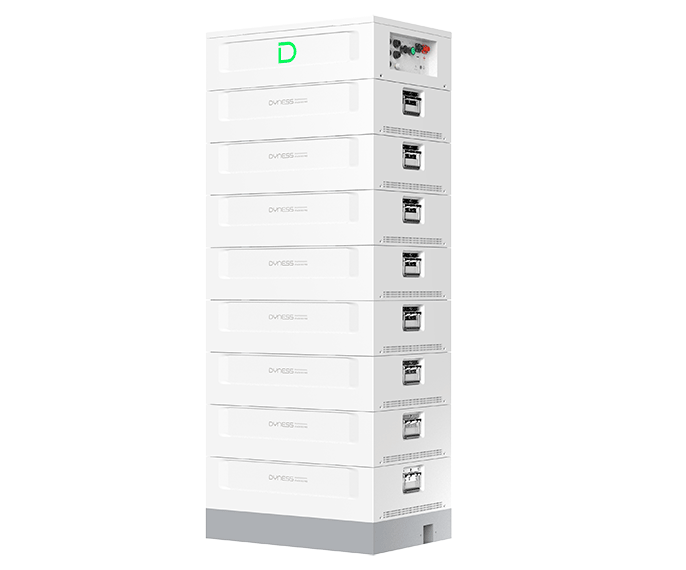
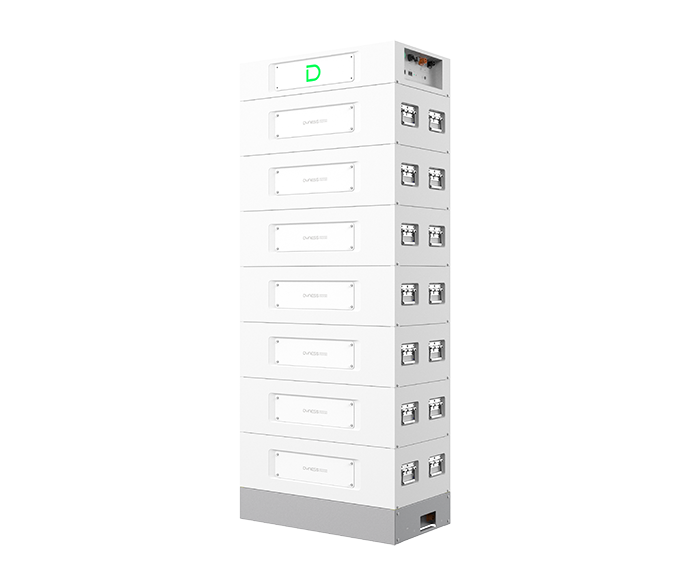
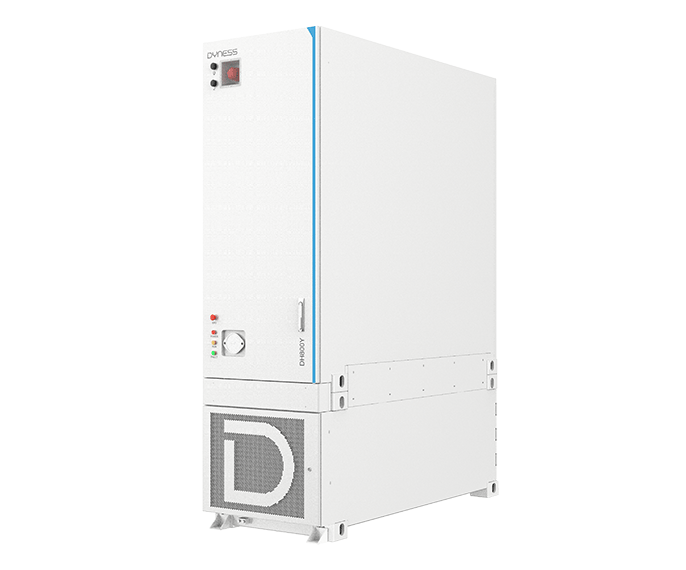
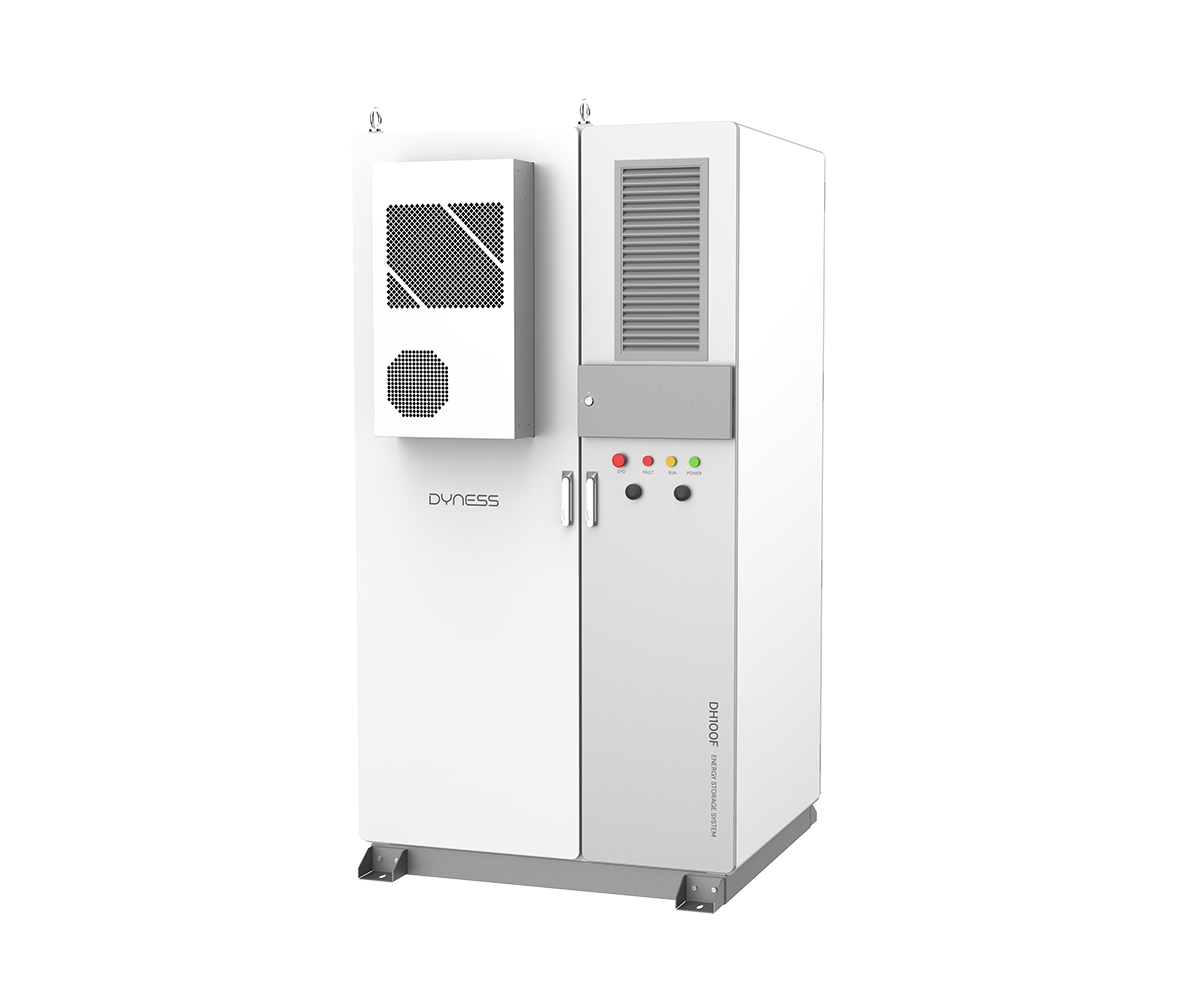
When comparing energy storage brands, the difference is rarely defined by one battery specification. A practical energy storage battery comparison should look at the complete solution: product choice, system compatibility, modular design, application coverage, intelligent management, and long-term service. Dyness takes a system-level approach to energy storage. Its portfolio covers residential, balcony, commercial, and industrial applications, while different battery architectures allow homeowners, installers, distributors, and project owners to select solutions according to system size, energy demand, installation conditions, and future expansion needs.
The right energy storage solution still depends on the user’s PV system, electricity demand, inverter, installation environment, and local requirements. Final configurations should always be confirmed according to the latest Dyness documentation, approved compatibility lists, and qualified installer assessment.

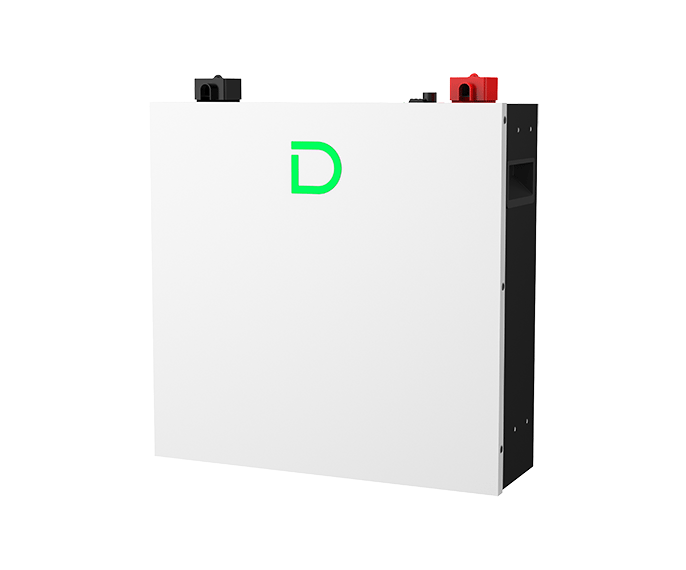
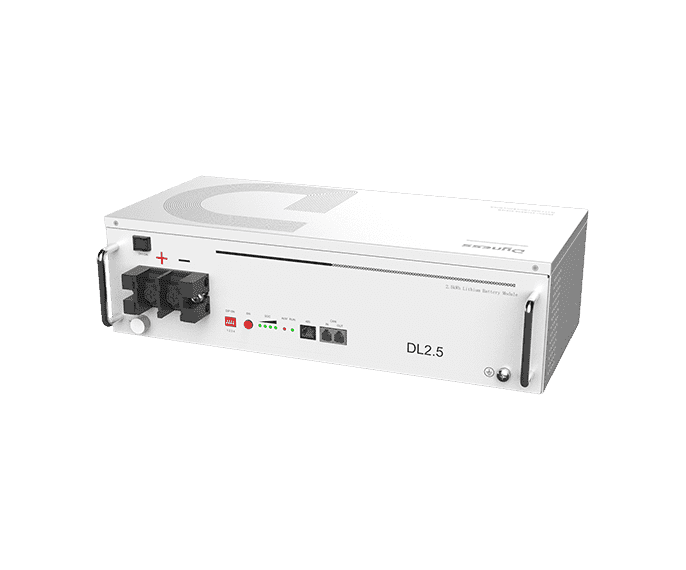
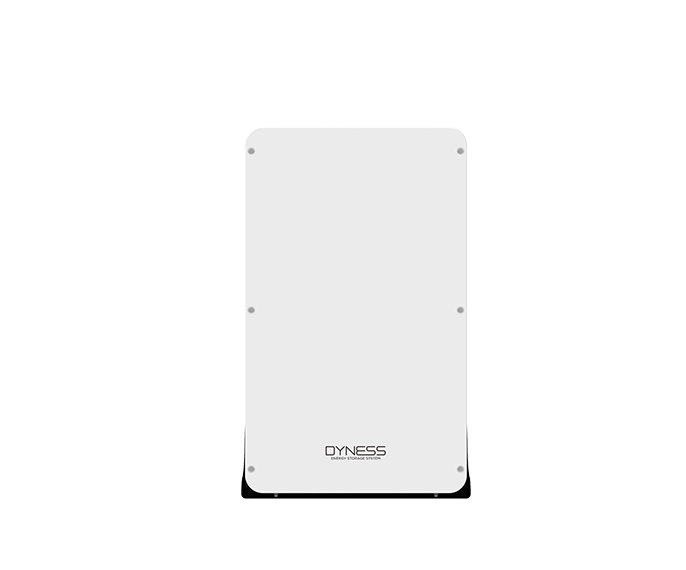
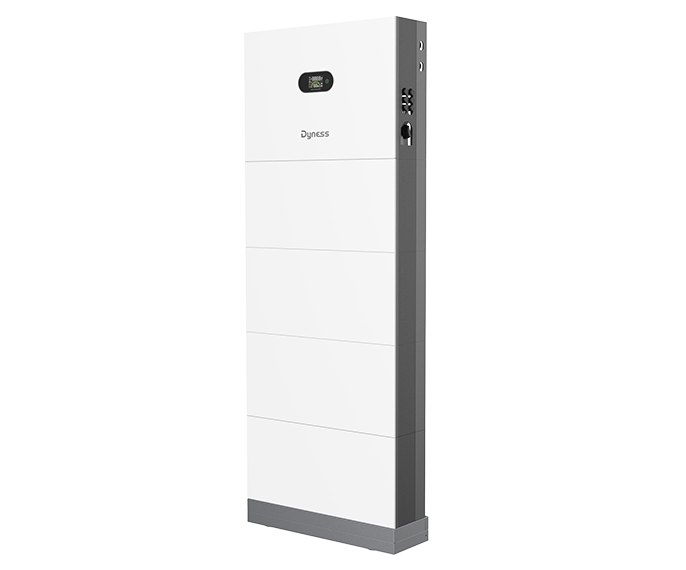
A Product Matrix for Different Energy Needs
Energy storage requirements are not the same for every user. A small household may need storage for solar self-consumption and backup, while a larger home may need more capacity for EV charging, heat pumps, or higher daily consumption.
Commercial and industrial customers may have different priorities, such as peak shaving, load management, PV utilization, and energy cost optimization.
This is why an energy storage brand should not be evaluated only by one battery model. A stronger comparison should look at whether the brand can provide suitable solutions for different applications.
| Application Need | Dyness Solution Direction | Typical Value |
|---|---|---|
| Compact residential or plug-in storage | AquaVolt or other suitable compact residential solutions where applicable. | Simplified deployment, solar self-consumption improvement, and easier daily energy management. |
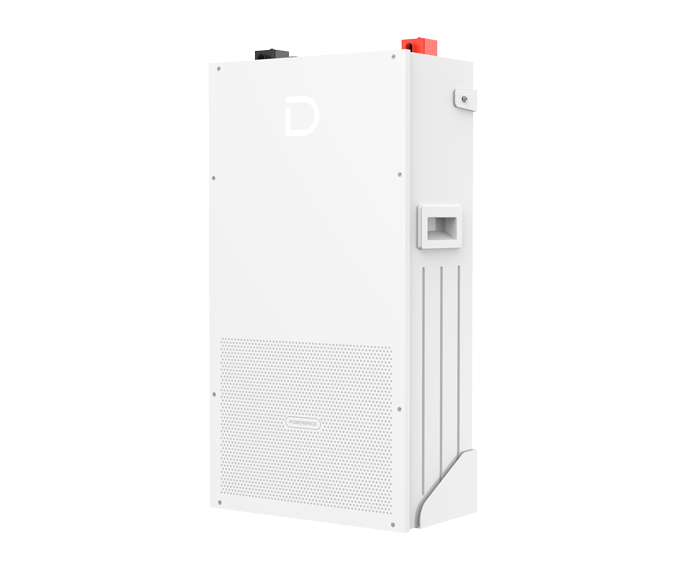
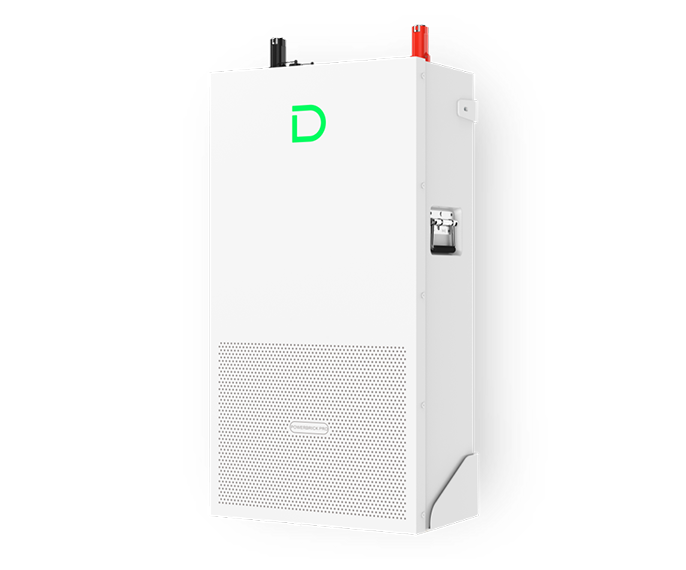
| Flexible residential storage | PowerBrick SC, PowerBox series, or other low-voltage residential platforms. | Flexible capacity planning, inverter matching, and support for household solar-plus-storage scenarios. |
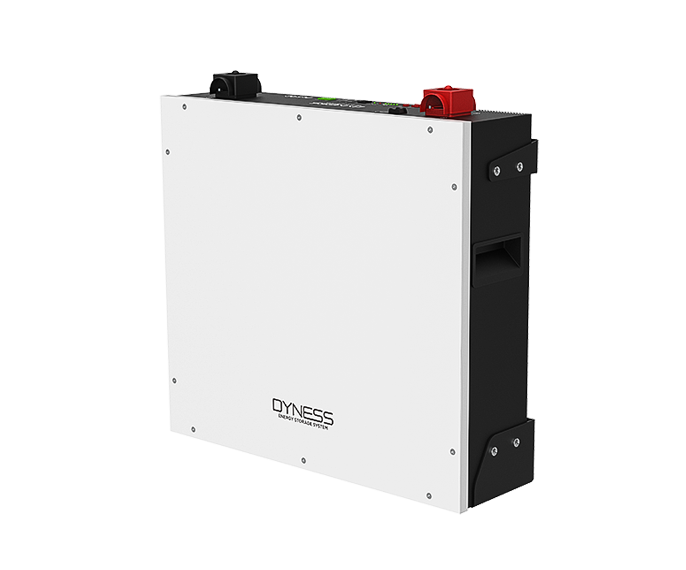
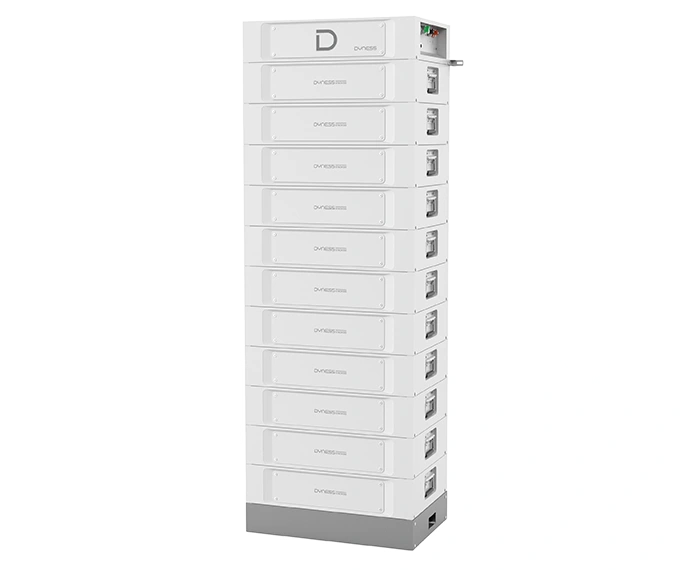
| Modular residential or small C&I applications | STACK100 or modular high-capacity platforms where compatible. | Scalable configuration, higher capacity potential, and stronger project design flexibility. |
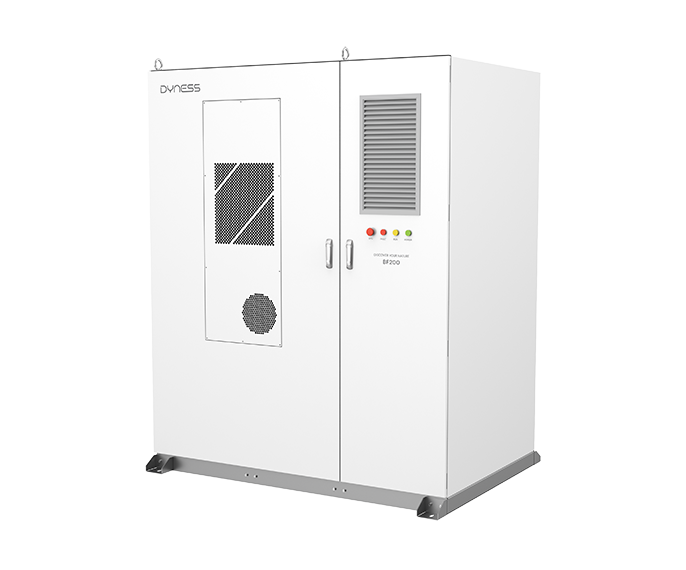
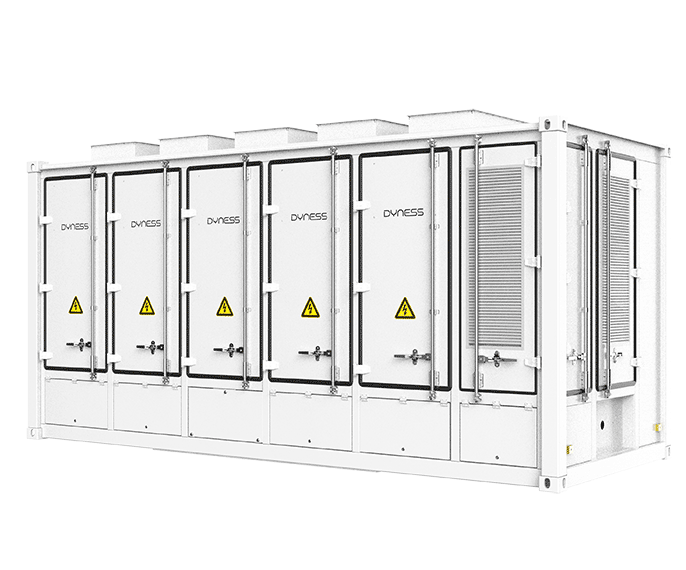
| Commercial and industrial energy management | DH200F-C260 or other C&I energy storage systems. | Peak shaving, PV utilization, load management, and energy cost optimization. |
This product matrix allows users and installers to start from the application scenario rather than simply choosing the battery with the largest capacity.

System Compatibility Matters More Than a Single Battery Spec
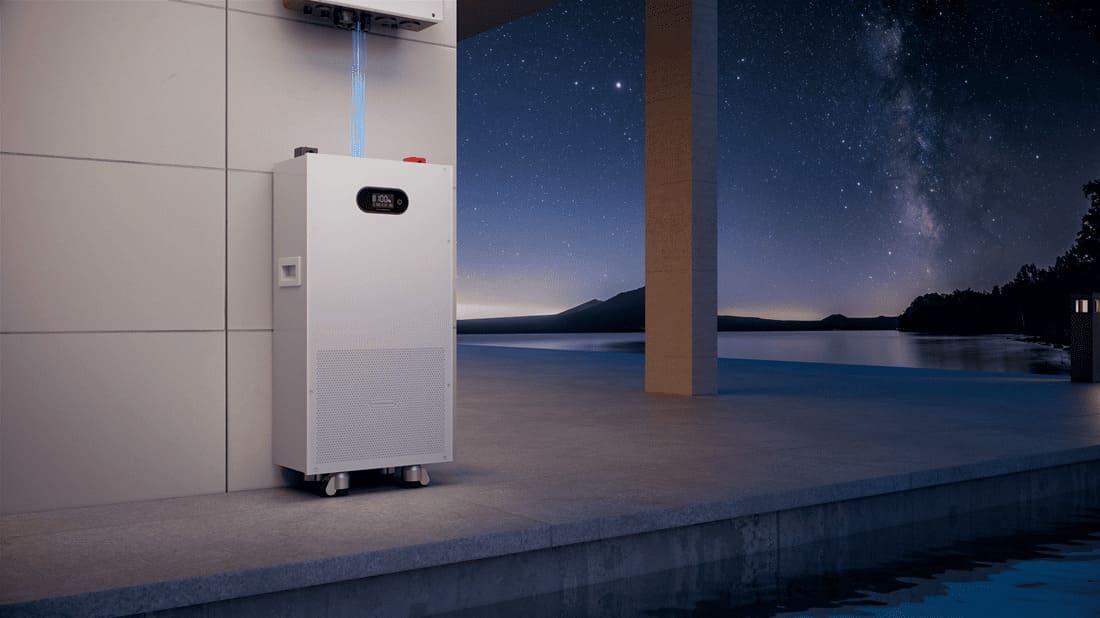
A battery is only one part of an energy storage system. It must work correctly with the inverter, PV system, communication protocol, protection devices, monitoring platform, and local grid requirements.
This makes system compatibility an important part of any Dyness vs. other energy storage brands comparison.
| Compatibility Check | Why It Matters |
|---|---|
| Battery and inverter compatibility | The inverter must support the selected battery model, voltage range, charge and discharge parameters, and operating logic. |
| BMS communication | Correct communication helps the inverter read battery SOC, protection status, charging limits, and discharging limits. |
| Voltage platform | Low-voltage and high-voltage battery systems require different inverter platforms and system designs. |
| Approved configuration | Parallel limits, module combinations, firmware versions, and wiring methods should follow approved documentation. |
| Local electrical requirements | Grid connection, safety protection, permitting, and installation practices vary by region. |
Dyness provides compatibility information for different product platforms, but compatibility should always be verified against the latest product documentation before installation or expansion.
Modular Design for Greater Flexibility
Energy needs can change over time. A homeowner may add an EV charger, install a heat pump, expand a PV system, or require longer backup. A business may also increase electricity demand as operations grow.
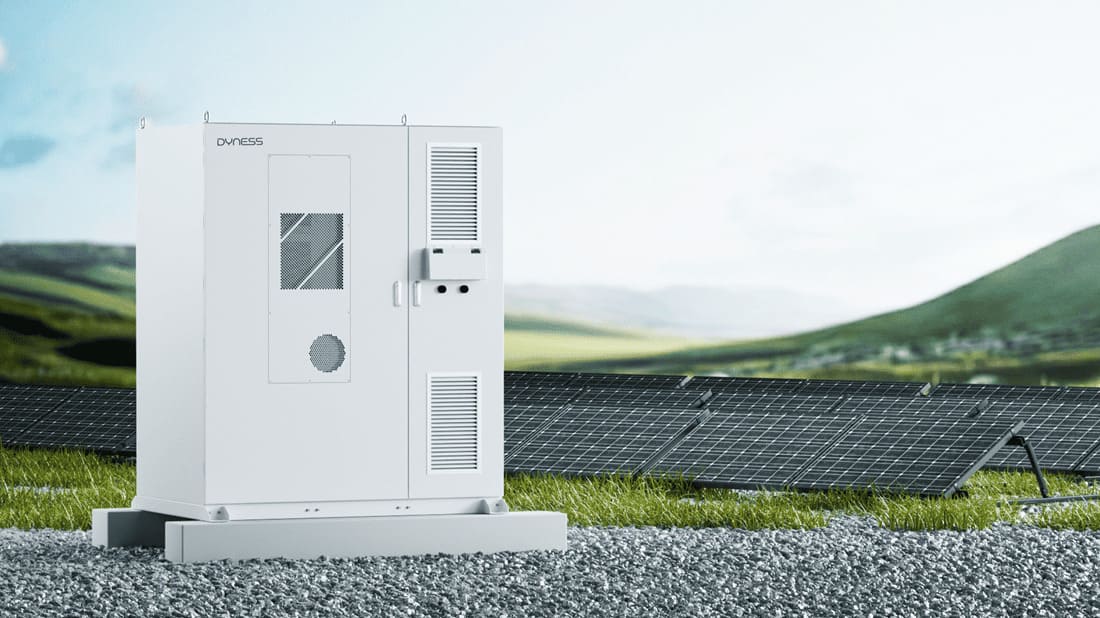
This is where modular energy storage can provide practical value. Instead of oversizing every system from day one, users can start with a suitable configuration and keep future expansion in mind where the product platform supports it.
| Modular Value | Practical Benefit |
|---|---|
| Right-sized initial configuration | Users can choose capacity based on current load and PV generation rather than over-investing from the beginning. |
| Future expansion path | Where supported, additional capacity can be considered when electricity demand grows. |
| Installer design flexibility | Installers can better match storage capacity with different household or project requirements. |
| Application adaptability | The system can be planned for solar self-consumption, backup, peak shaving, or mixed energy management needs. |
Expansion is always configuration-dependent. Battery model, system age, BMS communication, inverter compatibility, battery condition, firmware, and approved configurations must be checked before adding capacity.
One Portfolio for Multiple Applications
Energy storage is no longer limited to one use case. Residential users, installers, distributors, and commercial customers often evaluate storage from very different perspectives.
For households, common priorities include solar self-consumption, backup power, time-of-use tariff optimization, and greater energy independence.
For commercial and industrial users, priorities may include peak shaving, PV utilization, load management, emergency power support, and long-term energy cost control.
| User Type | Common Energy Storage Goals |
|---|---|
| Homeowners | Improve solar self-consumption, reduce grid dependence, support backup loads, and manage daily electricity use. |
| Installers | Match battery systems with inverters, household loads, installation conditions, and future expansion plans. |
| Distributors | Serve different customer profiles with a broader portfolio instead of relying on one battery architecture. |
| Commercial and industrial users | Reduce peak demand, improve PV utilization, stabilize energy costs, and support operational energy management. |
Dyness covers these different application levels through residential, balcony, modular, and C&I product platforms, allowing the solution to be selected according to real operating requirements.
Intelligent Management Beyond the Battery
An energy storage system is more than its battery cells. How the system is monitored and managed also affects its everyday value.
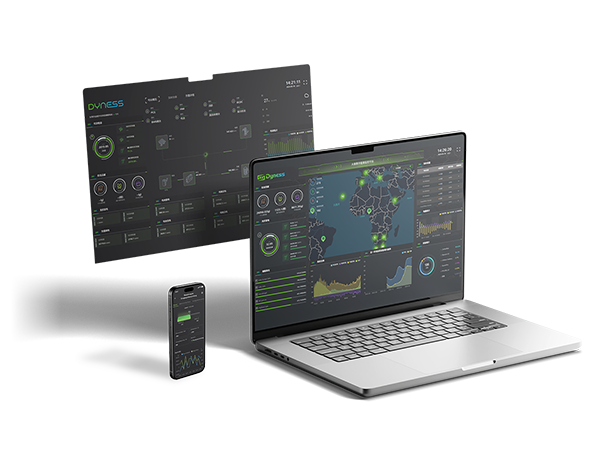
Through smart energy management and monitoring capabilities, users can better understand system operation, battery status, energy flow, and energy performance.
For homeowners, monitoring makes electricity use easier to understand. Users can see how much solar energy is generated, when the battery charges, when stored energy is used, and how the system interacts with the grid.
For installers, system data can support commissioning, operation review, troubleshooting, and service follow-up where the platform and configuration support these functions.
| Digital Capability | User Value |
|---|---|
| System monitoring | Helps users review battery SOC, charging, discharging, PV usage, and system status. |
| Energy flow visibility | Makes solar self-consumption, grid import, and stored energy usage easier to understand. |
| Remote support potential | Where supported, system information can help installers or technical teams identify issues more efficiently. |
| OTA or digital updates | Selected systems may support digital updates or remote service functions depending on product and platform configuration. |
The value of storage therefore depends not only on how much energy can be stored, but also on how effectively that energy can be monitored, managed, and supported over time.
Global Service for Long-Term Support
Choosing an energy storage brand is a long-term decision. Installation is only the beginning. Commissioning, technical support, troubleshooting, warranty service, documentation, and maintenance can all affect the ownership experience.
For installers and distributors, service capability matters because energy storage projects often require support beyond the initial sale. Technical documentation, product training, service processes, and local support resources are part of the overall solution.
Dyness has built a global product and service presence across international markets, with solutions covering residential and commercial energy storage applications.
This long-term support perspective is an important part of brand differentiation. A reliable energy storage solution should be evaluated not only by product performance, but also by how well it can be installed, operated, maintained, and supported throughout its lifecycle.
Final Takeaway
A useful Dyness vs. other energy storage brands comparison should look beyond battery capacity and price.
Dyness builds its differentiation around six connected capabilities: a broad product matrix, system compatibility, modular design, wide application coverage, intelligent energy management, and global service support.
Together, these capabilities allow homeowners, installers, distributors, and commercial customers to evaluate energy storage at the system level rather than choosing a battery in isolation.
Whether the goal is solar self-consumption, home backup, future energy expansion, or commercial energy management, the best solution is not necessarily the largest one. It is the system that fits the application, works with the surrounding energy system, and can be properly installed, managed, and supported throughout its lifecycle.
FAQ
-
Q: What makes Dyness different from other energy storage brands?

A: Dyness focuses on system-level energy storage solutions rather than relying on one battery specification. Its differentiation includes a broad product matrix, inverter compatibility, modular design, application coverage, intelligent energy management, and global service support.
-
Q: Is Dyness suitable for both residential and commercial energy storage?
A: Yes. Dyness offers different product platforms for residential, balcony, modular, and commercial and industrial applications. The appropriate solution depends on system size, load profile, PV capacity, inverter compatibility, and project requirements.
-
Q: Why is modular energy storage important?
A: Modular design can help users select a suitable starting capacity and, where supported, provide a path for future expansion. This is useful when electricity demand may increase due to EV charging, heat pumps, PV expansion, or longer backup needs.
Learn More