
























What are the Main Advantages of Dyness?


Get notified about new updates, products, tips and tutorials. No spam.
Dyness offers several key advantages for residential and commercial energy storage users, including long-life LiFePO4 battery technology, strong BMS protection, flexible inverter compatibility, and scalable solutions for different energy scenarios.
For homeowners, installers, and businesses, the value of Dyness is not limited to battery hardware. Its advantages come from reliable system design, open integration, broad product coverage, and practical support for solar self-consumption, backup power, peak shaving, and long-term energy management.

Long-Life Battery Design for Long-Term Value
One of the main advantages of Dyness is its focus on long-term battery value. An energy storage system is not a short-term appliance; it is usually expected to support a home or business for many years. This makes battery lifespan, stability, and system protection especially important.
Dyness energy storage products are widely based on LiFePO4 battery technology, which is commonly used in stationary energy storage because of its strong thermal stability, long cycle life, and reliable safety performance.
Long-term reliability also depends on how the battery is managed in daily use. Battery temperature, charge and discharge rate, depth of discharge, system sizing, inverter matching, and installation environment can all affect real-world performance.
For users, this means Dyness systems are designed not only to store electricity, but also to support daily solar self-consumption, backup power, and long-term energy management with stable performance over time. Final technical details should always be confirmed with the specific product datasheet and official warranty terms.
Open Compatibility with Mainstream Energy Systems
A major advantage of Dyness is its open compatibility approach. In many solar-plus-storage systems, the inverter acts as the core control unit, so battery-inverter communication is essential for stable charging, discharging, monitoring, and protection.
Instead of forcing users into a closed ecosystem, Dyness supports compatibility with many mainstream global inverter brands, depending on the battery model and approved compatibility list.
This gives homeowners more flexibility when building or upgrading a solar battery system. It also gives installers more freedom to design systems according to local market availability, project requirements, user budgets, and site conditions.
Before installation, users should still confirm the latest Dyness inverter compatibility documentation. Compatibility may vary by product model, inverter brand, firmware version, and regional configuration.
Scalable Solutions for Residential, Balcony, and C&I Scenarios
Another important advantage of Dyness is its broad product coverage. Different homes and businesses have different energy goals, so a strong energy storage brand should offer flexible system options across multiple scenarios.
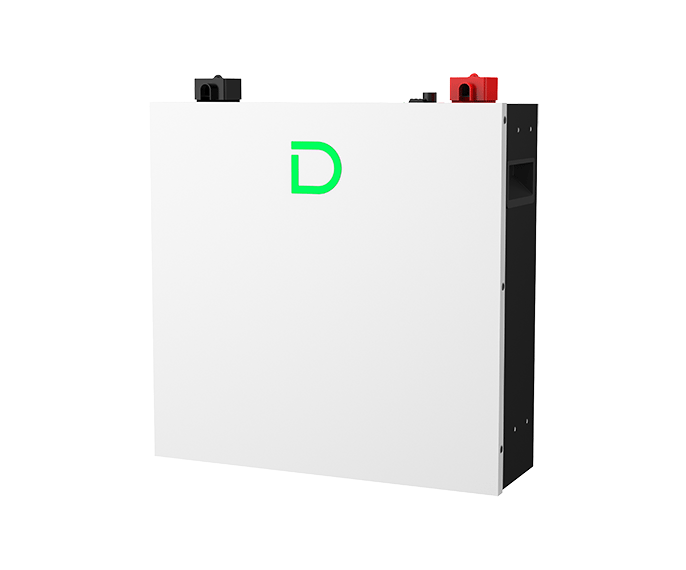
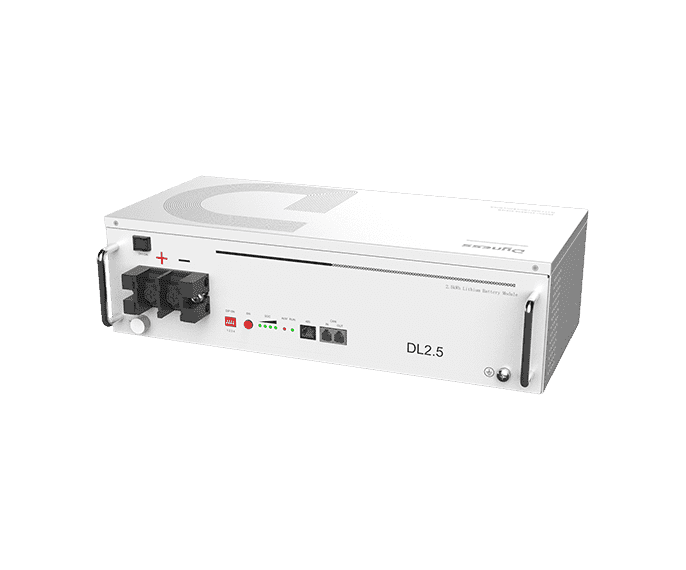
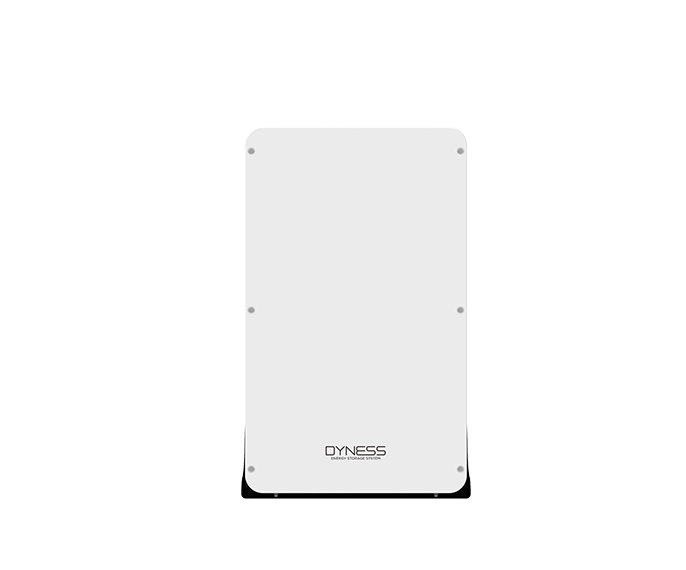
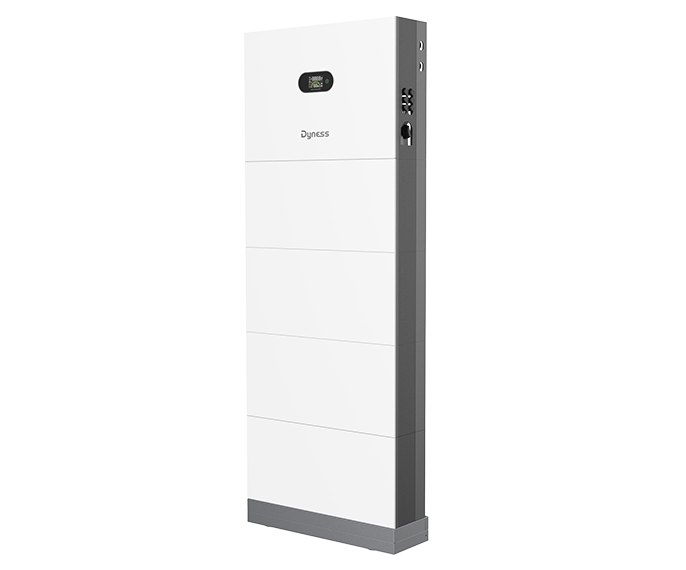
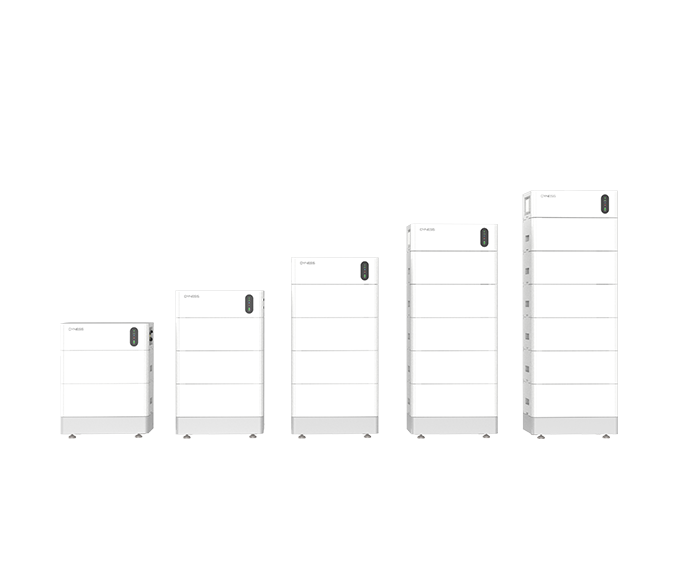
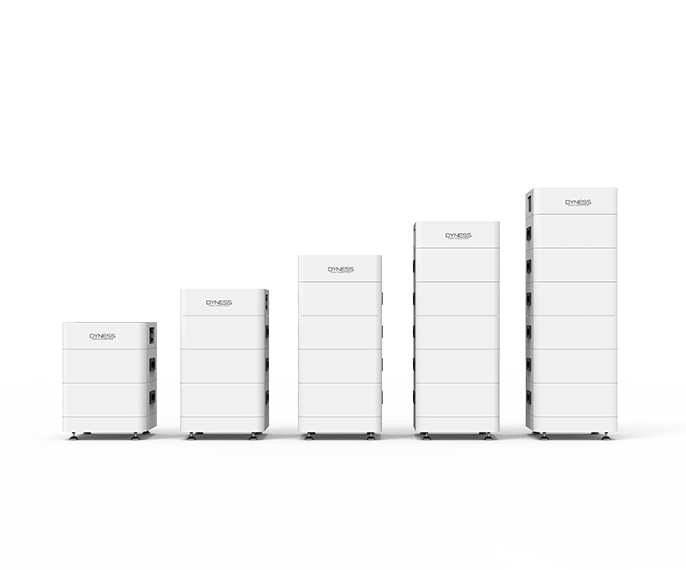
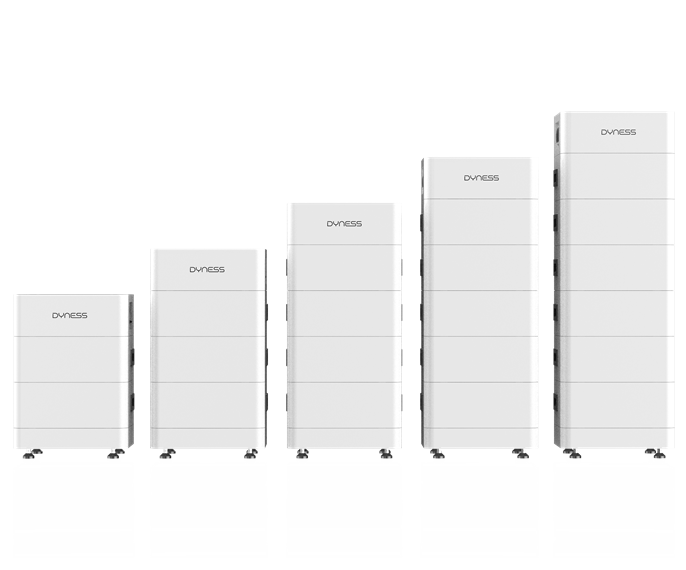
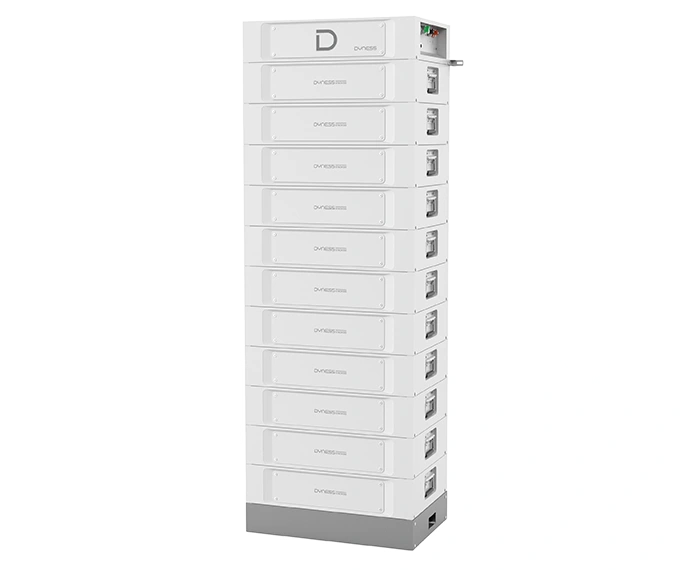
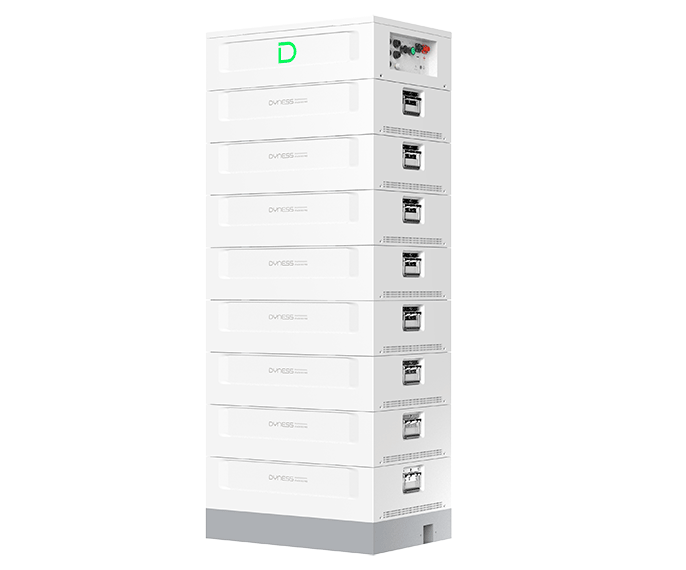
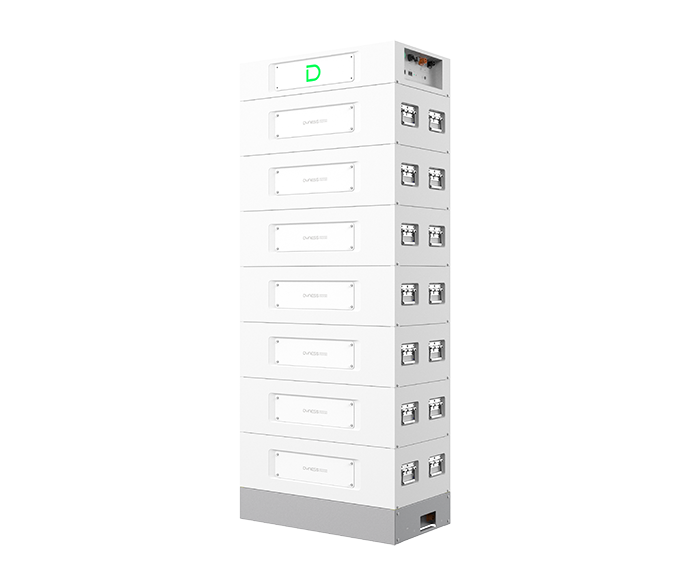
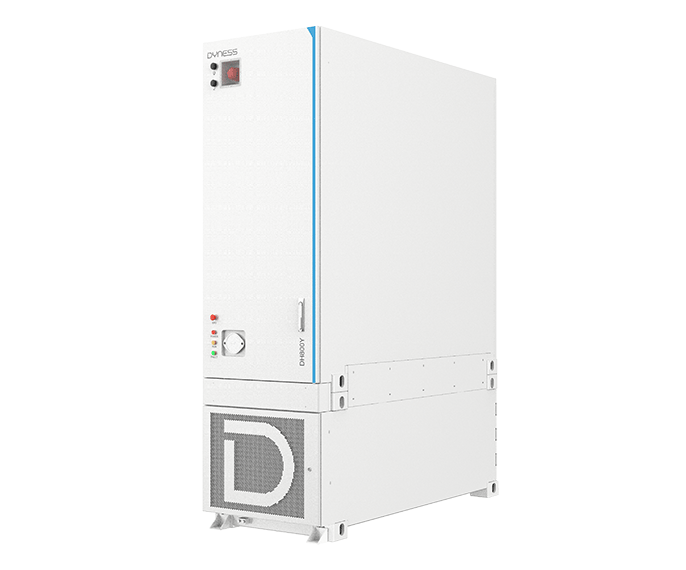
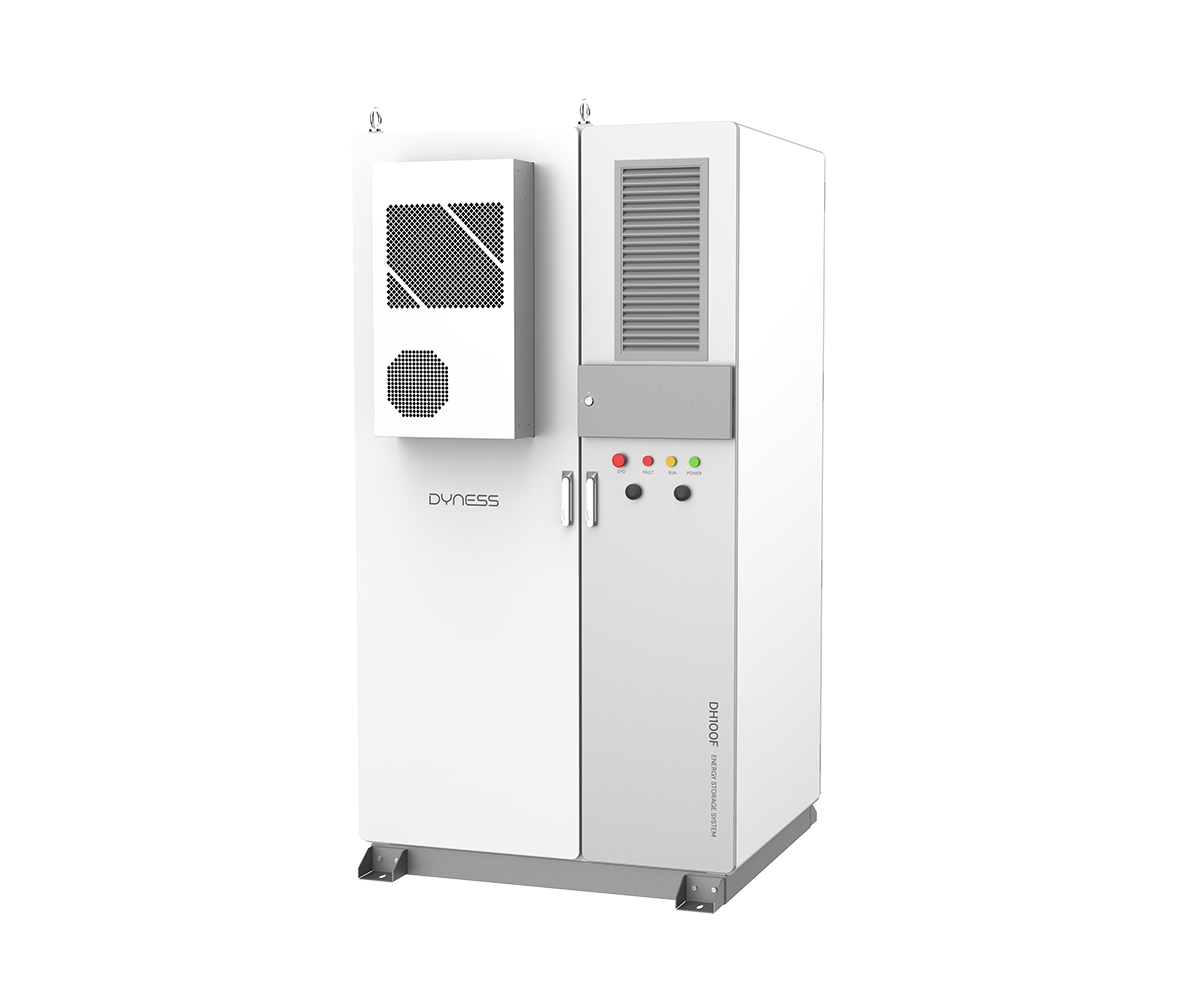
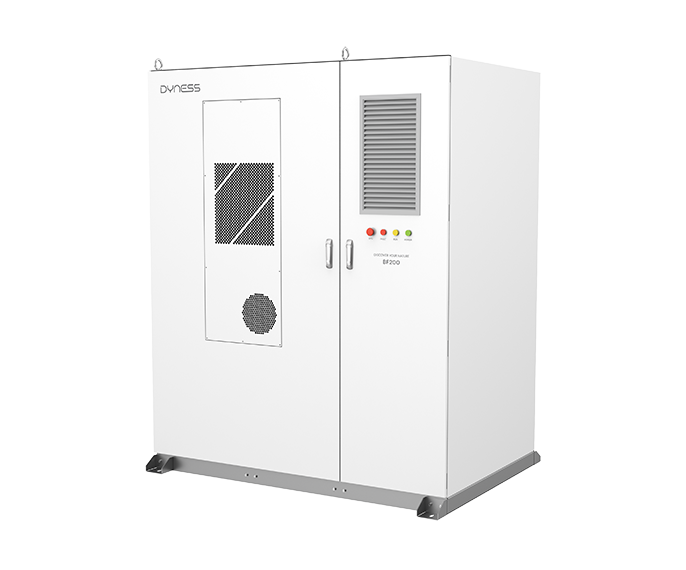
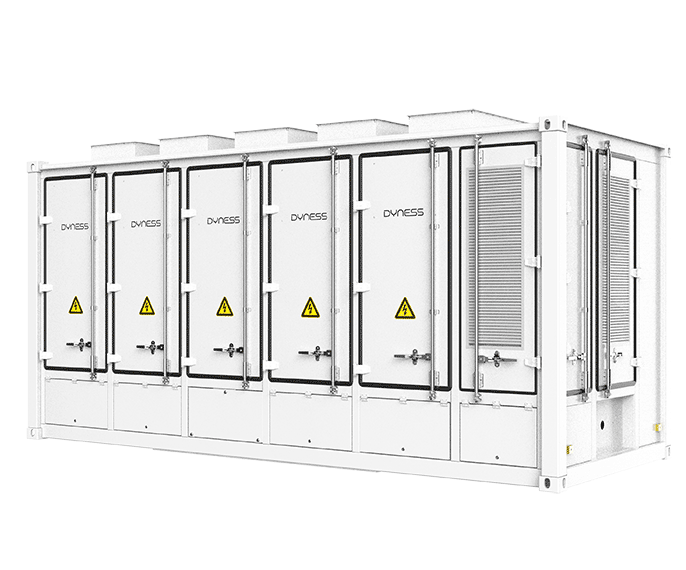
Dyness provides energy storage solutions for residential storage, balcony solar storage, home backup, high-voltage home storage, commercial and industrial energy storage, and larger capacity applications.
This allows users to choose a system based on their real energy goals rather than adapting their needs to one fixed product. A small household may focus on solar self-consumption and backup power, while a commercial site may care more about peak shaving, load management, and operational continuity.
| User Need | Dyness Advantage |
|---|---|
| Residential solar self-consumption | Battery systems can store excess solar energy for evening or backup use. |
| Home backup power | Solutions can support essential loads during grid outages when properly configured. |
| Balcony and apartment energy storage | Compact storage options can support urban users with limited installation space. |
| Commercial energy management | C&I systems can help with peak shaving, load control, and energy cost optimization. |
| Future expansion | Scalable product platforms help users plan for changing energy demand. |
Smart Energy Management and Future-Ready Integration
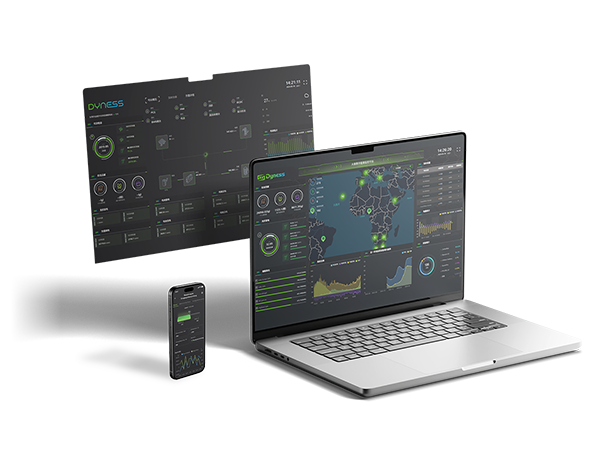
Energy storage is becoming more digital. Modern battery systems are no longer only used to store electricity; they also need to communicate with inverters, monitoring platforms, energy management systems, and sometimes grid-interactive programs.
Dyness supports this shift by building energy storage solutions that can work within modern solar-plus-storage and energy management environments. System communication, monitoring, compatibility, and upgrade capability all play a role in long-term system value.
For users, this means a Dyness battery system can be part of a broader energy strategy rather than a standalone device. It can support solar self-consumption, backup power, energy cost management, and future energy applications when properly matched and configured.
As grid regulations, electricity pricing, and energy management models continue to evolve, future-ready system design becomes increasingly important. Users should consider not only today’s energy needs, but also future load growth, solar expansion, EV charging, heat pump adoption, and possible energy market participation.
Final Takeaway
The main advantages of Dyness come from a combination of long-life LiFePO4 battery technology, BMS protection, open inverter compatibility, scalable product design, and broad application coverage across residential and commercial energy storage.
For homeowners, Dyness can support solar self-consumption, backup power, and long-term home energy management. For businesses, Dyness solutions can support peak shaving, load management, backup power, and improved energy resilience when the system is correctly designed and installed.
For the best result, users should choose a Dyness solution based on real energy demand, solar system size, installation environment, backup expectations, inverter compatibility, and local regulations. The strength of Dyness is not only in its battery products, but in its ability to support practical, flexible, and future-ready energy storage systems.

FAQ
-
Why is Dyness investing heavily in energy digitalization and ecological expansion beyond hardware?

Because the future of energy is not isolated. Dyness Solutions are evolving from static storage devices into Dynamic Digital Energy Nodes. Our expansion aims to break down the communication barriers between hardware and the grid, and between hardware and the user. By building an energy ecosystem that includes software, cloud platforms, and diverse terminals, Dyness empowers user assets with the potential to "participate in energy interaction." This expansion ensures that when future energy markets transform, Dyness users are the first to capture additional economic dividends and management efficiencies through our ecosystem.
-
How should we interpret the performance of Dyness Solutions across different climates?
Brand reliability originates from a global perspective. Dyness Solutions have been verified in over 100 countries. From the tropical high humidity of Africa to the sub-arctic cold of Northern Europe, this Full-scenario Survivability is the technological bedrock upon which the Dyness brand is trusted by users across diverse cultures and environments.
-
How do you evaluate the span of Dyness Solutions from Balcony ESS to large-scale C&I systems?
This Full-scenario Coverage is a testament to the depth of the Dyness brand. we do not just provide a single specification of battery; we are building an elastically scalable energy architecture. Whether it is a lightweight system powering a coffee machine or a megawatt-scale solution supporting an entire factory, the underlying logic shares the same rigorous safety algorithms and longevity management. This "Omni-scenario Empowerment" ensures that regardless of the user's life stage, Dyness provides the most precise energy support.
Learn More