
























Is Dyness a Reliable Energy Storage Brand?


Get notified about new updates, products, tips and tutorials. No spam.
Yes, Dyness can be considered a reliable energy storage brand for users who value certified battery safety, flexible inverter compatibility, LiFePO4 battery technology, and scalable solutions for residential and commercial energy storage.
A reliable energy storage system depends not only on battery hardware, but also on BMS protection, safety certifications, correct system matching, professional installation, and long-term support. Dyness builds its reliability around these key factors.

1. What Makes an Energy Storage Brand Reliable?
When choosing an energy storage brand, reliability should not be judged by one single factor. A battery system is part of a larger electrical and energy management environment, so long-term performance depends on the combined quality of hardware, software, safety design, compatibility, installation, and after-sales support.
A reliable energy storage brand should be able to answer several key questions:
- Are the batteries built with stable and proven chemistry?
- Does the system include strong BMS protection?
- Are the products certified for major international markets?
- Can the battery work with mainstream inverter brands?
- Is the product suitable for different residential and commercial scenarios?
- Does the brand provide warranty and technical support?
From this perspective, Dyness reliability is built around safety, compatibility, product diversity, and long-term system value.
2. Safety, Certifications, and Battery Technology
Battery safety is one of the most important factors in any residential or commercial energy storage system. Since home batteries may be installed indoors, in garages, technical rooms, utility spaces, or commercial buildings, safety design must be considered from the cell level to the system level.
Dyness products are designed to meet international safety and compliance requirements across different markets. Depending on the product model and region, Dyness energy storage systems may involve certifications and standards such as UL9540A, TÜV, CE, IEC 62619, JET for Japan, and CEC for Australia.
Dyness energy storage systems are widely based on lithium iron phosphate battery technology, also known as LiFePO4 or LFP. This chemistry is commonly used in stationary energy storage because it offers strong thermal stability, long cycle life, and a good balance between safety and performance.
The battery management system, or BMS, is another key part of system reliability. It monitors voltage, current, temperature, cell balance, charge protection, discharge protection, and system communication. A well-designed BMS helps reduce the risk of overcharge, over-discharge, overheating, and abnormal operation.
Before final selection, users should always confirm the exact certification status and operating limits of the specific Dyness model they plan to install, as certification coverage may vary by product series and local market.
3. Compatibility and System Flexibility
One of the practical strengths of Dyness is its open compatibility approach. Instead of limiting users to a narrow closed ecosystem, Dyness batteries are designed to work with a wide range of global inverter brands, depending on the product model and approved compatibility list.
This matters because the inverter is the control center of many solar-plus-storage systems. If the battery and inverter cannot communicate properly, the system may not charge, discharge, monitor, or protect itself as expected.
For homeowners, broad inverter compatibility provides more flexibility when choosing or upgrading a solar storage system. For installers, it makes project design easier because they can match Dyness batteries with different inverter options according to site conditions, user needs, and local market availability.
Users should still confirm the latest Dyness inverter compatibility list before installation. Compatibility may vary by battery model, inverter brand, firmware version, and regional configuration.
4. Residential and Commercial Energy Storage Applications
A reliable energy storage brand should not offer only one type of battery. Different users have different energy goals, and a one-size-fits-all product approach is rarely enough.
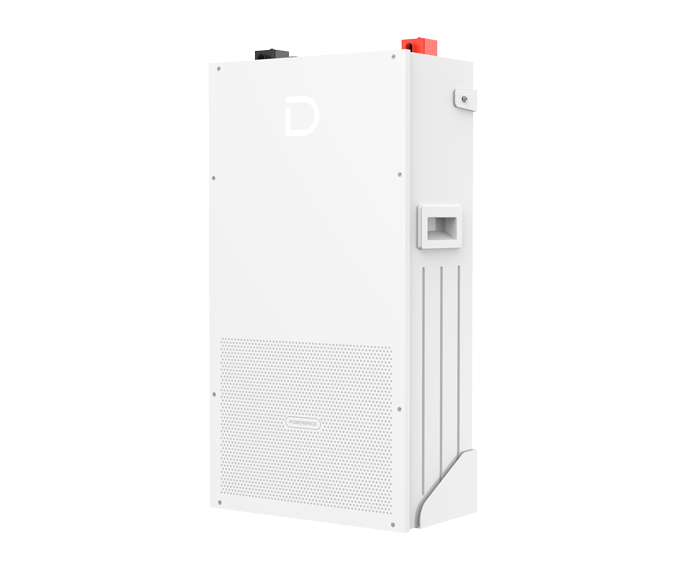
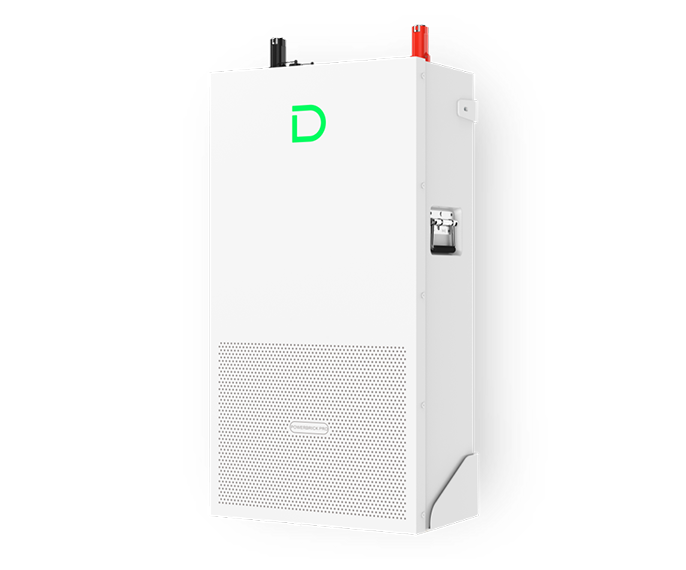
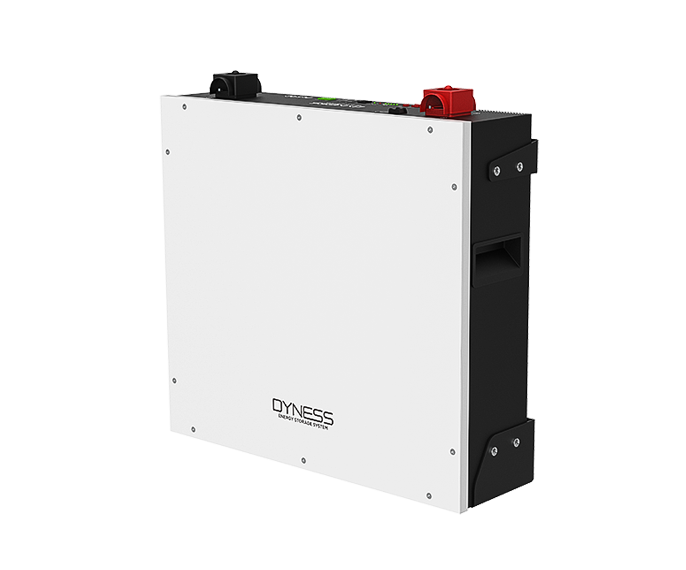
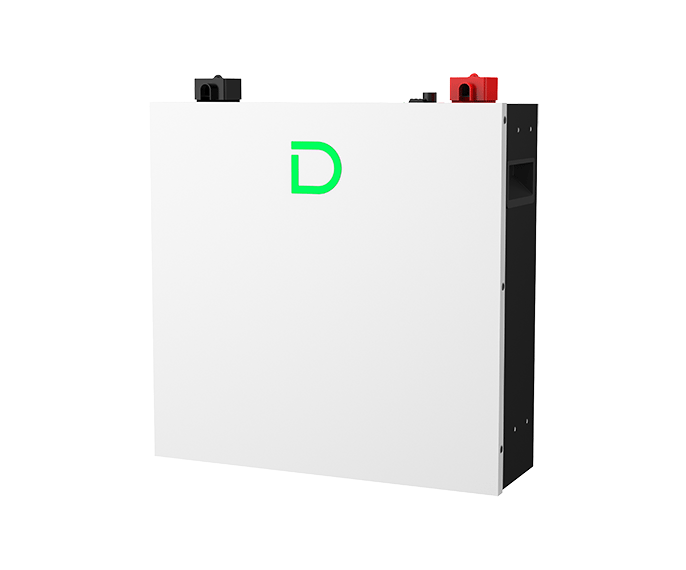
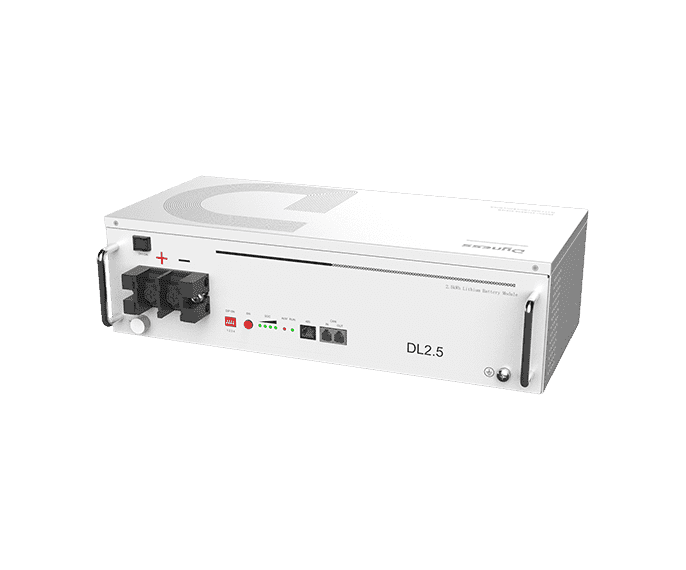
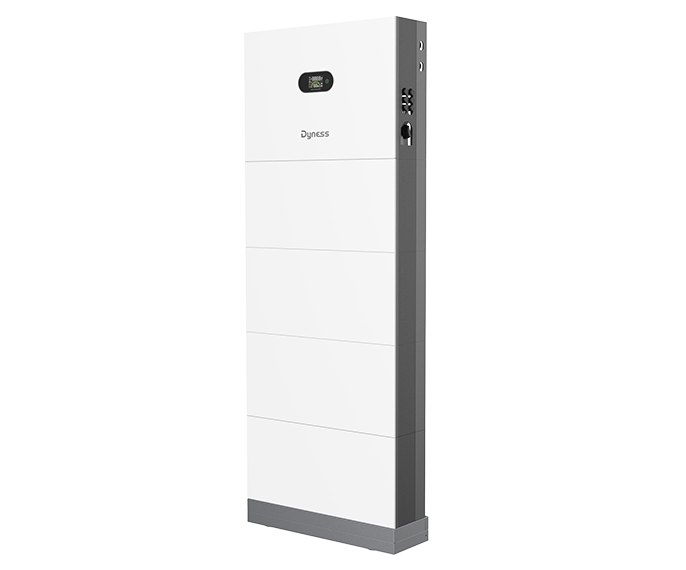
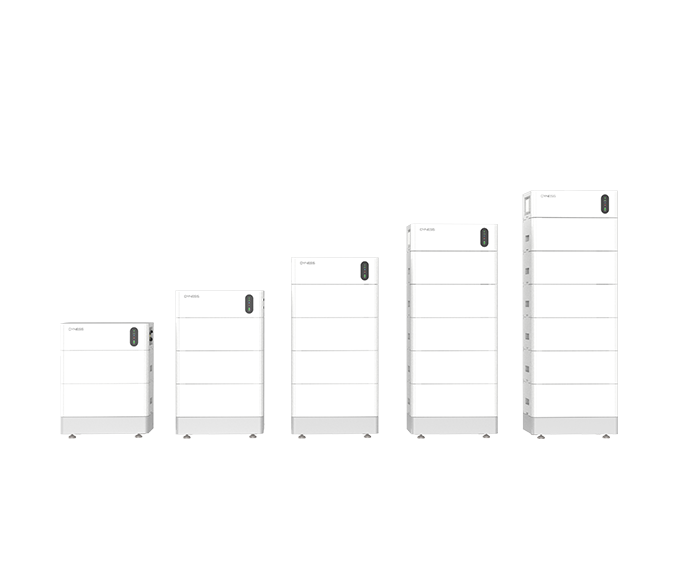
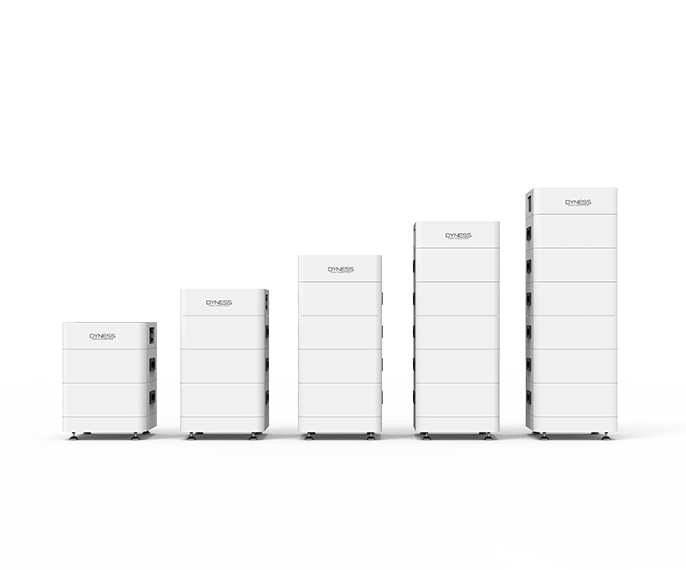
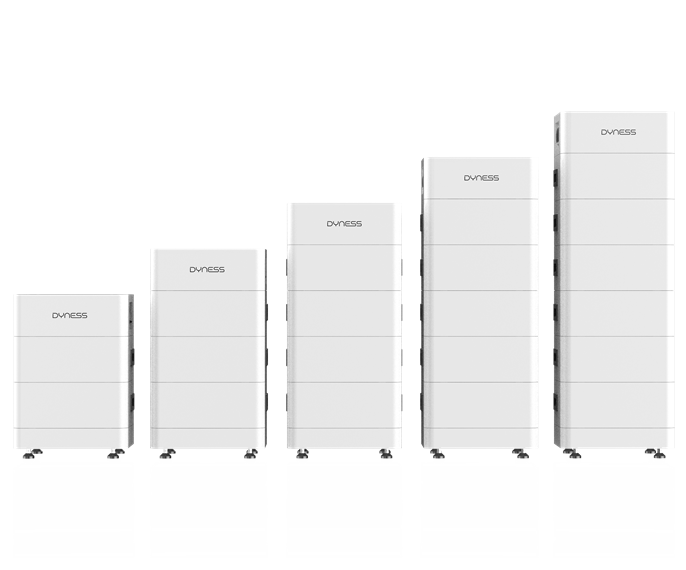
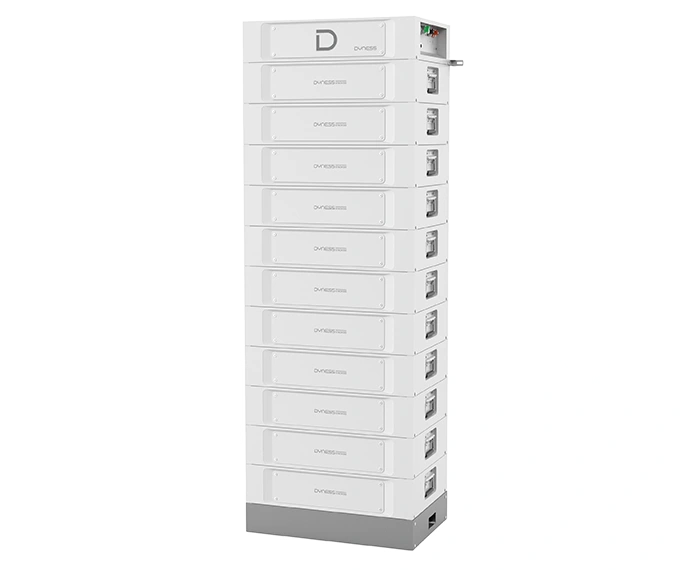
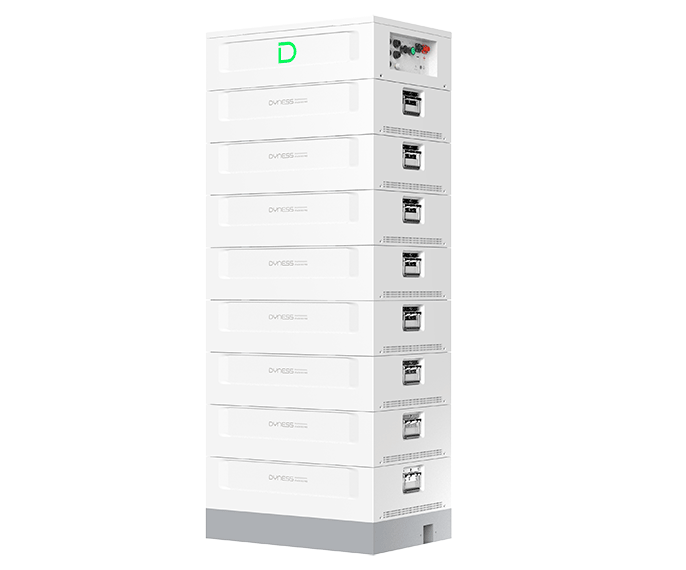
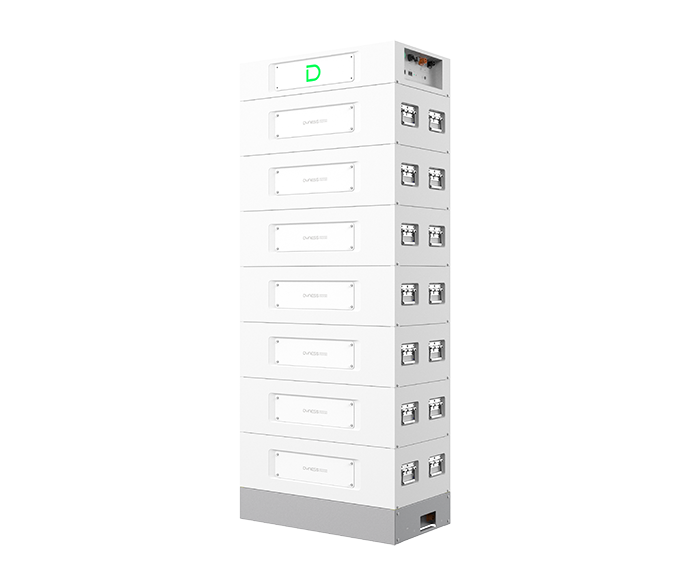
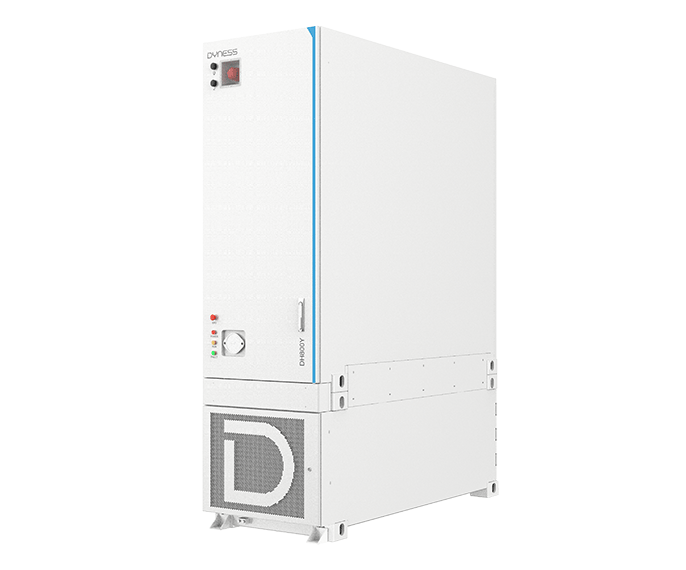
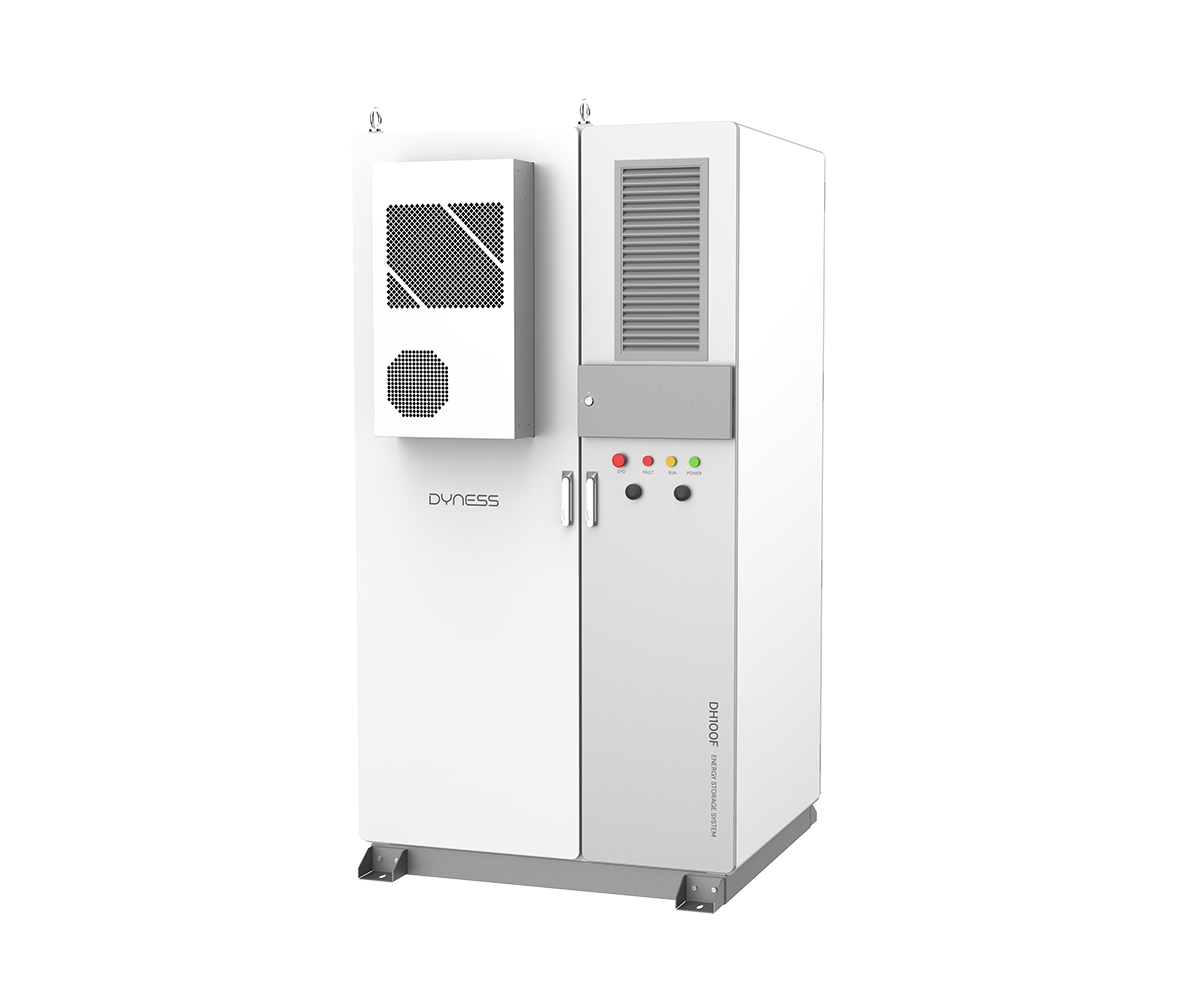
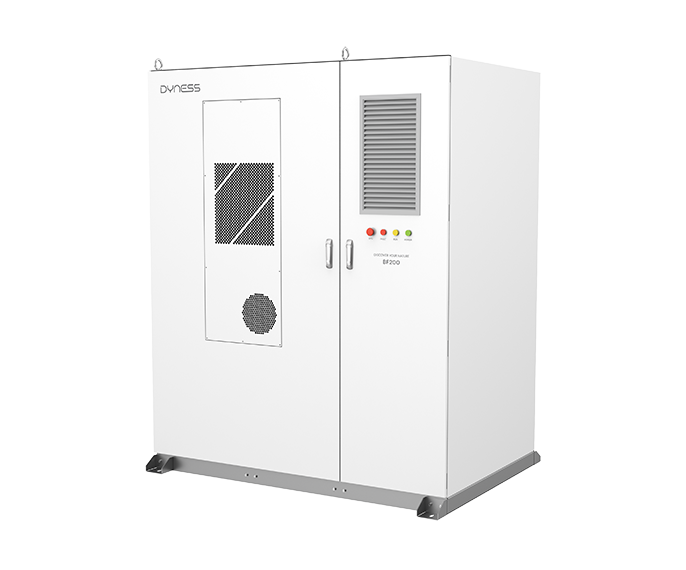
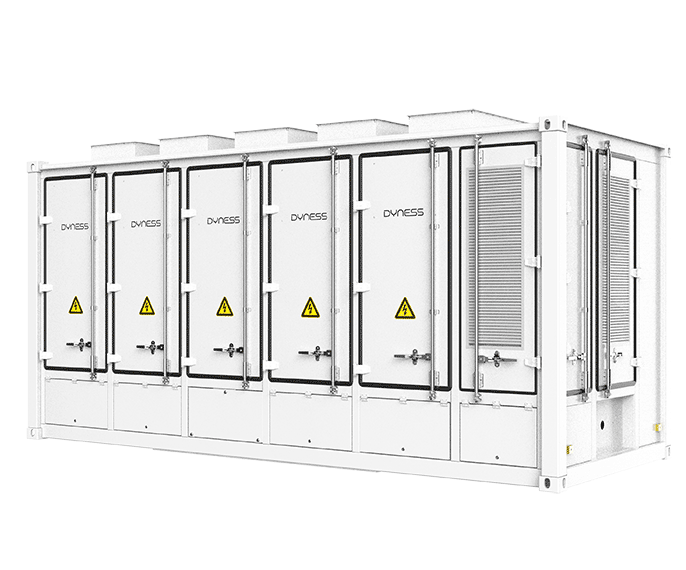
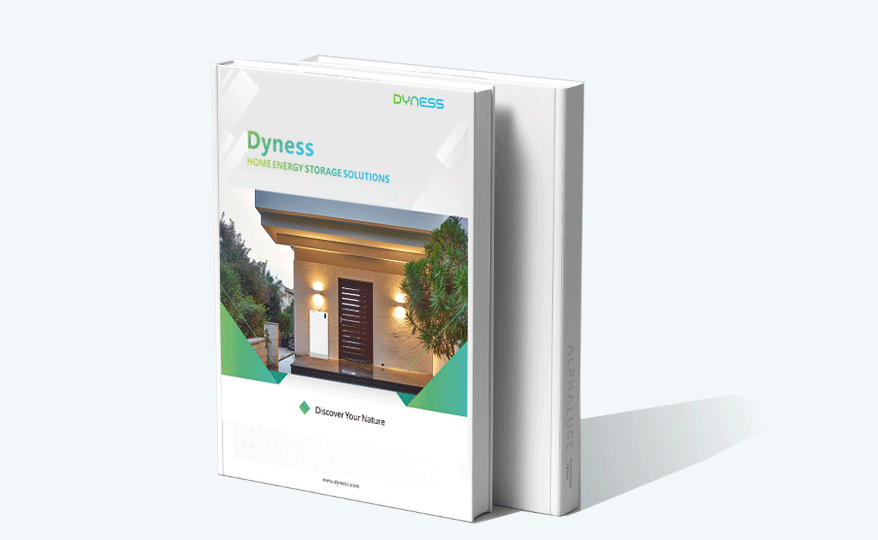
Dyness provides energy storage solutions for multiple scenarios, including residential storage, high-voltage home storage, commercial and industrial storage, and larger capacity applications. Product platforms such as PowerBrick Series, Tower Series, STACK100 Pro, and other Dyness solutions can support different power, capacity, and installation requirements.
For homeowners, Dyness energy storage systems can support solar self-consumption, backup power during outages, reduced grid dependence, future energy demand growth, and more flexible home energy management.
For commercial and industrial users, reliability is connected not only to battery lifespan, but also to operational continuity and energy cost control. C&I users may need energy storage for peak shaving, load management, backup power, solar-plus-storage integration, demand charge reduction, and improved energy resilience.
Because C&I energy storage projects are more complex than typical residential installations, professional system design, grid compliance review, and installation assessment are especially important.
5. What to Check Before Choosing Dyness
Before choosing any energy storage brand, users should check the details of the specific system rather than relying only on brand-level claims.
| What to Check | Why It Matters |
|---|---|
| Product certification | Confirms whether the model meets relevant safety and market requirements. |
| Battery chemistry | Affects safety, cycle life, and long-term performance. |
| BMS protection | Supports safe charging, discharging, balancing, and system protection. |
| Inverter compatibility | Determines whether the system can communicate and operate correctly. |
| Warranty terms | Clarifies long-term service coverage and user protection. |
| Installation environment | Temperature, ventilation, and space affect real-world reliability. |
| System sizing | Battery capacity must match actual load and solar generation. |
| Local regulations | Installation and grid-connection requirements vary by market. |
A reliable battery brand is important, but the system must also be correctly matched, installed, and operated within official specifications. Users should avoid assuming that certification, warranty, or brand reputation alone can replace proper system design.
6. Final Takeaway
Dyness is a reliable energy storage brand for users who are looking for safe, compatible, and scalable battery solutions. Its value lies not only in battery hardware, but also in system-level reliability, including BMS protection, LiFePO4 chemistry, certifications, inverter compatibility, and product options for different application scenarios.
For the best long-term result, users should choose the right Dyness product according to their energy goals, solar system size, backup needs, installation environment, and local regulations. A reliable battery brand is important, but correct system design and professional installation are equally essential.

FAQ
-
What makes Dyness a reliable choice for residential and commercial ESS?

Dyness is trusted globally due to its focus on Industrial Compliance and Interoperability. By passing the UL9540A fire safety test and providing native support for over 30 inverter protocols, Dyness offers a level of technical reliability that generic or budget-focused brands cannot match.
-
How does the Dyness "Open Ecosystem" benefit the end-user?
It provides Freedom of Choice. With Dyness, you are not locked into a single manufacturer's ecosystem. If you want to switch or upgrade your inverter in the future, your Dyness battery remains fully compatible, protecting your initial investment from technological obsolescence.
-
What is the expected real-world lifespan of a Dyness battery system?
While the official warranty is 10 years, Dyness systems are engineered for "Life-Cycle Value." With industrial-grade cells rated for 8,000 deep cycles and a high-precision BMS that monitors State of Health (SoH) at the cell level, Dyness hardware provides significant design life redundancy. This exceptional cycle durability ensures that both homes and businesses possess an incredibly robust, long-term power asset capable of maintaining high performance across multiple energy cycles under standard operating conditions.
Learn More