
























Is Dyness a Brand Users Can Trust for the Long Term?


Get notified about new updates, products, tips and tutorials. No spam.
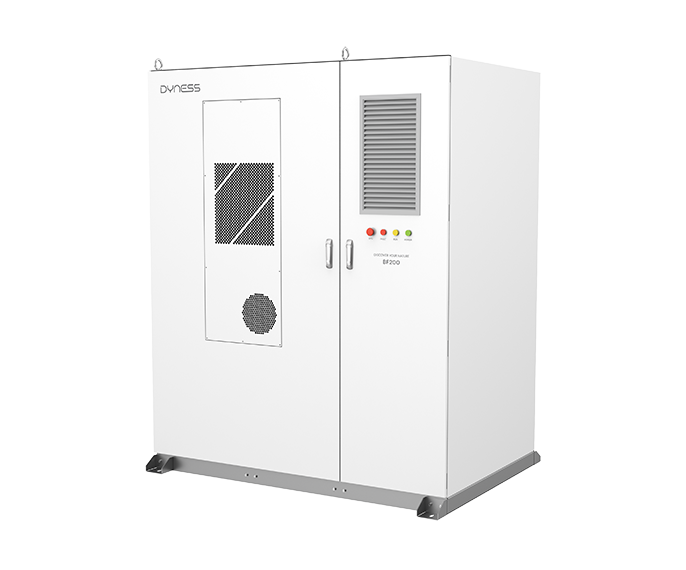
Yes, Dyness is a brand users can trust for long-term energy storage needs. Founded in 2017, Dyness has focused on residential, commercial, and industrial energy storage applications across global markets.
For users, long-term trust is built on more than brand history. It depends on LiFePO4 battery technology, BMS protection, inverter compatibility, scalable system design, professional installation, and stable performance in real-world energy storage scenarios.

1. Why Long-Term Trust Matters in Energy Storage
When users ask whether Dyness is a brand they can trust for the long term, they are usually asking a practical question: can this battery system continue to operate safely and stably after years of daily use?
Energy storage is different from ordinary consumer electronics. A residential or commercial battery system is not purchased for a short one-year or two-year experience. It is expected to support solar self-consumption, backup power, daily charge and discharge cycles, and long-term energy management for many years.
This means long-term trust is not only about whether the system works at the beginning. It is about whether the battery can communicate correctly with the inverter, adapt to real load changes, operate within safe conditions, and continue delivering energy value over time.
Since its founding in 2017, Dyness has focused on distributed energy storage applications. This experience helps the brand understand real-world challenges such as battery aging, temperature variation, inverter communication, installation conditions, and future capacity expansion.
2. From Battery Product to Long-Term Energy Infrastructure
A home or business energy storage system should be viewed as long-term energy infrastructure. Users are not only buying a battery; they are investing in a system that may become part of their daily electricity use, solar strategy, and backup power plan.
Dyness approaches energy storage from this long-term perspective. Its product development focuses on battery lifespan, BMS protection, system stability, compatibility, and practical use across different residential and commercial scenarios.
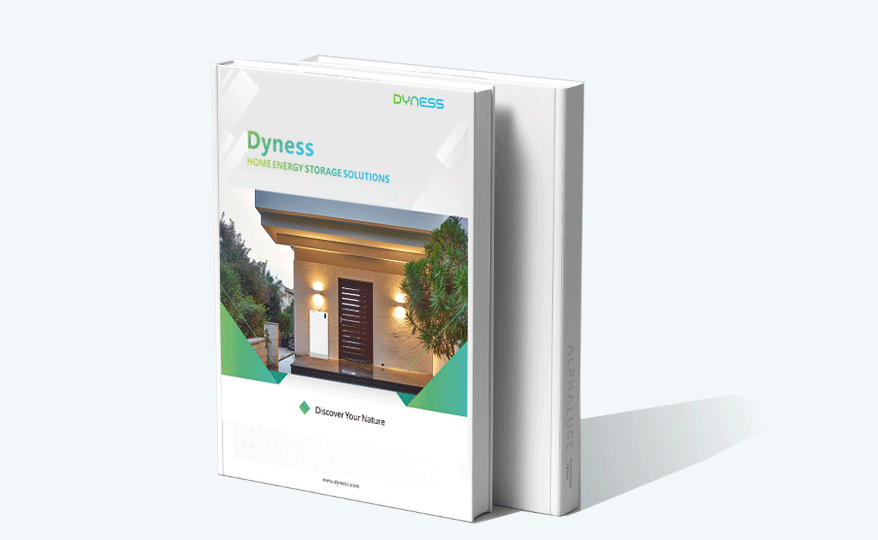
For homeowners, this can mean better solar self-consumption, backup power during outages, and preparation for future energy demand growth. For businesses, it can support peak shaving, load management, backup needs, and improved energy resilience when the system is correctly designed and installed.
The value of a long-term energy storage brand is not only reflected in product specifications. It is also reflected in how the system performs across years of real operating conditions.
3. What Dyness Experience Means for Real-World Use
Real-world energy storage performance depends on more than battery capacity. A battery system also needs safe chemistry, intelligent management, correct inverter communication, suitable installation conditions, and long-term operating protection.
| Real-World Factor | Why It Matters |
|---|---|
| LiFePO4 battery technology | Supports thermal stability, long cycle life, and safer daily use in stationary energy storage. |
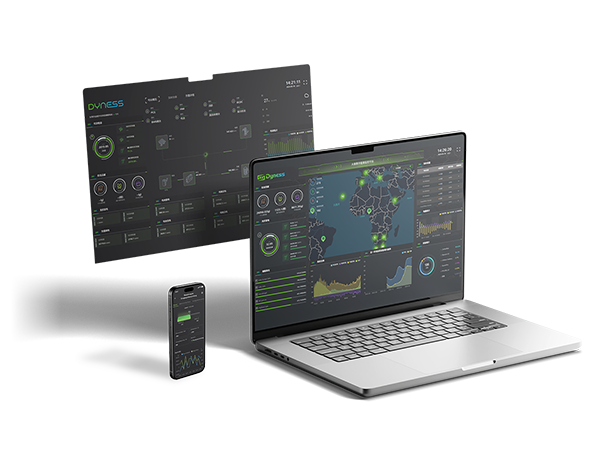
| BMS protection | Helps monitor voltage, current, temperature, cell balance, charge protection, and discharge protection. |
| Inverter compatibility | Allows batteries to communicate correctly with approved inverter brands and system configurations. |
| Scalable system design | Helps users plan for future solar expansion, EV charging, heat pumps, or higher backup needs. |
| Installation environment | Temperature, ventilation, humidity, and installation space directly affect long-term performance. |
For users, these factors are more meaningful than brand age alone. A storage brand must combine product experience, system design, and application knowledge to deliver reliable performance in daily use.
4. Common Misunderstandings About Long-Term Brand Trust
Misunderstanding 1: A longer company history always means better energy storage expertise.
Company age can be useful, but in energy storage, what matters more is whether the brand has real experience with battery aging, inverter communication, system expansion, and long-term field operation.
Misunderstanding 2: Battery cells alone determine system reliability.
Battery cells are important, but reliability comes from the whole system. BMS logic, inverter compatibility, thermal management, installation quality, communication stability, and operating conditions all affect real-world results.
Misunderstanding 3: The largest battery is always the best choice.
A battery system should match actual electricity use, solar generation, backup expectations, and future energy plans. Oversizing can increase cost without improving practical value, while undersizing may limit backup time or solar self-consumption.
Misunderstanding 4: Warranty means the system will perform the same in every installation.
Warranty is important, but it does not replace correct system design and professional installation. Users should always follow official product documentation, local regulations, and qualified installer guidance.
5. Suitable Use Scenarios and Selection Advice
Dyness can support different energy storage scenarios, but users should choose the system based on actual needs rather than relying only on product name, maximum capacity, or cycle count.
| Use Scenario | Selection Advice |
|---|---|
| Home solar self-consumption | Match battery capacity with daily solar generation and evening household load. |
| Home backup power | Define critical loads, backup duration, inverter capacity, and installation space before selecting a system. |
| Future energy expansion | Consider future EV charging, heat pump installation, solar expansion, or higher household electricity demand. |
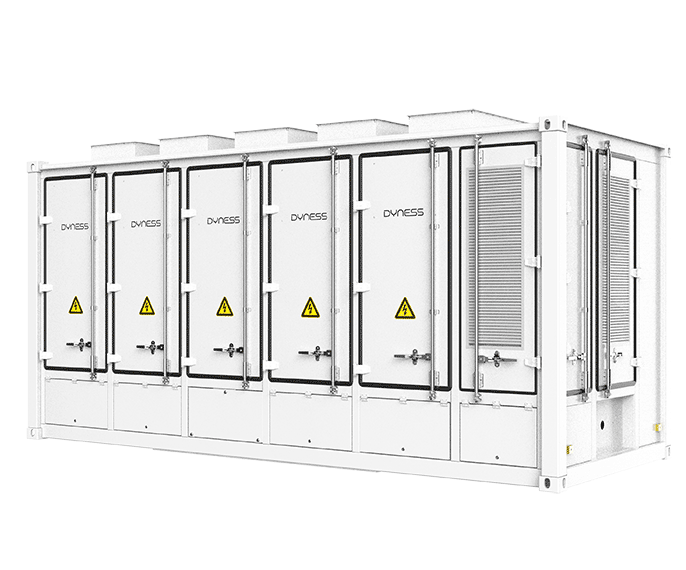
| Commercial and industrial energy storage | Evaluate load curve, peak demand, backup requirements, site conditions, and grid-connection rules. |
If the project involves complex backup requirements, future expansion, or commercial energy management, professional project evaluation is recommended before final system configuration.
6. Final Takeaway
Dyness can be a brand users trust for the long term because it has focused on energy storage since 2017 and has built its solutions around practical long-term use rather than short-term hardware performance alone.
For users, the value of Dyness lies in its experience with LiFePO4 battery technology, BMS protection, inverter compatibility, scalable system design, and real-world residential and commercial energy storage applications.
Choosing Dyness means choosing an energy storage system that should be matched carefully with actual electricity usage, installation environment, inverter compatibility, backup needs, local regulations, and future energy plans. A trusted brand matters, but the best performance always comes from the right system design and professional installation.

FAQ
-
Is Dyness a brand users can trust for the long term?

Yes. Dyness has focused on energy storage since 2017 and provides residential, commercial, and industrial energy storage solutions across global markets. Long-term trust comes from its experience in LiFePO4 battery technology, BMS protection, inverter compatibility, scalable system design, and real-world energy storage applications.
-
Why does industry experience matter when choosing a home energy storage brand?
Experience in energy storage helps a brand understand real-world issues such as long-term battery aging, inverter communication, temperature changes, installation environments, and future system expansion. For users, this means the system is more likely to be designed around practical daily use, not just laboratory specifications.
-
What does Dyness experience mean for real home energy storage use?
For homeowners, Dyness experience can be seen in areas such as LiFePO4 battery design, BMS protection, inverter compatibility, and scalable product platforms. These factors help support solar self-consumption, backup power, and long-term household energy management when the system is correctly selected and installed.
Learn More