






















Modular 48V Solar Battery Box: Key Features and Benefits


Get notified about new updates, products, tips and tutorials. No spam.
Designing a modern residential energy system requires careful consideration of household load profiles, solar generation, available installation space, and future energy needs. A modular 48V solar battery box provides a flexible way to store surplus solar energy and support household loads during high-demand or high-tariff periods.
For homeowners, installers, and system integrators, the main selection factors include low-voltage architecture, modular scalability, physical installation design, inverter compatibility, battery management, environmental protection, and long-term expansion capability.

Why Low-Voltage Modular Storage Fits Residential Solar Systems
Residential electricity demand changes throughout the day as household activity, seasonal weather, and appliance usage fluctuate. Solar systems without dedicated storage may export excess daytime generation instead of preserving it for later household use.
Adding a modular solar battery allows surplus PV energy to be stored and used when solar production decreases or electricity prices rise. This can improve solar self-consumption and reduce reliance on grid electricity.
Low-voltage battery architectures around the 48V and 51.2V class provide a practical balance between electrical safety, system compatibility, and installation simplicity. Compared with higher-voltage architectures, they can reduce the complexity of specialized containment and simplify residential system integration.
Modular Expansion for Changing Household Energy Needs
Household electricity requirements rarely remain fixed. New appliances, EV charging, larger solar arrays, home expansion, and increased backup expectations can all increase energy storage demand over time.
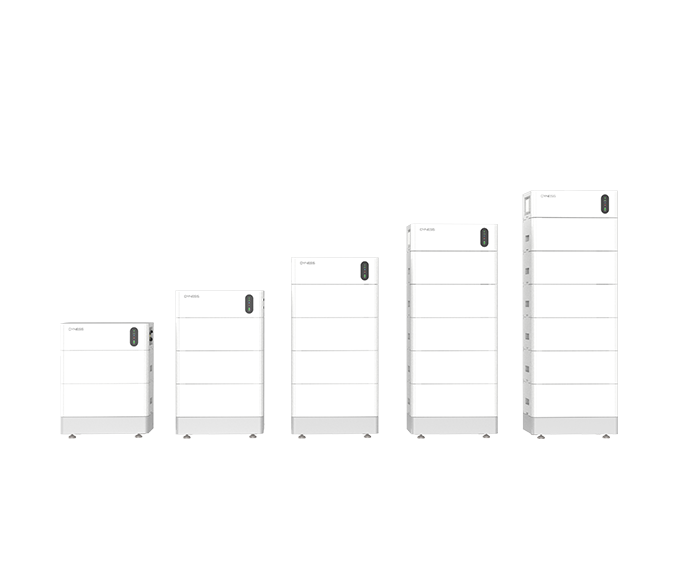
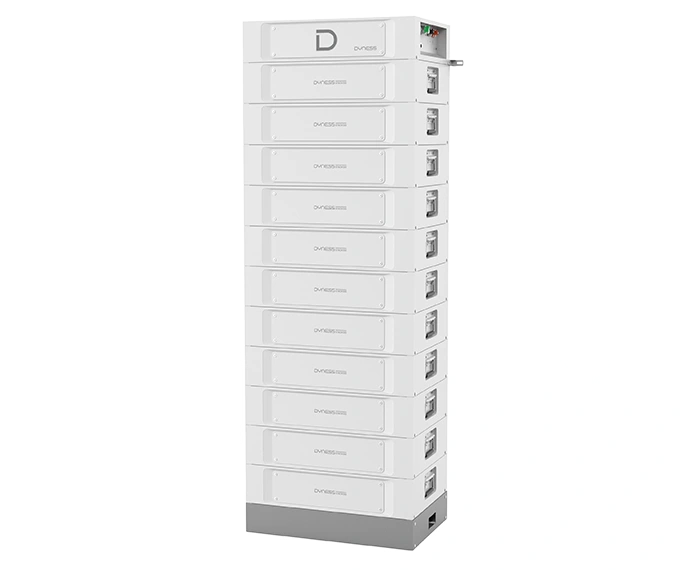
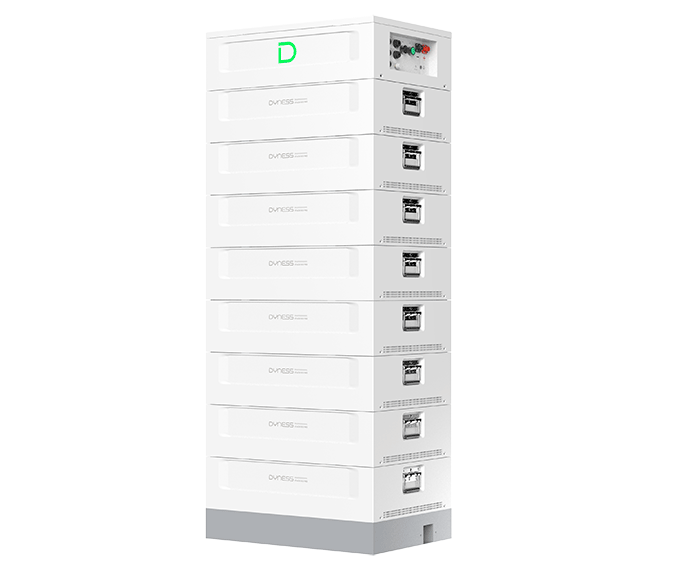
A modular battery architecture allows multiple independent storage units to operate together as one coordinated energy system. Instead of replacing the entire battery installation, users can expand capacity gradually as their electricity requirements grow.
Dyness designs its modular low-voltage platforms to support extensive parallel expansion, with configurations supporting up to 50 units in parallel. This gives installers greater flexibility when designing storage systems for different household sizes and long-term energy requirements.

Battery Management and Flexible System Upgrades
Battery expansion involves more than simply connecting additional modules. Differences in battery age, operating history, state of charge, and cell condition can affect the balance of a parallel storage system.
Advanced battery management technology helps coordinate individual battery units, monitor operating conditions, and maintain stable performance across expanded configurations. This reduces the complexity of long-term capacity upgrades and helps protect existing battery assets.
For homeowners and installers, flexible expansion can also improve project economics. Users can install the capacity they currently need and expand later instead of committing to a much larger system at the first stage.
The final expansion method should always follow the latest product documentation, battery compatibility requirements, inverter limitations, and approved system configuration.
Space-Saving Design and Environmental Protection
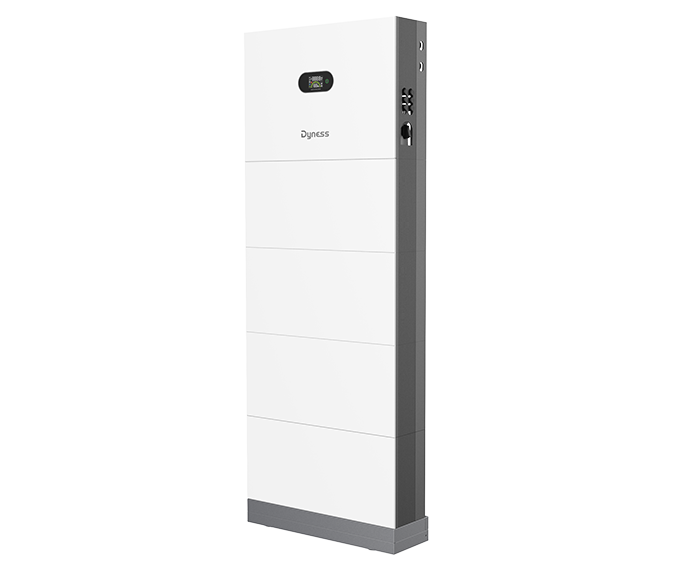
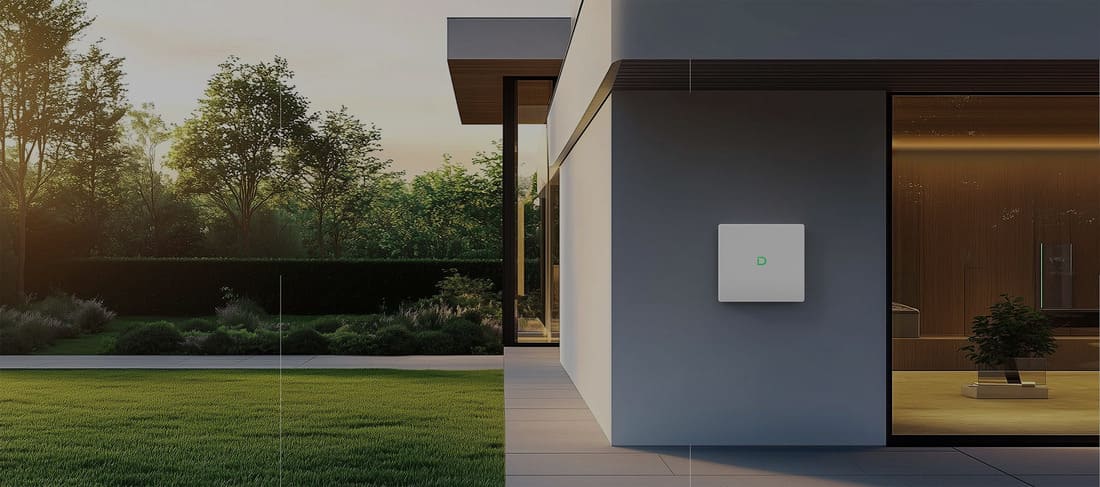
Residential storage projects often face strict space limitations, particularly in garages, utility rooms, and urban homes. Large floor-standing systems can restrict usable room space, while wall-mounted or compact battery designs make better use of vertical installation areas.
A space-efficient battery enclosure helps maintain a cleaner installation layout while preserving access for maintenance, cable routing, and other electrical equipment.
Environmental durability is equally important. Battery enclosures should help protect internal electronics and cells from dust, humidity, and changing ambient conditions. Robust physical protection and appropriate thermal design help maintain more stable internal operating conditions during daily charging and discharging.
Before installation, technicians should evaluate wall strength, mounting conditions, clearance, ventilation, temperature range, and maintenance access according to the specific product requirements.
Inverter Compatibility and Customized Residential Integration
Reliable communication between the battery management system and the inverter is essential for residential energy storage. Mismatched communication protocols can affect charging, discharging, state-of-charge reporting, protection functions, and overall system performance.
Dyness low-voltage solar battery storage solutions are designed to support integration with major global inverter brands. Broad compatibility helps reduce field commissioning complexity and gives installers greater flexibility when designing residential solar-plus-storage systems.
Different markets may also have specific requirements for electrical certification, enclosure design, labeling, interfaces, installation dimensions, and local inverter platforms. Dyness provides OEM and ODM services to support customized product configurations for different regional and B2B requirements.
This combination of standardized compatibility and flexible customization helps distributors and system integrators adapt residential energy storage solutions to different markets and installation environments.
Conclusion
A modular 48V solar battery box provides a flexible foundation for residential energy storage by combining low-voltage architecture, scalable capacity, compact installation, inverter compatibility, and intelligent battery management.
For homeowners, modular expansion helps match battery capacity with actual energy demand while leaving room for future upgrades. For installers and distributors, standardized modular hardware can simplify system design and support a wider range of residential solar applications.
By combining low-voltage system design, parallel expansion, environmental protection, and flexible integration, modular battery storage can support long-term solar self-consumption, backup power, and evolving household energy requirements.
FAQ
-
Q: Can I add a Dyness battery to an existing solar PV system installed years ago?

A: Yes, in many cases an existing solar PV system can be upgraded with Dyness battery storage. This may be done through an AC-coupled design, a compatible storage inverter, or another suitable retrofit configuration. The original PV inverter, wiring layout, grid rules, battery type, and installer assessment will determine the best solution.
-
Q: Does being away during the day mean my home is ideal for battery storage?
A: Not always. The key factors are surplus PV generation, battery capacity, and nighttime electricity demand.
-
Q: Can Dyness residential energy storage work with PV solar?
A: Yes. Dyness residential energy storage can work with PV solar when paired with a compatible hybrid inverter or an AC-coupled system architecture. The correct solution depends on whether the user is installing a new PV system or adding storage to an existing solar installation.
Learn More