
























Can Dyness Energy Storage Work with My Existing or Planned Solar PV System?


Get notified about new updates, products, tips and tutorials. No spam.
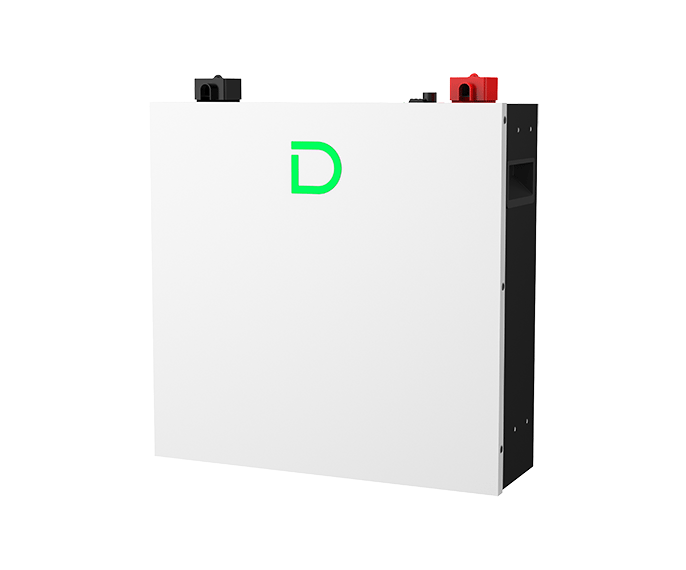
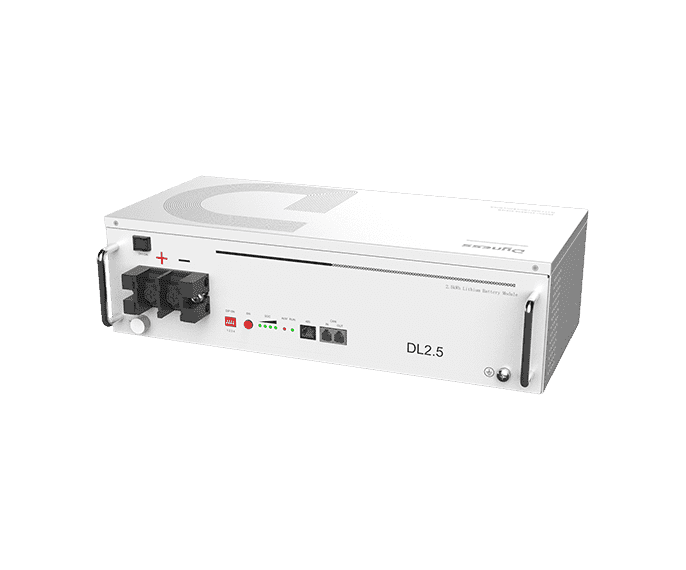
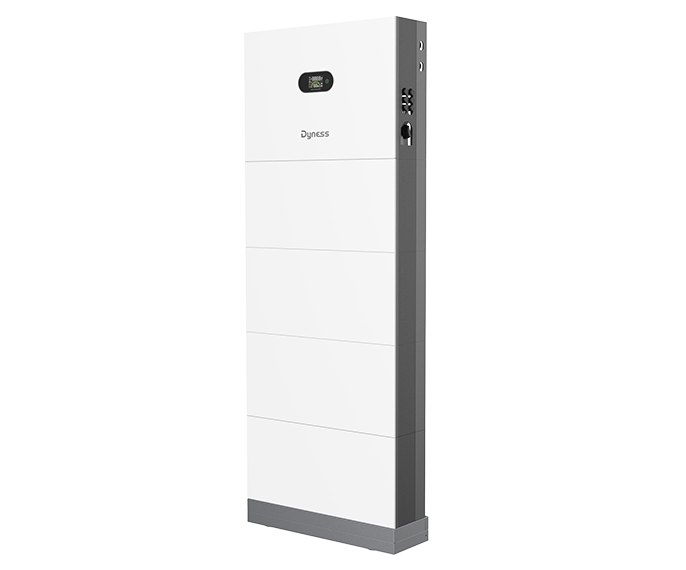
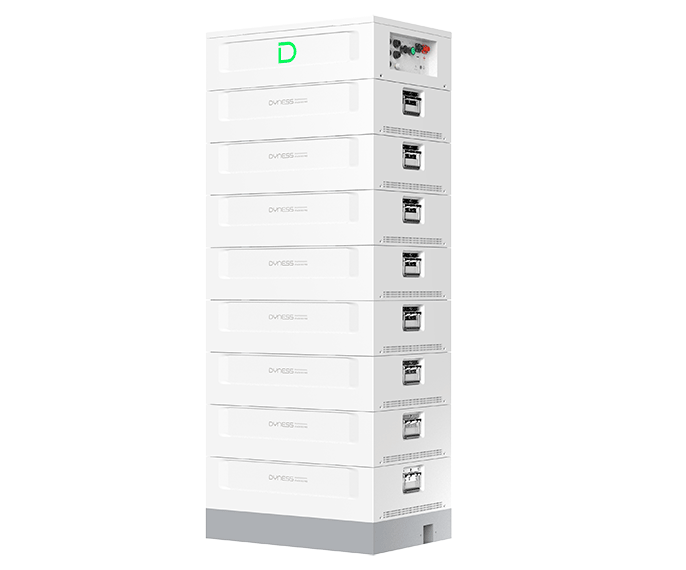
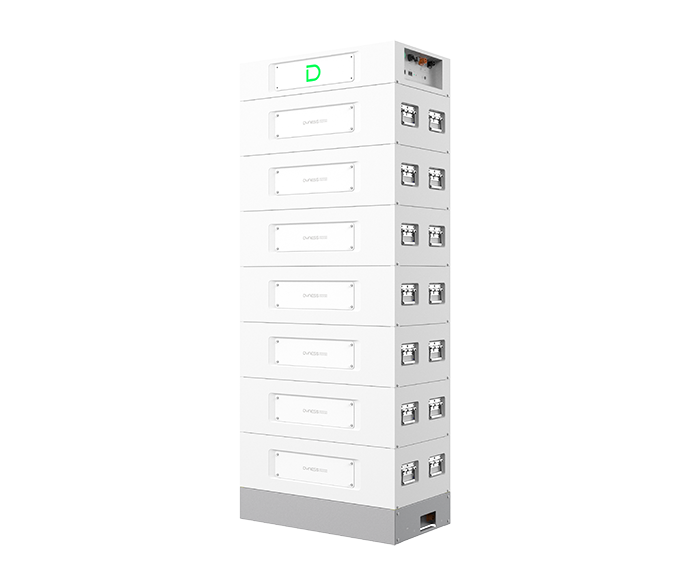
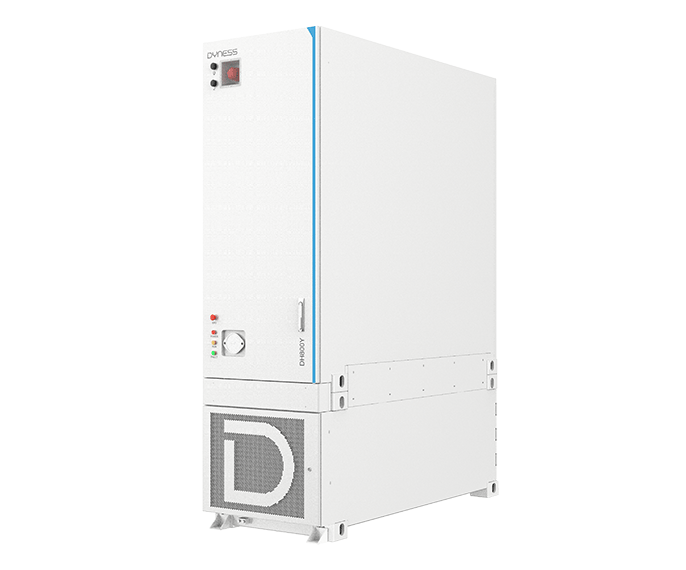
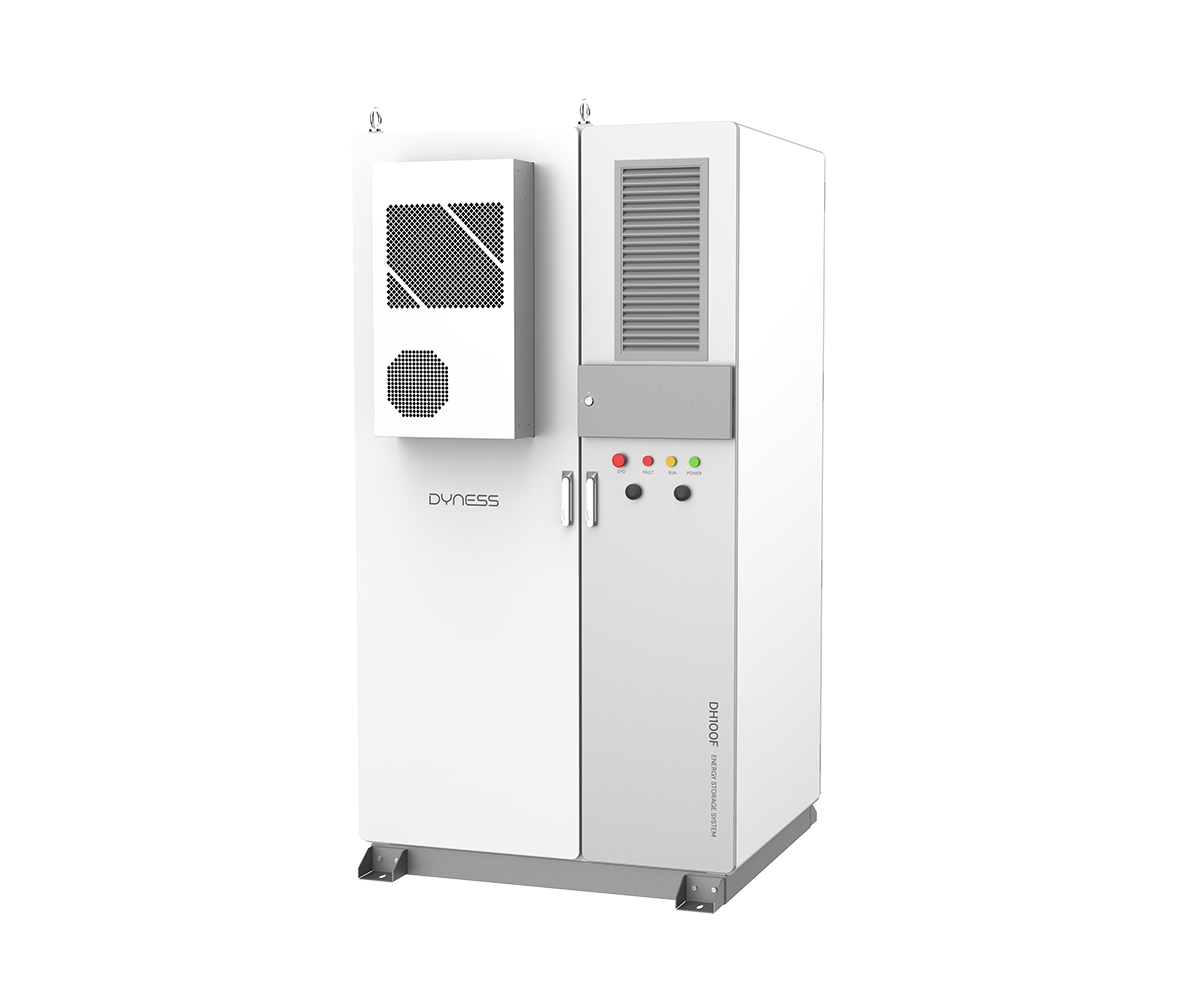
Yes, Dyness energy storage can work with both existing solar PV systems and newly planned solar installations. By adding a battery, users can turn solar power from a real-time generation source into a more flexible energy system that can store surplus electricity and use it later.
For homes that already have solar, an AC-coupled solution can often add battery storage without replacing the existing PV inverter. For new solar projects, a hybrid inverter solution can integrate solar, battery, and grid power into one more efficient system. The right configuration depends on existing equipment, inverter compatibility, solar capacity, energy usage, backup needs, and local installation rules.

Why Solar PV Works Better with Energy Storage
A traditional solar PV system usually follows a real-time energy logic. During the day, solar power is first used by household loads. If generation is higher than current demand, surplus power may be exported to the grid. At night, when solar panels are no longer generating electricity, the home usually draws power from the grid again.
This means solar PV can reduce daytime electricity purchases, but it may not fully cover evening or nighttime energy demand. For many households, this creates a mismatch between when solar power is generated and when electricity is actually needed.
By adding Dyness energy storage, the solar system gains the ability to shift energy across time. Surplus daytime solar power can be stored in the battery and used later in the evening, during peak-price periods, or during a power outage if the system is configured for backup.
In this way, solar PV is no longer only a generation system. With energy storage, it becomes a more flexible home energy management system.
Two Main Configuration Paths: AC-Coupled and Hybrid
When combining solar PV with Dyness energy storage, there are usually two main configuration paths: AC-coupled storage and hybrid solar storage. The best choice depends on whether the user already has a solar system or is planning a new installation.
| Configuration Type | Best For | Main Advantage |
|---|---|---|
| AC-coupled solar storage | Homes that already have an existing solar PV system. | Adds battery storage while preserving the original PV inverter and solar investment. |
| Hybrid solar storage | New solar PV installations or full system upgrades. | Integrates solar, battery, and grid management through one hybrid inverter. |
For existing solar users, AC coupling is often a practical upgrade path because it can add battery storage without redesigning the entire PV system. For new users, a hybrid solution may provide a cleaner structure, fewer conversion steps, and easier system coordination.
Final configuration should always be confirmed by a qualified installer based on inverter compatibility, wiring design, backup requirements, grid rules, and official Dyness documentation.
How Dyness Storage Helps Improve Solar Self-Consumption
The main value of adding a battery to a solar PV system is improving solar self-consumption. Instead of sending most surplus daytime electricity back to the grid, users can store part of that energy and use it when household demand is higher.
This is especially useful for homes where electricity use is concentrated in the evening. For example, a household may generate solar power during the day while family members are away, but consume more electricity at night for cooking, lighting, appliances, entertainment, or heating and cooling.
With Dyness energy storage, solar power can be used more flexibly. The battery can help shift daytime generation to evening use, reduce grid electricity purchases, support backup power in suitable configurations, and improve overall energy independence.
The actual improvement depends on PV capacity, battery size, daily load pattern, inverter settings, electricity tariff structure, local grid rules, and whether backup power is required.

Common Misunderstandings About Solar + Storage Integration
Myth 1: Adding a battery means replacing the whole solar system.
Not necessarily. If the home already has a solar PV system, an AC-coupled storage solution may allow users to add Dyness battery storage while keeping the existing PV inverter. This can help protect the original solar investment.
Myth 2: Solar plus storage is too complicated to manage.
A well-designed system can make energy management easier, not harder. With a compatible inverter and proper configuration, solar, battery, and grid power can be coordinated automatically according to household demand and system settings.
Myth 3: A larger solar system always needs a larger battery.
Battery sizing should not be based only on PV capacity. It should also consider household load, evening electricity use, backup expectations, tariff structure, available installation space, and future energy growth.
Myth 4: A battery will store every unit of surplus solar power.
Storage capacity is limited by battery size, charging power, battery state of charge, system control strategy, and daily consumption. A battery can greatly improve solar utilization, but it does not automatically guarantee 100% use of all solar generation.
Which Configuration Is Right for Your Home?
The right solar storage configuration depends on the user’s current energy stage. Existing solar users usually care about preserving their current investment, while new solar users may prefer a more integrated system from the beginning.
| User Scenario | Recommended Configuration Direction |
|---|---|
| Already has solar PV and wants to add storage | Consider an AC-coupled storage solution if the existing system and site conditions support it. |
| Planning a new solar PV system | Consider a hybrid inverter solution for more integrated solar, battery, and grid management. |
| Wants more backup power during outages | Define critical loads and choose battery capacity, inverter power, and backup circuit design accordingly. |
| Wants to reduce grid electricity purchases | Match battery capacity with daytime surplus solar generation and evening household demand. |
| Has very low electricity cost and no need for backup | A grid-tied solar system without storage may be enough for a low initial-budget setup. |
Before choosing a Dyness solar storage configuration, users should check existing inverter model, solar system size, daily electricity use, backup needs, installation space, compatibility list, and local grid-connection requirements.
Final Takeaway
Dyness energy storage can work with solar PV systems and can help turn solar power into a more flexible and manageable home energy resource.
For existing solar users, an AC-coupled solution may provide a smooth upgrade path without removing the original PV inverter. For new solar users, a hybrid solution can offer a more integrated structure for solar generation, battery storage, grid interaction, and backup power.
The best configuration depends on the user’s current system, energy goals, inverter compatibility, electricity usage, backup expectations, and local regulations. When properly designed, Dyness solar storage can help users increase solar self-consumption, reduce grid dependence, and make every unit of solar energy more valuable.
FAQ
-
Q: Can I add a Dyness battery if I already have a solar PV system with another inverter brand?

A: Yes, in many cases. If you already have a solar PV system, a Dyness battery can often be added through an AC-coupled configuration by using a compatible storage inverter. This approach can preserve the existing PV inverter and avoid redesigning the entire solar system. Final compatibility should be confirmed by a qualified installer.
-
Q: Why is a hybrid inverter often recommended for new solar storage systems?
A: A hybrid inverter can manage solar PV, battery storage, and grid power in one integrated system. Compared with adding storage later, a hybrid solution may offer a cleaner structure, fewer energy conversion steps, easier monitoring, and more coordinated energy management.
-
Q: How much can Dyness energy storage improve solar self-consumption?
A: The improvement depends on solar generation, battery capacity, household electricity habits, tariff structure, inverter settings, and system control logic. In general, storage helps shift surplus daytime solar power to evening or nighttime use, which can reduce reliance on grid electricity.
Learn More