
























How Do Solar PV and Energy Storage Work Together? How Is Daytime Solar Power Used at Night?


Get notified about new updates, products, tips and tutorials. No spam.
A solar PV system generates electricity during the day, while an energy storage system makes that electricity available later when the home needs it more. With Dyness energy storage and a compatible inverter, solar power, battery power, and grid power can be managed automatically.
In a typical solar-plus-storage setup, solar power is used by household loads first, surplus energy is stored in the battery, and the battery discharges later in the evening, at night, or during higher-price periods. Users do not need to manually decide when to charge or discharge every day; the system follows preset operating logic to support self-consumption, backup power, and smarter home energy management.

The Automatic Logic Behind Solar Plus Storage
Solar PV and energy storage work together by turning daytime solar generation into a more flexible energy resource. Without a battery, solar power is mainly useful when it is generated. With battery storage, part of that electricity can be saved and used later.
In a Dyness solar-plus-storage system, energy dispatch is typically managed by a compatible inverter and system control logic. The user does not need to manually decide every day when solar power should be used, stored, or supplemented by the grid.
The basic operating logic is simple: solar power is used by household loads first, surplus solar power can charge the battery, and stored energy can be used later when solar generation is low or electricity prices are higher.
This changes home energy use from a real-time consumption model into a more flexible management model. The system helps users improve solar self-consumption, reduce grid dependence, and make better use of the electricity they generate.
What Happens During the Day, at Night, and During Grid Events
The power flow in a solar-plus-storage system changes throughout the day. The system automatically responds to solar generation, household load, battery state of charge, grid status, and selected operating mode.
| Situation | Typical System Response |
|---|---|
| Sunny daytime with active household loads | Solar power is used first by appliances that are running at the same time. |
| Solar generation exceeds household demand | Surplus solar power can charge the battery before export or curtailment, depending on system settings and local rules. |
| Evening or nighttime use | The battery can discharge stored solar energy to support household loads when PV generation is unavailable. |
| Battery is low or household demand is high | The grid may supplement power to ensure normal electricity use. |
| Grid outage or grid instability | If the system is configured for backup, the battery can support selected critical loads through the backup circuit. |
This automatic energy flow is the reason solar-plus-storage systems can feel simple to users, even though the system is making continuous decisions in the background.

Key Factors That Affect Smart Energy Dispatch
The performance of a solar-plus-storage system depends on how well solar generation, battery capacity, inverter settings, household load, and electricity tariffs are matched.
| Key Factor | Why It Matters |
|---|---|
| Self-consumption priority | Solar power is usually most valuable when it directly offsets household electricity use. |
| Energy time-shifting | The battery helps move surplus daytime solar power to evening or nighttime use. |
| Time-of-use electricity pricing | Where local tariffs allow, the system may help reduce costs by using stored energy during higher-price periods. |
| Battery capacity and state of charge | The battery must have enough usable capacity to store surplus energy and support later loads. |
| Backup configuration | Backup power requires suitable inverter capability, wiring design, and selected critical loads. |
For the best result, users should match battery size and system mode with real electricity habits instead of selecting storage only based on solar panel capacity.
Common Misunderstandings About Solar and Battery Management
Myth 1: I need to manually set charging and discharging every day.
In most properly configured systems, daily operation is automatic. After the installer sets the operating mode, the system can follow preset logic for self-consumption, backup reserve, or time-based energy management.
Myth 2: Solar power always charges the battery first before powering the home.
In many solar-plus-storage systems, solar power is usually used by household loads first to reduce conversion loss and grid purchases. Only surplus solar power is then used to charge the battery.
Myth 3: If I do not check the app, the system is not working.
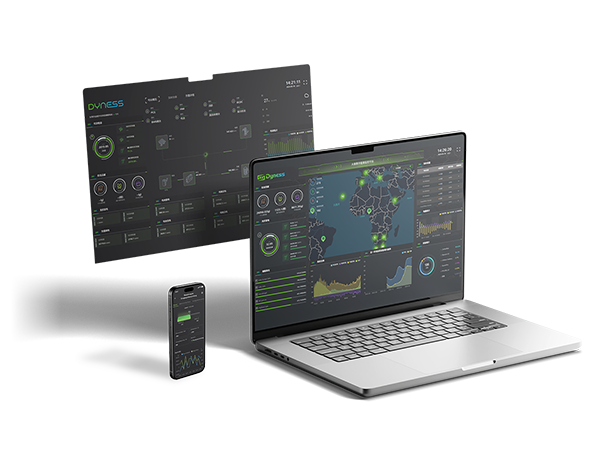
The system can operate automatically in the background. The app is mainly used for visibility, monitoring, mode selection, and understanding system performance. It is not something users normally need to adjust every day.
Myth 4: Solar plus storage means the home will never use grid power.
Grid use may still occur when solar generation is low, the battery is depleted, household load is high, or local settings require grid support. Storage reduces grid dependence, but it does not always eliminate grid use completely.
Final Takeaway
Solar PV and energy storage do not simply sit side by side. Together, they form a smarter home energy system that can generate, store, distribute, and use electricity according to household demand and system settings.
During the day, solar power can supply household loads first and charge the battery with surplus energy. At night, the battery can release stored power to support home electricity use. When the grid is unavailable, a properly configured backup system can help keep selected critical loads running.
With Dyness energy storage and a compatible inverter, users can make solar power more useful across the whole day, improve self-consumption, reduce grid dependence, and manage energy with less daily effort. The final configuration should always be designed according to solar capacity, load profile, battery size, inverter compatibility, tariff structure, backup needs, and local regulations.
FAQ
-
Q: How do solar panels and Dyness energy storage work together?

A: Solar panels generate electricity during the day, while Dyness energy storage can store surplus solar power and make it available later. With a compatible inverter, the system can automatically manage solar power, battery power, and grid power according to household demand and system settings.
-
Q: Does solar power go to the battery first or the home first?
A: In many solar-plus-storage systems, solar power is used by household loads first because this can reduce grid purchases and avoid unnecessary conversion loss. Surplus solar power can then charge the battery. The exact logic depends on inverter settings and system configuration.
-
Q: How is daytime solar power used at night?
A: During the day, surplus solar power can be stored in the battery. At night, when solar panels are no longer generating electricity, the battery can discharge stored energy to support household loads. If the battery is low or demand is high, the grid may supplement power.
Learn More