






















Can Balcony Energy Storage Still Help You Save Electricity If You're Not Home During the Day?


Get notified about new updates, products, tips and tutorials. No spam.
Many households are away at work or school during the day and consume very little electricity at home. This often leads to a common question: if nobody is home during daytime hours, does a Plug-in Balcony ESS still provide value? In reality, being away during the day does not mean solar energy loses its value. Lower daytime electricity consumption often creates more surplus PV energy, which can be stored and used later when household demand increases in the evening.
For households with strong daytime solar generation, limited daytime consumption, and higher evening electricity demand, a Plug-in Balcony ESS can help improve solar self-consumption and reduce reliance on grid electricity.

Why Being Away During the Day Does Not Reduce Storage Value
Many people assume that energy storage only makes sense when someone is home during the day to use solar electricity immediately. However, this is not always true.
A Balcony PV System usually generates the most electricity during daytime hours, while many households consume more electricity after work in the evening.
Without storage, surplus solar energy may be exported to the grid or remain unused depending on local regulations and system conditions.
A Plug-in Balcony ESS changes this energy pattern by storing unused daytime solar power and making it available later when household electricity demand increases.
The value of storage is therefore not determined by whether someone is physically at home during the day, but by the relationship between PV generation, surplus solar energy, battery capacity, and evening electricity consumption.
How Balcony Energy Storage Shifts Daytime Solar to Evening Use
The main purpose of a Plug-in Balcony ESS is energy time-shifting: storing electricity when solar generation is available and using it when solar production decreases.
| Time Period | Typical Energy Flow |
|---|---|
| Daytime | PV generation supplies household loads first. Surplus solar energy can charge the battery. |
| Evening | Stored solar energy can be used for lighting, cooking, entertainment, and other household consumption. |
| When Stored Energy Is Used Up | The household may continue using electricity from the grid depending on demand and system configuration. |
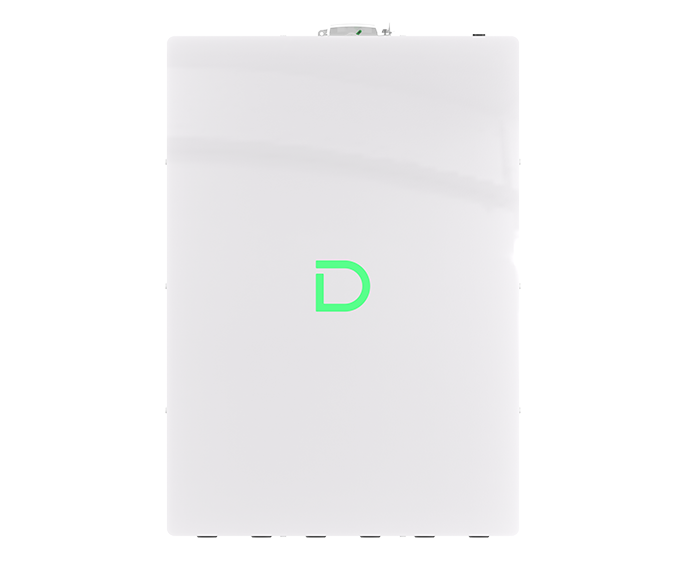
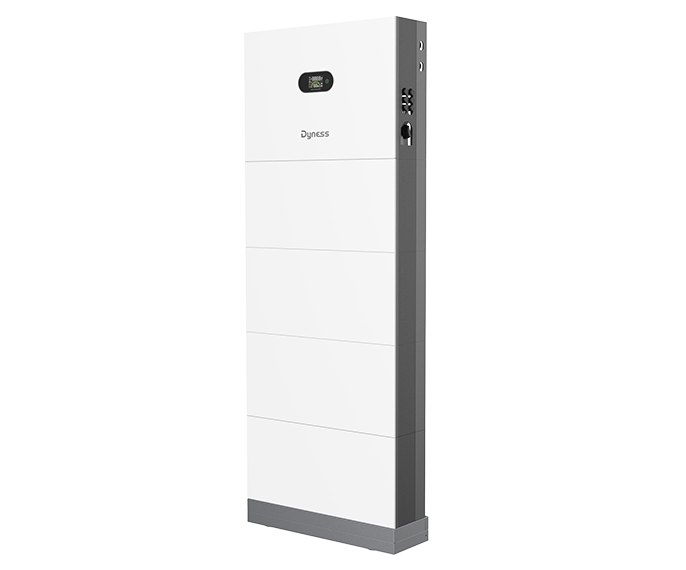
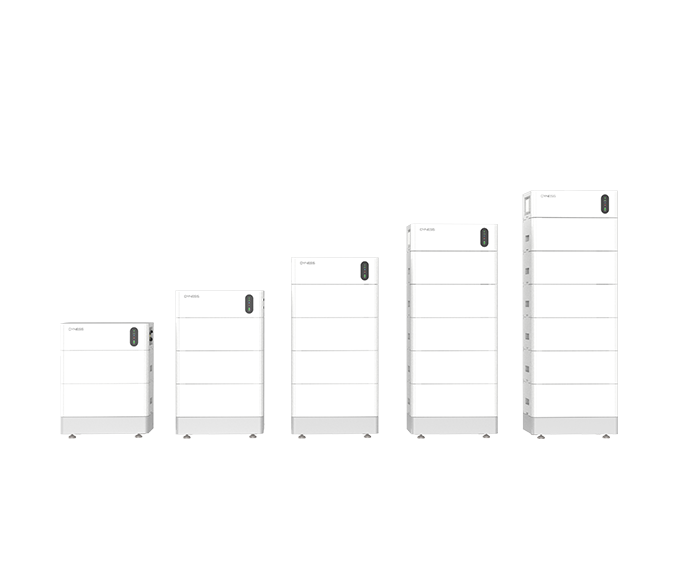
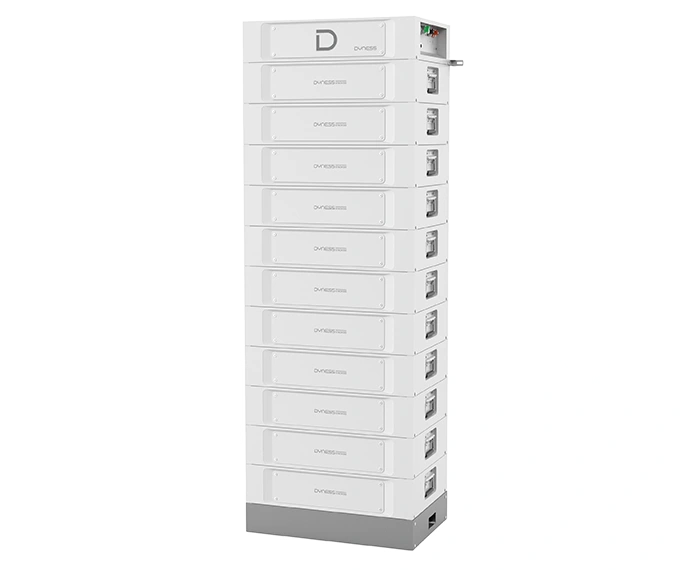
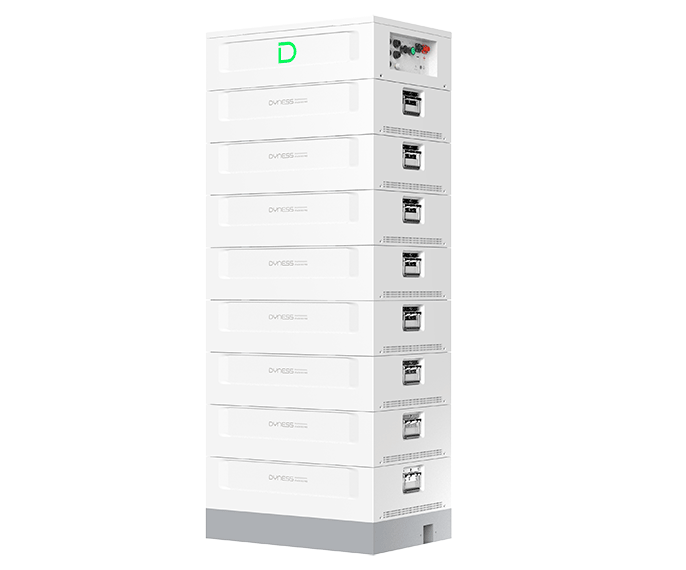
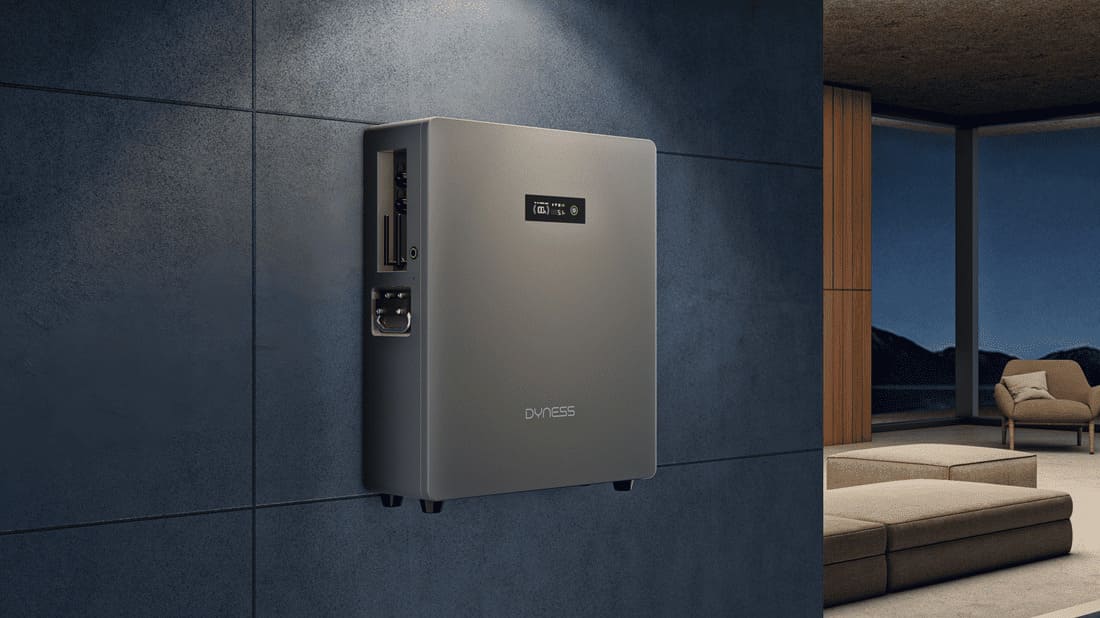
AquaVolt, as a Plug-in All-in-one ESS, provides an integrated solution for households seeking simple solar storage. SolarCube 2, as a Plug-in Stackable ESS, supports flexible capacity expansion when future energy needs increase.
Key Factors That Determine Whether Storage Can Save Electricity
The actual benefit of a Balcony ESS depends on how well the system matches household energy patterns.
| Factor | Why It Matters |
|---|---|
| Daytime Household Consumption | Lower daytime consumption usually means more surplus PV energy is available for storage. |
| PV Generation | Higher solar generation creates more opportunities to store unused electricity. |
| Evening Electricity Demand | Higher nighttime consumption allows stored energy to create more practical value. |
| Battery Capacity | The battery size determines how much surplus solar energy can actually be stored. |
| Usage Pattern | Homes with low daytime consumption and higher evening usage are generally better suited for energy shifting. |

Common Misunderstandings About Balcony Storage When Nobody Is Home
Misconception 1: If nobody is home during the day, balcony storage has no value.
Reality: Lower daytime electricity consumption may actually create more surplus solar energy that can be stored and used later.
Misconception 2: All solar electricity will be wasted if nobody uses it immediately.
Reality: A Plug-in Balcony ESS can capture part of the surplus electricity and shift its usage to later periods.
Misconception 3: Installing storage means the home will no longer need grid electricity.
Reality: Storage can reduce grid electricity usage, but the actual reduction depends on PV generation, battery capacity, and household demand.
Misconception 4: A larger battery always creates greater savings.
Reality: Battery capacity should match available surplus solar energy and household consumption patterns. Oversized systems may not be fully utilized.
Is Balcony Energy Storage Suitable for Your Household?
A Plug-in Balcony ESS is generally suitable for households that want to improve solar self-consumption and shift unused daytime solar energy to evening usage.
| Suitable Scenarios | Less Suitable Scenarios |
|---|---|
|
|
Final Takeaway
Being away from home during the day does not mean a Balcony ESS has little value.
For households with strong daytime solar generation, low immediate consumption, and higher evening electricity demand, energy storage provides a practical way to shift unused solar power into a more valuable usage period.
The key to achieving better results is not simply choosing the largest battery, but selecting a storage capacity that matches your PV generation, household electricity habits, and future energy needs.
FAQ
-
Q: Can a Plug-in Balcony ESS still save electricity if nobody is home during the day?

A: Yes. If a household generates surplus solar energy during the day and uses more electricity in the evening, a Plug-in Balcony ESS can store part of that energy and use it later.
-
Q: Does being away during the day mean my home is ideal for battery storage?
A: Not always. The key factors are surplus PV generation, battery capacity, and nighttime electricity demand.
-
Q: If my solar electricity is already used during the day, do I still need storage?
A: If there is little surplus solar energy available, the value of storage may be limited because there is less electricity available to shift to nighttime usage.
Learn More