
























How to Pair Dyness Residential Energy Storage System with PV Solar?


Get notified about new updates, products, tips and tutorials. No spam.
A Dyness residential energy storage system can be paired with PV solar through a compatible hybrid inverter or an AC-coupled storage architecture, depending on whether the user is installing a new solar system or adding storage to an existing PV installation. In a typical solar-plus-storage system, PV power supplies home loads first.
Surplus solar energy can then charge the battery, and the stored energy can be used later when solar generation is insufficient, such as in the evening or during cloudy periods. To design the right system, homeowners and installers should check battery-inverter compatibility, voltage platform, BMS communication, inverter capacity, installation conditions, backup requirements, and local electrical regulations.
Final configuration should always follow the latest Dyness technical documentation, approved compatibility list, and qualified installer assessment.

How Dyness Energy Storage Works with PV Solar
A Dyness residential energy storage system helps homeowners make better use of solar energy by storing surplus PV power and releasing it when the home needs electricity later.
In a typical daytime scenario, solar PV generation first supplies household loads. If PV generation is higher than real-time household demand, the surplus energy can be stored in the Dyness battery instead of being exported or underused.
In the evening, at night, or during low solar production periods, the battery can discharge stored energy to support household loads. This helps improve solar self-consumption and reduce dependence on grid electricity.
| Energy Stage | How the System Works |
|---|---|
| PV generation | Solar power is generated during the day and first supplies household electricity demand. |
| Battery charging | Surplus PV energy charges the Dyness battery when household demand is lower than solar generation. |
| Battery discharging | Stored energy is used when PV generation is insufficient, such as in the evening or during cloudy periods. |
| Grid interaction | The grid may still supply electricity when solar generation and stored energy are not enough. |
When backup function is required, the system must also be designed with a compatible inverter, backup circuit, load priority, and local electrical requirements.
Hybrid Inverter or AC-Coupled System: Which Architecture Fits Better?
There are two common ways to pair Dyness residential energy storage with solar PV: using a compatible hybrid inverter or using an AC-coupled storage architecture.
| System Architecture | Best-Fit Scenario | Key Considerations |
|---|---|---|
| Hybrid inverter system | New solar-plus-storage installations where PV and battery are designed together from the beginning. | Battery compatibility, voltage platform, inverter capacity, communication protocol, backup function, and PV input design. |
| AC-coupled storage system | Existing PV systems where users want to add battery storage without replacing the full solar system. | Existing inverter condition, meter configuration, AC-side wiring, control strategy, grid rules, and installer assessment. |
For a new PV installation, a compatible hybrid inverter may provide a more integrated PV + battery architecture. For an existing PV system, an AC-coupled solution may be considered where supported by the original equipment and local regulations.
The correct approach depends on whether the user is building a new system, upgrading an existing PV installation, or planning future expansion.

Key Factors to Check Before Pairing Dyness Storage with PV
Pairing a battery with PV solar is not only about matching capacity. The battery, inverter, communication system, electrical design, and installation environment must work together safely.
| Check Item | What to Confirm |
|---|---|
| Battery-inverter compatibility | Confirm that the selected inverter is approved to work with the Dyness battery model. |
| Voltage platform | Low-voltage and high-voltage battery systems are not interchangeable and require suitable inverter platforms. |
| BMS communication | CAN, RS485, or other communication protocols must be correctly configured according to the approved system design. |
| Inverter power | The inverter determines charging power, discharging power, backup output, and system operating limits. |
| PV generation and household load | Battery capacity should match solar surplus, evening demand, backup requirements, and future energy growth. |
| Installation environment | Check available space, ventilation, temperature range, wiring route, maintenance access, and protection requirements. |
| Local electrical rules | The final design must comply with local grid, safety, permitting, and installation regulations. |
Before installation, users should prepare the PV system size, inverter model, household electricity usage, desired backup duration, installation location, and future energy plans such as EV charging or heat pump installation.
Planning for Future Expansion from the Beginning
Household energy needs may change over time. A system that fits today’s electricity use may need more storage capacity later if the home adds an EV charger, heat pump, air conditioner, larger PV system, or longer backup requirement.
Planning for future expansion at the initial design stage can make the system easier to adapt. Instead of oversizing the battery from day one, users can select a right-sized system and reserve a clear upgrade path where the product platform supports expansion.
| Expansion Method | Best-Fit Scenario | What to Check |
|---|---|---|
| Low-voltage parallel expansion | Flexible residential storage and gradual capacity upgrades. | Same platform, approved parallel limits, inverter compatibility, BMS communication, and battery health. |
| High-voltage modular expansion | New residential ESS systems requiring higher capacity or stronger system performance. | Module combination rules, HV inverter matching, system voltage range, and official configuration limits. |
| Multi-cluster configuration | Larger backup or high-load residential applications where supported. | Approved architecture, installer assessment, communication stability, protection design, and installation space. |
Expansion should never be treated as simply adding more batteries. The battery model, voltage platform, BMS logic, firmware, inverter limits, system age, and warranty conditions should all be checked before upgrading.
Choosing the Right Dyness Solution for PV Solar Pairing
Different homeowners need different PV + storage configurations. The right Dyness solution should be selected according to solar capacity, household consumption, backup expectations, installation space, and future expansion needs.
| User Requirement | Suitable Direction |
|---|---|
| Small home backup | Compact Dyness residential ESS with suitable inverter matching. |
| Solar self-consumption | Dyness battery + compatible hybrid inverter for storing surplus PV generation. |
| Existing PV system | AC-coupled storage solution where supported by the existing system and local rules. |
| Future EV charging or heat pump loads | Expandable battery platform with enough capacity planning and inverter power evaluation. |
| Whole-home or extended backup | Professional system design based on critical loads, inverter output, battery capacity, and backup circuit planning. |
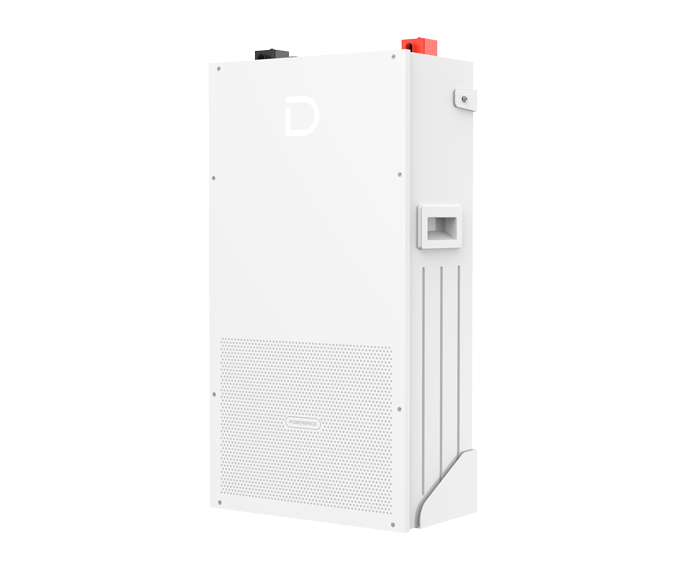
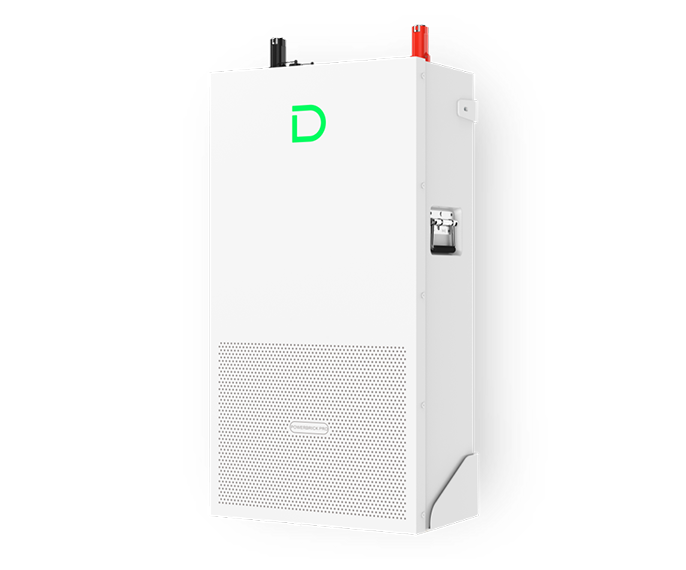
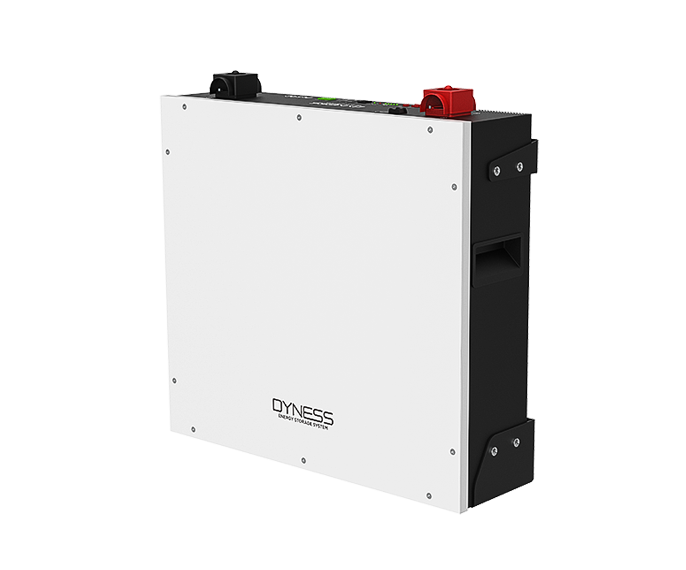
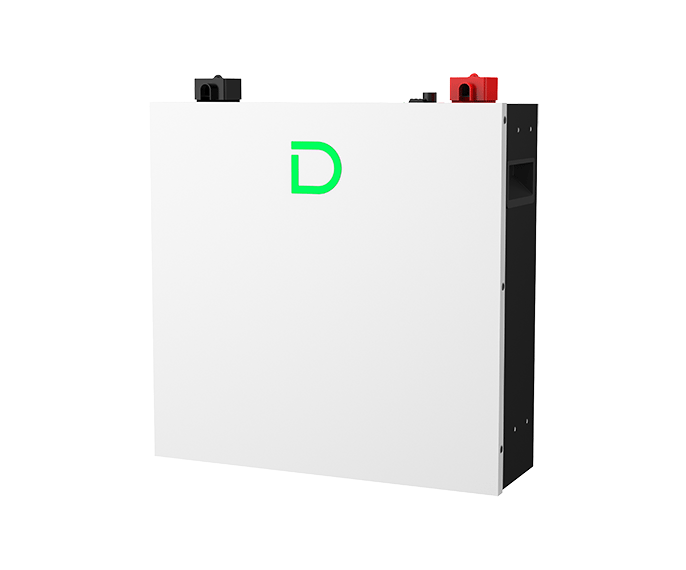
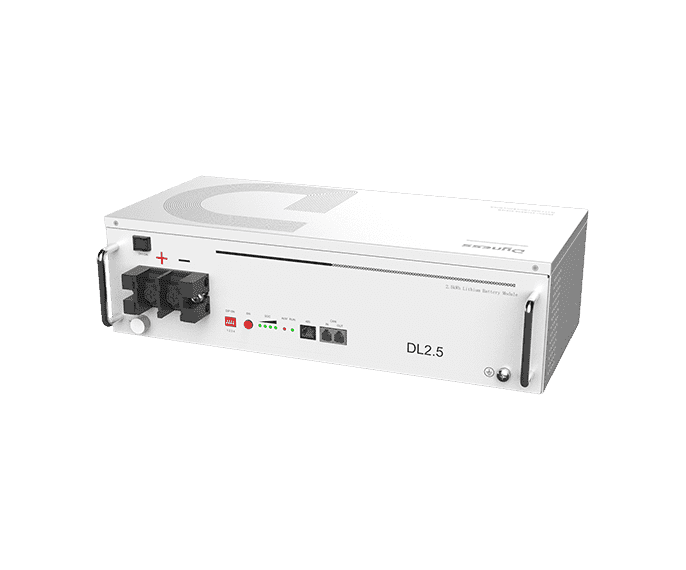
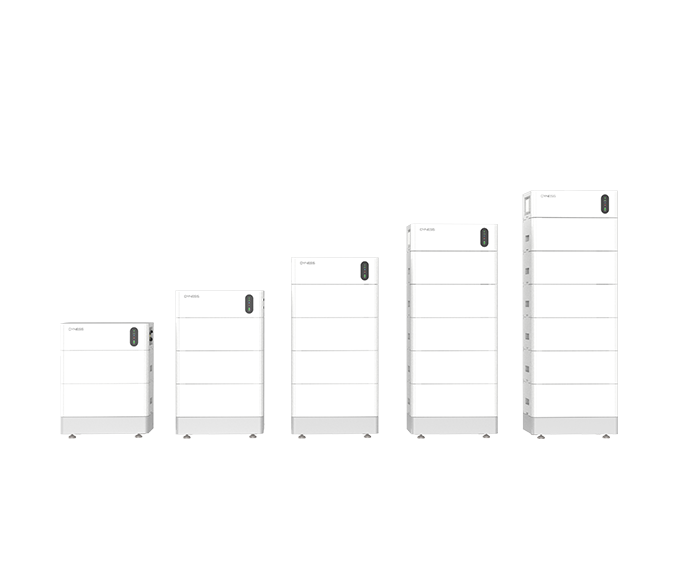
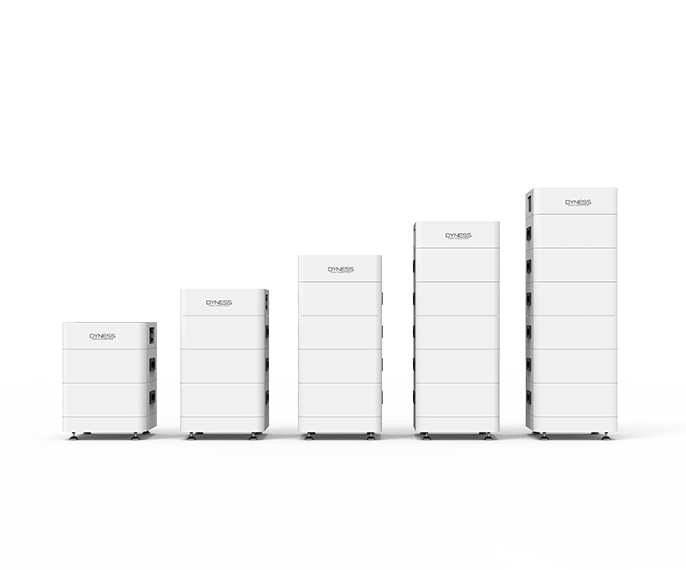
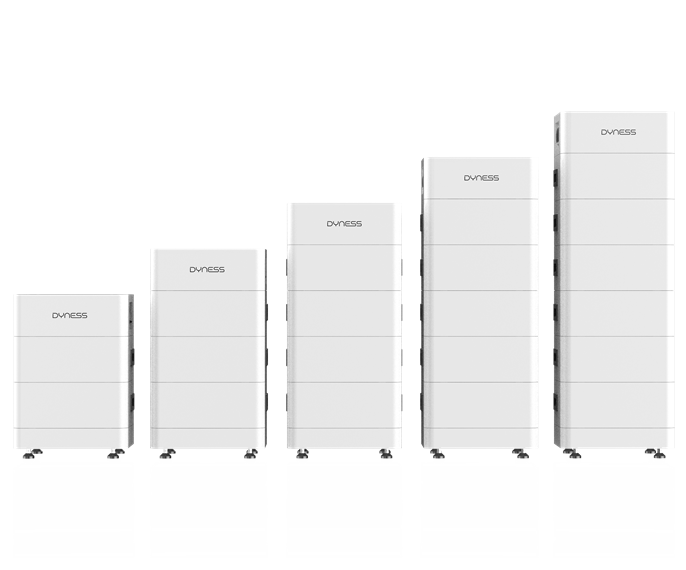
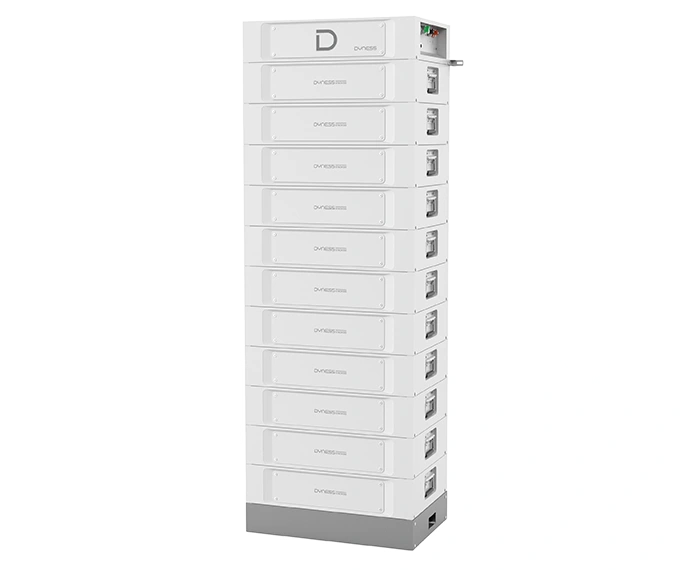
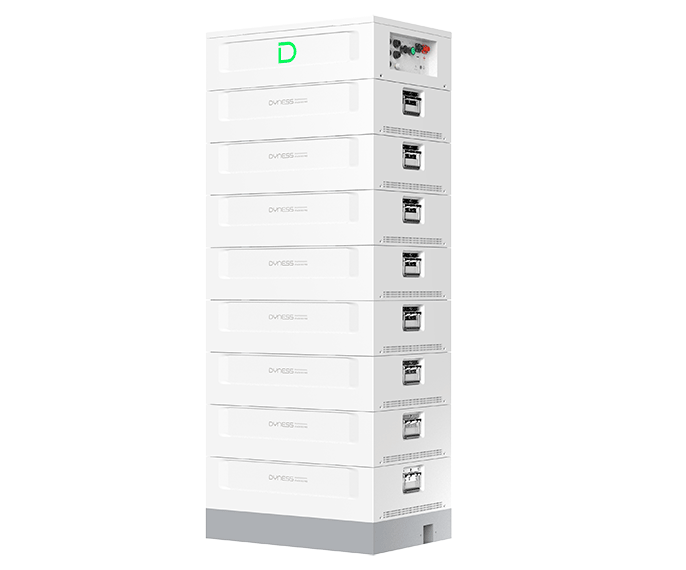
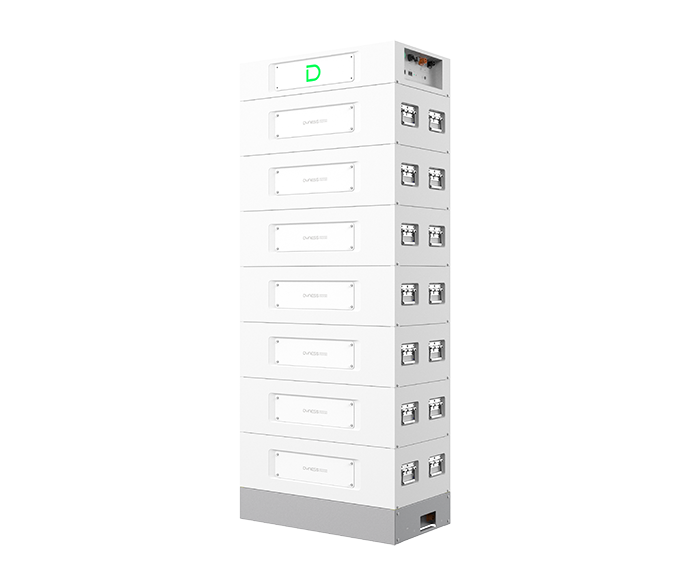
For homeowners considering a low-voltage solution, PowerBrick Plus can be evaluated when its capacity, inverter compatibility, and installation requirements match the project. Its modular design and parallel capability can provide flexibility for residential energy storage applications, subject to the latest Dyness specifications.
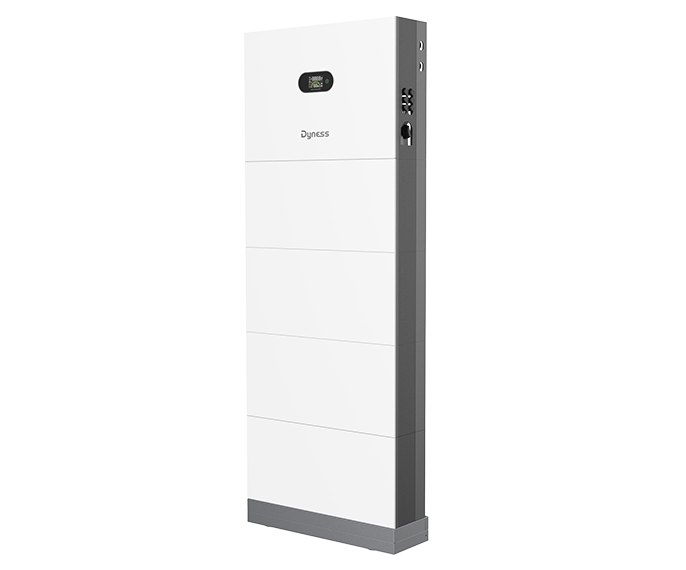
For higher-load homes or users planning larger PV + storage systems, modular high-voltage solutions such as Tower Series, Tower Pro, or STACK100 Pro may also be considered where compatible with the inverter and project design.
Common Mistakes When Pairing PV and Battery Storage
Misconception 1: Any solar inverter can work with any battery.
Reality: Battery-inverter compatibility must be verified. The inverter must support the battery voltage platform, BMS communication, charge/discharge parameters, and approved operating logic.
Misconception 2: A larger battery always improves solar performance.
Reality: Battery capacity should match PV generation and household consumption. If there is not enough surplus solar energy or evening demand, part of the capacity may remain underused.
Misconception 3: Existing PV systems cannot add storage later.
Reality: Some existing PV systems may add storage through AC-coupled or retrofit solutions, depending on the original inverter, wiring, metering, and local requirements.
Misconception 4: Different battery models can be mixed freely.
Reality: Different batteries may have different voltage ranges, cell characteristics, BMS configurations, and firmware. Only approved product combinations should be used.
Misconception 5: Backup capability comes automatically with any PV + battery system.
Reality: Backup power requires a compatible inverter, backup circuit design, load priority planning, and compliance with local electrical rules.
Conclusion
Pairing a Dyness residential energy storage system with PV solar requires more than connecting a battery to solar panels. The system must be designed around PV generation, household loads, inverter compatibility, BMS communication, voltage platform, installation conditions, and future energy needs.
For new solar installations, a compatible hybrid inverter can provide an integrated solar-plus-storage architecture. For existing PV systems, an AC-coupled solution may be considered where supported.
Planning for future expansion from the beginning can help homeowners adapt to changing electricity demand, such as EV charging, heat pumps, larger PV systems, or longer backup needs.
Before installation or expansion, users should verify the battery model, inverter model, approved compatibility list, communication protocol, voltage platform, and local electrical requirements. The final design should always follow Dyness technical documentation and professional installer assessment.
FAQ
-
Q: Can Dyness residential energy storage work with PV solar?

A: Yes. Dyness residential energy storage can work with PV solar when paired with a compatible hybrid inverter or an AC-coupled system architecture. The correct solution depends on whether the user is installing a new PV system or adding storage to an existing solar installation.
-
Q: Can I add Dyness battery storage to an existing PV system?
A: In many cases, existing PV systems may add storage through an AC-coupled solution or another approved retrofit design. The original inverter, wiring, metering, grid rules, and installer assessment determine whether this is suitable.
-
Q: What should I check before pairing Dyness storage with solar PV?
A: Users should check battery-inverter compatibility, voltage platform, BMS communication, inverter power, PV system size, installation location, backup requirements, future expansion plans, and local electrical regulations.
Learn More