
























Why Is Dyness Energy Storage an Ideal Companion for Solar PV Systems?


Get notified about new updates, products, tips and tutorials. No spam.
A solar PV system can generate clean electricity during the day, but household electricity demand often increases in the evening when solar panels no longer produce power. Without energy storage, part of the daytime solar power may be exported, limited, or underused.
Dyness energy storage helps solve this timing mismatch by storing surplus solar power and making it available later. With open inverter compatibility, smart PV-storage coordination, scalable battery design, and long-life LiFePO4 technology, Dyness can help users turn solar generation into a more stable, controllable, and valuable home energy asset.

Why Solar PV Works Better with Energy Storage
Solar PV systems are powerful, but they naturally depend on sunlight. In most homes, solar generation reaches its highest level during the day, while household electricity use often rises in the evening.
This creates a timing mismatch. When solar power is available, the home may not need all of it. When the home needs more electricity at night, the PV system may no longer be generating power.
Dyness energy storage helps close this gap. Instead of using solar power only at the moment it is generated, users can store surplus daytime electricity and release it later for evening loads, backup needs, or higher-price electricity periods.
This makes solar PV more than a daytime generation system. With battery storage, it becomes a more flexible home energy system that can support solar self-consumption, cost control, backup power, and long-term energy independence.
How Dyness Activates the Value of Solar Power
When paired with a compatible inverter, Dyness energy storage can help coordinate solar power, battery power, household loads, and the grid automatically.
Smart PV-storage coordination.
During the day, solar power can first supply household loads. When PV generation is higher than real-time demand, surplus electricity can be directed into the Dyness battery instead of being immediately exported or underused.
Energy time-shifting.
After sunset, the battery can discharge stored solar energy to support lighting, appliances, routers, home office equipment, heat pumps, or other household loads depending on system design and available battery capacity.
Backup support.
If the system is configured for backup, Dyness energy storage can help selected essential loads continue operating during a grid outage. Backup performance depends on usable battery capacity, inverter output, wiring design, solar input, and load selection.
Energy cost optimization.
In regions with time-of-use or dynamic electricity tariffs, stored solar power can be used during higher-price periods. This can improve the economic value of solar generation, especially when evening electricity prices are high.

Technical Advantages That Make Dyness Suitable for PV Matching
For solar PV users, a battery system should do more than simply store electricity. It should work safely with the inverter, support daily cycling, match different installation spaces, and allow capacity planning as energy demand changes.
| Dyness Advantage | Why It Matters for Solar PV Systems |
|---|---|
| Open inverter compatibility | Dyness batteries can work with selected mainstream inverter brands, giving users and installers more flexibility for new PV systems or retrofit projects. |
| Long-cycle LiFePO4 technology | Solar batteries often charge and discharge daily, so long cycle life and stable chemistry are important for long-term PV self-consumption. |
| Modular capacity design | Users can choose capacity based on solar surplus, evening demand, backup expectations, and future expansion needs. |
| Flexible product matrix | Different products can match different PV scenarios, from compact residential systems to high-load homes and balcony solar storage. |
| BMS protection and system monitoring | Battery management helps monitor voltage, temperature, SOC, charge limits, discharge limits, and protection status during PV-storage operation. |
Final compatibility should always be confirmed according to the latest Dyness compatibility list, inverter model, firmware version, communication protocol, regional requirements, and qualified installer guidance.
Dyness Solutions for Different Solar PV Scenarios
Different solar users need different storage solutions. A home with a large rooftop PV system, a compact house with limited installation space, and an apartment with balcony solar should not use the same battery selection logic.
| Solar PV Scenario | Recommended Dyness Direction | Application Value |
|---|---|---|
| Existing rooftop PV system retrofit | Low-voltage or high-voltage Dyness battery solution with compatible storage inverter or AC-coupled design. | Allows users to add battery storage without replacing the entire existing solar PV system, depending on site design. |
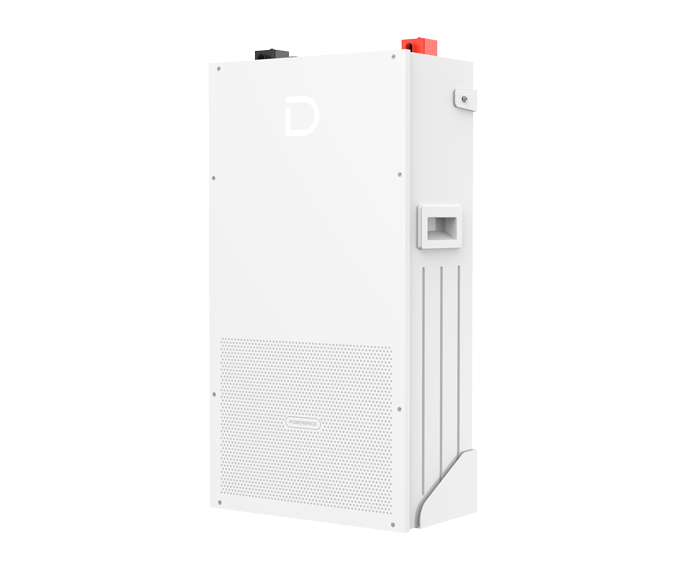
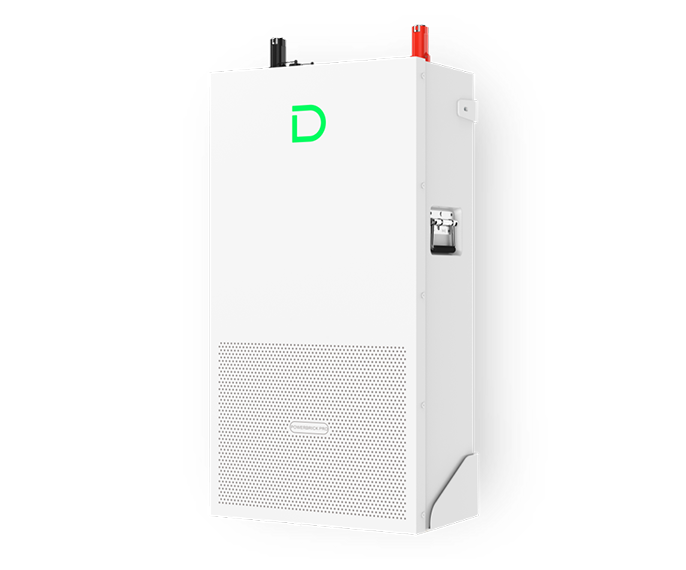
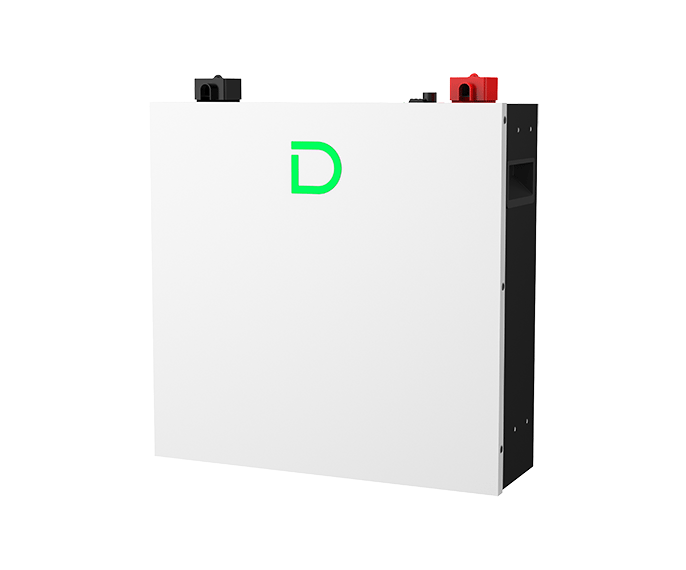
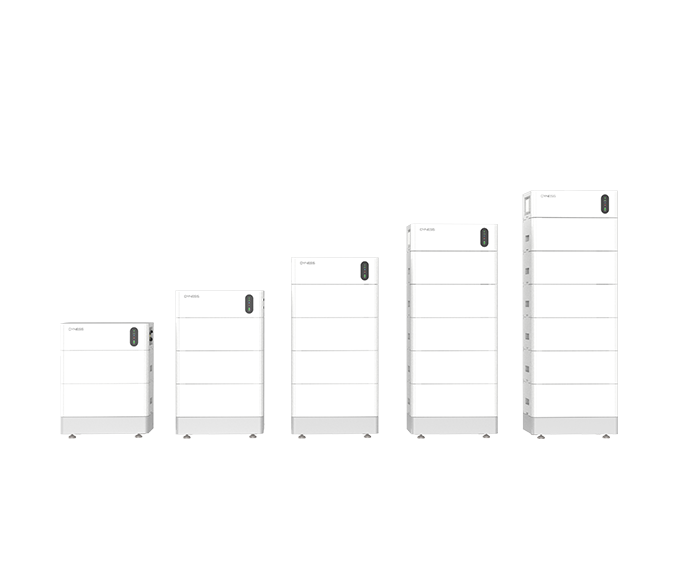
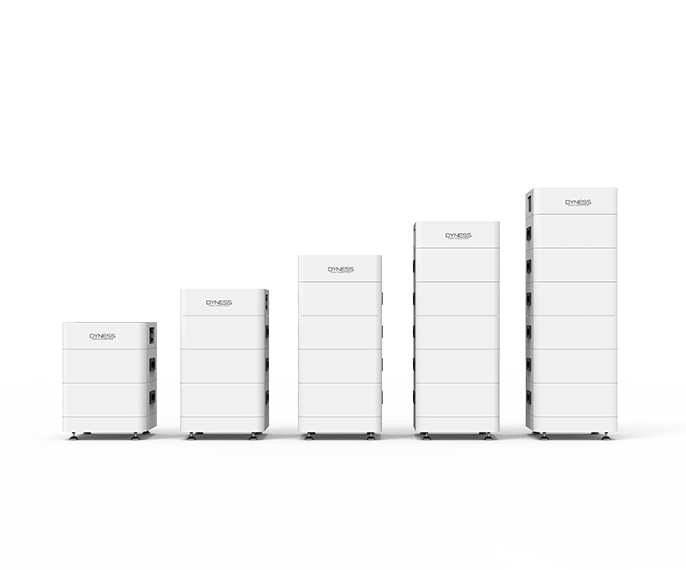
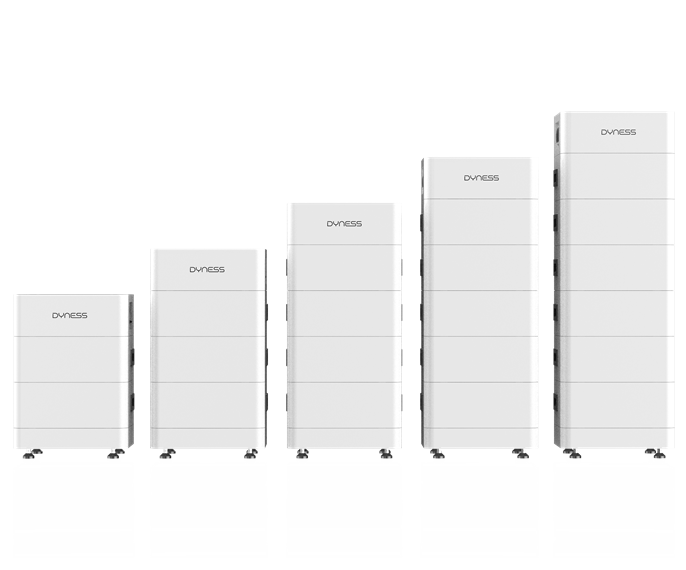
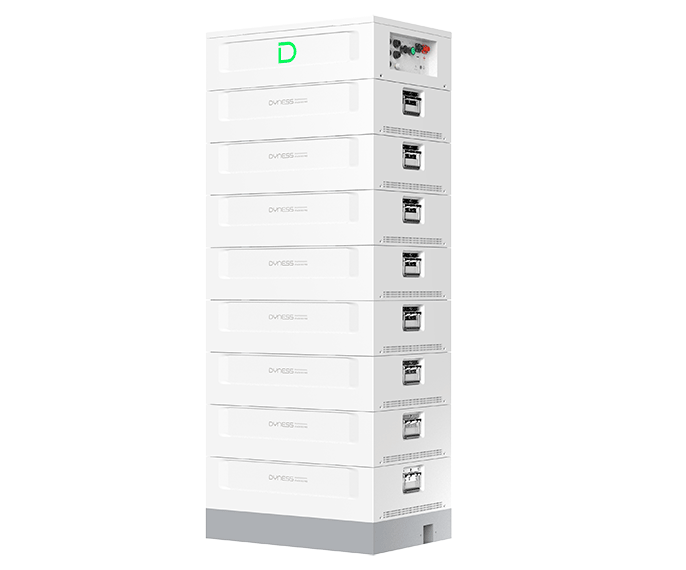
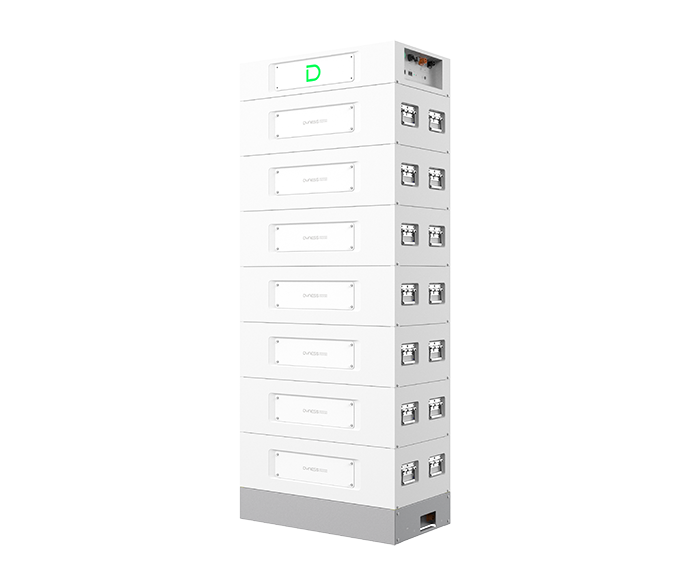
| New residential solar-plus-storage system | PowerBox G2, PowerBrick Plus, Tower Series, or another suitable Dyness product based on system size. | Helps integrate solar, battery, grid, and household loads into one coordinated home energy system. |
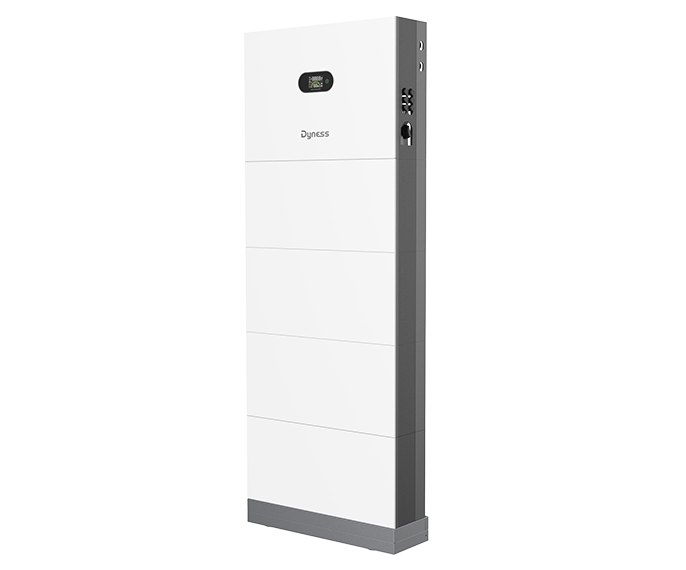
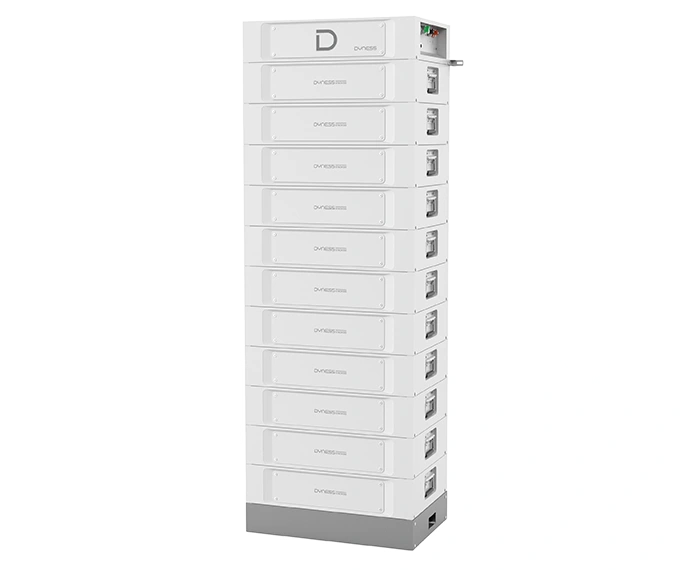
| High-load homes with heat pumps or EV chargers | Tower Series, PowerBrick Plus, or other scalable Dyness platforms, depending on power demand and inverter matching. | Supports larger solar surplus, higher evening consumption, and stronger power requirements. |
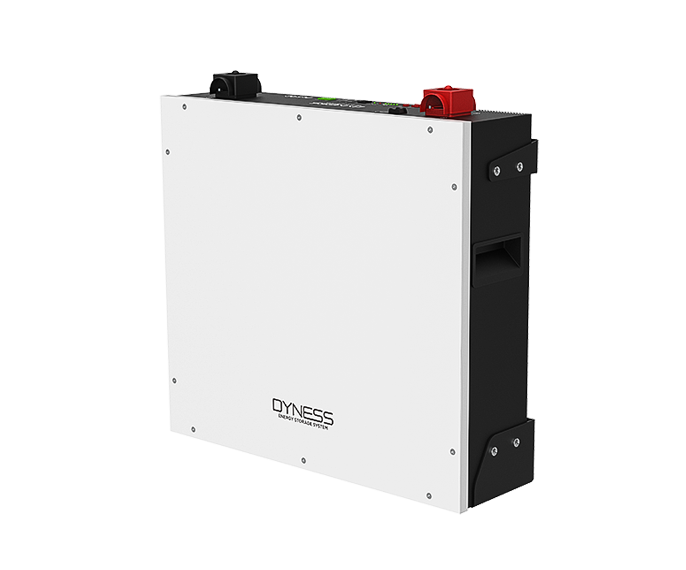
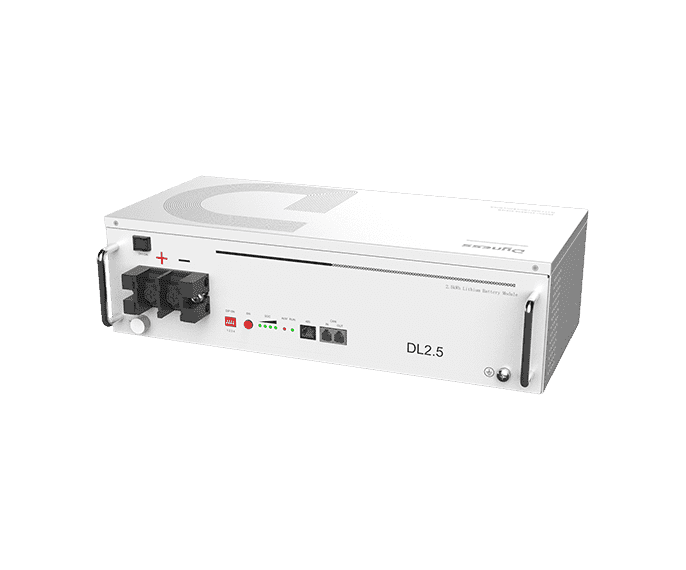
| Compact homes with limited installation space | DL5.0C or other compact low-voltage residential battery options, depending on availability and compatibility. | Provides a space-saving starting point for solar self-consumption and essential backup. |
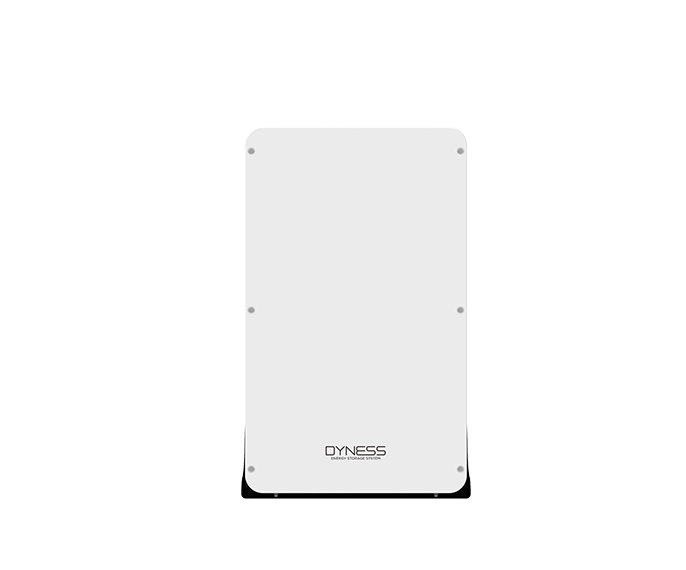
| Apartment or balcony solar users | AquaVolt or SolarCube. | Helps balcony PV users store surplus daytime solar power and use it later without major electrical renovation where local rules allow. |
The most suitable solution should be selected according to PV capacity, surplus generation, evening load, backup needs, installation space, inverter compatibility, and local electrical rules.
Common Misunderstandings About Solar Plus Storage
Myth 1: Adding a battery automatically makes a home 100% energy independent.
Not necessarily. Energy independence depends on solar generation, battery capacity, electricity consumption, seasonal weather, tariff structure, and backup load design. During cloudy periods or winter months, the grid may still be needed.
Myth 2: Solar plus storage is only for villas with large rooftops.
Rooftop solar-plus-storage is important, but it is not the only scenario. Balcony solar users and apartment households can also improve solar self-consumption through plug-in balcony storage solutions such as AquaVolt or SolarCube, where permitted by local rules.
Myth 3: Battery capacity should simply match the size of the PV system.
PV capacity matters, but battery sizing should also consider daytime surplus, evening consumption, usable capacity, backup reserve, and future load growth. A large PV system does not always require the largest battery, and a small PV system may not fully charge an oversized battery.
Myth 4: Existing solar systems cannot add storage later.
Many existing PV systems can add battery storage through suitable retrofit designs, such as AC-coupled storage or a compatible hybrid/storage inverter. The best approach depends on the original inverter, wiring, grid rules, and installer assessment.
Final Takeaway
Solar PV is an excellent way to generate clean electricity, but energy storage is what makes that electricity more flexible, controllable, and useful across the whole day.
Dyness energy storage helps users store surplus daytime solar power, use it later in the evening, improve solar self-consumption, support backup needs, and respond more effectively to time-of-use or dynamic electricity tariffs.
With open inverter compatibility, scalable battery platforms, long-cycle LiFePO4 technology, and a product matrix covering rooftop PV and balcony solar scenarios, Dyness can be a practical companion for new and existing solar PV systems. The final configuration should always be designed based on real solar generation, household load, inverter compatibility, local regulations, and professional installer evaluation.
FAQ
-
Q: Can I add a Dyness battery to an existing solar PV system installed years ago?

A: Yes, in many cases an existing solar PV system can be upgraded with Dyness battery storage. This may be done through an AC-coupled design, a compatible storage inverter, or another suitable retrofit configuration. The original PV inverter, wiring layout, grid rules, battery type, and installer assessment will determine the best solution.
-
Q: How should I size a Dyness battery for a solar PV system?
A: Battery sizing should be based on daily surplus solar generation, evening electricity use, backup expectations, usable battery capacity, and future load growth. A practical starting point is to compare how much solar energy is left unused during the day with how much electricity the home needs after sunset.
-
Q: Which Dyness product is suitable for balcony solar storage?
A: For balcony solar users, AquaVolt or SolarCube can be considered depending on installation conditions, local plug-in rules, PV input, battery capacity needs, and product availability. These solutions are designed to help users store surplus balcony solar power and use it later.
Learn More