






















LiFePO4 Home Battery: Benefits and Selection Guide


Get notified about new updates, products, tips and tutorials. No spam.
Modern residential properties require sophisticated electrical architecture to handle shifting power demands. Integrating a dependable LiFePO4 home battery allows properties to capture renewable energy and utilize it efficiently during peak pricing hours.
Selecting appropriate storage hardware requires balancing electrochemical safety with long-term financial performance. System integrators must evaluate specific cell designs, safety features, scalability, inverter compatibility, and environmental adaptability to meet varying regional and residential demands.

Why LiFePO4 Chemistry Matters for Residential Energy Storage
Residential power architecture has evolved as household electricity demand becomes more complex. Earlier battery technologies often faced problems such as rapid degradation and thermal sensitivity, while lithium-based storage solutions have improved the reliability of home energy systems.
Lithium iron phosphate chemistry provides strong structural integrity compared with traditional cobalt-based options. The stable molecular structure helps reduce rapid breakdown during intensive usage, supporting longer operating life and more predictable performance.
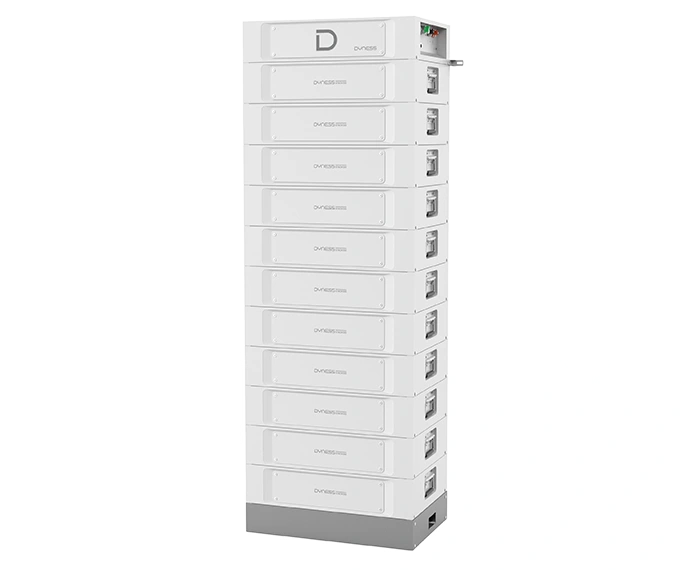
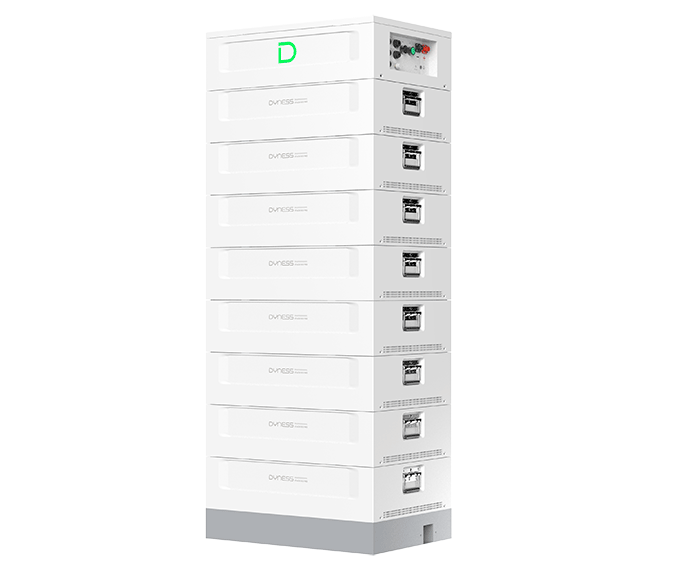
For homeowners and installers, a high-quality LiFePO4 home battery can provide consistent power output over long-term operation, making it a practical foundation for solar self-consumption, backup power, and residential energy resilience.
How to Evaluate Key Battery Specifications
Choosing a high-performance LiFePO4 home battery requires users to evaluate more than nominal energy capacity. Cell quality, cycle life, space efficiency, and verified test data are important indicators of long-term reliability and actual return on investment.
High-capacity cell configurations can reduce the overall system footprint while delivering substantial usable energy, which is especially valuable for households with limited installation space. Certified cycle life data also helps installers and residential buyers understand how the battery may perform over years of operation.
Dyness uses premium 280Ah LFP cells engineered to withstand more than 8,000 cycles under optimal conditions. This durable cell specification supports long-term performance and helps B2B partners recommend dependable storage solutions for residential buyers.

Safety, Low-Voltage Design, and System Integration
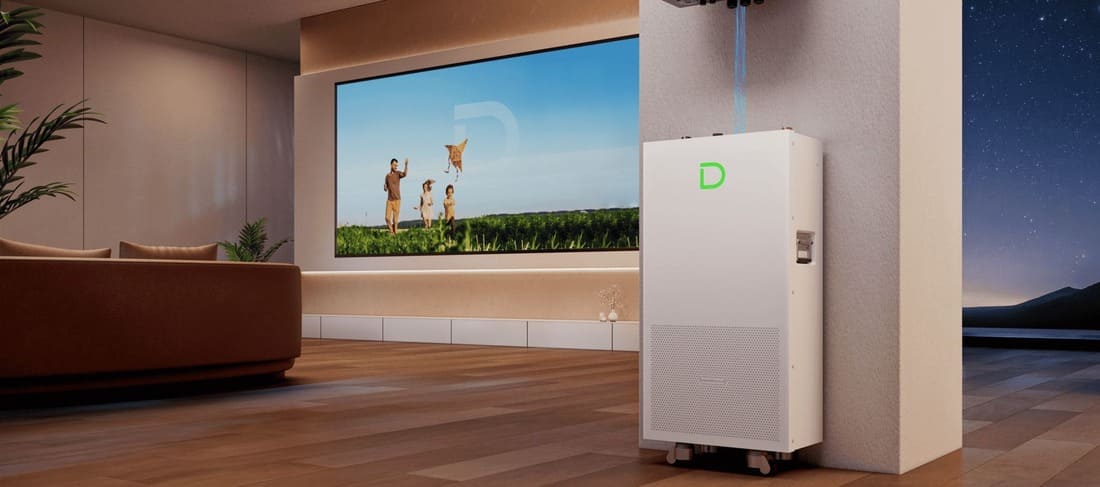
Safety is a primary concern for residential energy storage because batteries are often installed indoors or close to living spaces. While LiFePO4 chemistry is inherently stable, active protection mechanisms provide an additional layer of security for daily operation.
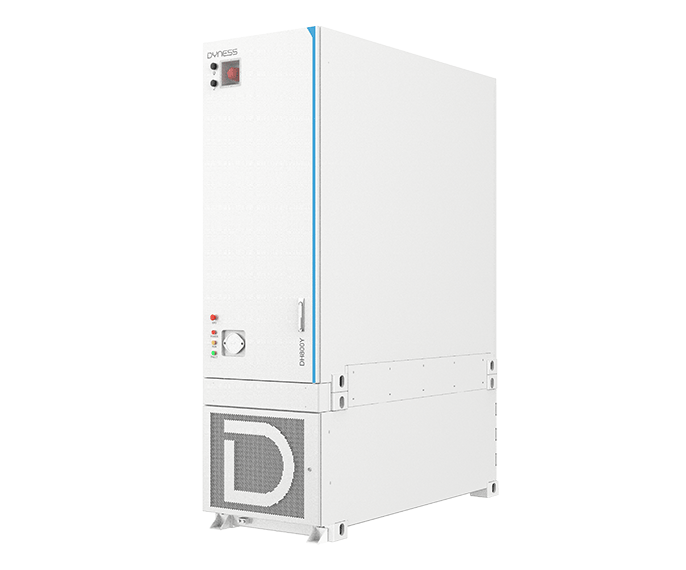
Dyness integrates an intelligent fire extinguishing system into heavy-duty storage configurations. This proactive safety feature can detect and extinguish internal fires within 5 seconds, helping reduce fire risks and improve overall system safety.
Managing electrical distribution at 48V also offers a practical balance between installation safety and transmission efficiency. A Low Voltage (LV) Solar Battery Storage system helps installers build scalable local energy systems with simpler onsite assembly and fewer high-voltage containment requirements.
Battery modules must also communicate smoothly with the broader electrical ecosystem of the home. Dyness designs its storage systems for broad interoperability with major inverter brands, helping reduce field commissioning complexity and supporting efficient integration into existing residential infrastructure.
Long-Term Value, Expandability, and Environmental Reliability
For residential users, upfront price should not be the only deciding factor. True long-term value depends on low maintenance demands, strong capacity retention, extended service life, and fewer replacement needs over the full lifecycle of the system.
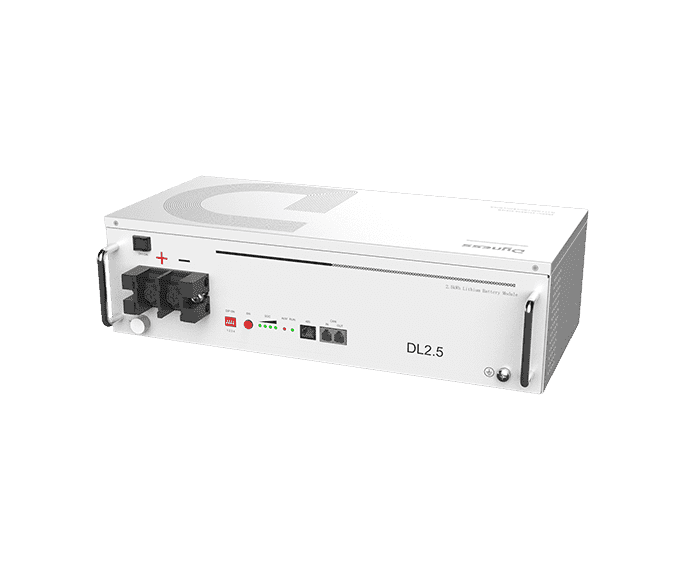
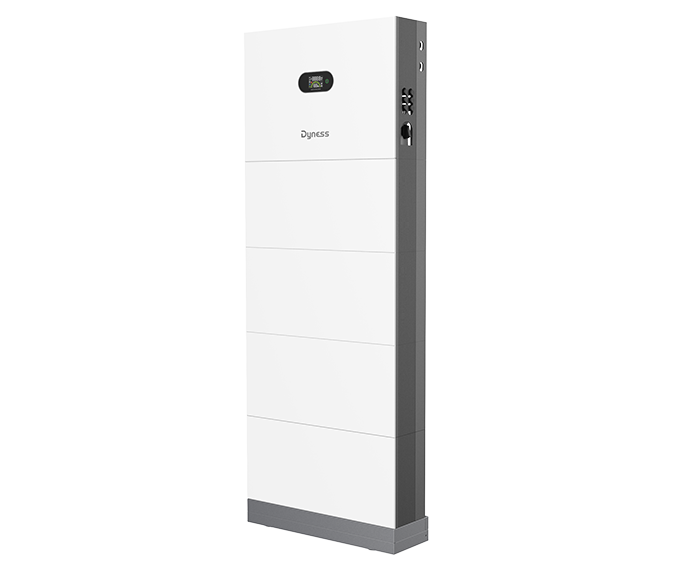
Dyness LiFePO4 home batteries are engineered for low long-term ownership costs, with premium cell quality and industrial-grade build standards that help maintain consistent performance year after year. This can help homeowners improve returns on solar and storage investments.
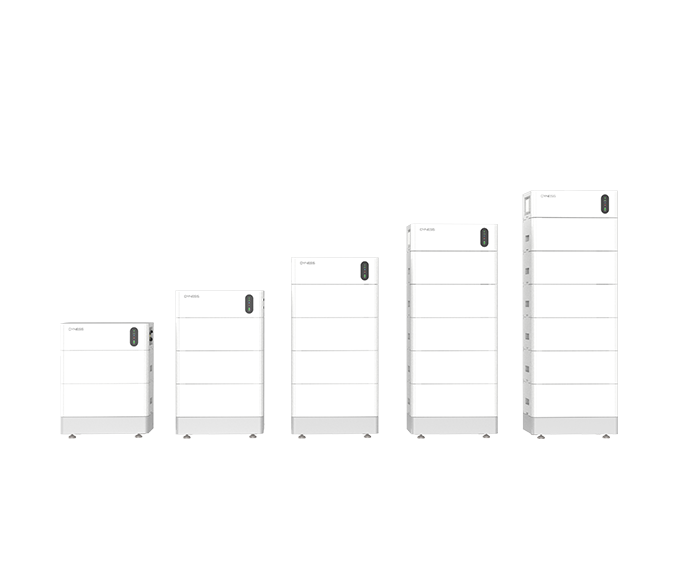
Scalability is another key selection factor. Household power demand may increase over time due to new appliances, home expansion, or upgraded solar arrays. Modular LiFePO4 home battery systems with flexible parallel expansion allow users to start with a basic setup and add extra capacity later, avoiding unnecessary oversizing at the initial installation stage.
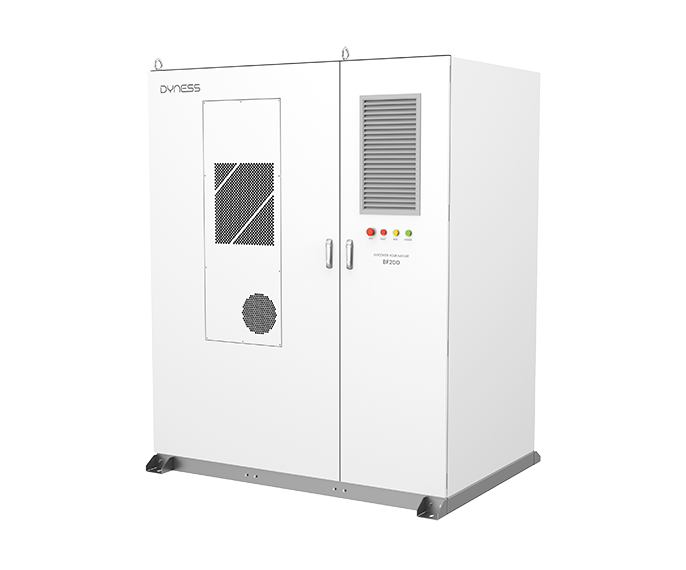
Environmental protection also matters. Varying temperatures, dust, and harsh installation conditions can affect electronic components and internal cell performance. Dyness designs hardware enclosures to resist environmental ingress and maintain internal thermal stability, supporting reliable operation across diverse geographic climates.
Conclusion
Selecting a premium residential storage system requires balancing chemical safety, verified long-term cycle life, intelligent protection, inverter compatibility, expandability, and environmental durability.
Using high-capacity 280Ah LFP cells, low-voltage architecture, automated safety protection, and modular expansion design, Dyness LiFePO4 home batteries provide a reliable energy storage foundation for homeowners, installers, and B2B distribution partners.
As residential energy demand continues to evolve, stable and customizable LiFePO4 battery technology remains an important pathway for building safer, longer-lasting, and more flexible decentralized power systems.
FAQ
-
Q: How long is the warranty period for Dyness residential batteries?

A: Many Dyness residential energy storage products offer warranty coverage based on a defined time period or cycle count, depending on the specific model and region. Users should refer to the latest product manual, warranty document, and sales contract for the final warranty terms.
-
Q: How many years does 8,000 cycles represent for a Dyness battery?
A: If a battery completes one full cycle per day, 8,000 cycles would mathematically represent more than 20 years of cycling. If it cycles twice per day, the cycle count would be consumed faster. In real use, temperature, charge and discharge rate, depth of discharge, and calendar aging all affect the actual service life.
-
Q: Will high-temperature environments shorten the life of a Dyness battery?
A: Yes, long-term exposure to high temperatures can accelerate battery aging. In hot regions, users should pay special attention to ventilation, shading, and installation location. A cool, dry, and ventilated environment is generally better for long-term battery health.
Learn More