
























LFP (LiFePO4) Battery Storage Products: Why LFP Is the Top Choice


Get notified about new updates, products, tips and tutorials. No spam.
Transitioning to sustainable power requires a deep understanding of electrochemical efficiency. Selecting the right energy architecture plays an important role in operational stability for commercial and industrial applications. Modern businesses demand systems that balance cost, safety, and longevity.
Chemical composition remains the most critical factor when evaluating commercial power alternatives. Different formulations yield distinct behaviors under thermal stress and continuous cycling. For enterprise-scale integration, specific chemical traits determine overall reliability.

Understanding the Core Chemistry of Modern Energy Storage
Lithium iron phosphate has emerged as a standard for stationary power deployment. This specific formulation offers distinct crystalline stability compared to cobalt-based alternatives. The robust molecular structure prevents degradation during rapid charge cycles.
Deploying high-quality Battery Energy Storage Systems (BESS) requires cell structures that withstand demanding industrial workloads. This molecular integrity ensures predictable performance across varying environmental conditions. Enterprise clients utilize this stability to secure uninterrupted power supplies.
Unpacking the Safety Advantages of Lithium Iron Phosphate
Thermal runaway poses a significant operational risk for heavy industrial power setups. The chemical bonds within LFP (LiFePO4) Battery Storage Products possess higher thermal thresholds than other lithium technologies. This structural resilience minimizes fire hazards during peak operations.
We recognize that commercial operations cannot compromise on structural safety protocols. By utilizing inherently stable cell chemistry, risk mitigation becomes built into the hardware layer. This foundational security protects both valuable corporate assets and personnel.

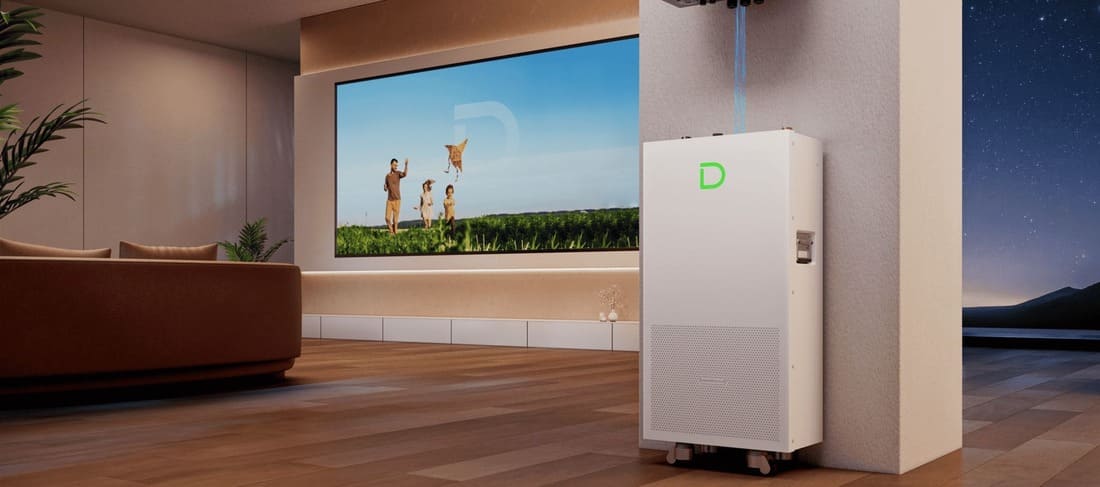
Evaluating the Lifecycle Costs of Business Energy Assets
Initial capital expenditure represents only a fraction of total asset procurement costs. True financial value derives from the extended operational lifespan of the deployed modules. Chemical formulations that endure thousands of cycles deliver superior return on investment.
At Dyness, we engineer solutions that optimize long-term operational expenditure for our B2B partners. Reduced replacement frequency directly translates to lowered maintenance overheads for large-scale installations. Sustainable energy assets must deliver consistent economic returns over decades.
Matching Battery Innovations with High Performance Inverters
A premium battery module requires seamless communication with power conversion equipment. Integrating diverse hardware components requires standardized protocols to prevent energy loss. Compatibility with major global inverter brands ensures optimal system efficiency.
Our development focus centers on creating versatile components that adapt to complex electrical grids. We ensure our stationary power designs integrate smoothly with existing distribution networks. This technical flexibility simplifies deployment for system integrators worldwide.
Designing Scalable Modular Architecture for Diverse Demands
Fixed energy capacities rarely satisfy the evolving requirements of growing business enterprises. Scalable configurations allow hardware setups to expand alongside corporate operational footprints. Modular engineering permits seamless physical and electrical stacking without complex rewiring.
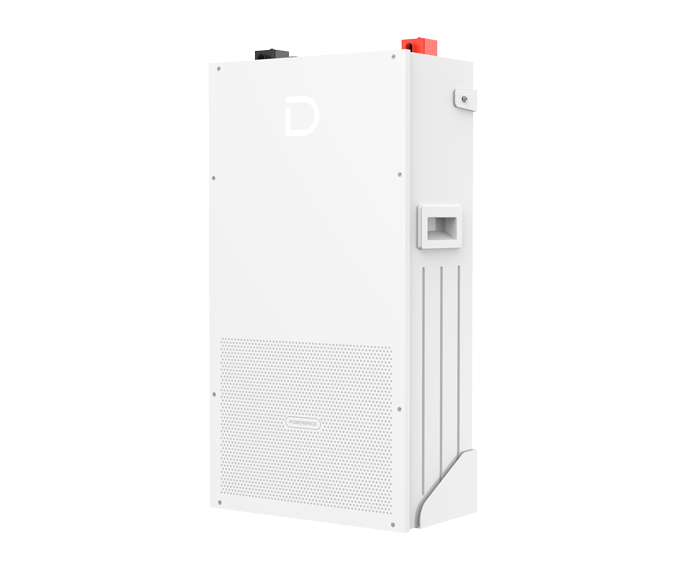
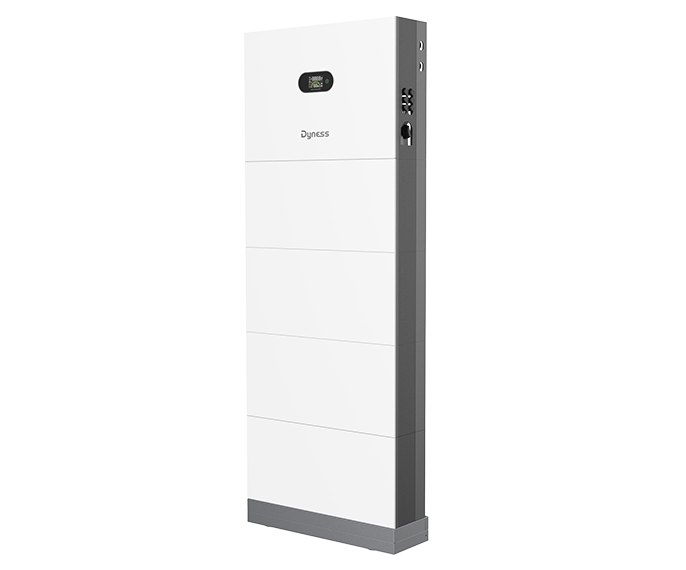
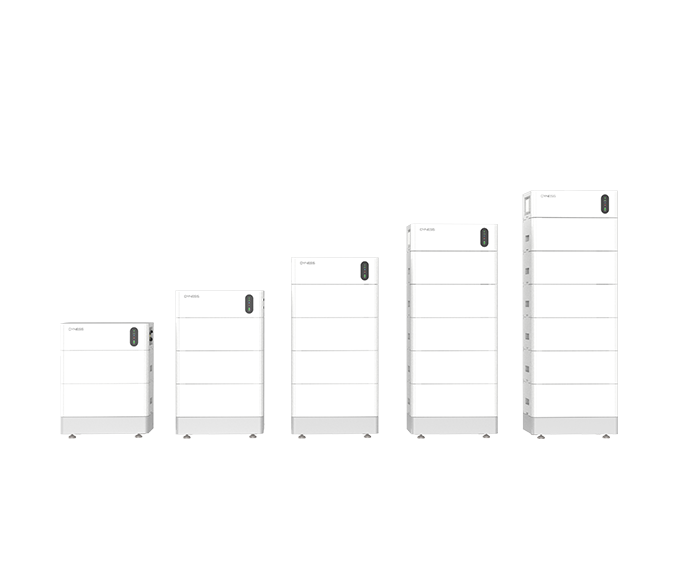
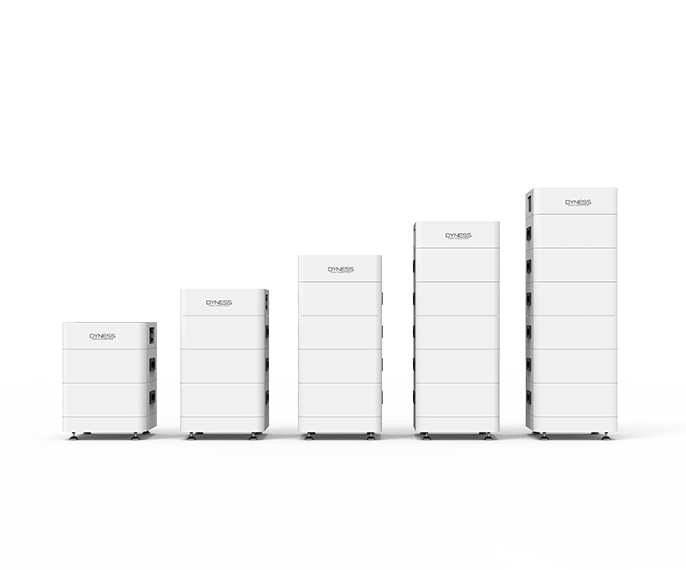
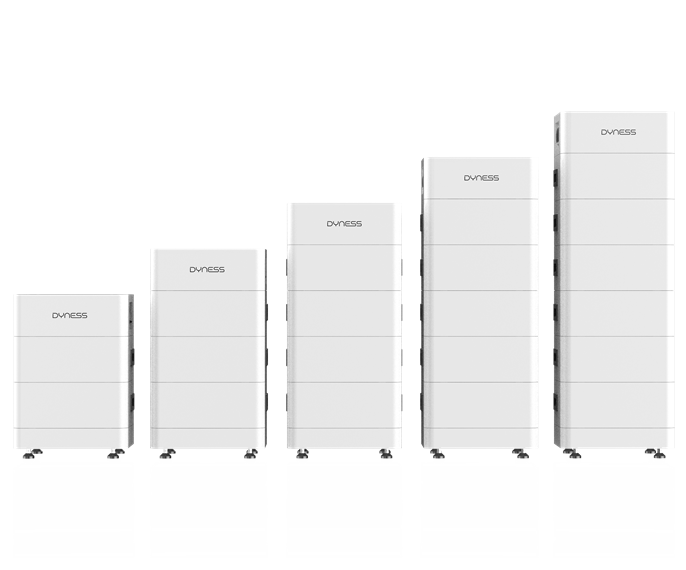
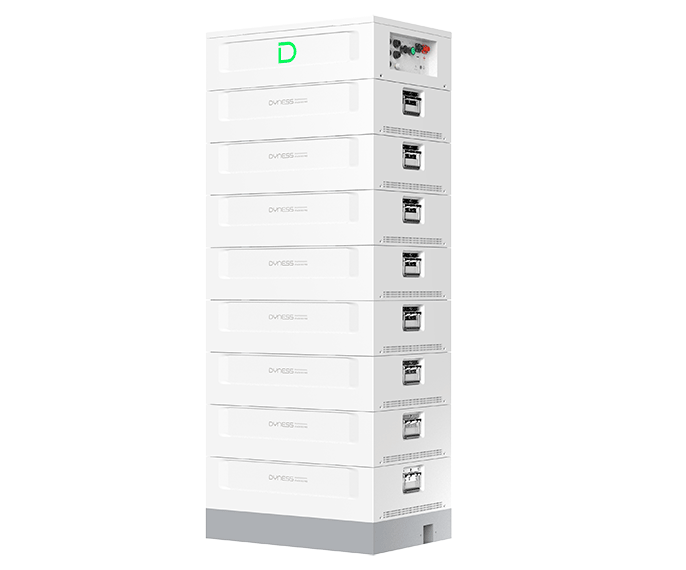
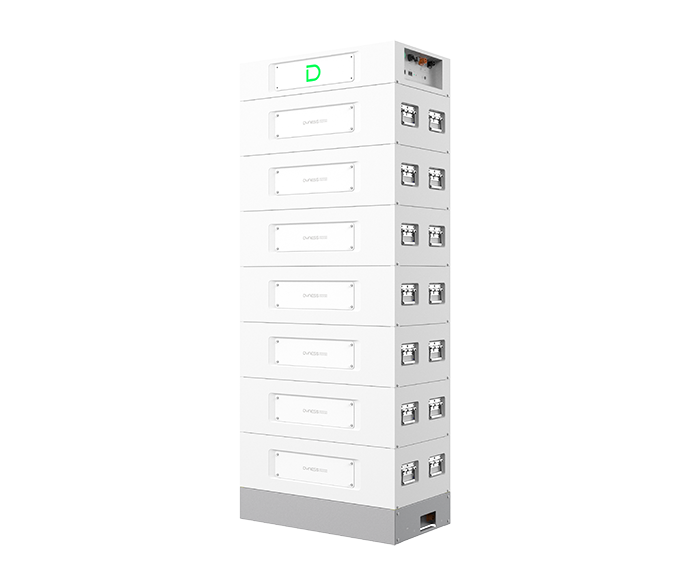
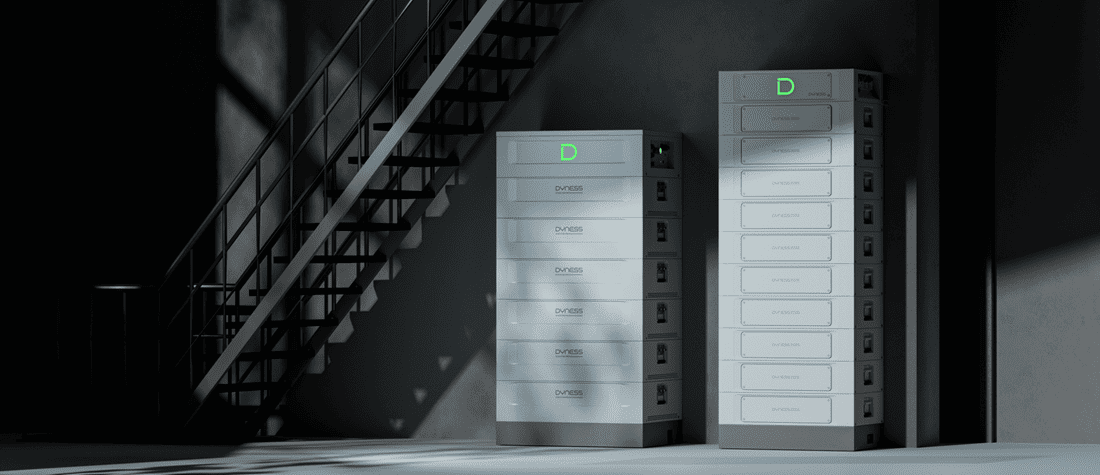
Our hardware portfolio utilizes flexible design principles to accommodate varying site footprints. For instance, the Tower Pro series allows flexible modular stacking to scale power capacity efficiently. This customizable layout provides a versatile blueprint for commercial system designers.
Mitigating Operational Risks with Low and High Voltage Solutions
Different commercial applications require distinct electrical configurations to maximize efficiency. Low-voltage setups offer simplicity for smaller commercial installations. Conversely, high-voltage architectures suit massive industrial demands by reducing transmission losses.
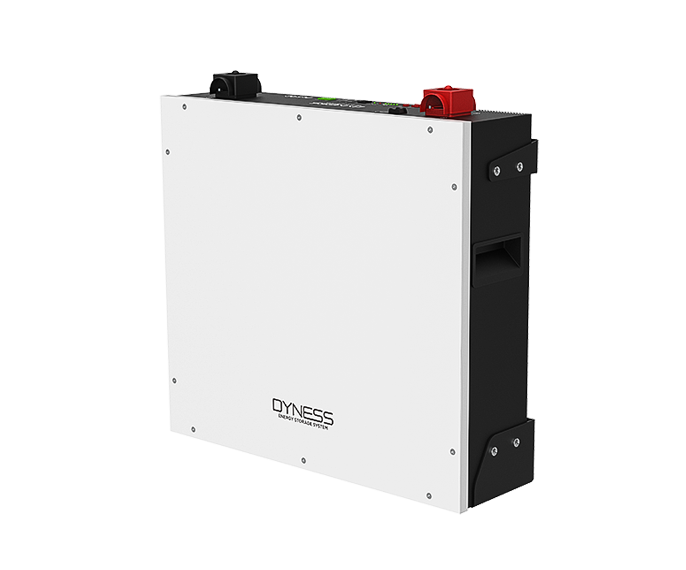
Our engineering portfolio addresses both low- and high-voltage application needs seamlessly. Systems like the PowerBox G2 provide robust low-voltage solutions for specific regional requirements. We deliver configurations that align precisely with institutional power distribution demands.
Integrating Smart Fire Suppression and Thermal Management
Environmental variables can heavily impact the health and efficiency of stationary battery packs. Advanced energy systems incorporate integrated environmental controls to maintain optimal internal operating thresholds. Automated safety mechanisms provide essential defensive layers against external anomalies.
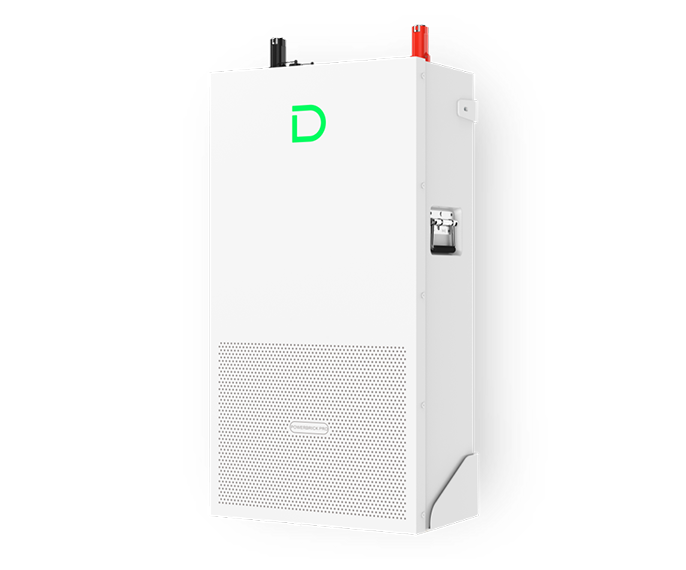
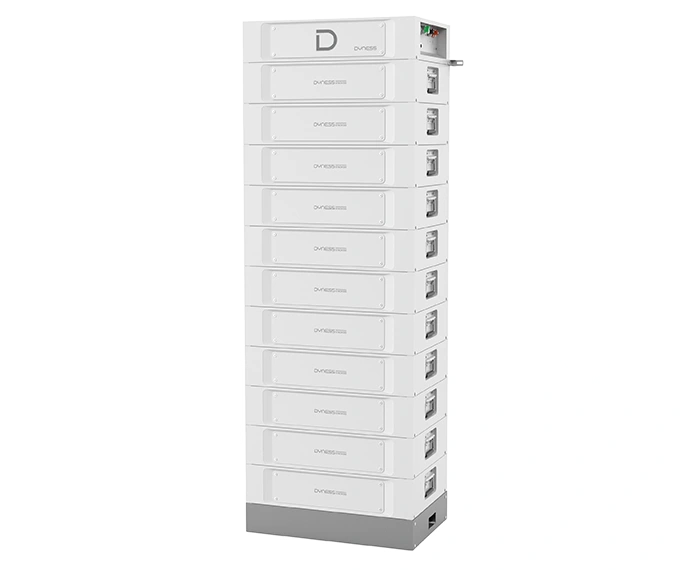
We integrate automated safety measures directly into our enterprise hardware lines. Modules like the PowerBrick Pro offer optional intelligent rapid fire suppression and automatic self-heating functions, enabling stable operation across wider temperature conditions. This proactive protection maintains system health across extreme climate conditions.
How Modular LFP Systems Support Customized Deployments
Standardized off-the-shelf energy storage solutions rarely meet the intricate needs of complex industrial facilities. Every enterprise operates with unique load profiles and faces specific spatial constraints. Modular LFP battery systems overcome these challenges and enable highly customized energy infrastructure deployments.
We provide flexible OEM and ODM services built around LFP battery technology to satisfy precise client specifications. Our engineering teams work closely with commercial and industrial clients to design scalable, tailored energy storage configurations. This collaborative design approach guarantees the final system deployment aligns perfectly with individual operational and site requirements.
Driving Long-Term Efficiency in Industrial Power Storage
Optimizing energy usage patterns helps corporations reduce reliance on volatile electrical grids. Storing excess power during low-demand periods lowers overall utility expenses. Advanced Battery Energy Storage Systems (BESS) facilitate efficient load shifting strategies.
Implementing smart energy management improves overall corporate sustainability metrics. At Dyness, we provide the underlying hardware that empowers businesses to control their power consumption. Our scalable architectures support evolving industrial infrastructure requirements.
Conclusion
Selecting optimal energy storage technology requires balancing safety, longevity, and customization potential. LFP (LiFePO4) Battery Storage Products provide the foundational security and durability demanded by modern commercial enterprises. Investing in reliable chemical architectures ensures long-term operational resilience.
We remain dedicated to advancing scalable power solutions through rigorous engineering and flexible manufacturing services. Partnering with businesses allows us to deliver customized systems that drive global energy transformation. Securing the future of commercial power starts with dependable technology.
FAQ
-
Q: How long is the warranty period for Dyness residential batteries?

A: Many Dyness residential energy storage products offer warranty coverage based on a defined time period or cycle count, depending on the specific model and region. Users should refer to the latest product manual, warranty document, and sales contract for the final warranty terms.
-
Q: How many years does 8,000 cycles represent for a Dyness battery?
A: If a battery completes one full cycle per day, 8,000 cycles would mathematically represent more than 20 years of cycling. If it cycles twice per day, the cycle count would be consumed faster. In real use, temperature, charge and discharge rate, depth of discharge, and calendar aging all affect the actual service life.
-
Q: Will high-temperature environments shorten the life of a Dyness battery?
A: Yes, long-term exposure to high temperatures can accelerate battery aging. In hot regions, users should pay special attention to ventilation, shading, and installation location. A cool, dry, and ventilated environment is generally better for long-term battery health.
Learn More